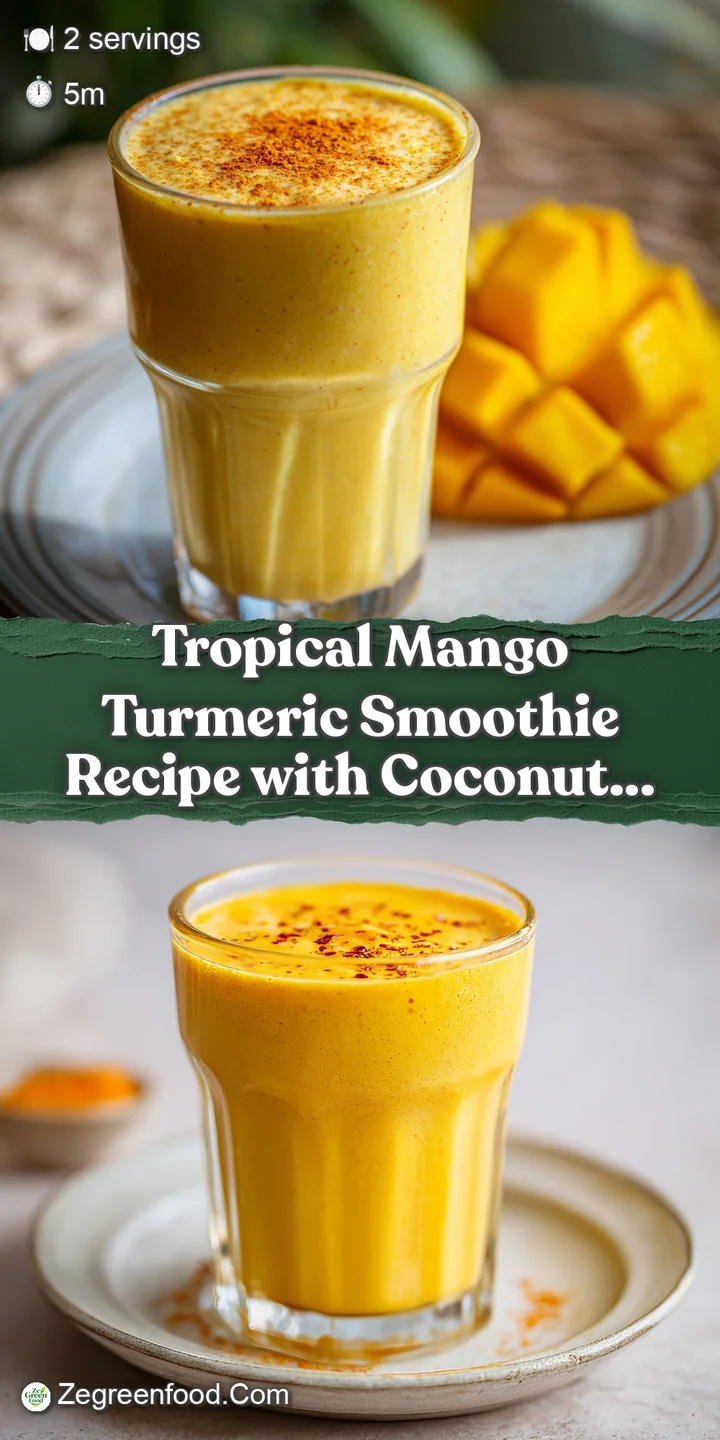
Tropical Mango Turmeric Smoothie Recipe
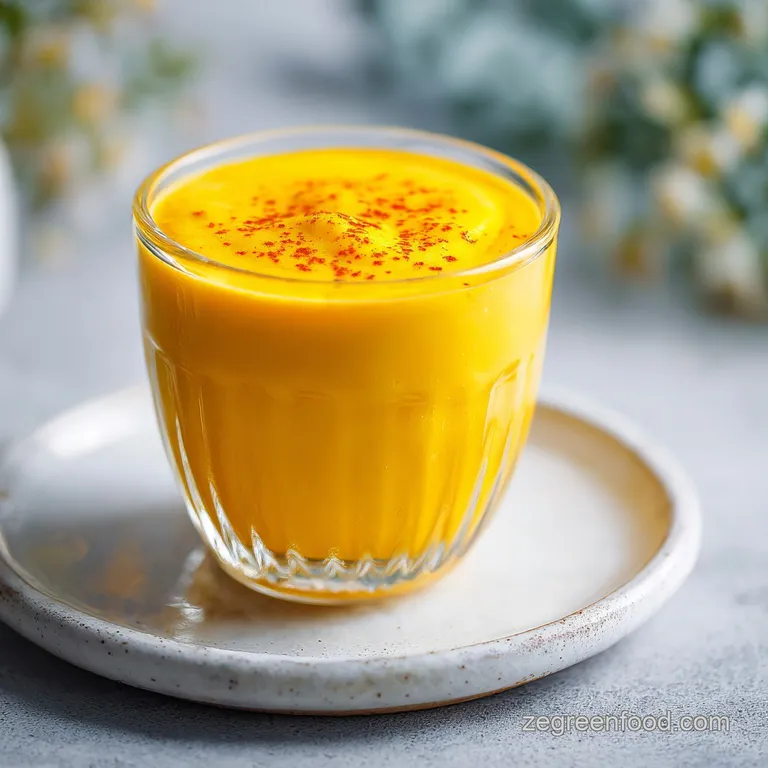
- Time: Active 5 minutes, Passive 0 mins, Total 5 minutes
- Flavor/Texture Hook: Zesty, frost rimmed, and velvety
- Perfect for: Post workout recovery or a functional morning ritual
- Mastering the Tropical Mango Turmeric Smoothie Recipe
- Functional Science Behind This Golden Blend
- Selecting Elements for Peak Cellular Nutrition
- Precision Tools for Blending Velvety Textures
- Step-by-Step Guide to Perfect Emulsification
- Correcting Common Smoothie Formulation Imbalances
- Nutrient Dense Adaptations for Specific Goals
- Storage Strategies for Maximum Nutrient Retention
- Synergistic Pairings for Sustained Daily Energy
- Recipe FAQs
- 📝 Recipe Card
Mastering the Tropical Mango Turmeric Smoothie Recipe
Have you ever stood in your kitchen, microplane in hand, and watched the vibrant, neon orange shavings of fresh turmeric fall like sunset colored snow? There is something incredibly grounding about that sharp, earthy aroma mingling with the zingy scent of freshly grated ginger.
I remember the first time I tried a turmeric based drink; it was a gritty, muddy mess that tasted more like a garden bed than a superfood. I realized then that optimizing functional nutrition requires more than just tossing ingredients in a jar it requires a bit of molecular strategy.
This specific formulation is the result of my obsession with nutrient synergy. We are not just blending fruit here; we are creating a delivery system for some of the most potent anti inflammatory compounds found in nature.
By balancing the heavy, floral sweetness of mango with the acidic snap of lime and the heat of ginger, we transform a "health drink" into a sensory experience that feels like a concentrated burst of tropical sunlight.
We have all been there drinking a smoothie that feels like a chore because it is too thick, too bland, or too fibrous. This recipe solves that by focusing on the mechanics of emulsification and the chemistry of flavor.
You will find that the addition of a tiny, almost imperceptible pinch of black pepper does not just change the taste; it fundamentally changes how your body interacts with the golden turmeric.
Functional Science Behind This Golden Blend
Optimizing the nutritional output of your morning routine involves understanding how different compounds interact at a cellular level. It is not enough to simply consume superfoods; we must ensure they are in a state that the body can actually utilize.
- Lipid Mediated Transport: Curcumin is hydrophobic, meaning it requires a fat source like the medium chain triglycerides in coconut milk to be absorbed by the gut.
- Piperine Activation: The piperine in black pepper inhibits the metabolic pathway that eliminates curcumin, increasing its bioavailability by up to 2000%.
- Enzymatic Hydrolysis: Pineapple contains bromelain, a proteolytic enzyme that assists in breaking down the complex fibers of the mango and ginger.
- Thermal Stability: Using frozen banana and mango provides a high viscosity base that stays below 4°C during blending, preventing the heat of the blades from oxidizing delicate antioxidants.
The Fast vs Classic Comparison
| Feature | Fast High Speed Blend | Classic Standard Blend |
|---|---|---|
| Texture | Velvety and completely smooth | Slightly fibrous or pulpy |
| Nutrient Access | High (sheared cell walls) | Moderate |
| Prep Style | All in-one 60 second blast | Layered blending with pauses |
This table highlights why a high speed blender is often preferred for functional recipes. The mechanical shear of the blades is essential for breaking down the tough cell walls of the ginger and turmeric, releasing the phytonutrients trapped within.
Selecting Elements for Peak Cellular Nutrition
To achieve the best results, every component must serve a specific functional purpose. I prefer using frozen ingredients not just for the temperature control, but because they provide a much denser, more luxurious texture than ice cubes, which only serve to dilute the nutrient density of the final pour.
| Ingredient | Science Role | Pro Secret |
|---|---|---|
| Turmeric | Primary Curcuminoid source | Bloom in the honey first |
| Coconut Milk | Fat based carrier liquid | Use canned for higher MCTs |
| Fresh Ginger | Thermogenic catalyst | Grate while frozen for ease |
| Black Pepper | Bioavailability enhancer | Use freshly cracked only |
The Tropical Foundation
For the core of this smoothie, we use 1.5 cups frozen mango chunks and 0.5 cup frozen pineapple chunks. These provide the natural sugars and fiber necessary for sustained energy. If you are looking to rotate your vitamins, my Tropical Spinach Smoothie recipe offers a similar island profile while introducing more chlorophyll into your diet.
The Anti Inflammatory Liquid
We use 1 cup unsweetened canned coconut milk as our base. This is non negotiable for the texture and the fat content needed for the turmeric. While almond milk is a popular alternative, it lacks the lipid density required to fully optimize the 1 tsp ground turmeric.
If you do choose a lighter milk, consider adding a teaspoon of coconut oil to maintain the functional benefits.
The Flavor Balance
To cut through the richness of the coconut, we add 1 tsp fresh lime juice and 0.5 tsp fresh ginger, grated. A 1 tsp raw honey provides a subtle sweetness that rounds out the earthy notes of the turmeric, while the 1 pinch ground black pepper and 0.5 frozen banana ensure the blend is both potent and palatable.
Precision Tools for Blending Velvety Textures
You do not need a lab full of equipment, but the quality of your blender dictates the final mouthfeel. A high performance blender (like a Vitamix or Blendtec) is ideal because it can pulverize the tiny fibers in the fresh ginger and pineapple, resulting in a silk like consistency that is much easier on the digestive system.
If you are using a standard blender, I recommend a "pulsing strategy" rather than a continuous run. This prevents the motor from overheating the smoothie. You will also need a fine microplane for the ginger.
Grating the ginger directly into the blender jar ensures you catch all the juice, which contains the most concentrated gingerol compounds.
For those who prep in batches, having a set of 500ml glass jars is essential. Glass is inert and won't react with the acidity of the lime or the staining pigments of the turmeric. It's the most stable way to store any leftover liquid sunshine for a quick afternoon pick me-up.
step-by-step Guide to Perfect Emulsification
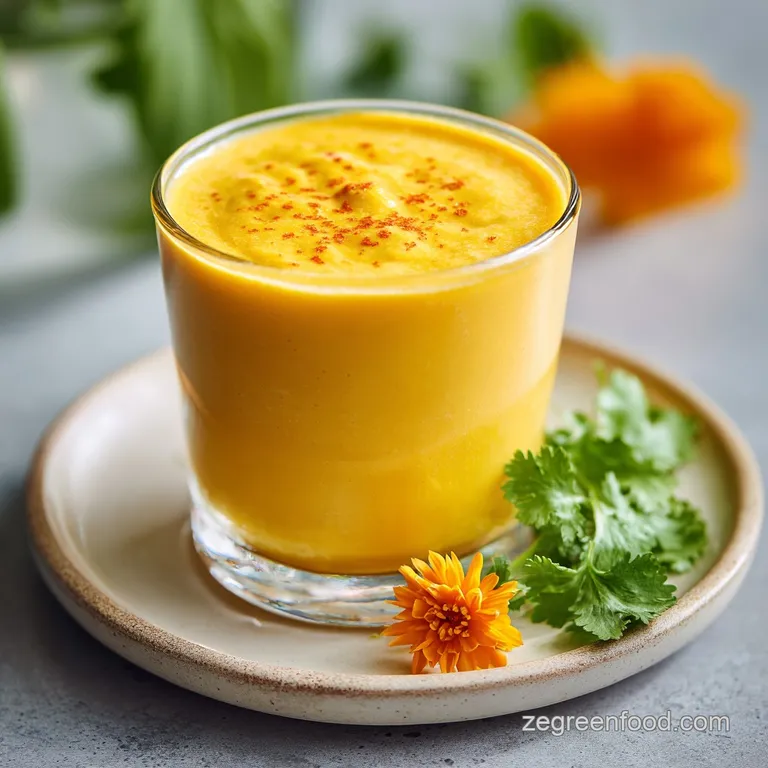
- Chilling the Jar. Place your blender jar in the freezer for 2 minutes. Note: This prevents the friction of the blades from warming the smoothie.
- Liquid First. Pour the 1 cup unsweetened canned coconut milk and 1 tsp fresh lime juice into the bottom. Note: This creates a vortex that pulls the frozen ingredients down.
- The Spice Bloom. Add the 1 tsp ground turmeric, 1 pinch ground black pepper, and 1 tsp raw honey.
- Aromatic Prep. Grate the 0.5 tsp fresh ginger directly over the liquid. Wait until the aroma hits you—it should smell sharp and bright.
- Adding the Base. Drop in the 0.5 frozen banana. Note: Banana acts as a natural emulsifier, binding the water and fat together.
- The Frozen Bulk. Add the 1.5 cups frozen mango chunks and 0.5 cup frozen pineapple chunks.
- Low Speed Start. Turn the blender on its lowest setting for 10 seconds until the fruit begins to break down into a slush.
- High Speed Emulsification. Ramp up to maximum speed for 45 to 60 seconds until the mixture looks completely silk and vibrant yellow.
- The Texture Check. Stop and stir with a long spoon to ensure no hidden mango chunks remain.
- Final Pour. Divide between two glasses and consume immediately while the frost is still visible on the glass.
Correcting Common Smoothie Formulation Imbalances
Achieving the right balance between "earthy" and "sweet" can be tricky with turmeric. If your smoothie tastes like soil, it's usually an issue with the acidity to fat ratio.
Why Your Smoothie Tastes Gritty
This usually happens when using older ground spices or if the ginger wasn't grated finely enough. The starch in the banana and the fats in the coconut milk should normally coat these particles, but a low powered blender might leave them intact.
| Problem | Root Cause | Solution |
|---|---|---|
| Separation | Lack of emulsifier | Add more frozen banana or a scoop of Greek yogurt |
| Bitter Aftertaste | Too much turmeric | Increase the lime juice and honey slightly |
| Watery Texture | Using fresh instead of frozen fruit | Add more frozen mango or a handful of ice |
Common Mistakes Checklist:
- ✓ Using room temperature mango (results in a thin, lukewarm soup).
- ✓ Skipping the black pepper (negates the anti inflammatory benefits).
- ✓ Forgetting the lime juice (the acidity is needed to "wake up" the mango).
- ✓ Over blending (the heat will destroy the fresh enzymes in the pineapple).
Nutrient Dense Adaptations for Specific Goals
The beauty of this tropical mango turmeric smoothie recipe is its versatility. You can tweak the macros to fit your specific nutritional needs without sacrificing the core functional benefits.
- The Protein Packed Version: Add 20g of unflavored collagen peptides. This supports joint health and adds a creamy mouthfeel without altering the tropical flavor profile.
- The Low Sugar Power Swap: Replace the banana with half a small avocado. You'll lose some sweetness, so you might want to add an extra drop of honey, but you'll gain incredible monounsaturated fats.
- The Green Fusion: Add 1 cup of baby spinach. It will turn the smoothie a swampy green color (the turmeric + spinach combo is visually intense), but it significantly boosts the iron and folate content.
If you are looking for a complete change of pace after a heavy workout, I often suggest my Mixed Berry Smoothie recipe. It uses a different antioxidant profile (anthocyanins) which can be a great way to vary your nutrient intake throughout the week.
Precision Decision Shortcut
- If you want Maximum Creaminess, use full fat canned coconut milk and ensure the banana is fully frozen.
- If you want Weight Loss Support, swap the honey for a monk fruit sweetener and increase the ginger.
- If you want Intense Anti Inflammatory Action, use 1 inch of fresh turmeric root instead of the powder.
Storage Strategies for Maximum Nutrient Retention
Smoothies are best enjoyed immediately to prevent the oxidation of Vitamin C and the degradation of enzymes. However, if you must store it, there are ways to minimize nutrient loss.
Fridge Storage: Keep in an airtight glass jar for up to 12 hours. You will notice some separation; this is normal as the fats in the coconut milk rise. Simply give it a vigorous shake before drinking.
Freezer Storage: You can freeze the blended smoothie in silicone muffin molds. When you’re ready for a snack, pop out two "smoothie pucks" and let them thaw for 10 minutes. It turns into a texture similar to a healthy sorbet.
Zero Waste Tip: If you have leftover smoothie, pour it into an ice cube tray. Use these golden cubes in your next batch of Strawberry Banana Smoothie recipe to add a subtle hint of spice and a color boost without having to prep the turmeric and ginger all over again.
Synergistic Pairings for Sustained Daily Energy
This smoothie is nutritionally dense, but because it is a liquid meal, it is processed by the body relatively quickly. To extend the satiety and balance the blood sugar response, consider what you eat alongside it.
I find that pairing this with a source of complex carbohydrates or additional protein makes for a perfect high performance breakfast. A bowl of steel cut oats with hemp seeds provides the chew that your brain needs to register "fullness," while the smoothie provides the micronutrient "insurance policy."
Chef's Note: To truly optimize your morning, drink a small glass of room temperature water with lemon before your smoothie. This primes your digestive enzymes and prepares your stomach for the nutrient dense influx of the mango and turmeric.
If you are craving something with a different texture profile but still want that healthy fat hit, our Creamy Avocado Banana recipe is a fantastic alternative that leans even harder into the "velvety" sensory category. Whatever you choose, the key is consistency. Feeding your cells these vibrant, raw nutrients daily is the most effective way to optimize your long term health.
Recipe FAQs
Should I use fresh or frozen mango for the best texture?
Use frozen mango. Frozen fruit provides the necessary high viscosity and cold temperature needed for a thick, velvety texture without diluting the flavor with ice.
How do I ensure the body absorbs the curcumin from the turmeric?
Add a pinch of black pepper. Piperine, the active compound in pepper, drastically increases the bioavailability of curcumin, and you must pair it with a fat source like the coconut milk in this recipe.
How to prevent the smoothie from tasting earthy or bitter?
Increase the lime juice and honey slightly. The acidity from the lime cuts through the earthiness of the turmeric, and a touch more raw honey will balance the strong flavor profile.
Is it true that I must use high powered blender to make this smooth?
No, but a high speed blender is preferred for superior texture. If you are using a standard blender, use the low-to-high pulsing method to thoroughly shear the fibers in the ginger.
How to substitute the coconut milk if I need a lower fat base?
Swap coconut milk for almond milk and add a teaspoon of coconut oil. Almond milk lacks the necessary lipids for optimal curcumin absorption, so adding a dedicated fat source ensures the functional benefits remain high.
What is the optimal order to add ingredients to the blender jar?
Add liquids first, followed by spices, then frozen ingredients last. Layering the liquid base creates the necessary vortex action to pull the heavy frozen mango down toward the blades efficiently.
Can I meal prep this recipe for the whole week?
Yes, freeze the dry ingredients together in individual bags. Portion the mango, pineapple, turmeric, and pepper into bags; when ready, simply blend the frozen mix with your liquid base. This technique of batching dry components is similar to what we use when preparing our Spicy Peanut Buddha recipe ahead of time.
Mango Turmeric Smoothie Recipe
Ingredients:
Instructions:
Nutrition Facts:
| Calories | 364 kcal |
|---|---|
| Protein | 4.3 g |
| Fat | 24.5 g |
| Carbs | 37.4 g |
| Fiber | 3.3 g |
| Sugar | 28.1 g |
| Sodium | 22 mg |
