Cauliflower Alfredo Sauce: Silky & Savory
- Time: Active 10 minutes, Passive 20 minutes, Total 30 minutes
- Flavor/Texture Hook: Silky and savory with a hint of nutty nutmeg
- Perfect for: Sneaky weeknight veggies and dairy-free family dinners
- Mastering Creamy Cauliflower Alfredo Sauce
- The Physics of the Purée
- Essential Recipe Timing and Specs
- Selecting High Quality Plant Components
- Necessary Tools for Smooth Results
- Step by Step Kitchen Walkthrough
- Avoiding Common Kitchen Mistakes
- Flavorful Variations and Ingredient Swaps
- Storage and Easy Reheating Guide
- Serving Suggestions and Pairings
- Myths About Plant Based Sauces
- Recipe FAQs
- 📝 Recipe Card
Mastering Creamy Cauliflower Alfredo Sauce
The first time I tried making a white sauce out of a vegetable, I was genuinely braced for disappointment. I stood over my stove, watching the steam rise from a pot of simmering florets, thinking there was no way my pasta loving family would fall for this.
I expected it to taste like "diet food" thin, watery, and far too much like a side of boiled cabbage.
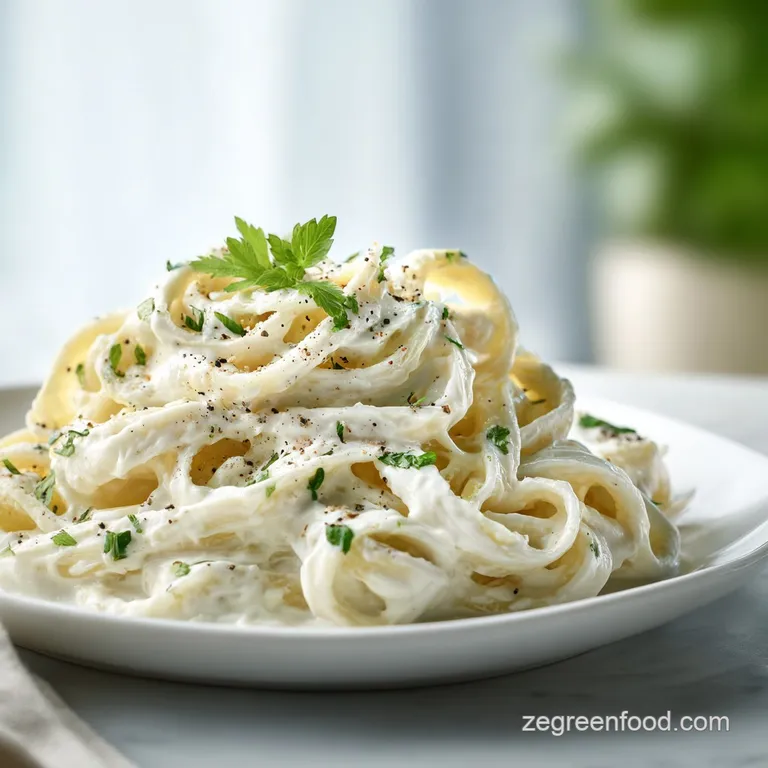
But then, the magic happened in the blender. As the blades whirred, that chunky cauliflower transformed into a glossy, thick ribbons of pale cream. When I tossed it with fettuccine, the aroma of toasted garlic and savory nutritional yeast filled the kitchen, and I knew I'd stumbled onto something special.
My kids didn't just eat it; they asked for seconds. It felt like winning a tiny kitchen lottery where the prize was a healthy meal everyone actually wanted to eat.
Now, this has become our Friday night standard. It’s thick enough to coat a spoon, savory enough to rival any restaurant version, and it doesn't leave you with that "heavy" feeling afterward. If you've been looking for a way to swap out the dairy without losing the soul of the dish, you are in the right place.
Let’s get into how we make this liquid gold.
The Physics of the Purée
Pectin Breakdown: Simmering the cauliflower until it is completely soft breaks down the cell wall pectins, allowing the vegetable to emulsify into a fluid liquid.
Lipid Emulsification: The fats in the soaked cashews bind with the vegetable broth, creating a stable, velvety suspension that mimics the mouthfeel of dairy fat.
| Cook Method | Time | Texture | Best For |
|---|---|---|---|
| Boiling/Steaming | 15 mins | Clean, neutral | Fast weeknight meals |
| Oven Roasting | 30 mins | Nutty, caramelized | Deep, complex flavor |
| Slow Cooker | 4 hrs | Soft, integrated | Hands off meal prep |
Choosing the right method depends on your schedule, but steaming is my go to for that classic, bright white color. If you are looking for a side dish to go with this, it pairs beautifully with the textures in my Roasted Sweet Potato recipe.
Essential Recipe Timing and Specs
| Component | Science Role | Pro Secret |
|---|---|---|
| Cauliflower (600g) | Structural Base | Use the stems too; they contain the most natural thickeners |
| Raw Cashews (0.5 cup) | Fat & Creaminess | Hot water soaking is non negotiable for a grit free finish |
| Nutritional Yeast | Umami Depth | Toast it slightly in a dry pan for a "sharp cheddar" bite |
Selecting high-quality Plant Components
- 1 large head Cauliflower (approx. 600g): Look for a tight, snowy white head without brown spots. Why this? Fresh cauliflower provides the smoothest, most neutral flavor base.
- 1 cup Vegetable broth: Low sodium is best so you can control the salt. Why this? Adds depth that plain water simply can't provide.
- 0.5 cup Raw cashews: Must be raw, not roasted or salted. Why this? Raw cashews blend into a neutral cream; roasted ones taste like nut butter.
- 4 cloves Garlic: Freshly minced for the best aromatic punch.
- 3 tbsp Nutritional yeast: This provides the "parmesan" flavor profile.
- 1 tbsp Extra virgin olive oil: Adds a touch of richness and helps carry the garlic flavor.
- 1 tbsp Fresh lemon juice: Cuts through the richness with a tiny bit of bright acidity.
- 0.5 tsp Sea salt: Enhances all the savory notes.
- 0.25 tsp Ground nutmeg: The secret ingredient in classic Italian white sauces.
- Freshly cracked black pepper: To taste.
Substitutions Table
| Original Ingredient | Substitute | Why It Works |
|---|---|---|
| Raw Cashews | Shelled Hemp Seeds | High fat content. Note: Does not require soaking but adds a slight green tint |
| Vegetable Broth | Nut Milk (Unsweetened) | Maintains creaminess. Note: Ensure it is strictly unsweetened and unflavored |
| Nutritional Yeast | White Miso Paste | Provides fermentation based funk. Note: Reduce added salt if using miso |
Substituting ingredients is easy, but try to keep the fat content similar to ensure the sauce doesn't turn out watery.
Necessary Tools for Smooth Results
You don't need a professional kitchen, but a high powered blender really helps here. If you are using a standard blender, you'll just need to let it run for an extra minute or two to ensure the cashews are completely pulverized.
A heavy bottomed saucepan is also vital for simmering the cauliflower evenly without scorching the bottom.
step-by-step Kitchen Walkthrough
1. Preparing the Vegetable Base
Place your cauliflower florets into a large pot with the vegetable broth. Bring to a simmer over medium heat. Note: Using just enough liquid to cover the bottom half of the florets steams them perfectly.
2. Developing the Flavor Profile
Cover the pot and cook for 15 to 20 minutes until the florets are completely tender and fall apart when poked with a fork. You should smell a nutty, mild aroma filling the room.
3. Soaking the Cream Element
While the veggies cook, cover your raw cashews with boiling water. Let them sit for exactly 15 minutes. Note: This softens the outer layers for a smoother blend.
4. Sautéing the Aromatics
In a small pan, warm the olive oil and add the minced garlic. Sizzle for 1 minute until fragrant but not browned.
5. Combining the Ingredients
Drain the cashews and add them to your blender along with the cooked cauliflower and any remaining broth from the pot.
6. Adding the Seasoning
Add the nutritional yeast, lemon juice, sea salt, nutmeg, and the sautéed garlic into the blender. You should get a whiff of that savory, cheesy scent now.
7. Creating the Final Emulsion
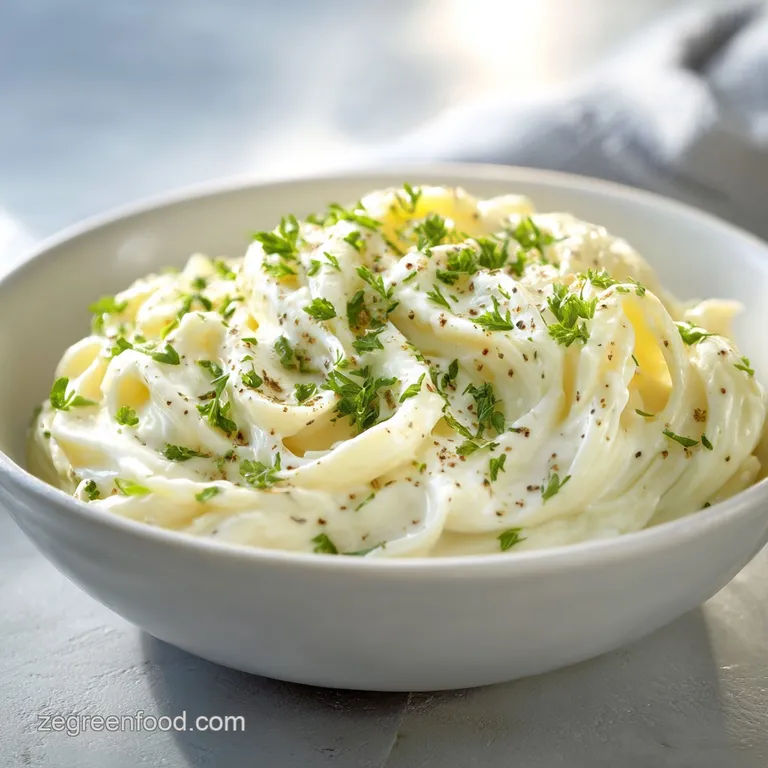
Blend on high for 2 minutes until the mixture looks like velvety molten silk. There should be zero visible grains or specs.
8. Final Heat and Adjust
Pour the sauce back into the saucepan. Warm through over low heat, adding a splash of pasta water if it seems too thick.
9. Thicken and Finish
Taste the sauce and add your black pepper. The sauce is ready when it clings to the back of a spoon without dripping off immediately.
Avoiding Common Kitchen Mistakes
Fixing a Grainy Texture
If your sauce feels a bit sandy on the tongue, it’s usually the cashews. This happens if they weren't soaked long enough or if the blender didn't run for a full two minutes. To fix it, try passing the sauce through a fine mesh sieve or simply blend it again on the highest possible setting for another minute.
Balancing the Cauliflower Flavor
Sometimes the cauliflower can be a bit "earthy." This is usually a sign that it needs a little more acid or salt. A tiny extra squeeze of lemon juice or a pinch more sea salt can brighten the whole profile, making it taste more like a traditional Alfredo Sauce. For another great pasta option, check out my Creamy Vegan Mushroom recipe.
| Problem | Root Cause | Solution |
|---|---|---|
| Thin/Watery Sauce | Too much broth added | Simmer on low to reduce or add more blended cashews |
| Bitter Aftertaste | Garlic was burned | Next time, sauté garlic for only 30-45 seconds |
| Bland Flavor | Lack of acidity | Add 1/2 teaspoon of lemon juice or apple cider vinegar |
Common Mistakes Checklist
- ✓ Soak your cashews in hot water (cold water won't soften them enough)
- ✓ Don't discard the cooking broth (it's packed with cauliflower flavor)
- ✓ Blend for longer than you think you need (silkiness takes time)
- ✓ Season with nutmeg sparingly (it's powerful and can overwhelm the dish)
- ✓ Wait to add pepper until the very end to keep the color bright white
Flavorful Variations and Ingredient Swaps
If you're feeling adventurous, this base is incredibly forgiving. Honestly, don't feel like you have to stick to the script every time.
- If you want a kick, add a teaspoon of red pepper flakes or a dash of hot sauce.
- If you want it extra "cheesy", stir in a handful of vegan parmesan at the very end.
- If you want it smoky, add half a teaspoon of smoked paprika and a drop of liquid smoke.
Adding Extra Protein
I love adding some sautéed chickpeas or smoked tofu cubes on top of the finished pasta. It gives a nice structural contrast to the velvety sauce. You could also stir in some cooked green peas for a pop of color and a bit of plant protein that the kids usually won't fight you on.
Spicing it Cajun Style
To turn this into a Cajun Alfredo, add a tablespoon of your favorite Creole seasoning to the blender. It changes the color to a beautiful orange gold and adds a heat that pairs perfectly with blackened bell peppers.
Storage and Easy Reheating Guide
This sauce keeps remarkably well in the fridge for up to 5 days. Just make sure it’s in an airtight glass jar to prevent it from picking up other fridge smells. When it cools, it will thicken significantly almost into a paste. Don't panic!
To reheat, put it in a small saucepan over medium low heat and add a tablespoon of water or broth. Whisk it constantly as it warms, and it will return to its original velvety state. You can also freeze this for up to 3 months.
I like to freeze it in silicone muffin liners so I have individual "pucks" of sauce ready for a quick lunch.
Zero Waste Tip: Don't throw away those cauliflower leaves or the very bottom of the core! You can roast the leaves with a bit of salt for a "kale chip" style snack, or toss the core into a bag in the freezer to make homemade vegetable stock later.
Serving Suggestions and Pairings
This sauce isn't just for fettuccine. While it's a classic over long noodles, I actually love it over zucchini noodles or roasted spaghetti squash for a lower carb evening. It also makes a fantastic "white pizza" base. Spread it over dough, top with spinach and mushrooms, and bake until the edges are golden.
If you are cooking for a crowd, this recipe scales up beautifully. Just remember to keep your spices like nutmeg at about 1.5x the amount rather than doubling it exactly, as those flavors can become quite sharp when scaled. Trust me, a little goes a long way with the aromatics!
Myths About Plant Based Sauces
"Vegetable sauces are always thin and watery." Actually, the starch and fiber in cauliflower act as natural thickeners that are more stable than flour based roux. Once blended, it stays thick even when reheated.
"You need heavy cream for a real Alfredo mouthfeel." The fats in cashews are chemically very similar to dairy fats in how they coat the tongue. When properly emulsified, your brain registers the same creamy satisfaction without the dairy.
"Cauliflower sauce tastes like cauliflower." When you add the right amount of garlic, nutritional yeast, and lemon, the cauliflower becomes a neutral carrier. It’s like a blank canvas that takes on whatever savory notes you give it.
Recipe FAQs
Can I use frozen cauliflower instead of fresh?
No, stick with fresh for the best texture. Frozen cauliflower releases excessive water during cooking, which makes it very difficult to achieve a truly thick, velvety sauce consistency.
How to make the sauce smooth without a high speed blender?
Soak the cashews in boiling water for a minimum of 20 minutes. Use the highest setting on your standard blender and process for 3-4 minutes, stopping to scrape down the sides halfway through to ensure no grit remains.
Is it true that the sauce will taste like vegetables if I don't use dairy?
No, this is a common misconception. The combination of toasted garlic, nutritional yeast, and nutmeg completely masks the inherent flavor of the cauliflower, creating a savory, umami rich base.
What is the best liquid to use if I don't have vegetable broth on hand?
Use plain filtered water combined with a teaspoon of white miso paste. Miso adds the necessary depth and salinity that broth usually provides, mimicking that savory foundation you need for deep flavor. If you enjoy this depth, you might also appreciate the savory balance we achieve in the Mediterranean Quinoa Bowl recipe.
How to thin the sauce if it ends up too thick after blending?
Add reserved cauliflower cooking liquid or plain pasta water, one tablespoon at a time. The starch in the pasta water helps maintain the sauce's emulsified stability while thinning it to a perfect coating consistency.
Can I substitute the cashews with sunflower seeds for a nut-free version?
Yes, sunflower seeds are a viable substitute, but expect a color shift. They will impart a slight green/yellow tint to the sauce, so you may need to increase the nutritional yeast slightly to maintain the pale white/yellow hue.
How long can I store the leftover Alfredo sauce?
Store it in an airtight container in the refrigerator for up to five days. When reheating, incorporate a splash of liquid and whisk constantly over low heat to fully revive the velvety emulsion, similar to stabilizing a vinaigrette.
Cauliflower Alfredo Sauce Recipe
Ingredients:
Instructions:
Nutrition Facts:
| Calories | 196 kcal |
|---|---|
| Protein | 8.7 g |
| Fat | 12.3 g |
| Carbs | 16.0 g |
| Fiber | 4.3 g |
| Sugar | 3.8 g |
| Sodium | 338 mg |
