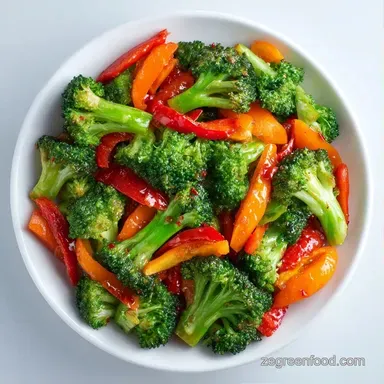
Cheap Vegetable Stir Fry: Savory and Crisp
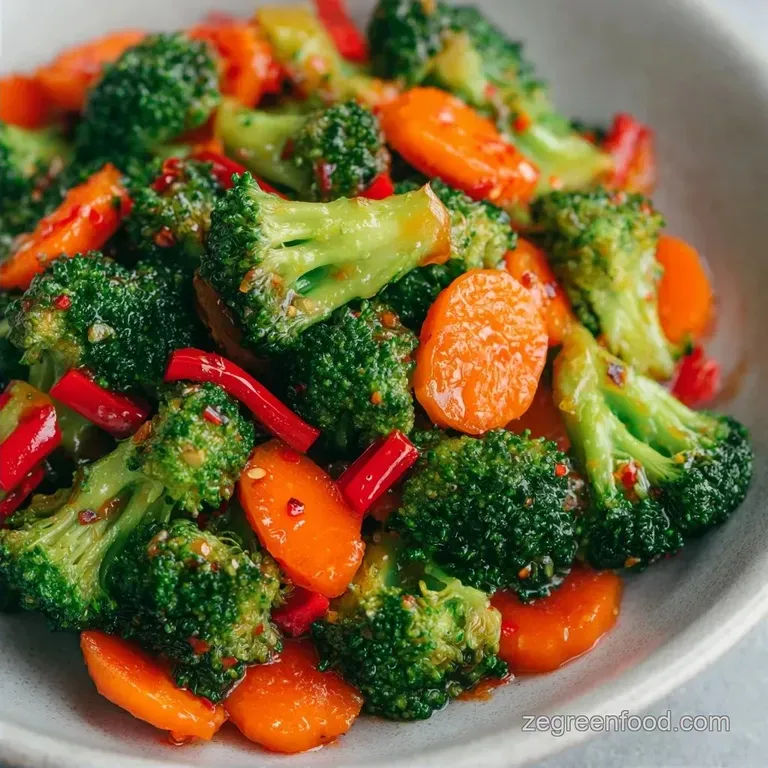
- Time: 10 min prep + 15 min cook
- Flavor/Texture Hook: Glossy, savory, and crisp tender
- Perfect for: Weeknight budget meals or quick meal prep
- Cheap Vegetable Stir Fry
- Why This Stir Fry Works
- Ingredient Deep Dive
- Ingredients for Your Pan
- Essential Kitchen Tools
- Step by Step Cooking
- Fix Common Issues
- Troubleshooting Common Issues
- Easy Flavor Tweaks
- Adjusting the Portion Size
- Kitchen Truths
- Storage and Leftovers
- Best Side Pairings
- Recipe FAQs
- 📝 Recipe Card
The sound of a hot pan and that first aggressive sizzle when the broccoli hits the oil is the best part of any kitchen session. Stir frying actually comes from the Chinese chao technique, where the goal is to cook food quickly over extreme heat.
For generations, this was the way to make a small amount of oil and a few garden vegetables stretch to feed a whole family.
It's essentially the original "clean out the fridge" meal. You take whatever is looking a bit sad in the crisper drawer, chop it up, and toss it in a pan. This Cheap Vegetable Stir Fry follows that same tradition, using basic, low cost produce that you can find at any corner store.
You can expect a dish that doesn't taste like the soggy, steamed versions from a cafeteria. We're going for charred edges and a thick, salty sweet glaze that clings to every piece of pepper and carrot. It's fast, colorful, and keeps the nutrients locked in.
Cheap Vegetable Stir Fry
The trick to getting a restaurant style result at home is managing the temperature. If the pan isn't hot enough, the vegetables release their water and boil instead of searing. I once filled a pan with too many carrots and ended up with a soggy vegetable stew.
Now, I make sure the oil shimmers before a single piece of broccoli goes in.
This recipe is one of those budget plant based dinner recipes that actually feels like a treat. By using a simple cornstarch slurry, we create a glossy coating that makes simple carrots and snap peas feel a bit more fancy.
It's the kind of meal you can throw together in 25 minutes when you're exhausted but don't want to order takeout again.
Why This Stir Fry Works
High Heat: Searing the hard vegetables first prevents them from getting mushy and creates charred flavor.
Cornstarch Slurry: The starch granules swell when heated, turning the thin liquid into a thick glaze that sticks to the produce.
Fast vs Classic Method
| Feature | Fast Method (This Recipe) | Classic Method |
|---|---|---|
| Prep Time | 10 minutes | 20-30 minutes |
| Veggie Texture | Crisp tender | Soft/Tender |
| Sauce Style | Thick glaze | Thin sauce |
| Best For | Weeknights | Slow Sunday cooking |
Ingredient Deep Dive
The goal here is to balance salt, sweetness, and aromatics. You don't need expensive oils or rare sauces to make a mixed vegetable stir fry recipe taste great.
| Ingredient | What It Does | Best Swap |
|---|---|---|
| Broccoli | Adds bulk and crunch | Cauliflower |
| Soy Sauce | Provides salt and umami | Tamari or Coconut Aminos |
| Cornstarch | Thickens the sauce | Arrowroot powder |
| Honey | Balances the salt | Maple syrup or Brown sugar |
Ingredients for Your Pan
Gather these before you turn on the heat. Everything happens fast once the oil is hot, so you won't have time to chop while you cook.
- 2 cups (300g) broccoli florets, bite sized Why this? Cheap, filling, and holds sauce well
- 2 medium (120g) carrots, thinly sliced into coins Why this? Adds sweetness and a bright orange pop
- 1 red bell pepper (150g), sliced into strips Why this? Provides a juicy, sweet contrast
- 1 cup (100g) snap peas Why this? Adds a fresh, snappy texture
- 2 cloves (6g) garlic, minced
- 1 tsp (2g) fresh ginger, grated
- 2 tbsp (30ml) vegetable oil Why this? High smoke point prevents burning
- 1/4 cup (60ml) soy sauce
- 1 tbsp (15ml) honey
- 1 tsp (5ml) toasted sesame oil Why this? Adds a nutty, toasted aroma
- 1 tsp (5ml) cornstarch
- 2 tbsp (30ml) water
Essential Kitchen Tools
You don't need a professional wok to make a Chinese stir fry vegetables recipe. A large stainless steel skillet or a cast iron pan works just as well because they hold heat effectively.
I recommend a wide spatula or tongs. You'll be moving the vegetables constantly to avoid burning, so something that lets you toss the ingredients quickly is key. A small whisk or a fork is also needed to make sure the cornstarch is fully dissolved in the sauce before it hits the pan.
Step by step Cooking
Right then, let's get into the flow. The sequence of adding vegetables is the most important part of this Cheap Vegetable Stir Fry. Harder vegetables take longer to soften, so they go in first.
- Whisk the soy sauce, honey, sesame oil, cornstarch, and water in a small bowl. Note: Stir until the cornstarch is smooth with no lumps.
- Chop all vegetables into uniform sizes so they cook evenly.
- Heat the vegetable oil over medium high heat until it shimmers.
- Add the carrots and broccoli. Sauté for 3-4 minutes until the edges look slightly charred.
- Toss in the bell peppers and snap peas. Stir fry for 2-3 minutes.
- Add the minced garlic and grated ginger. Stir for 60 seconds until the aromatics smell fragrant.
- Pour the sauce over the sizzling vegetables.
- Toss constantly for 1-2 minutes until the sauce bubbles and turns into a velvety glaze.
- Remove from heat immediately to prevent the sauce from evaporating.
Chef's Note: If you're using a very small pan, cook the vegetables in two batches. Crowding the pan lowers the temperature and makes the veggies steam instead of sear.
Fix Common Issues
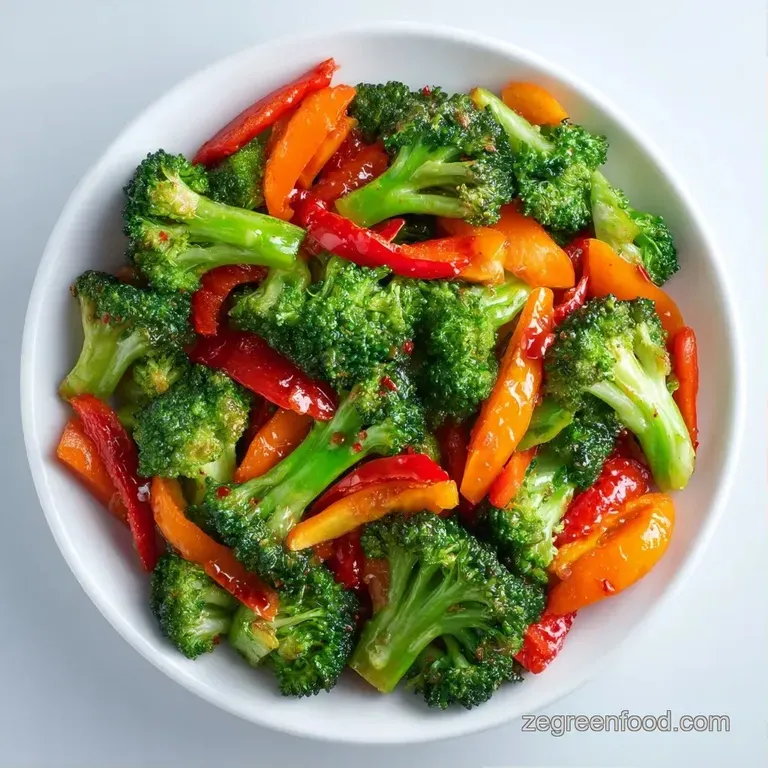
When making a Cheap Vegetable Stir Fry, the biggest enemy is moisture. If you see a pool of water at the bottom of your pan, you've likely overcrowded it or used vegetables that were still wet from washing.
Troubleshooting Common Issues
| Issue | Solution |
|---|---|
| Why Your Veggies Are Soggy | This usually happens when the pan temperature drops. When too many cold vegetables hit the oil at once, the temperature plummets, and the cells in the vegetables break down, releasing water. |
| Why Your Sauce Is Too Thin | If the sauce doesn't cling to the veggies, the cornstarch might not have been mixed well, or the pan wasn't hot enough to activate the thickening process. |
| Why Your Garlic Burnt | Garlic and ginger burn much faster than broccoli or carrots. Adding them at the very start is a common mistake that leaves the dish tasting bitter. |
Easy Flavor Tweaks
You can easily shift the profile of this recipe depending on what's in your pantry. If you want more heat, add a teaspoon of sriracha or some dried chili flakes to the sauce. For a more savory, earthy taste, swap the honey for a bit of hoisin sauce.
If you're looking to add a budget protein, tofu is a great choice. I've found that adding Stir Fried Tofu with Peanut Sauce elements, like extra peanuts or a splash of peanut butter, works brilliantly with this vegetable mix.
For the Budget Veggie Mix
Don't feel locked into the list. Cabbage, sliced zucchini, or frozen peas are all cheap vegetable stir fry sauce compatible options. Just remember to add them according to their hardness. Cabbage goes in with the carrots, while zucchini goes in with the peppers.
For the Cheap Vegetable Stir Fry Sauce
To make it more "takeout style," add a teaspoon of rice vinegar for a bit of tang. If you don't have honey, sugar or maple syrup works just fine. The goal is just to balance the salt of the soy sauce.
Adjusting the Portion Size
Scaling a Cheap Vegetable Stir Fry is straightforward, but you can't just multiply everything linearly if you're using the same pan.
Scaling Down (1/2 portion): Use a smaller skillet to keep the oil depth consistent. You can reduce the cooking time by about 20% since there's less mass in the pan to cool down the oil.
Scaling Up (2x or 4x portion): This is where people mess up. Do not put four times the vegetables in one pan. You must work in batches. Sauté the broccoli and carrots, remove them, then do the peppers and peas. Combine everything at the end when adding the sauce.
For the sauce, increase the soy and honey to 1.5x rather than 2x first, then taste and add more if needed.
Kitchen Truths
Some people say you need a seasoned carbon steel wok to get a real stir fry. That's just not true. Any heavy bottomed pan that can handle medium high heat will get the job done.
Another common myth is that you need to blanch your broccoli in boiling water first. This is actually counterproductive for this recipe. Pre boiling adds too much moisture and removes the snap. As long as you cut the florets into bite sized pieces, they'll cook through in 4 minutes.
Storage and Leftovers
This dish stays good in the fridge for 3-4 days in an airtight container. To reheat, I recommend using a skillet over medium heat with a tiny splash of water. This loosens the sauce back up without overcooking the vegetables.
Avoid freezing stir fry. The cell walls of the peppers and snap peas break down during freezing and thawing, leaving you with a mushy mess once reheated.
For zero waste, don't throw away the carrot peels or the broccoli stems. Peel the stems with a vegetable peeler, slice them thin, and toss them right into the pan with the carrots. They have a great crunch and are packed with flavor.
You can also save the vegetable scraps in a freezer bag to make a homemade stock later.
Best Side Pairings
While this is a healthy vegetable stir fry on its own, it's usually served over a grain. Steamed jasmine rice is the traditional choice because it absorbs the extra sauce. If you want something a bit more hearty, toss the finished vegetables with some thick udon or rice noodles.
For a fresh contrast, a cold side works well. My Famous Chickpea Salad Recipe provides a creamy, zesty balance to the salty and charred notes of the stir fry. It turns a simple meal into a full spread.
Recipe FAQs
Is stir fry ok for diabetics?
Yes, but monitor the honey. The high fiber content from the broccoli and carrots helps balance the sugars, but you can adjust the honey amount to fit your dietary needs.
How to make a simple vegetable stir fry?
Whisk the sauce ingredients together, then sauté carrots and broccoli over medium high heat. Add the remaining vegetables, finish with garlic and ginger, and stir in the sauce until it becomes a glossy glaze.
Can you eat stir fry with high cholesterol?
Yes, as it uses heart healthy vegetable oil. This recipe focuses on fresh produce and unsaturated fats, making it a cholesterol friendly plant based meal.
What vegetable is best for a stir fry?
Broccoli, carrots, bell peppers, and snap peas are ideal. These specific vegetables maintain a tender crisp texture and vibrant color without releasing excess water in the pan.
What are some vegan recipes on a budget?
Focus on seasonal vegetables and soy-based pantry staples. For another affordable plant based meal, try our vegan pasta salad which uses similarly low-cost ingredients.
How do I get the glossy texture of a Chinese vegetable stir fry?
Whisk cornstarch into the soy sauce before adding it to the pan. The high heat activates the cornstarch, transforming the liquid into a velvety glaze that clings to the vegetables.
Can I freeze this vegetable stir fry for later?
No, avoid freezing. The cell walls of the bell peppers and snap peas break down during the freezing and thawing process, leaving the vegetables mushy.
Cheap Vegetable Stir Fry