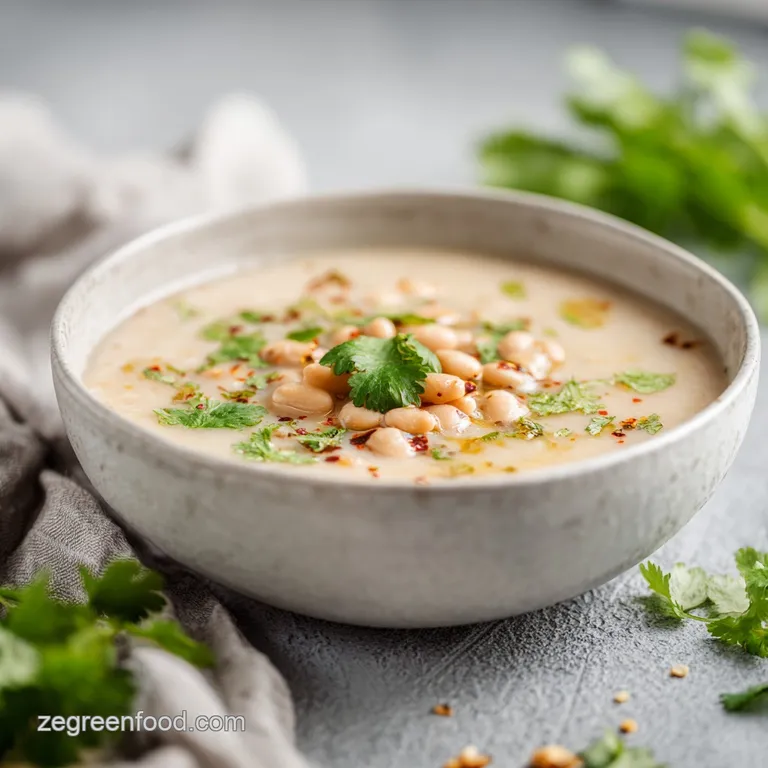
Creamy White Bean Soup: Silky and Nourishing
- Time: Active 10 minutes, Passive 20 minutes, Total 30 minutes
- Flavor/Texture Hook: Earthy, herbal aromatics paired with a silky, bean thickened broth and tender greens
- Perfect for: A restorative weeknight dinner when you need comfort in a hurry
- The Comforting Soul of an Easy White Bean Soup
- The Trick to Instant Creaminess
- Component Analysis for Bean Soup
- Essential Components for a Hearty Pot
- Tools for the Perfect Texture
- Step-by-Step Guide to Silky Soup
- Fixing Common Soup Textures Fast
- Simple Adjustments for Different Batches
- Myths About Cooking With Canned Beans
- Storing Your Leftovers for Later
- Best Sides for Dipping and Topping
- Recipe FAQs
- 📝 Recipe Card
The Comforting Soul of an Easy White Bean Soup
The kitchen is currently filled with the scent of dried rosemary and sautéing onions, a smell that always reminds me of my grandmother's Sunday lunches. There is a specific sizzle that happens when the carrots and celery hit the hot olive oil, a sound that promises something truly grounding is on the way.
I remember the first time I made this for my family on a Tuesday when everyone was exhausted, and the way the house went quiet as soon as the bowls hit the table. It is one of those rare dishes that feels like a warm hug in a bowl, requiring very little effort but delivering a huge amount of satisfaction.
We often think that deep, complex flavors require hours of simmering or expensive ingredients, but that is simply not the case here. This easy white bean soup is a masterclass in how to use humble canned beans and a few fresh vegetables to build a meal that feels intentional and wholesome.
It is a plant based favorite in our house because it is incredibly filling while remaining light enough that you do not feel weighed down after eating. You are looking for that specific moment when the kale just begins to wilt into the hot broth, turning a vibrant green against the creamy backdrop of the beans.
Right then, let's talk about what we are actually doing here. We are not just boiling beans in water. We are creating layers of flavor, starting with a classic Italian style soffritto and finishing with a bright hit of lemon that wakes everything up.
If you have ever had a bean soup that felt flat or boring, I can almost guarantee it was missing that final hit of acidity or the correct aromatic base. We are going to fix that today and make sure your kitchen smells like a Tuscan villa by the time we are done.
The Trick to Instant Creaminess
Starch Mechanical Release: When we crush a portion of the beans against the side of the pot, we release the internal starches which act as a natural thickener for the vegetable broth. This creates a velvety mouthfeel without the need for dairy or flour based thickeners.
Fat Soluble Bloom: Sautéing the dried rosemary and thyme in the olive oil with the aromatics allows the essential oils in the herbs to "bloom" or dissolve into the fat.
This distributes the herbal flavor more evenly throughout the entire pot of soup than if they were just dropped into the liquid later.
Acidity Balance Bridge: The addition of fresh lemon juice at the very end breaks the surface tension of the heavy bean starches. It acts as a bridge that connects the earthy flavors of the beans with the bright, grassy notes of the fresh kale.
Low Sodium Control: By using low sodium broth and canned beans that have been rinsed, we maintain total control over the seasoning. This allows the natural sweetness of the carrots and onions to shine through rather than being masked by excessive salt.
| Cook Method | Total Time | Texture Outcome | Best For |
|---|---|---|---|
| Stovetop (Classic) | 30 minutes | Velvety with whole beans | Standard weeknight meals |
| Instant Pot | 15 minutes | Very soft, almost stew like | Absolute maximum speed |
| Slow Cooker | 4 hours | Deeply infused, very tender | Hands off weekend prep |
This comparison shows that while the stovetop is our preferred method for controlling the texture of the kale and the "smash" of the beans, other methods work well if you are multitasking. If you find yourself craving something with a different protein profile, you might consider how a side of crispy tofu could add a nice textural contrast to the meal.
Component Analysis for Bean Soup
| Ingredient | Science Role | Pro Secret |
|---|---|---|
| Cannellini Beans | Provides the structural body and creaminess through high starch content. | Rinse them thoroughly to remove the metallic "can" taste and excess sodium. |
| Mirepoix (Onion/Carrot/Celery) | The sugar and sulfur compounds create the "umami" foundation of the soup. | Cut them into uniform, small pieces so they soften at the exact same rate. |
| Fresh Kale | Adds fiber, bitterness to balance the fat, and a necessary textural chew. | Remove the tough center ribs completely to avoid "woody" bites in the soup. |
The interaction between the beans and the broth is the most important part of this dish. As the beans simmer, they absorb the seasoned liquid, becoming little flavor bombs themselves. If you love the way these textures work together, you would likely enjoy the silkiness of a creamy tomato soup which uses similar principles of blending and seasoning to achieve a rich result.
Essential Components for a Hearty Pot
To get this easy white bean soup exactly right, you need to be specific about your choices. I always reach for Cannellini beans because they have a thinner skin and a creamier interior than Great Northern beans.
- 2 tbsp Extra virgin olive oil: Why this? Provides the fat base to carry the herbal flavors throughout the broth.
- Substitute: Avocado oil or any neutral over high heat oil.
- 1 medium yellow onion, finely diced: Why this? Adds a necessary sweetness and depth as it caramelizes slightly.
- Substitute: A large leek (white and light green parts only).
- 2 carrots, peeled and diced: Why this? Brings color and a subtle earthy sweetness to the base.
- Substitute: Parsnips for a more peppery, spicy undertone.
- 2 celery stalks, diced: Why this? Part of the classic aromatic trinity for a balanced savory profile.
- Substitute: A small fennel bulb for a hint of anise.
- 4 cloves garlic, minced: Why this? Provides the punchy, savory backbone that white beans require.
- Substitute: 1 tsp garlic powder added with the broth (if you're in a pinch).
- 1 tsp dried rosemary: Why this? A classic Mediterranean pairing with beans that adds piney notes.
- Substitute: Fresh rosemary, finely minced (use double the amount).
- 1 tsp dried thyme: Why this? Adds a floral, earthy layer that complements the rosemary.
- Substitute: Dried oregano for a more "pizza herb" flavor profile.
- 3 cans (15 oz each) Cannellini beans: Why this? They are the creamiest of the white bean family.
- Substitute: Navy beans or Great Northern beans.
- 4 cups Low sodium vegetable broth: Why this? Keeps the dish plant based while allowing you to control the salt.
- Substitute: Chicken broth or even water with extra salt and herbs.
- 1 bay leaf: Why this? Adds a subtle, tea like depth that you notice more if it is missing.
- Substitute: Dried sage leaf for a more wintery feel.
- 1 tsp Sea salt: Why this? Brightens the flavors of the vegetables and the beans.
- Substitute: Kosher salt (you may need a bit more by volume).
- 0.5 tsp Black pepper: Why this? Adds a gentle heat that sits at the back of the throat.
- Substitute: White pepper for a more subtle heat and cleaner look.
- 2 cups Fresh kale, chopped: Why this? Sturdy enough to hold up in the hot liquid without turning to mush.
- Substitute: Fresh baby spinach or Swiss chard.
- 1 tbsp Fresh lemon juice: Why this? The final "key" that unlocks all the other flavors.
- Substitute: A teaspoon of apple cider vinegar or white wine vinegar.
Tools for the Perfect Texture
You do not need a kitchen full of gadgets, but a heavy bottomed pot like a Dutch oven is your best friend here. It holds heat beautifully, ensuring that your mirepoix softens without burning. A standard 5 or 6 liter pot works perfectly for this volume.
You will also need a sharp chef's knife for the dicing. Since we want the vegetables to melt into the soup, small, uniform cuts are actually important. If the carrots are huge and the onions are tiny, one will be crunchy while the other disappears.
Consistency is the secret to that "restaurant quality" feel in a home kitchen.
Finally,, have a potato masher or a sturdy wooden spoon on hand. This is for that critical step of smashing a portion of the beans. If you have an immersion blender, that is even better for a super smooth result, but honestly, I usually prefer the rustic texture that comes from just using a masher.
It leaves some whole beans for contrast, which I find more satisfying.
step-by-step Guide to Silky Soup
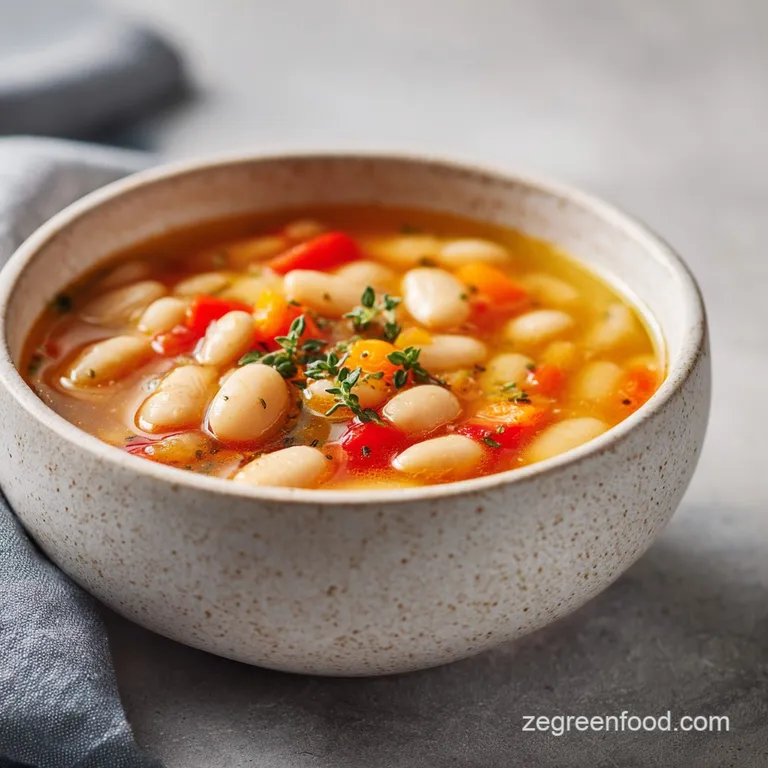
- Heat the olive oil in a large Dutch oven over medium heat. Add the onion, carrots, and celery. Sauté for 6–8 minutes until the onions are translucent and the carrots have softened slightly. Note: This builds the foundational sweetness of the soup.
- Stir in the garlic, rosemary, and thyme, cooking for another 60 seconds until the aroma is strong and fragrant.
- Pour in the drained beans and the vegetable broth. Add the bay leaf, salt, and pepper. Bring the mixture to a rapid simmer until large bubbles break the surface.
- Reduce the heat to low and bubble gently for 10–12 minutes until the beans look plump and the liquid has slightly reduced.
- Using a potato masher, press down on about 1/3 of the beans directly in the pot to release starches. Note: This is the moment the soup transforms from watery to velvety.
- If using an immersion blender instead, pulse 3-4 times briefly until the desired creamy consistency is reached.
- Stir in the chopped kale and let it wilt in the hot soup for 2-3 minutes until the leaves are tender but still vibrant green.
- Remove the pot from the heat and stir in the fresh lemon juice.
- Taste the soup and add an extra pinch of salt if needed. Note: The lemon often makes the existing salt taste more pronounced.
- Remove the bay leaf before ladling into deep bowls.
Fixing Common Soup Textures Fast
Your Soup Is Too Thin
This usually happens if the broth was not simmered long enough or if the beans were particularly firm. It can also happen if you skip the smashing step. A watery bean soup is a sad thing, but it is incredibly easy to fix.
If your soup looks more like "beans in water" than a cohesive dish, take another minute with your masher. Really get in there and crush more of those beans. If that still does not do the trick, you can take a cup of the soup out, blend it completely in a standard blender, and stir it back in.
The result will be an instant thickening that does not change the flavor.
| Problem | Root Cause | Solution |
|---|---|---|
| Bitter aftertaste | Kale was overcooked or stems were included. | Add a tiny pinch of sugar and more lemon juice. |
| Beans are tough | Beans were not simmered long enough or broth was too acidic early on. | Simmer for an extra 5-10 minutes before adding kale. |
| Soup tastes bland | Not enough salt or missing the final acid (lemon). | Add salt in small increments and double the lemon juice. |
Common Mistakes Checklist
- ✓ Rinse your beans thoroughly under cold water to remove the "tinny" liquid from the can.
- ✓ Do not add the lemon juice until the very end, as heat can turn the juice bitter.
- ✓ Take the time to dice the vegetables small; they provide the texture in every spoonful.
- ✓ Ensure the kale is de stemmed, as the stems take much longer to cook than the leaves.
- ✓ Don't overcrowd the pot when sautéing; the vegetables should soften, not steam.
Simple Adjustments for Different Batches
If you find yourself cooking for a smaller crowd, this recipe halves beautifully. You will just want to use a smaller pot to ensure the liquid covers the beans sufficiently. When halving, reduce the cook time by about 5 minutes as the smaller volume will heat up and soften much faster.
If you only have half an egg (for other recipes), you would beat it and use half, but here, just use two cans of beans instead of three and reduce the broth to 2.5 cups.
For those times when you are feeding the whole neighborhood, doubling the recipe is straightforward. Use a large stockpot and keep the spices to about 1.5 times the original amount first, then taste and adjust. Spices can become overwhelming when doubled literally.
You will also need to extend the sautéing time for the vegetables by about 4 minutes since there is more moisture to cook off.
| Goal | Adjustment | Effect |
|---|---|---|
| Extra Creamy | Replace 1 cup broth with coconut milk | Adds a rich, tropical silkiness. |
| More Hearty | Add 1 cup cooked quinoa or ditalini pasta | Turns the soup into a thick, stew like meal. |
| Spicy Kick | Add 1/2 tsp red pepper flakes with the garlic | Provides a lingering warmth to every bite. |
Myths About Cooking With Canned Beans
One of the biggest misconceptions is that canned beans are somehow "less than" dried beans. While dried beans have a slightly better texture and are more cost effective, high-quality canned beans are a fantastic shortcut that makes healthy eating accessible.
The nutritional profile remains largely the same, and when seasoned correctly, most people cannot tell the difference in a soup.
Another common myth is that you should use the liquid from the can to thicken the soup. I strongly advise against this. The "aquafaba" in the can often contains a lot of metallic tasting preservatives and excess sodium.
You get a much cleaner, fresher flavor by rinsing the beans and creating your own thickener by smashing them in fresh vegetable broth.
Finally, some people think that you cannot overcook kale in a soup. While kale is much heartier than spinach, it can still turn into a slimy, gray mess if boiled for twenty minutes. Adding it at the very end for just 2-3 minutes keeps the color bright and the texture pleasant.
Storing Your Leftovers for Later
This soup actually tastes better the next day as the herbs have more time to infuse into the beans. You can keep it in the fridge in an airtight container for up to 4 days. When reheating, you might find that the soup has thickened significantly as the beans continue to release starch.
Just splash in a little extra water or broth to bring it back to your preferred consistency.
For long term storage, this is a fantastic freezer meal. It will stay fresh for up to 3 months. I recommend freezing it in individual portions so you can grab a quick lunch whenever you need it. Just be aware that the kale might lose some of its vibrant color after freezing, though the taste will remain excellent.
To reduce waste, save your kale stems! You can finely mince them and sauté them right along with the carrots and onions. They add a nice crunch and ensure you are using the whole vegetable. If you have any leftover parmesan rinds in your fridge, toss one into the pot while the soup simmers.
It adds a deep, salty umami that takes the whole dish to another level, even while keeping the dish vegetarian friendly (depending on the cheese).
Best Sides for Dipping and Topping
No bowl of easy white bean soup is complete without a piece of crusty bread. I love toasted sourdough rubbed with a raw garlic clove and drizzled with a bit of high-quality olive oil. It is the perfect vessel for soaking up the creamy broth at the bottom of the bowl.
If you are looking for something more substantial, a simple side salad with a lemon vinaigrette complements the earthy tones of the beans perfectly.
For toppings, think about contrast. A sprinkle of vegan parmesan or a handful of toasted pine nuts adds a wonderful crunch. If you are not strictly vegan, a dollop of Greek yogurt or a swirl of pesto on top can add a creamy richness that is hard to beat.
I have even been known to top this with some crispy fried leeks when I am feeling particularly fancy and want to impress guests.
Finally, consider the presentation. Using wide, shallow bowls makes the vibrant green of the kale stand out against the pale beans. A final crack of fresh black pepper and a tiny drizzle of your best olive oil right before serving makes the dish look like it came straight out of a professional kitchen.
It is these small, thoughtful touches that turn a simple 30 minute meal into a family favorite. Enjoy the process of building those flavor layers, and remember that the best cooking often comes from the simplest ingredients.

Recipe FAQs
How to achieve a creamier texture without using heavy cream?
Use a potato masher to crush about one-third of the beans directly in the pot. This releases natural starches into the broth, creating a silky mouthfeel; if you enjoyed this thickening technique, see how we apply similar starch based principles in our Roasted Veggie Grain Bowl.
Is it true I should use the liquid from the canned beans for more flavor?
No, this is a common misconception. You should always rinse your beans thoroughly under cold water to remove the metallic "tinny" taste from the canning liquid.
How to prevent the soup from becoming too thin?
Simmer the mixture properly after adding the broth. Allowing the soup to bubble gently for the full 10 12 minutes helps the flavors meld and the liquid reduce slightly to your desired consistency.
Can I store this soup in the freezer?
Yes, it freezes exceptionally well for up to 3 months. I recommend freezing it in individual portions so you can easily grab a quick lunch on busy days.
How to keep the lemon juice from turning bitter?
Stir in the fresh lemon juice only after removing the pot from the heat. Adding acid while the soup is still boiling can degrade the bright flavor and introduce unwanted bitterness.
How to properly prep the kale for this recipe?
Remove the tough stems entirely before chopping the leaves. The stems take significantly longer to soften than the delicate leaves and can ruin the texture of an otherwise smooth soup.
Is it necessary to sauté the vegetables for the full 6-8 minutes?
Yes, this step is essential for building the foundational sweetness. Cooking the onions until translucent and softening the carrots ensures the vegetables don't remain crunchy in the finished broth.
Creamy White Bean Soup

Ingredients:
Instructions:
Nutrition Facts:
| Calories | 302 kcal |
|---|---|
| Protein | 15.2 g |
| Fat | 7.8 g |
| Carbs | 43.8 g |
| Fiber | 10.4 g |
| Sugar | 4.1 g |
| Sodium | 685 mg |
