Easy Saucy Ramen Noodles: a Vegan Recipe
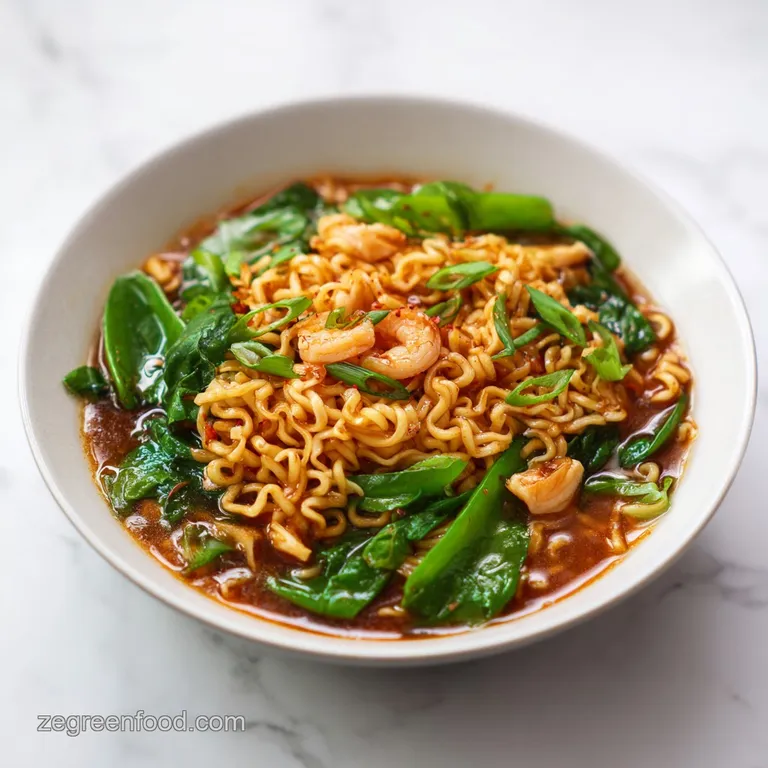
- Time: Active 5 minutes, Passive 10 minutes, Total 15 minutes
- Flavor/Texture Hook: Savory mahogany glaze with a velvety, mouth coating finish
- Perfect for: Stressful weeknights, budget conscious meal prepping, or late night cravings
- Why You'll Love This easy saucy ramen noodles vegan recipe
- These Specs Ensure the Perfect Bowl
- The Building Blocks of Umami
- Equipment Needed for Sizzling Success
- Key Steps to Noodle Perfection
- Pro Tips & Pitfalls to Watch For
- Make It Your Own with These Variations
- Preservation Secrets for Leftover Noodles
- Presentation Tips for a Visual Feast
- CRITICAL (🚨) in Sodium
- Recipe FAQs
- 📝 Recipe Card
Why You'll Love This easy saucy ramen noodles vegan recipe
The first time I really understood the power of a good sauce was a rainy Tuesday when I had exactly four euros in my bank account and a half empty bottle of soy sauce. I remember the hiss of the pan as the garlic hit the oil, the sharp, peppery scent of fresh ginger filling my tiny kitchen, and that moment of pure magic when a thin, watery liquid suddenly transformed into a thick, clingy glaze.
There’s something deeply therapeutic about watching noodles swirl around in a mahogany sauce until every single strand is perfectly coated. You don't need expensive ingredients to feel like you're eating something luxurious, and honestly, this dish proves that the "cheap" ramen blocks from the back of the pantry are actually a canvas for greatness.
We’ve all been there, staring at a packet of instant noodles and feeling a bit uninspired by the little silver salt bomb flavor packet. This recipe is the ultimate glow up for those noodles.
It’s fast, it’s remarkably cheap to put together, and it hits every single flavor note our brains crave: salt, heat, sweetness, and that deep umami tang. We’re moving away from watery soups and leaning hard into a "saucy" texture that feels substantial and satisfying.
You’ll find that the combination of maple syrup and sriracha creates a balanced heat that doesn't burn but rather warms you up from the inside out.
What I love most about this specific version is how forgiving it is. If you’re like me and sometimes lose track of time while scrolling on your phone, the rinsing step I’ve included is your safety net.
It stops the noodles from turning into a gummy mess, ensuring they stay bouncy and "al dente" even after they hit the hot skillet for the second time. It’s a reliable, punchy, and vibrantly colorful meal that looks much more expensive than it actually is.
Let’s get into the details of why this actually works so well every single time.
How the Sauce Clings to Every Strand
Most people struggle with homemade sauces because they end up at the bottom of the bowl rather than on the noodles. The secret here is using a tiny bit of cornstarch combined with the starchy water from the noodles themselves to create a bridge between the fat (sesame oil) and the liquid (soy sauce).
This creates a stable emulsion that acts like a magnet for the noodle surface.
The Power of Temperature Control
By sautéing the aromatics at a medium heat, we draw out the essential oils in the garlic and ginger without burning them. If you go too hot too fast, the garlic turns bitter, but at medium heat, it mellows into a sweet, nutty base that seasons the entire skillet before the liquid even touches the pan.
| Premium Ingredient | Budget Alternative | Flavor Impact | Savings |
|---|---|---|---|
| Fresh Ginger (1 inch) | Ground Ginger (1/2 tsp) | Slightly less zingy but still warm | Save $1.50 |
| Maple Syrup (1 tbsp) | Brown Sugar (1 tbsp) | More caramel notes, less floral | Save $0.50 |
| Toasted Sesame Oil | Vegetable Oil + Drop of Peanut Butter | Loses the smoky aroma but adds fat | Save $2.00 |
Choosing a budget alternative doesn't mean you're sacrificing the soul of the dish. While fresh ginger offers a sharp, bright bite that cuts through the salt, ground ginger provides a consistent warmth that works beautifully in a pinch.
Using brown sugar instead of maple syrup is a classic pantry raid move that actually helps with the caramelization process, giving the noodles a slightly more "charred" flavor if you let them sit in the pan for an extra minute.
These Specs Ensure the Perfect Bowl
When we talk about making a 15 minute meal, every second counts. I’ve timed this repeatedly to make sure the prep and the cooking happen in a logical flow. You shouldn't be chopping while the noodles are overcooking; you should have your aromatics ready to hit the pan the moment those noodles are drained.
This is a high speed operation, but it’s one that yields high reward results without the need for a professional kitchen setup.
The texture here is what we’re aiming for not a soup, not a dry stir fry, but something in that glorious middle ground where the noodles are "slippery." If you use a standard stovetop, you'll get a more even thickening of the sauce compared to an oven based noodle bake which tends to dry out the edges.
| Feature | Stovetop Method | Oven Method |
|---|---|---|
| Total Cook Time | 10 minutes | 25 minutes |
| Noodle Texture | Bouncy and slippery | Crispy on top, soft inside |
| Sauce Consistency | Velvety and thick | Absorbed and concentrated |
The stovetop is truly the king for this specific recipe. It allows you to toss the noodles manually, which is essential for ensuring that every millimeter of the ramen is bathed in that dark, glossy sauce.
While an oven might give you those "crispy bits," it often leads to the cornstarch over thickening and becoming tacky rather than velvety.
The Building Blocks of Umami
The real hero of this recipe is the dark soy sauce. While many people just grab whatever "soy sauce" is on the shelf, the distinction between light (or low sodium) and dark soy sauce is what separates a mediocre stir fry from a restaurant style masterpiece.
Dark soy sauce is aged longer, often with added molasses, making it thicker, less salty, and incredibly dark. It’s responsible for that deep, mahogany color that makes the noodles look so appetizing. Without it, your noodles will look pale and anemic, even if they taste okay.
The ginger and garlic act as the aromatic backbone. I always suggest grating the ginger rather than mincing it; this allows the juices to release fully, effectively "infusing" the oil rather than just sitting in it as little chunks.
It creates a more cohesive flavor profile where the ginger is felt in every bite rather than encountered in occasional spicy bursts.
| Ingredient | Science Role | Pro Secret |
|---|---|---|
| Cornstarch (1 tsp) | Thickening agent | Whisk into cold liquid first to prevent "flour lumps." |
| Rice Vinegar (1 tsp) | Acid balance | Cuts through the heavy salt and sugar to brighten the palate. |
| Maple Syrup (1 tbsp) | Caramelization | Helps the sauce "grip" the noodle through sugar bonding. |
Ramen noodles themselves are alkaline, which is why they have that specific yellowish tint and a chewy, resilient texture. When they meet the acidity of the rice vinegar and the sugars in the maple syrup, a beautiful balance is struck.
The starch on the surface of the noodles, if not washed away entirely, helps the sauce bind. This is why we reserve a little bit of that starchy water it’s "liquid gold" for sauce consistency.
Equipment Needed for Sizzling Success
You don't need a fancy wok to make these easy saucy ramen noodles vegan recipe staples, although if you have one, now is the time to break it out. A large non stick skillet or a cast iron pan works just as well. The key is surface area.
You want enough room to toss the noodles without them bunching up into a ball, which prevents the sauce from coating them evenly.
- Medium Pot: For boiling the 4 cups of water.
- Large Skillet or Wok: To provide enough room for tossing.
- Kitchen Tongs: These are non negotiable for me. They allow you to lift and swirl the noodles much better than a spoon or spatula.
- Small Whisk: For ensuring the cornstarch is perfectly dissolved in the sauce mixture.
- Fine Grater: For that 1 inch piece of ginger and the 3 cloves of garlic.
Chef's Note: If you're using a cast iron skillet, make sure it’s well preheated. The heat retention of cast iron helps the sauce bubble and thicken almost instantly when it hits the metal, giving you a beautiful "sear" on the aromatics.
Key Steps to Noodle Perfection
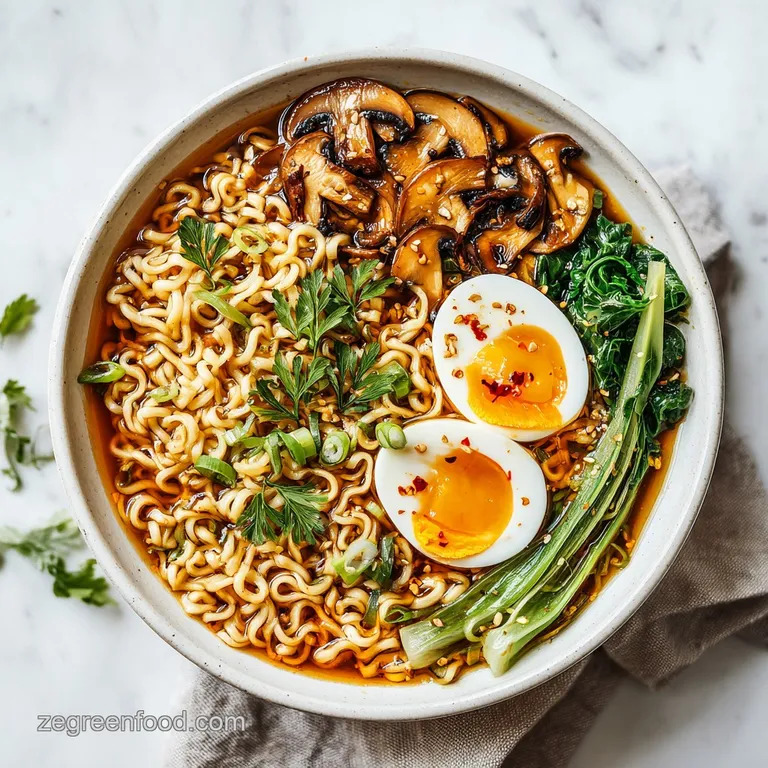
Success in this recipe depends on the "par boil." Most people overcook their ramen in the water, forgetting that the noodles will continue to cook when they hit the hot sauce in the skillet. By pulling them out 1 minute early, you leave "room" for them to absorb the sauce without becoming mushy.
This is the difference between a professional looking dish and a bowl of soggy dough.
- Boil the base. Bring 4 cups of water to a rolling boil in your pot. Add the 2 blocks of ramen and set a timer. Cook for exactly 1 minute less than the package instructions.
- Save the starch. Before draining, dip a measuring cup into the pot and grab 1/4 cup of that cloudy, starchy noodle water.
- The cold shock. Drain the noodles and immediately rinse them under cold running water. This "shocks" the starch and stops the cooking process instantly.
- Whisk the glaze. In a small bowl, combine the 3 tbsp low sodium soy sauce, 1 tbsp dark soy sauce, 1 tbsp maple syrup, 1 tsp sriracha, 1 tsp rice vinegar, and 1 tsp cornstarch. Whisk until the white cornstarch streaks disappear.
- Infuse the oil. Heat 1 tbsp toasted sesame oil in your skillet over medium heat. Add the 3 cloves of minced garlic, grated ginger, and the white parts of the 2 sliced scallions.
- Sizzle and scent. Sauté the aromatics for 60-90 seconds. You’re looking for them to become fragrant and just barely golden don't let them go brown or they'll turn bitter.
- Thicken the sauce. Pour the whisked sauce into the skillet. It will start to bubble immediately. Stir constantly for about 30 seconds until it looks glossy.
- Adjust the flow. Slowly pour in your reserved noodle water while stirring. This thins the sauce back out into a velvety consistency that is perfect for coating.
- The final marriage. Add the cold noodles to the skillet. Use your tongs to toss them vigorously, lifting them up and letting them fall back into the sauce.
- Garnish and serve. Once the noodles are hot and mahogany colored, kill the heat. Top with the scallion greens and 1 tsp toasted sesame seeds.
Pro Tips & Pitfalls to Watch For
The most common mistake I see people make with an easy saucy ramen noodles vegan recipe is overcrowding the pan. If you double this recipe (which is tempting!), make sure you use your largest pan.
If the noodles are piled too high, they’ll steam instead of sear, and the sauce will struggle to reach the strands in the middle. I’ve made this mistake more times than I care to admit, resulting in "clumps" of dry noodles hidden inside a saucy exterior.
Another thing to keep an eye on is the "garlic burn." Because the garlic is minced or grated small, it has a very high surface area and can burn in seconds if the pan is too hot. If you see the garlic turning dark brown, pull the pan off the heat immediately and add a splash of the sauce to cool it down.
Why Your Noodles Might Be Mushy
If your noodles lack that "snap," it's usually because the initial boil was too long. Ramen blocks are thin and porous; they absorb water at an incredible rate. Even 30 seconds too long in the pot can ruin the texture.
Always aim for "underdone" in the water; the residual heat in the skillet will do the rest of the work.
The Problem with Subbing Standard Soy
If you try to use only low sodium soy sauce without the dark soy sauce, the flavor will be there, but the "soul" of the sauce will feel thin. The dark soy sauce provides a viscosity that helps the sauce hang onto the noodles.
If you can't find dark soy, you can simulate it by simmering your regular soy sauce with a pinch of brown sugar until it reduces slightly.
| Problem | Root Cause | Solution |
|---|---|---|
| Sauce is too thick/pasty | Too much cornstarch or over reduction | Whisk in a tablespoon of water or veggie broth to loosen. |
| Noodles are sticking together | Not rinsed well enough after boiling | Rinse thoroughly in cold water until the water runs clear. |
| Dish is too salty | Using regular soy instead of low sodium | Add an extra teaspoon of maple syrup or a squeeze of lime. |
Common Mistakes Checklist: - ✓ Always whisk the cornstarch into cold or room temp liquid; never add it directly to a hot pan or it will clump. - ✓ Use "low sodium" soy sauce as the base. Standard soy sauce combined with ramen (which is already salty) can be overwhelming.
- ✓ Don't skip the ginger. It provides the "high notes" that balance the deep, earthy "low notes" of the sesame oil. - ✓ Pat your aromatics dry if they are wet from washing; water in the oil causes splattering and prevents proper sautéing. - ✓ Use tongs, not a spoon.
Tongs allow you to "aerate" the noodles as you toss, which helps the sauce distribute evenly.
Make It Your Own with These Variations
While this recipe is perfect as a standalone quick meal, it’s also a fantastic "fridge clearer." I often find myself throwing in whatever is wilting in my crisper drawer. The sauce is robust enough to handle extra additions without losing its identity. If you're looking for something with a different flavor profile entirely, you might enjoy my Vegan Mie Goreng recipe, which uses a similar noodle base but leans into Indonesian spices and sweet soy sauce.
The "Crisper Drawer" Sweep
You can easily add thinly sliced bell peppers, shredded carrots, or even some frozen peas to this dish. Add them into the skillet right after the aromatics but before the sauce. Sauté them for 2-3 minutes until they are "crisp tender." This adds bulk and nutrition without significantly increasing the cook time.
The Protein Boost
To make this a more substantial dinner, I love adding pan-fried tofu cubes or even some edamame. If using tofu, fry it separately first until it's crispy on the outside, then toss it in at the very end with the noodles.
The sauce will coat the tofu beautifully, making it taste like something you'd get at a high end vegan bistro.
- - If you want it spicier
- Double the sriracha or add a teaspoon of red chili flakes to the oil with the garlic.
- - If you want it crunchier
- Add a handful of crushed roasted peanuts or cashews as a final garnish.
- - If you want it "fresher"
- Add a squeeze of fresh lime juice and some chopped cilantro right before serving.
Preservation Secrets for Leftover Noodles
I’ll be honest with you ramen is always best served immediately. The noodles tend to continue absorbing liquid as they sit, which means leftovers can become a bit drier and softer than the original dish. However, if you do have leftovers, they are still quite savory the next day. This is a common trait of many vegan noodle dishes, which can often be repurposed or enjoyed cold.
- Fridge: Store in an airtight container for up to 3 days.
- Freezer: I don't recommend freezing this dish. The texture of ramen noodles changes significantly when frozen and thawed, often becoming grainy or mushy.
- Reheating: To revive the "sauciness," add a splash of water or vegetable broth before reheating in a skillet over medium low heat. This helps loosen the sauce and prevents the noodles from sticking to the pan.
- Zero Waste Tip: If you have leftover scallion ends, don't throw them away! Place the white root ends in a small jar of water on your windowsill. They will regrow in about a week, giving you a perpetual supply of fresh garnish for your next bowl.
Presentation Tips for a Visual Feast
We eat with our eyes first, especially when it comes to simple dishes like this. Because the noodles are so dark, you want to use garnishes that provide a high contrast. The bright green of the scallion tops and the white/black contrast of the sesame seeds make the dish pop.
I like to serve these in a deep, wide bowl. Instead of just dumping the noodles in, try using your tongs to "twirl" them into a tall nest in the center of the bowl. This creates height and makes the portion look more generous.
If you have some chili oil drizzled around the edges, it adds a professional "chef y" touch that looks incredible in photos.
Finally, don't underestimate the power of a good bowl. A dark ceramic bowl makes the mahogany glaze look even richer, while a white porcelain bowl makes the colors of the scallions and sriracha stand out. It’s a simple meal, but with a little bit of care in the plating, it feels like a genuine occasion.
Trust me, once you see that steam rising off a perfectly twirled nest of glossy noodles, you'll forget all about the fact that they came from a humble dry block.
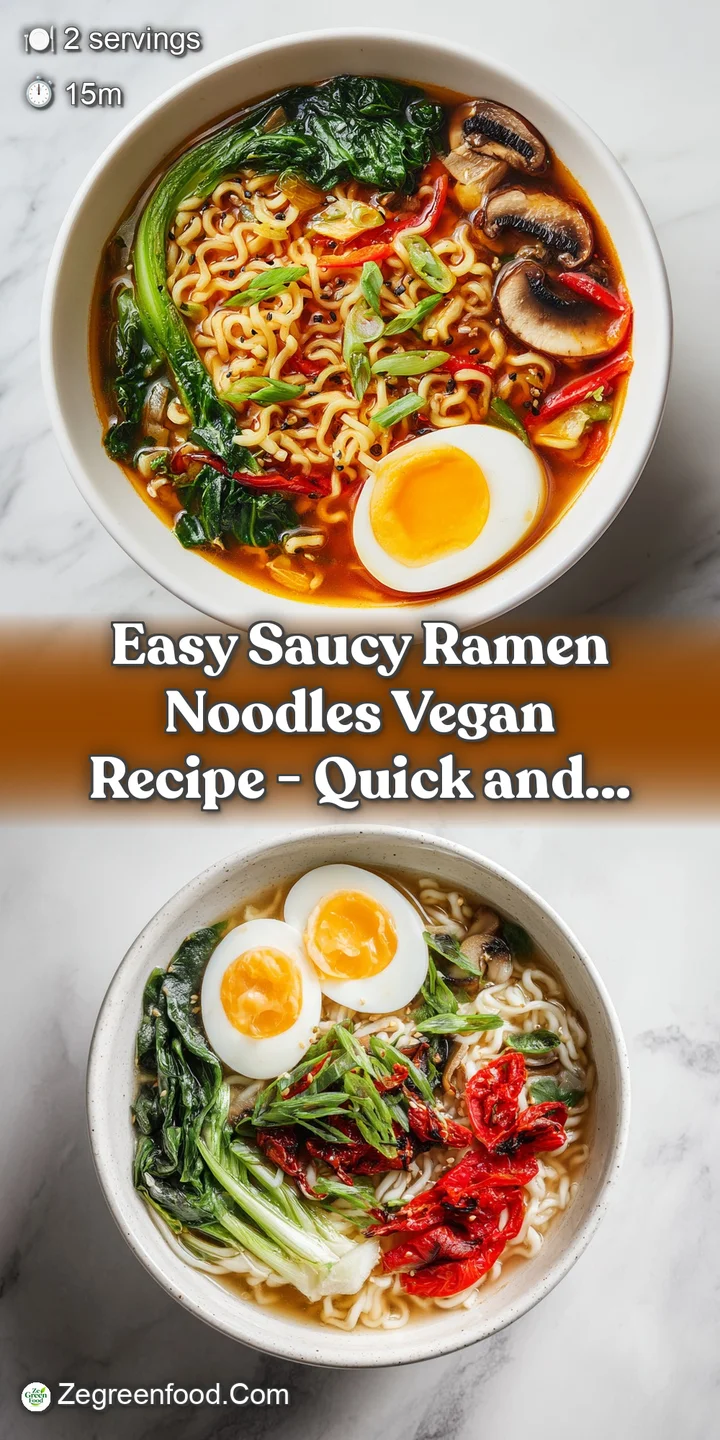
CRITICAL (🚨) in Sodium
1740 mg 1740 mg (76% 76%)
The American Heart Association recommends limiting sodium intake to no more than 2,300mg per day, ideally aiming for about 1,500mg for most adults.
Tips to Reduce Sodium
-
Ramen Noodle Packet-30%
The dry ramen noodles themselves often contain a high amount of sodium. Look for 'low sodium' or 'no salt added' ramen noodle options, or consider using plain rice noodles instead.
-
Soy Sauce-20%
Soy sauce is a major sodium contributor. Use 2 tbsp of low-sodium soy sauce and omit the dark soy sauce entirely. The dark soy sauce often has a higher sodium content and less distinct flavor.
-
Flavor Boosters
Enhance flavor without salt by using a generous amount of fresh ingredients like garlic and ginger. Add extra minced garlic and grated ginger to build a savory base.
-
Sriracha-10%
While sriracha adds heat, some brands can be high in sodium. Choose a low-sodium sriracha option or use it more sparingly.
-
Herbs and Spices
Utilize a variety of herbs and spices to add depth of flavor. Experiment with black pepper, chili flakes, or dried mushrooms to create complex taste profiles.
Recipe FAQs
How to make instant ramen saucy?
Whisk a cornstarch slurry directly into your liquid seasonings. By combining your soy sauces, maple syrup, sriracha, and rice vinegar with cornstarch before hitting the heat, you create a thick, mahogany glaze that clings to the noodles rather than pooling at the bottom of the bowl.
What to do with ramen noodles vegan?
Transform them using a savory, aromatic glaze. Sauté minced garlic, grated ginger, and scallion whites in sesame oil, then stir in your sauce mixture until it bubbles and thickens into a velvety coating. If you mastered the velvety texture technique here, you can apply similar starch thickening principles to other noodle soups.
Can Ckd patients eat ramen noodles?
Consult your medical professional regarding dietary restrictions. Instant ramen typically contains high levels of sodium and phosphorus additives which may not align with specific kidney health management plans.
Can I eat ramen with high blood pressure?
Proceed with extreme caution due to high sodium content. Traditional instant ramen noodles and their associated flavor packets are exceptionally high in salt, which can negatively impact blood pressure levels; always prioritize low-sodium alternatives and check with your doctor.
Why is my noodle sauce not thickening?
Ensure the starch has fully dissolved and reached a steady bubble. If the sauce remains watery, whisk the cornstarch thoroughly into the cold liquids before heating, and ensure your skillet temperature is at a medium heat to trigger the thickening process.
How to prevent ramen from becoming mushy?
Cook the noodles for exactly one minute less than the package instructions. Immediately drain and rinse them under cold water to halt the cooking process, which keeps the texture firm enough to hold up when tossed in the skillet.
How to ensure noodles are evenly coated?
Use kitchen tongs to lift and toss the noodles repeatedly. Adding a small amount of reserved starchy noodle water helps create a smooth consistency, allowing the glaze to spread evenly across every strand in the skillet.
Easy Vegan Saucy Ramen
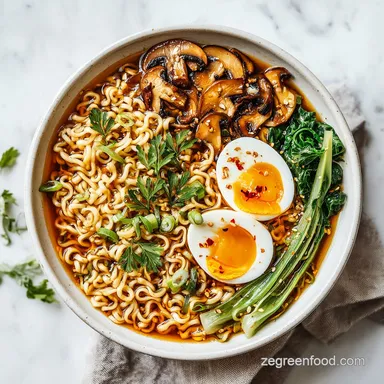
Ingredients:
Instructions:
Nutrition Facts:
| Calories | 512 kcal |
|---|---|
| Protein | 11.6 g |
| Fat | 22.8 g |
| Carbs | 64.5 g |
| Fiber | 3.2 g |
| Sugar | 8.4 g |
| Sodium | 1740 mg |
