Kale Pineapple Smoothie for Inflammation
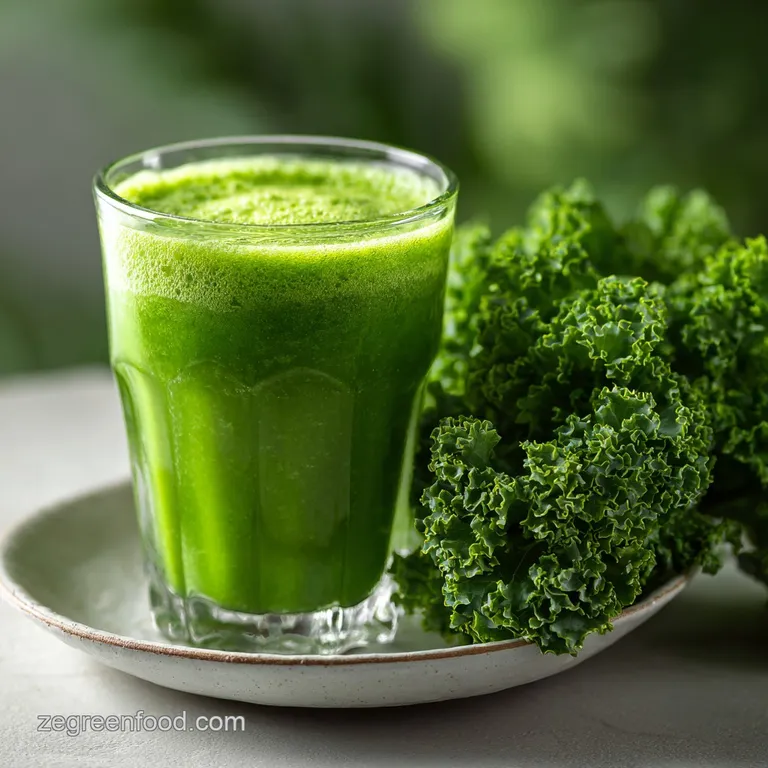
- Time: Active 5 minutes, Passive 0 minutes, Total 5 minutes
- Flavor/Texture Hook: A velvety, tropical slush with a sharp ginger bite.
- Perfect for: Post workout recovery or a morning biological reset.
- Crafting the Ultimate Kale Pineapple Smoothie for Inflammation
- The Cellular Mechanics of Raw Functional Nutrition
- Precision Measurements for Optimal Nutrient Density Ratios
- The Component Analysis of Anti Inflammatory Superfoods
- Tools Required for High Speed Micro Nutrient Emulsification
- Systematic Integration for a Velvety Smooth Texture
- Resolving Texture Imbalances and Optimizing Flavor Profiles
- Functional Adaptations for Targeted Health Performance Goals
- The Low Sugar Weight Loss Version
- Preserving Bioactive Compounds through Strategic Cold Storage
- Synergistic Pairings for a Complete Nutritional Protocol
- Debunking Functional Nutrition Myths
- Recipe FAQs
- 📝 Recipe Card
Crafting the Ultimate Kale Pineapple Smoothie for Inflammation
The first sip isn't just cold; it's a sharp prickle of fresh ginger followed by a velvet smooth wash of tropical sweetness. I remember waking up last Tuesday with that familiar, heavy stiffness in my knees after a weekend mountain trek.
I didn't want a heavy breakfast or a handful of pills; I wanted a biological intervention that actually tasted like a vacation.
We've all been there trying to choke down a "healthy" green drink that feels like drinking a lawn. But after experimenting with cellular nutrient density, I realized the secret isn't just adding greens; it's about the chemical marriage of ingredients.
When you hit the right ratio of 1.5 cups fresh kale to 1.5 cups frozen pineapple, the fruit’s acidity completely neutralizes the kale's bitter earthiness. It’s not just a drink; it's functional nutrition designed to help you move better.
The Cellular Mechanics of Raw Functional Nutrition
The Piperine Curcumin Transport Mechanism
Black pepper’s piperine inhibits the metabolic pathway that normally flushes turmeric, increasing curcumin's bioavailability by 2,000%. This ensures the kale pineapple smoothie for inflammation actually reaches your systemic circulation.
- Enzymatic Breakdown: Bromelain in the 1.5 cups of pineapple acts as a proteolytic enzyme, assisting in protein digestion and reducing tissue swelling.
- Cellular Hydration: The 1 cup of coconut water provides a potassium to sodium ratio that mimics human plasma, speeding up nutrient transport to depleted cells.
- Glucosinolate Activation: Raw kale contains myrosinase, an enzyme that converts glucosinolates into anti inflammatory compounds, which are often destroyed by heat.
| Method | Enzyme Retention | Nutrient Bioavailability | Best Application |
|---|---|---|---|
| Raw Blend | 100% (High) | Maximum | Immediate inflammatory relief |
| Light Steam | 40% (Low) | Moderate | Digestive sensitivity cases |
| Sauté/Cook | 5% (Trace) | Low | General fiber intake only |
This kale and pineapple smoothie benefits from being kept entirely raw. While some people prefer steamed greens to reduce oxalates, the raw enzymes like bromelain are heat sensitive and will denature if exposed to temperatures above 118°F. For those focused on a Detox Green Smoothie recipe, maintaining this thermal integrity is the priority.
Precision Measurements for Optimal Nutrient Density Ratios
| Component | Biological Role | Pro Secret |
|---|---|---|
| Fresh Kale | Vitamin K1 Source | Freeze leaves for 20 minutes to shatter cell walls for a smoother texture. |
| Frozen Pineapple | Bromelain Catalyst | Use the core; it contains the highest concentration of anti inflammatory enzymes. |
| Fresh Ginger | Gingerol Delivery | Grate it with the skin on to preserve the concentrated oils found just beneath the surface. |
The Component Analysis of Anti Inflammatory Superfoods
For this protocol to work, we need to be specific about our inputs. This isn't a "throw whatever in the blender" situation. We are looking for a kale banana smoothie recipe base that supports joint health and muscle recovery.
- 1.5 cups fresh kale: Stems removed and packed tightly. Why this? Rich in lutein and zeaxanthin for cellular protection.
- 1.5 cups frozen pineapple chunks: Natural sweetness. Why this? Provides the acid needed to cut through kale’s oxalic acid.
- 1 teaspoon fresh ginger: Grated finely. Why this? Blocks the production of pro inflammatory cytokines.
- 0.5 medium banana: Frozen. Why this? Acts as an emulsifier for a velvety mouthfeel.
- 1 cup unsweetened coconut water: The liquid base. Why this? Isotonic minerals for rapid electrolyte replacement.
- 1 tablespoon hemp hearts: Omega fatty acids. Why this? Provides the fat required to absorb fat soluble Vitamin K.
- 1 pinch black pepper: The activator. Why this? Essential for making the turmeric functional.
- 1 pinch turmeric: The star compound. Why this? Contains curcumin, the primary anti inflammatory agent.
| Original Ingredient | Substitute | Why It Works |
|---|---|---|
| Fresh Kale | Baby Spinach | Provides similar chlorophyll but with a much milder flavor profile. |
| Coconut Water | Maple Water | Lower sugar but contains high levels of manganese for bone health. |
| Hemp Hearts | Chia Seeds | High Omega-3 content. Note: Will thicken the smoothie significantly if left to sit. |
If you enjoy the golden hues and earthy undertones of this drink, you might also like the Tropical Mango Turmeric recipe which uses a similar spice profile to optimize your health.
Tools Required for High Speed Micro Nutrient Emulsification
To achieve a texture that isn't "chewy," a high speed blender (like a Vitamix or Ninja) is non negotiable. The high RPMs are necessary to pulverize the fibrous kale cell walls into a velvety liquid. If using a standard blender, you must double your blending time.
Chef's Tip: Always place your liquid and spices at the bottom. This creates a vortex that pulls the frozen pineapple and kale down into the blades, preventing "air pockets" that stall the motor.
Systematic Integration for a Velvety Smooth Texture
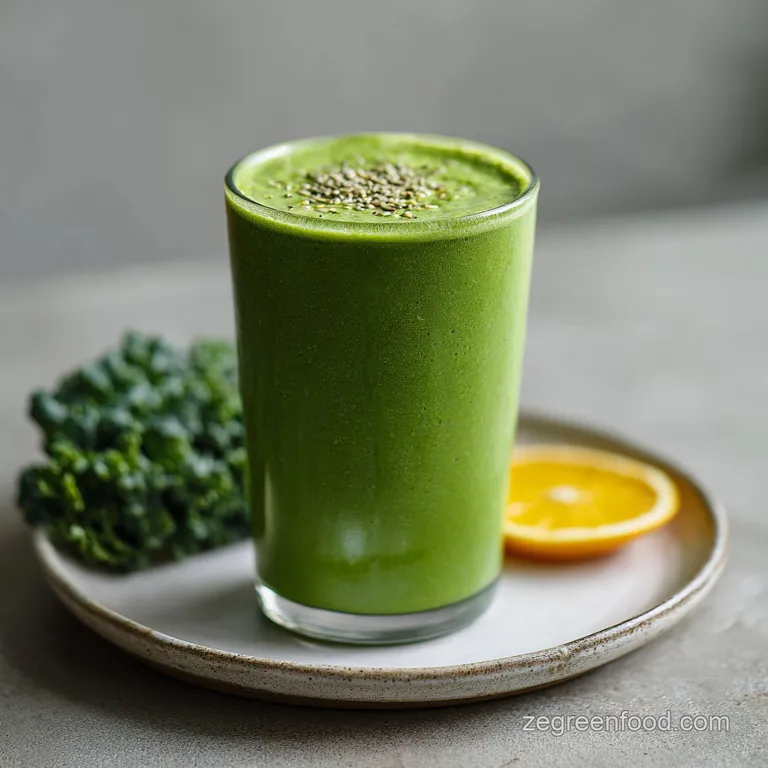
- Prep the kale. Remove the tough center ribs and pack the leaves into a 1.5 cup measuring cup.
- Grate the ginger. Use a microplane to get 1 teaspoon of fresh ginger paste.
- Layer the base. Pour 1 cup of coconut water into the blender jar.
- Add the activators. Drop in the turmeric, black pepper, and 1 tablespoon of hemp hearts. Note: This ensures spices are evenly distributed.
- Add the emulsifier. Toss in the 0.5 frozen banana.
- Load the greens. Add the 1.5 cups of kale on top of the liquid.
- Top with ice fruit. Add the 1.5 cups of frozen pineapple chunks last.
- Start on low. Turn the blender to its lowest setting to break up the frozen chunks.
- Ramp to high. Increase speed to maximum for 45 to 60 seconds until the liquid is a uniform, vibrant emerald green.
- Check the texture. Look for any floating green flecks; blend for another 15 seconds if visible.
Resolving Texture Imbalances and Optimizing Flavor Profiles
Why Your Smoothie Feels "Gritty"
This is almost always due to the kale's cellulose. If your blender isn't breaking it down, the kale pineapple smoothie for inflammation recipe will feel like drinking sand. You can fix this by blending the kale and coconut water alone first for 30 seconds before adding other ingredients.
Balancing an Overly "Earthy" Taste
If the kale is particularly bitter (usually older leaves), the drink can taste like dirt. The remedy is acid, not sugar. A squeeze of fresh lime juice can neutralize those bitter alkaloids instantly. This kale banana smoothie recipe relies on the pineapple's acidity, but a backup acid helps.
| Problem | Root Cause | Solution |
|---|---|---|
| Separating | low-fat content | Add 1/2 teaspoon of coconut oil or avocado. |
| Too Bitter | Old kale stems | Ensure all stems are removed; add 1 tsp lemon juice. |
| Too Thin | Not enough frozen fruit | Add 3-4 ice cubes made of coconut water. |
Common Mistakes Checklist
- ✓ Using room temperature pineapple (this leads to a lukewarm, unappealing texture).
- ✓ Leaving the kale stems in (they contain "woody" fibers that never fully blend).
- ✓ Skipping the black pepper (without it, the turmeric is mostly decorative).
- ✓ Over blending for minutes (the friction from the blades can heat the enzymes).
- ✓ Using sweetened coconut water (this spikes insulin and counteracts the weight loss benefits).
Functional Adaptations for Targeted Health Performance Goals
For those using a kale pineapple smoothie weight loss strategy, try replacing the banana with 1/4 of a medium avocado. This maintains the creaminess while significantly lowering the glycemic load and adding monounsaturated fats.
If you are looking for a Mixed Berry Smoothie recipe alternative, you can swap the pineapple for blueberries. Blueberries contain anthocyanins which offer a different pathway for inflammation reduction, though you lose the specific bromelain benefits.
For a Tropical Protein Boost
Add 20g of unflavored collagen peptides. Collagen is rich in glycine, an amino acid that further supports gut lining health and joint repair without altering the flavor profile.
The Low Sugar Weight Loss Version
For a lower calorie kale pineapple banana smoothie benefits profile, reduce the pineapple to 0.5 cups and add 1 cup of frozen cucumber. You maintain the volume and the "slushie" texture while cutting about 15g of sugar.
Preserving Bioactive Compounds through Strategic Cold Storage
- Fridge
- Keep in a glass mason jar filled to the very brim (to exclude oxygen) for up to 24 hours. Shake vigorously before drinking.
- Freezer
- Pour the mixture into silicone muffin liners. When ready to drink, pop two "pucks" back into the blender with a splash of coconut water. This keeps for 2 months.
- Zero Waste
- Don't toss the kale stems! Freeze them in a separate bag and use them later for a vegetable broth base or a savory green soup.
Synergistic Pairings for a Complete Nutritional Protocol
This smoothie is a fantastic standalone recovery tool, but it works even better when paired with other whole foods. Avoid pairing it with processed grains, which can trigger the very inflammation you're trying to quench.
- Hard Boiled Eggs: The choline and protein provide a sustained energy release.
- Walnuts: A handful of raw walnuts adds more Omega-3s, which work alongside the hemp hearts.
- Chia Pudding: If you need more fiber, a side of chia pudding helps slow down the natural sugars from the pineapple and banana.
Debunking Functional Nutrition Myths
Myth: "Kale is toxic because of thallium." Truth: While kale can absorb trace minerals from soil, you would need to consume pounds of raw kale daily for months to reach concerning levels. The 1.5 cups in this recipe provides a safe, dense dose of micronutrients.
Myth: "Smoothies are just sugar bombs." Truth: By keeping the fiber from the kale and hemp hearts intact, we slow the absorption of the sugars from the pineapple. This prevents the insulin spike associated with fruit juices.
Myth: "Turmeric needs to be cooked to work." Truth: While heat can help dissolve curcumin in fats, the raw combination of turmeric + piperine (pepper) + healthy fats (hemp hearts) is highly effective for systemic absorption without damaging other heat sensitive vitamins.
Recipe FAQs
What smoothie is best for anti inflammatory?
Kale and pineapple with turmeric and black pepper. This combination leverages bromelain from the pineapple to reduce swelling and piperine from pepper to activate curcumin for systemic relief.
Is kale and pineapple juice good for you?
Yes, when blended, not juiced. Juicing removes the essential fiber needed to slow sugar absorption and maximize nutrient retention.
Does pineapple juice help inflammation?
Yes, specifically the whole fruit is better. Pineapple contains bromelain, an enzyme that digests inflammatory proteins; blending it retains this enzyme, unlike pasteurized juices.
Is it OK to drink a kale smoothie every day?
Yes, for most healthy adults. This recipe is nutrient dense, but if you have thyroid issues, moderate consumption and ensure you balance it with cooked vegetables during the week.
What is the secret ingredient that makes this anti inflammatory smoothie effective?
Black pepper. It contains piperine, which dramatically increases the bioavailability of the turmeric's curcumin, allowing the anti inflammatory compounds to actually reach your system.
How do I make the texture velvety and not gritty when blending raw kale?
Blend the kale and liquid first for 30 seconds. This breaks down the tough cellulose before adding frozen items, preventing chunky remnants and ensuring a smoother result, similar to how we manage dough consistency in the Vegan Stuffed Peppers recipe.
Can I substitute banana with something lower in sugar?
Yes, use half an avocado. Avocado provides the necessary healthy fats and creaminess for texture without spiking blood sugar levels significantly.
Kale Pineapple Inflammation Smoothie
Ingredients:
Instructions:
Nutrition Facts:
| Calories | 298 kcal |
|---|---|
| Protein | 8.3 g |
| Fat | 6.1 g |
| Carbs | 57.2 g |
| Fiber | 9.4 g |
| Sugar | 31.8 g |
| Sodium | 264 mg |
