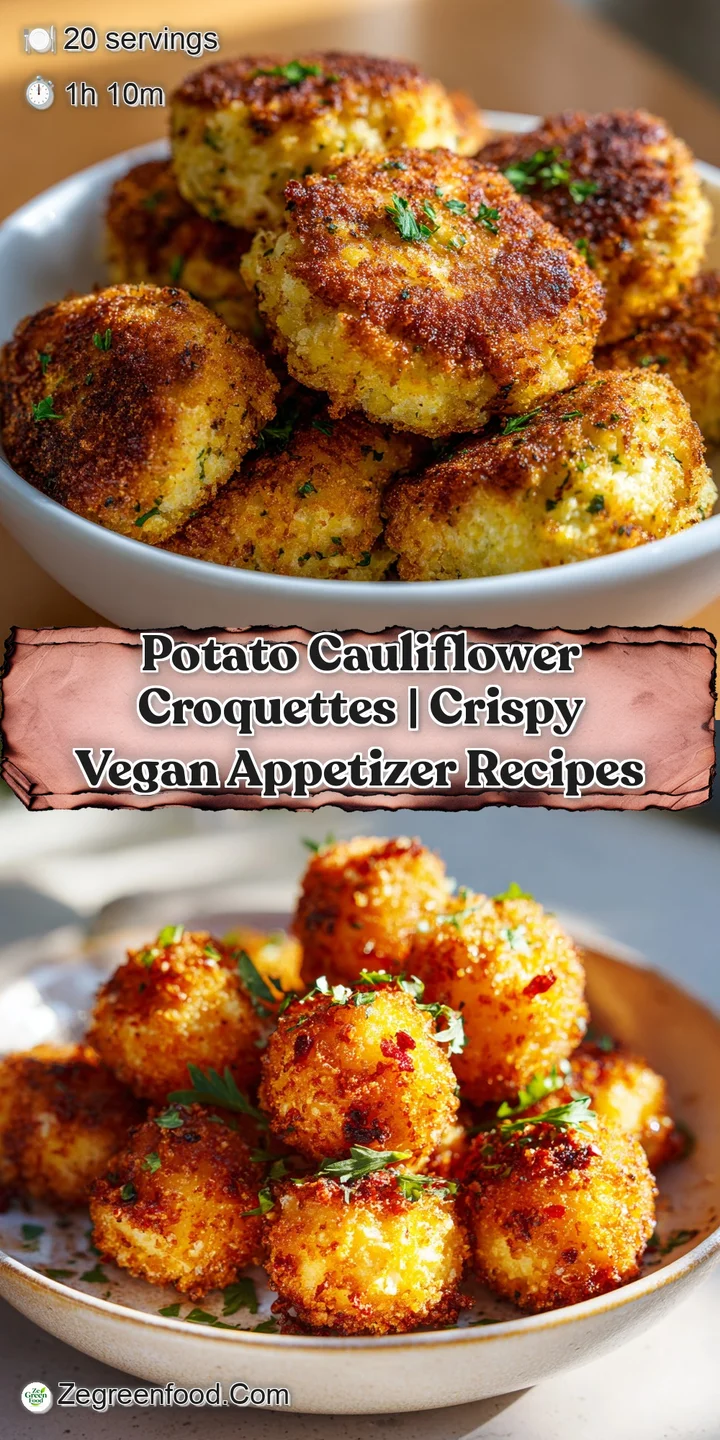
Potato Cauliflower Croquettes: Crispy and Savory
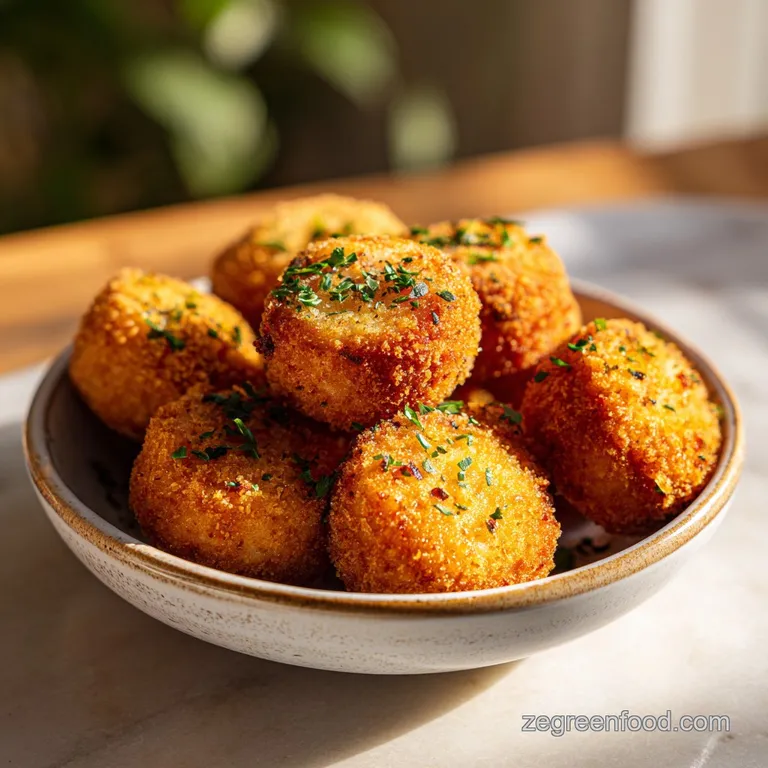
- Time: Active 30 minutes, Passive 40 minutes, Total 70 minutes
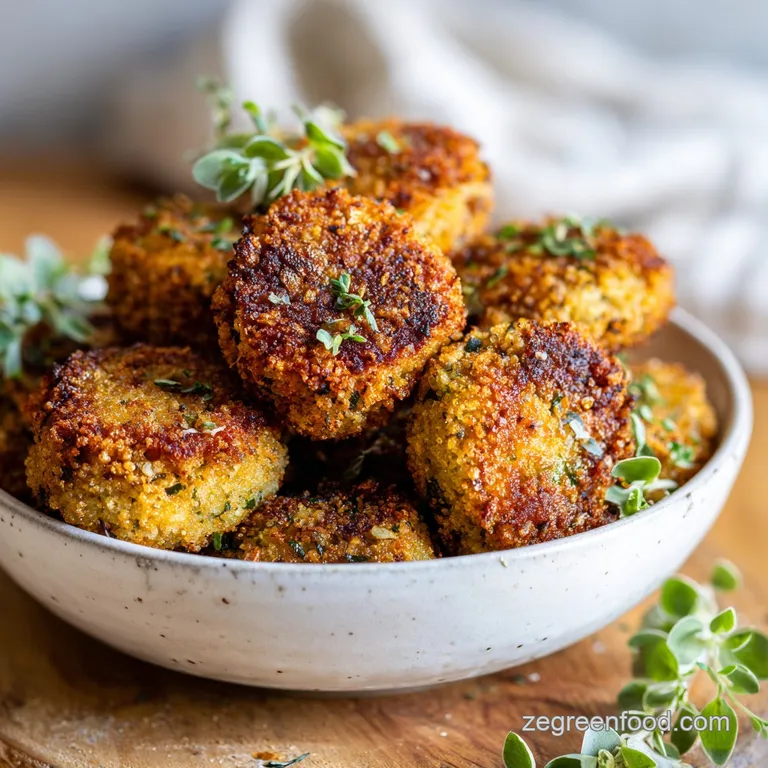
- Flavor/Texture Hook: Shatter crisp panko shell with a velvety, garlic infused vegetable center
- Perfect for: Healthy family appetizers, plant based party snacks, or meal prep side dishes
- Mastering Potato Cauliflower Croquettes
- The Logic of Shatter Crusted Snacks
- Exact Specs for Successful Baking
- Sourcing the Best Plant Elements
- Essential Gear for Great Results
- Crafting Your Crispy Vegetable Bites
- Solving Common Structural Problems
- Exploring Creative Flavor Variations
- Keeping Bites Crispy and Fresh
- Ideal Pairings for Your Feast
- Recipe FAQs
- 📝 Recipe Card
Mastering Potato Cauliflower Croquettes
Have you ever wondered why some vegetable appetizers feel like a sad, soggy pile of mush while others have that satisfying, audible crunch that makes everyone at the table stop talking?
I used to think it was all about the deep fryer, but I found out the hard way that you can actually get a better result in the oven if you understand how water behaves inside a vegetable. My first attempt at these was a disaster, honestly.
I boiled the cauliflower along with the potatoes, mashed them together, and ended up with what I can only describe as "potato soup in a breadcrumb jacket" that fell apart the second it hit the heat.
That rainy Tuesday afternoon taught me a valuable lesson about the contrast between steam and dry heat. The magic happens when you treat the two main ingredients differently to respect their individual personalities.
We want the potatoes to be the fluffy, starchy "glue" and the cauliflower to provide the nutty, charred flavor profile. When you pull these out of the oven and hear that first crackle as you break one open, you'll see exactly what I mean.
The aroma of smoked paprika and roasted garlic starts drifting through the kitchen about halfway through the bake, and it’s usually the signal for my family to start hovering around the baking sheet like hungry hawks.
We are going for a specific sensory experience here: a shatter crisp exterior that gives way to a velvety, savory interior. These aren't just for the plant based crowd, either. I've served these at neighborhood gatherings where the most dedicated meat and potatoes fans were asking for the recipe before the first tray was even empty.
It’s all about building layers of flavor and managing the moisture so the structural integrity holds up from the first bite to the last. Let’s get into how we actually make that happen without any complicated kitchen gadgetry.
The Logic of Shatter Crusted Snacks
The reason these Potato Cauliflower Croquettes actually hold their shape while remaining incredibly light comes down to how we manage the starches and the cellular structure of the vegetables.
- Moisture Evaporation: Roasting the cauliflower at 400°F (200°C) instead of boiling it removes excess water, which prevents the filling from becoming a liquid mess during the final bake.
- Starch Gelatinization: Boiling the Russet potatoes in their skins or large chunks allows the starch granules to swell and burst, creating a natural binder that holds the cauliflower florets in place without needing heavy flour.
- Retrogradation: Chilling the mixture for 1 hour allows the potato starches to realign and firm up, which is the secret to getting a clean shape that doesn't slump in the oven.
- Aquafaba Emulsification: Whisking the chickpea liquid until frothy creates a sticky, protein rich layer that acts as a bridge between the smooth potato surface and the jagged panko crumbs.
| Cooking Method | Time | Texture Result | Best For |
|---|---|---|---|
| Oven Baking | 40 minutes | Uniformly crisp and light | Large batches & low oil |
| Stovetop Frying | 15 minutes | Deeply golden and rich | Small batches & maximum indulgence |
| Air Frying | 20 minutes | Extra crunchy edges | Quick snacks for 2-4 people |
Choosing between these methods usually depends on how much time you have and how many people you are feeding. I personally love the oven method because it allows the heat to circulate evenly around all 20 croquettes at once, giving you that consistent "snap" in every single bite. If you’re looking for a similar texture in a different format, you might find my Potato Corn Fritters interesting, as they use a similar starch binding technique but with a pan sear approach.
Exact Specs for Successful Baking
When we talk about getting the perfect "browned" look, we are looking for very specific visual and temporal markers. Following these checkpoints ensures you aren't guessing whether the middle is hot or the outside is crisp enough.
| Component | Measurement | Science Role | Pro Secret |
|---|---|---|---|
| Russet Potatoes | 1 lb | Structural base | Steam dry them for 2 minutes after boiling to remove surface water. |
| Cauliflower | 1 lb | Texture & Flavor | Cut into tiny, pea sized florets so they distribute evenly in the mash. |
| Aquafaba | 1/2 cup | Binding Agent | Whisk until it looks like soapy foam; this creates a "glue" for the panko. |
| Panko Crumbs | 1.5 cups | External Crunch | Mix with a tiny bit of oil or onion powder for a more complex flavor profile. |
Taking the time to measure your vegetables by weight rather than by "one large head" makes a huge difference. Cauliflower heads vary wildly in size, and if you have too much cauliflower relative to the potato, the croquettes will crumble. If you have too much potato, they can feel a bit heavy.
Sticking to the 1:1 ratio by weight is the sweet spot I’ve found after many kitchen experiments.
Sourcing the Best Plant Elements
For this recipe, we want to focus on high starch potatoes and fresh, tight curded cauliflower. The Russet is the king of the croquette world because its low moisture and high starch content lead to a mealy, fluffy texture that absorbs the flavors of the garlic and paprika beautifully.
- 1 lb Russet potatoes: Look for firm ones with no green spots. Why this? High starch content ensures the croquettes hold their shape without becoming gummy.
- 1 lb cauliflower: A medium head should suffice. Why this? Provides a nutty contrast to the mild potato and adds essential bulk.
- 2 tbsp extra virgin olive oil: Use a good quality oil. Why this? Facilitates the roasting process and helps the cauliflower edges char.
- 3 cloves garlic: Freshly minced is non negotiable. Why this? The raw garlic mellows in the oven, providing a sweet, aromatic undertone.
- 2 tbsp nutritional yeast: This is our "cheese" factor. Why this? Adds a savory, umami depth that mimics parmesan without the dairy.
- 1/2 cup all purpose flour: For the first dredge. Why this? Creates a dry surface for the aquafaba to cling to.
- 1.5 cups panko breadcrumbs: The Japanese style crumbs are best. Why this? Their larger surface area creates a significantly louder crunch than standard crumbs.
Chef's Tip: If your panko looks a bit pale, you can toast it in a dry pan for 2 minutes before breading. This gives the croquettes a "head start" on color and ensures they look professional even if your oven has cold spots.
Essential Gear for Great Results
You don't need a high end laboratory to make these, but a few specific tools will make your life much easier. The most important tool in my kit for this recipe is a potato ricer. If you use a standard masher, you run the risk of over working the potatoes and turning them into glue.
A ricer pushes the potato through small holes, keeping the starch molecules intact and the texture incredibly light.
If you don't have a ricer, a sturdy fork and a light hand will work, just be careful not to "whip" the mixture. You'll also need a large rimmed baking sheet the rim is important because it helps trap a bit of the heat and creates a convection like effect.
Parchment paper is another essential; it prevents sticking and ensures that beautiful panko crust stays on the croquette instead of being left behind on the metal pan.
I also recommend using two shallow bowls for the dredging station. Think of it like an assembly line. One bowl for the flour, one for the frothy aquafaba, and a larger plate for the panko mixture.
This organization prevents your fingers from becoming "club hands" covered in thick dough, which is a common frustration when breading small items.
Crafting Your Crispy Vegetable Bites
Right then, let's get into the actual process. This is where the sensory part of cooking really kicks in. You'll start by preparing the two main components separately to ensure they are both at their peak texture.
- Boil the cubed Russet potatoes in salted water. Cook 15 minutes until a knife slides through with zero resistance.
- Toss tiny cauliflower florets with olive oil and spread them on a tray. Roast at 400°F (200°C) for 20 minutes until you see charred, brown edges and smell a nutty aroma.
- Drain the potatoes thoroughly and let them sit in the colander. Steam dry for 2 minutes until the surface looks dull and matte. Note: This step is vital for removing excess water.
- Pass the hot potatoes through a ricer into a large bowl. Mash until completely smooth and fluffy.
- Fold in the roasted cauliflower, minced garlic, nutritional yeast, parsley, smoked paprika, and black pepper. Mix until the spices are evenly distributed and the flecks of green parsley are scattered throughout.
- Place the bowl in the refrigerator. Chill for 1 hour until the mixture feels firm to the touch and cold throughout.
- Scoop the mixture and roll into 20 small cylinders. Shape until each one is roughly the size of a large thumb.
- Set up your dredging station with flour, whisked aquafaba, and panko mixed with onion powder. Coat each cylinder first in flour, then aquafaba, then panko until completely covered.
- Place the breaded croquettes on a parchment lined sheet. Bake at 400°F (200°C) for 40 minutes until the exterior is golden and crackling.
- Remove from the oven and let them sit for 5 minutes. Rest until the interior sets and they are easy to handle.
I've found that the "frothy" stage of the aquafaba is the most overlooked part. If you just pour it into a bowl and dip, it won't hold the breadcrumbs as well. Take 30 seconds to whisk it with a fork until it’s covered in tiny bubbles. It should look like the top of a bubble bath.
This creates a much stronger bond and results in a more uniform crust that won't flake off when you take a bite.
Solving Common Structural Problems
Even with the best intentions, things can sometimes go sideways in the kitchen. The most common issue people face with potato and cauliflower croquettes is the "slump" when the croquette loses its cylindrical shape and turns into a flat pancake in the oven.
The Mixture is Too Soft
If you find that your mixture is drooping as soon as you shape it, it usually means there was too much moisture in the potatoes or the cauliflower wasn't roasted long enough. This is why the steam drying step is so important. If it's already mixed, don't panic.
You can fold in a tablespoon or two of the all purpose flour to help tighten things up.
The Coating is Falling Off
This usually happens if the croquettes weren't chilled long enough or if the dredging sequence was rushed. The flour layer needs to be thin and even; its only job is to give the aquafaba something to grip.
If you see bald spots on your baked croquettes, make sure next time you are really pressing the panko into the surface with your palms.
| Problem | Root Cause | Solution |
|---|---|---|
| Croquettes burst open | Internal steam pressure | Don't over stuff; ensure the panko coating is complete without gaps. |
| Soggy bottom | Trapped moisture | Use a wire rack on top of the baking sheet or flip halfway through. |
| Bland flavor | Lack of salt in the mash | Taste the potato cauliflower mix before chilling and adjust seasoning. |
Common Mistakes Checklist:
- ✓ Don't skip the 1 hour chill time; it's essential for structural integrity.
- ✓ Ensure the cauliflower florets are cut very small so they don't create large air pockets.
- ✓ Whisk the aquafaba until truly frothy, not just slightly bubbly.
- ✓ Use a ricer rather than a food processor to avoid "gummy" potatoes.
- ✓ Space the croquettes at least 1 inch apart on the tray to allow for air circulation.
Exploring Creative Flavor Variations
One of the best things about this recipe is how much room there is for customization. While the garlic and smoked paprika version is a classic family favorite, you can easily pivot the flavor profile to match whatever else you are serving.
For example, if you want to lean into a Mediterranean vibe, adding some lemon zest and dried oregano to the mash works wonders.
If you’re looking for a creamy dipping sauce to go along with these, you could even use a version of my Cauliflower Alfredo Sauce as a rich, savory dip. It doubles down on the cauliflower flavor while adding a velvety contrast to the crunchy panko.
| Original Ingredient | Substitute | Why It Works |
|---|---|---|
| Russet Potatoes | Yukon Gold Potatoes | Smoother, creamier texture but slightly less structural hold. |
| Panko Breadcrumbs | Crushed gluten-free Crackers | Provides a similar crunch while keeping the recipe gluten safe. |
| Nutritional Yeast | Vegan Parmesan | Adds a sharper, saltier flavor profile. Note: Check for meltability. |
To Ensure Structural Integrity
If you decide to add "wet" ingredients like chopped olives or sun dried tomatoes, make sure you pat them extremely dry with a paper towel first. Any extra oil or brine introduced at the mixing stage can weaken the starch bonds, leading to the dreaded "crumbles" when you try to dredge them.
For a Spicy Mediterranean Kick
Try adding 1/2 teaspoon of cumin and a pinch of cayenne pepper to the mash. You can also replace the parsley with fresh cilantro. This version pairs incredibly well with a cool tahini dressing or a dollop of spicy harissa.
Keeping Bites Crispy and Fresh
Storing these is relatively straightforward, but there is a trick to getting them back to their original "shatter crisp" glory. In the fridge, the panko will naturally absorb moisture from the potato center, making them a bit soft.
Storage: Keep leftovers in an airtight container in the refrigerator for up to 4 days. If you want to freeze them, I recommend doing so after they are breaded but before they are baked. Place them on a tray in the freezer for 2 hours, then transfer to a bag.
They will keep for up to 3 months.
Reheating: Never use the microwave! It will turn the panko into a soggy sponge. Instead, pop them back into a 400°F (200°C) oven or toaster oven for 10-12 minutes. This will re crisp the exterior while heating the center through.
If you have an air fryer, 5 minutes at 375°F (190°C) is the gold standard for reheating.
Zero Waste Tip: If you have leftover cauliflower stems, don't throw them away! Peel the tough outer skin, dice the tender interior, and boil it right along with the potatoes. They have the same flavor and texture when mashed, and it ensures you're using every bit of the vegetable.
Ideal Pairings for Your Feast
When it comes to serving these Potato Cauliflower Croquettes, I like to think about contrast. Because they are warm, starchy, and salty, they pair beautifully with something bright and acidic. A simple squeeze of fresh lemon juice right before serving can wake up all those earthy flavors.
If you are serving these as a main course for a light lunch, a crisp green salad with a sharp vinaigrette is the way to go. For a more substantial meal, they make a fantastic side dish for a Quinoa Salad for 6 recipe, where the nutty quinoa and sweet squash complement the savory garlic in the croquettes.
- The Dip
- Spicy aioli, tahini lemon sauce, or even a simple organic ketchup.
- The Side
- Shaved fennel salad or pickled red onions for a bright pop.
- The Drink
- A crisp sparkling water with lime or a light, dry white wine like a Pinot Grigio.
For a Traditional Tapas Spread
If you want to go full Spanish tapas mode, serve these alongside some olives, marinated artichokes, and a dish of bravas sauce. The contrast between the crunchy panko and the spicy, tomato based sauce is legendary for a reason.
Just make sure you serve them hot; there is something deeply comforting about that first bite of a warm croquette that just can't be beaten.
Ultimately, this dish is about the joy of simple ingredients treated with a bit of respect. When you take the time to roast the cauliflower and rice the potatoes, you aren't just making a snack; you're creating a little moment of kitchen magic that proves plant based cooking can be just as indulgent and satisfying as any classic comfort food.
Trust the process, watch for those charred edges on the cauliflower, and don't skip the chill time your taste buds (and your family) will definitely thank you.
Recipe FAQs
Is it necessary to boil the cauliflower with the potatoes?
No, this is a common misconception. Boiling both ingredients introduces too much moisture, which ruins the structural integrity of the croquettes; roasting the cauliflower at 400°F (200°C) for 20 minutes is essential for evaporating excess water and concentrating the flavor.
How to ensure the croquettes hold their shape during baking?
Chill the mixture for at least 1 hour before shaping. This cooling period allows the potato starches to firm up, creating a stable base that won't fall apart when you form them into 20 small cylindrical patties.
Can I prepare these ahead of time?
Yes, you can form and bread them up to 24 hours in advance. Keep the prepared croquettes in the refrigerator until you are ready to bake them at 400°F (200°C) for that perfect crispy finish.
How to achieve the signature crispy crust without deep frying?
Dredge the patties in a precise three step sequence: flour, frothy aquafaba, then panko. If you enjoyed mastering this binding technique here, see how the same crusting and baking principle creates a perfect golden finish in our baked eggplant parmesan.
Is it okay to skip the steam drying step for the potatoes?
No, never skip the 2-minute steam dry. Letting the steam escape after draining the boiled potatoes is the only way to remove residual moisture, ensuring your mash remains fluffy rather than soggy.
How to fix the filling if it feels too soft or sticky?
Extend the chilling time to ensure the mixture is completely cold. If the texture remains soft, avoid adding extra flour to the mix, as this will result in a dense, gummy center instead of the desired velvety consistency.
How to ensure the cauliflower is evenly incorporated?
Mash the potatoes thoroughly using a ricer or masher before folding in the roasted florets. Adding the tiny charred florets last ensures they remain intact, providing a delightful textural contrast against the smooth, garlic infused potato base.
Potato Cauliflower Croquettes
Ingredients:
Instructions:
Nutrition Facts:
| Calories | 68 calories |
|---|---|
| Protein | 2.3 g |
| Fat | 1.7 g |
| Carbs | 11.3 g |
| Fiber | 1.2 g |
| Sugar | 0.7 g |
| Sodium | 134 mg |
