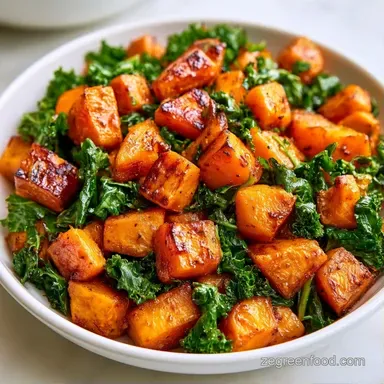
Roasted Squash Kale Salad with Maple Syrup
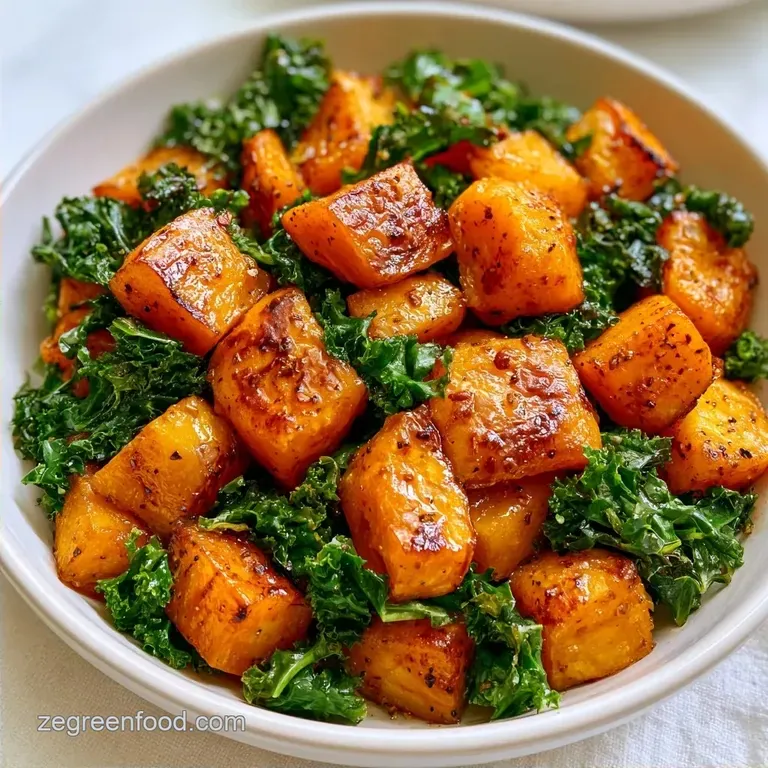
- Time: 10 min active + 25 min roasting
- Flavor/Texture Hook: Tangy maple lemon dressing with caramelized squash edges
- Perfect for: Cheap weeknight dinner or autumn meal prep
Stop thinking of kale as a bitter, woody leaf or something reminiscent of a lawn clipping. Usually, the issue is simply how the leaves are handled. If you just toss raw kale with a dressing, you're left chewing through tough, unyielding fibers.
The solution involves a bit of manual effort and a touch of warmth. By massaging the kale and folding it in with hot vegetables, the texture transforms completely. You end up with something tender and shimmering that carries the flavors of the dressing beautifully.
This Roasted Squash Kale Salad is my favorite way to create a gourmet looking meal on a tiny budget. It's fast, vivid, and hits every right note for a fall dinner.
Easy Roasted Squash Kale Salad Recipe
This recipe is all about timing. You want the squash coming out of the oven just as your kale is finished being massaged. When they meet while the squash is still hot, the kale wilts just a tiny bit, which makes the whole thing feel cohesive.
I usually make this on a Sunday night. The roasted elements hold up well, and the flavors actually get better after a few hours. Right then, let's look at how this compares to the slow roasting methods you see in fancy cookbooks.
| Method | Time | Texture | Best For |
|---|---|---|---|
| High Heat (Fast) | 25 mins | Caramelized edges | Weeknights |
| Slow Roast (Classic) | 60 mins | Soft throughout | Sunday Brunch |
The Basic Ingredient List
When making a Roasted Squash Kale Salad, the way you dice the squash is more important than the variety you choose. Aim for half inch cubes; if they are too large, the centers will turn mushy before the outside browns, but if they are too small, they will get lost in the greens.
The saltiness of the feta provides a necessary contrast to the sugary maple syrup. To keep costs down, store brand crumbled feta is a great alternative to expensive imported versions.
The Main Components
- 1 lb butternut squash, peeled and cubed (1/2 inch pieces)Why this? Maintains its form better than pumpkin
- 2 tbsp olive oilWhy this? Ideal for high heat roasting
- 1 tbsp maple syrupWhy this? Encourages caramelization and browning
- 1/2 tsp sea saltWhy this? Fundamental taste boost
- 1/4 tsp black pepperWhy this? Provides a hint of warmth
- 6 cups curly kale, stems removed and finely choppedWhy this? More resilient than baby kale
- 1 tbsp olive oil (for kale)Why this? Essential for massaging the leaves
- 1/4 tsp salt (for kale)Why this? Helps release moisture from the greens
The Vinaigrette
- 3 tbsp extra virgin olive oilWhy this? Superior taste in raw dressings
- 2 tbsp fresh lemon juiceWhy this? Sharp acidity to offset the sugar
- 1 tbsp apple cider vinegarWhy this? Provides a tangy, orchard like complexity
- 1 tbsp maple syrupWhy this? Tames the sharpness of the lemon
- 1 tsp Dijon mustardWhy this? Emulsifies the oil and vinegar
- 1 clove garlic, mincedWhy this? Adds a pungent, savory note
The Finishing Touches
- 1/2 cup dried cranberriesWhy this? Tangy sweetness
- 1/2 cup toasted pepitasWhy this? Nutty, earthy texture
- 1/4 cup crumbled fetaWhy this? Creamy, salty offset
Substitute Options
- Butternut Squash: Use sweet potato. Note: Result is denser and starchier.
- Kale: Use collard greens. Note: They are tougher and require more massaging.
- Feta: Use almond based vegan feta. Note: This is often saltier than the dairy version.
- Pepitas: Use toasted walnuts. Note: Offers a more buttery, rich flavor.
Tools You'll Actually Need
You can easily whip up this Roasted Squash Kale Salad using standard home equipment. No specialized gear is required. Skip the expensive salad spinner; simply use a clean kitchen towel to pat the kale dry.
- Large Sheet Pan: Use a rimmed version to ensure the maple syrup stays out of your oven.
- Parchment Paper: This keeps the squash from sticking and simplifies the cleanup.
- Large Mixing Bowl: Give yourself enough space to massage the kale without making a mess.
- Small Jar or Whisk: A mason jar works perfectly for the dressing since you can just shake it up.
- Sharp Chef's Knife: Essential for cutting the squash into consistent cubes.
Putting the Salad Together
Let's crack on with the execution. I like to follow a specific flow: roast first, prep second, and assemble last. This ensures the squash is still warm when it hits the kale.
Roasting the Squash
- Heat your oven to 400°F (200°C).
- Toss the cubed butternut squash with 2 tbsp olive oil, 1 tbsp maple syrup, salt, and pepper on a parchment lined sheet pan. Note: Spread them in a single layer to avoid steaming
- Roast for 20-25 minutes until the edges are mahogany colored and tender. Toss them halfway through so they brown on all sides.
Taming the Kale
- Place your chopped kale in a large bowl.
- Drizzle with 1 tbsp olive oil and 1/4 tsp salt.
- Firmly massage the leaves with your hands for 2-3 minutes until the kale shrinks in volume and looks dark green and glossy. This is the part most people skip, but it's where the magic happens.
The Final Assembly
- Whisk together extra virgin olive oil, lemon juice, apple cider vinegar, maple syrup, Dijon mustard, and minced garlic until the mixture is smooth and combined.
- Add the warm roasted squash directly to the massaged kale. Note: The heat helps the kale soften further
- Fold in the dried cranberries, toasted pepitas, and crumbled feta.
- Drizzle the vinaigrette over the Roasted Squash Kale Salad and toss gently to coat everything.
Chef's Note: If you have time, toast your pepitas in a dry pan for 3 minutes until they start to pop. It brings out a nuttier flavor that really stands out against the sweetness of the squash.
Fixing Common Salad Issues
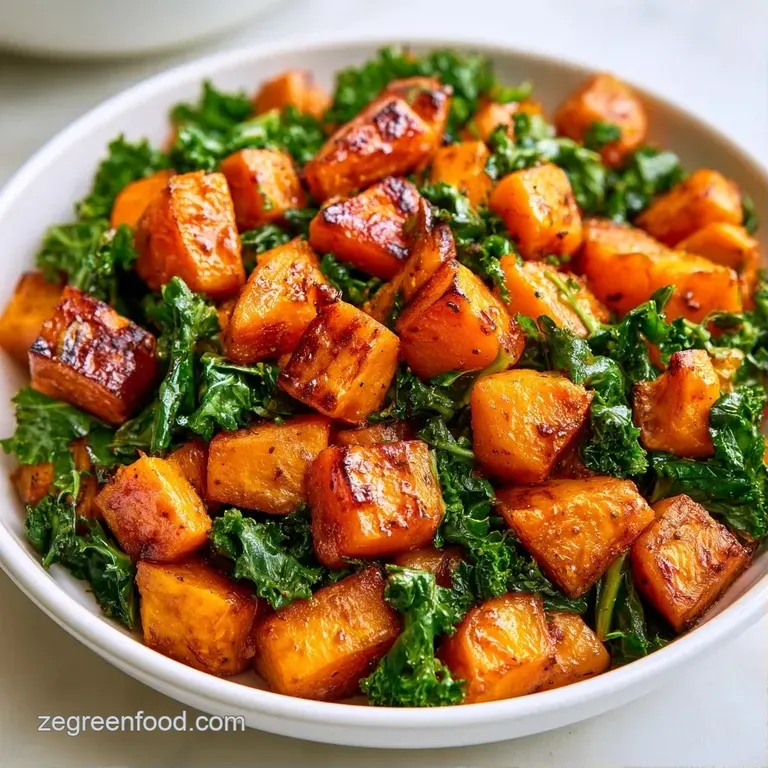
A few small errors in temperature or technique can prevent this roasted squash and kale salad from reaching its full potential. Here is how to troubleshoot the most common hiccups.
Squash is Soft
If your vegetables are pale and mushy rather than caramelized, you likely crowded the baking sheet. When pieces touch, they release steam that boils the squash instead of roasting it. Ensure there is plenty of space between the cubes.
Kale is Too Coarse
If the leaves are still difficult to chew, they haven't been massaged long enough. The oil and salt require a bit of time to break down the plant's cellular structure. Continue squeezing until the kale looks darker and feels tender.
Dressing is Separated
This typically happens if the Dijon mustard isn't fully incorporated, as it acts as the emulsifier. If you notice oil floating on the surface, simply give the jar another vigorous shake.
| Problem | Fix |
|---|---|
| Pale Squash | Raise temperature to 425°F for the final 5 mins |
| Leathery Kale | Massage for an additional 2 minutes with a pinch of salt |
| Bland Flavor | Stir in some more fresh lemon juice |
Swaps and Flavor Twists
This Roasted Squash Kale Salad is incredibly versatile. I frequently adjust the toppings based on what I have on hand to keep the cost low.
The Vegan Version
Just leave out the feta or use a cashew based alternative. Sliced almonds are another great way to bring in that missing creaminess.
Protein Boosts
To make this a complete meal, I suggest stirring in a can of drained chickpeas. For an even heartier option, try adding a scoop of quinoa. If you need more inspiration, my Bowl with Roasted Chickpeas recipe features similar flavors that pair well with this salad.
Different Squash Options
Although butternut is the go-to choice, Delicata squash is a wonderful alternative because you can skip the peeling. Just slice it into half moons and roast them the same way.
| Goal | What to change |
|---|---|
| Creamier | Add 1 tbsp of tahini to the dressing |
| Nuttier | Swap pepitas for toasted walnuts |
| Tangier | Increase lemon juice by 1 tbsp |
Saving and Reheating Tips
This Roasted Squash Kale Salad is surprisingly resilient. Because kale is so sturdy, it doesn't wilt instantly like spinach or arugula would.
Fridge Storage Store the salad in a glass container for up to 4 days. I recommend keeping the dressing in a separate jar and tossing it in right before you eat. This keeps the pepitas crunchy and the kale from getting too soggy.
Freezing Don't freeze the whole salad. The kale and feta won't survive the thaw. However, you can roast a double batch of the maple squash and freeze it. Just thaw it and pop it in a pan for 5 minutes to warm up before adding it to fresh kale.
Zero Waste Tips Don't toss your squash peels. If you have a clean compost bin, that's great, but otherwise, you can simmer them with an onion and a carrot to make a quick vegetable stock.
Also, use the leftover lemon halves by squeezing them into your water or using them to rub down a baking pan for fish.
Best Side Dish Pairings
Since the Roasted Squash Kale Salad is quite rich due to the maple and feta, it pairs best with lean proteins or something light and brothy.
I love serving this alongside a grilled chicken breast or a piece of baked salmon. The acidity of the lemon vinaigrette cuts through the fat of the fish beautifully. If it's a colder day, this salad is the ideal partner for a bowl of soup. It's especially great with a Creamy Butternut Squash Soup recipe to lean into those autumn flavors.
For a full spread, try serving it with a side of crusty sourdough bread toasted with garlic butter. The crunch of the bread and the softness of the massaged kale create a great contrast.
The Logic Behind the Recipe
The Roasted Squash Kale Salad works because of a few basic kitchen reactions. It's not about fancy techniques, but about how ingredients interact with heat and salt.
The Massage Effect Kale contains tough cellulose walls. When you massage the leaves with oil and salt, you're physically breaking those walls down. The salt draws out moisture, which changes the texture from leathery to a more supple, glossy feel. This also helps neutralize the bitterness.
The Maple Browning The maple syrup on the squash isn't just for sweetness. At 400°F, the sugars in the syrup caramelize. This creates those dark, mahogany edges that provide a concentrated flavor. This sweetness balances the salty feta and the tart lemon juice.
Temperature Contrast Adding the squash to the kale while it's still warm is a key move. The heat helps the dressing penetrate the kale more deeply, and the contrast between the warm veg and the cool greens makes the Roasted Squash Kale Salad feel like a more complex dish.
Recipe FAQs
How do I prepare the kale for this salad?
Massage the chopped leaves with olive oil and salt for 2-3 minutes. This process breaks down the tough fibers until the greens become dark green and glossy.
Is it true that kale must be cooked before adding it to a salad?
Actually, no. Massaging the raw leaves softens the texture sufficiently, and adding warm roasted squash provides a gentle wilt without needing a pot or pan.
What makes a kale salad taste bitter?
Skipping the massage process is the main culprit. Without working the oil and salt into the leaves, the tough fibers remain intact and the natural bitterness is more pronounced.
Which toppings add the most flavor to this recipe?
Combine crumbled feta, dried cranberries, and toasted pepitas. These specific ingredients provide the salty, sweet, and nutty contrasts that balance the earthy kale.
How to make the lemon garlic dressing emulsified?
Whisk olive oil, lemon juice, apple cider vinegar, maple syrup, Dijon mustard, and minced garlic until smooth. If you nailed the stable emulsion in this dressing, the same mixing principle applies to our red pesto sauce.
Can I roast the squash at a lower temperature?
No, stick with 400°F. Lower temperatures will not create the caramelized edges that provide the essential flavor contrast for this salad.
Roasted Squash Kale Salad for 6 Servings