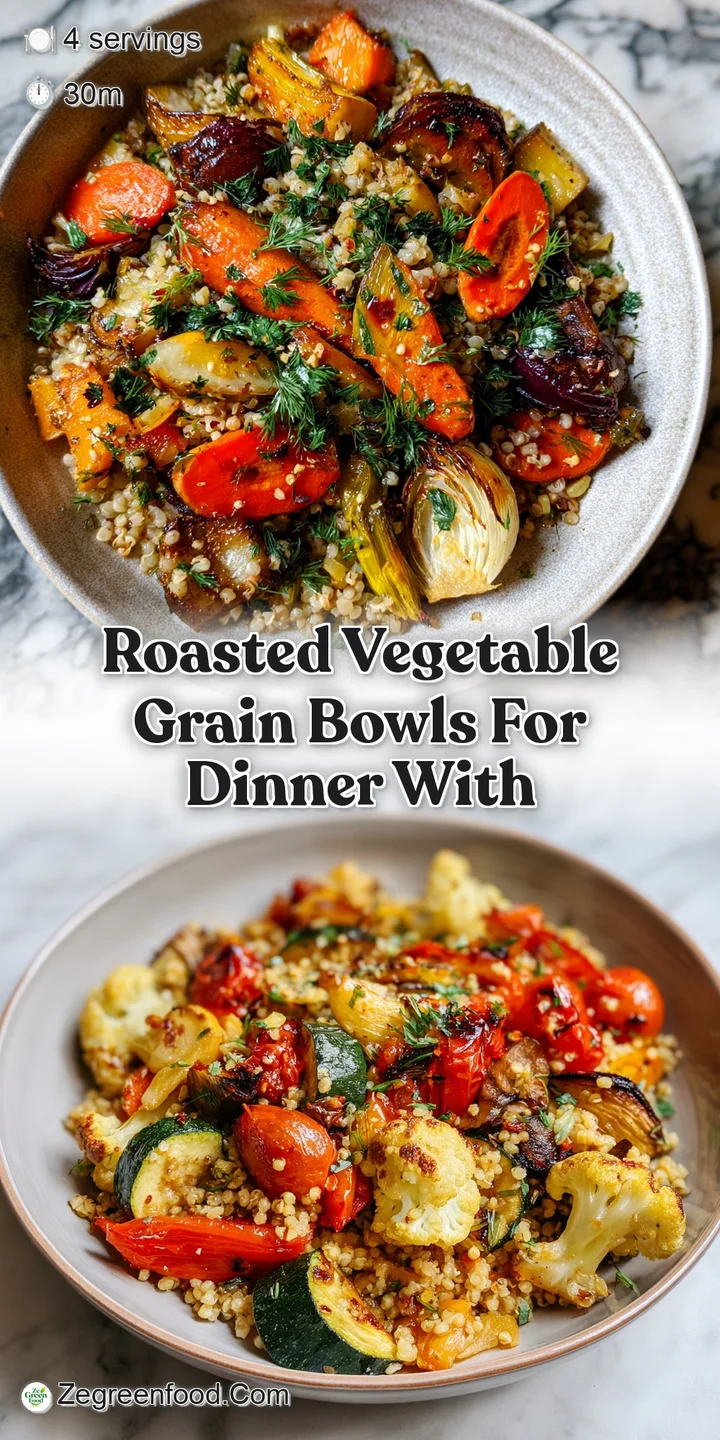
Roasted Vegetable Grain Bowls for Dinner
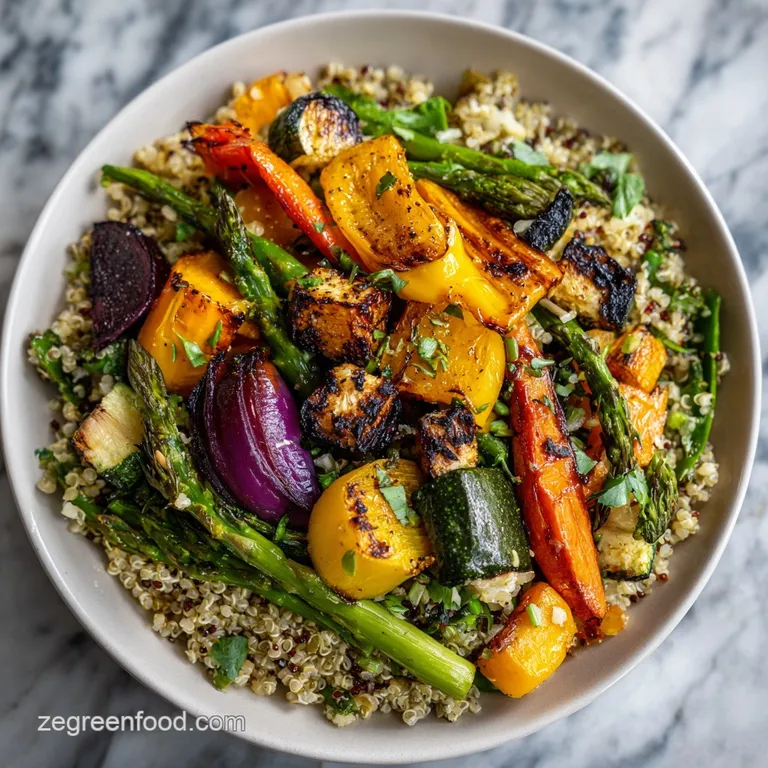
- Time: Active 10 minutes, Passive 20 minutes, Total 30 minutes
- Flavor/Texture Hook: Nutty farro paired with a velvety lemon tahini drizzle
- Perfect for: Stress free weeknight meal prep and beginners
- Perfect roasted vegetable grain bowls for dinner
- Mastering Heat and Texture Balance
- Essential Bowl Recipe Specs
- Choosing Fresh Component Elements
- Tools for Roasting Success
- Step-by-Step Cooking Walkthrough
- Solving Common Textural Issues
- Creative Flavor Swaps
- Storing Your Leftovers Safely
- Plating for Visual Appeal
- Recipe FAQs
- 📝 Recipe Card
Perfect roasted vegetable grain bowls for dinner
I remember the first time I tried making these. I crowded the pan with sweet potatoes and broccoli, and instead of that beautiful char, I got a pile of steamed, gray mush. It was a Tuesday night, I was starving, and I almost ordered pizza. But I learned the hard way: space is your best friend in the oven.
Now, when I hear that sizzle against the hot pan, I know dinner is going to be a win.
We’ve all been there trying to eat healthy but ending up with something bland. This recipe changes that. You’ll get that addictive contrast between the soft, roasted sweet potato and the crispy chickpeas. It's about finding that balance where every bite has a different texture.
Trust me, once you master the over high heat roast, you’ll never look at a vegetable the same way again.
The secret is all in the timing and the tray. We are going for those darkened, crispy edges that taste like candy but are actually just vegetables. It’s a simple formula, but getting the details right like drying your chickpeas until they’re bone dry is what makes this go from "fine" to "I need seconds."
Mastering Heat and Texture Balance
- Maillard Reaction
- High heat creates a chemical reaction between amino acids and sugars, resulting in browned, savory edges on your sweet potatoes.
- Starch Gelatinization
- Simmering grains in broth allows them to absorb liquid and swell, creating a fluffy, tender texture that holds the sauce.
- Emulsification
- Whisking tahini with lemon and water binds fat and acid into a velvety, cohesive sauce that won't separate.
Maillard Reaction Mastery
To get that beautiful char, your oven needs to be hot really hot. We are talking 400°F (200°C). This temperature is the sweet spot where the natural sugars in the sweet potato caramelize before the inside becomes too mushy.
If the oven is too cool, the vegetables just sit there and steam in their own moisture.
Staggered Sheet Pan Loading
Not all vegetables are created equal. Sweet potatoes need more time than broccoli. By giving the potatoes a head start, you ensure every component finishes at the exact same moment. This prevents the broccoli from turning into charred dust while the potatoes are still crunchy.
The Grain Toasting Secret
Before adding the vegetable broth, I love to toast the dry quinoa or farro in the pot for just 2 minutes. This tiny step adds a deeply nutty aroma that carries through the entire bowl. It’s a trick I learned from making risotto, and it works wonders for simple grain bowls too.
| Method | Time | Texture | Best For |
|---|---|---|---|
| Oven Roasting | 20 minutes | Crispy, charred edges | Maximum flavor depth |
| Stovetop Searing | 15 minutes | Softer, browned exterior | Quick weeknight speed |
| Air Frying | 12 minutes | Extra shatter crisp | Small 1 person portions |
The choice of cooking method really depends on your mood. While the oven is the gold standard for that deep, roasted flavor, the air fryer is brilliant if you're just making a single bowl for yourself. The stovetop works in a pinch, but you’ll miss out on that specific oven-roasted sweetness.
Essential Bowl Recipe Specs
To get the best results, you need to understand what’s happening on your plate. We aren't just throwing things together; we are building layers. The starch from the grains provides the base, the roasted vegetables give the bulk, and the chickpeas add the much needed protein and crunch.
| Component | Science Role | Pro Secret |
|---|---|---|
| Sweet Potato | Caramelization | Cut into uniform 1/2 inch cubes for even browning. |
| Chickpeas | Protein Crunch | Remove every drop of water for a shatter like finish. |
| Tahini | Healthy Fat | Whisk with warm water to prevent the sauce from seizing. |
Using vegetable broth instead of plain water for the grains is another non negotiable for me. It seasons the quinoa from the inside out, making the base of your bowl just as flavorful as the toppings. It’s these small upgrades that turn a "healthy meal" into a "family favorite."
Choosing Fresh Component Elements
- 1 large sweet potato: Peeled and cut into 1/2 inch cubes (approx. 300g). Why this? Provides the natural sweetness and creamy texture.
- Substitute: Butternut squash or carrots work beautifully here.
- 2 cups broccoli florets: (approx. 150g). Why this? Adds a necessary earthy char and fiber.
- Substitute: Cauliflower florets for a milder flavor profile.
- 1 can (15 oz / 425g) chickpeas: Drained, rinsed, and patted dry. Why this? Becomes the "crouton" of the bowl when roasted.
- Substitute: Firm tofu cubes if you prefer a softer protein.
- 1 cup dry quinoa or pearled farro: (approx. 185g). Why this? Creates a hearty, nutty foundation.
- Substitute: Brown rice, though it takes longer to cook.
- 1/4 cup tahini: (approx. 60g). Why this? The base for our silky, savory sweet dressing.
- Substitute: Almond butter for a slightly different nutty vibe.
- 3 tbsp extra virgin olive oil: For roasting.
- 1 tsp smoked paprika: Adds a deep, smoky undertone.
- 1/2 tsp garlic powder: For an instant savory boost.
- 1/2 tsp sea salt: To draw out the vegetable juices.
- 2 cups vegetable broth: To cook the grains.
- 2 tbsp fresh lemon juice: To cut through the richness of the tahini.
- 1 tbsp maple syrup: To balance the lemon's acidity.
- 3 tbsp warm water: To thin the sauce to the right consistency.
Similarly, if you enjoy the heartiness of legumes in different formats, my Chickpea Curry With recipe is another weeknight winner that uses many of these same pantry staples.
Tools for Roasting Success
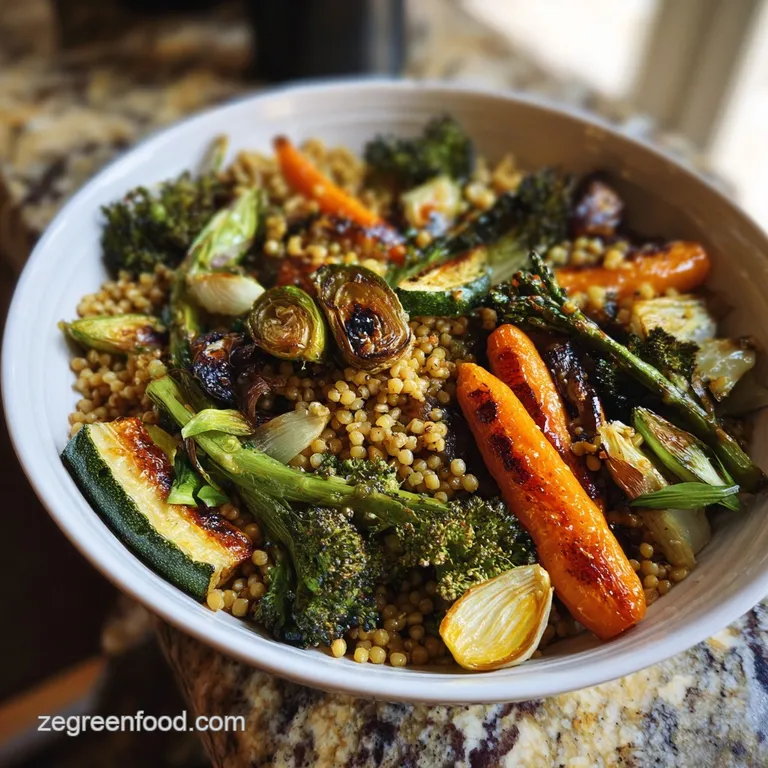
You don't need a professional kitchen, but a large, rimmed baking sheet is essential. If the pan is too small, the vegetables will touch and create steam, which is the enemy of the "shatter crisp" texture we want.
I also recommend using parchment paper not just for easy cleanup, but to prevent the honey like sugars in the sweet potato from sticking to the metal.
A small whisk or even a fork is needed for the tahini sauce. Tahini has a habit of separating, so you need a bit of muscle to get it emulsified with the lemon juice and water. Finally, a heavy bottomed saucepan with a tight fitting lid will ensure your quinoa cooks evenly without scorching at the bottom.
step-by-step Cooking Walkthrough
1. Thermal Calibration and Prep
Preheat your oven to 400°F (200°C). Note: This high heat is vital for immediate caramelization.
2. The over High heat Roast
Toss the sweet potato cubes and chickpeas with 2 tablespoons of olive oil, smoked paprika, garlic powder, and salt. Spread them on a baking sheet, making sure nothing is overlapping.
3. The Grain Simmer
In a saucepan, bring 2 cups of vegetable broth and 1/4 teaspoon of salt to a boil. Add 1 cup of rinsed quinoa, reduce to a simmer, and cover. Cook for 15 minutes until the liquid is fully absorbed.
4. The Mid Way Addition
After the potatoes have roasted for 10 minutes, move them to one side and add the broccoli florets tossed in the remaining 1 tablespoon of oil. Roast for another 10 minutes until the broccoli edges are charred.
5. The Finishing Crisp
Check the chickpeas; they should feel firm. Bake for 5 more minutes if they still feel soft. You want them to have a distinct audible crunch when tapped with a spoon.
6. Velvet Sauce Assembly
Whisk 1/4 cup tahini, 2 tablespoons lemon juice, and 1 tablespoon maple syrup. Slowy add warm water 1 tablespoon at a time until the sauce is smooth and pourable.
7. The Final Fluff
Remove the grains from the heat and let them sit, covered, for 5 minutes. Fluff them with a fork to release the steam and separate the grains.
8. The Bowl Construction
Divide the grains into four bowls. Top with the roasted sweet potatoes, charred broccoli, and crispy chickpeas.
9. The Golden Drizzle
Generously spoon the lemon tahini sauce over the top of each bowl.
10. The Final Garnish
Add a crack of fresh black pepper or a pinch of red pepper flakes if you like a bit of heat.
Solving Common Textural Issues
Fixing Soggy Vegetables
If your veggies look more boiled than roasted, it’s usually a moisture or crowding issue. When vegetables are too close together, the water they release turns into steam.
Balancing Bitter Sauce
Tahini varies wildly by brand. Some are naturally bitter. If your sauce tastes a bit sharp, don't panic. A tiny extra drop of maple syrup or a pinch of salt usually fixes it instantly.
| Problem | Root Cause | Solution |
|---|---|---|
| Mushy Chickpeas | Residual moisture | Dry them thoroughly with a paper towel before roasting. |
| Bitter Sauce | Low quality tahini | Add a tiny pinch of extra maple syrup or salt. |
| Dense Grains | Not enough liquid | Add 2 tablespoons of water and steam covered for 2 mins. |
Chef Tip: Freeze your tahini for 10 minutes before whisking if it’s very runny; it helps the emulsion stay thick and creamy as you add the lemon juice.
Common Mistakes Checklist:
- ✓ Use a large enough sheet pan to prevent steaming.
- ✓ Preheat your oven for at least 15 minutes before the tray goes in.
- ✓ Pat the chickpeas until they are bone dry to get that crunch.
- ✓ Rinse quinoa to remove the bitter saponin coating.
- ✓ Don't skip the "resting" time for the grains; it’s when the texture perfects itself.
Creative Flavor Swaps
If you want to scale this recipe down for just one or two people, simply halve the ingredients. For the grains, I still recommend cooking the full cup because it stores so well. If you’re scaling up for a crowd, use two separate sheet pans. Don't try to cram everything onto one, or you'll lose that crispiness.
When using two pans, rotate them halfway through the cooking time to account for oven "hot spots."
If you love that creamy texture but want something with a bit more heat, you've got to try my Spicy Peanut Buddha recipe. It’s a great way to use the same roasting techniques with a different flavor profile.
- The Mediterranean Pivot: Swap the smoked paprika for dried oregano and add some feta cheese and olives at the end.
- The High Protein Boost: Add a soft boiled egg or some sliced grilled chicken on top of the roasted vegetable grain bowls for dinner.
Storing Your Leftovers Safely
These bowls are a meal prep dream. You can store the roasted vegetables and grains together in an airtight container in the fridge for up to 4 days. However, keep the tahini sauce in a separate small jar. If you pour the sauce on before storing, the grains will soak it all up and become soggy.
To reheat, I recommend using a skillet or the oven rather than the microwave. A quick 5 minute toss in a hot pan will bring back some of that roasted texture. For zero waste, don't throw away the broccoli stalks! Peel the tough outer layer, dice the tender core, and roast it right along with the sweet potatoes.
Plating for Visual Appeal
The Texture Topper
To make this look like it came from a high end cafe, don't just dump the sauce. Drizzle it in a zig zag pattern and top with toasted sesame seeds or a handful of fresh parsley. The green of the herbs makes the orange of the sweet potato pop.
Temperature Play
There’s something wonderful about the contrast of warm roasted vegetables against a cool, crisp garnish. If you have some fresh cucumber or radish in the fridge, slice them thinly and tuck them into the side of the bowl. It adds a refreshing snap that balances the cooked components perfectly.
Roasted vegetable grain bowls for dinner are more than just a meal they are a template for whatever is in your pantry. Once you get the "dry chickpea" and "hot oven" rules down, you can swap in almost any vegetable and have a restaurant quality dinner ready in 30 minutes.
Right then, let’s get that oven preheated!
Recipe FAQs
What is the optimal oven temperature for achieving caramelized sweet potatoes?
Use 400°F (200°C). This high heat is the sweet spot for caramelizing natural sugars before the interior overcooks, promoting Maillard reaction.
How do I ensure the chickpeas roast up shatter crisp instead of soft?
Dry them until bone dry. Remove every drop of moisture using paper towels after rinsing; residual water causes steaming, ruining the crunch.
Is it necessary to stagger when I add the vegetables to the sheet pan?
Yes, staggering prevents burning and uneven cooking. Give dense vegetables like sweet potato a 10-minute head start before adding quicker cooking items like broccoli.
How to make the lemon tahini drizzle velvety smooth and not separated?
Whisk tahini with warm water slowly. Start by whisking the tahini with lemon juice, then incorporate the warm water tablespoon by tablespoon until the sauce emulsifies and becomes pourable.
Should I cook the grain base (farro or quinoa) only in water?
No, use vegetable broth for better flavor. Cooking the grains in broth seasons them from the inside out, significantly deepening the overall flavor of the bowl base.
How long can I safely store leftover roasted vegetable grain bowls?
Up to 4 days in the refrigerator. Always keep the lemon tahini sauce stored separately to prevent the grains and vegetables from becoming soggy during storage.
What is the best way to reheat this dish to revive the texture?
Use a hot skillet or the oven for reheating. A brief toss in a hot, dry pan for about 5 minutes helps bring back some of the desirable crispy texture lost in refrigeration.
Roasted Veggie Grain Bowls
Ingredients:
Instructions:
Nutrition Facts:
| Calories | 551 kcal |
|---|---|
| Protein | 17g |
| Fat | 23g |
| Carbs | 72g |
| Fiber | 12.5g |
| Sugar | 7.8g |
| Sodium | 615mg |
