Roasted Veggie Grain Bowl with Hummus
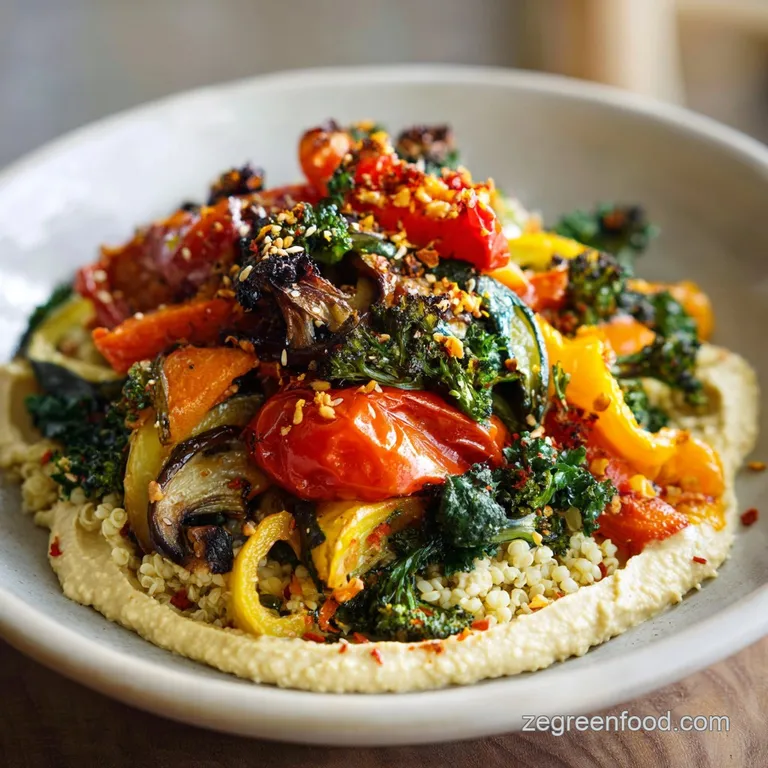
- Time: Active 15 minutes, Passive 30 minutes, Total 45 minutes
- Flavor/Texture Hook: Crunchy chickpeas and velvety hummus contrast
- Perfect for: Stress free weeknight dinner or Sunday meal prep
- Create the Roasted Veggie Grain Bowl with Hummus
- Why These Layers Work
- Component Analysis
- Choosing Your Components
- Required Kitchen Tools
- The Cooking Process
- Solving Common Problems
- Scaling the Recipe
- Creative Meal Variations
- Fresh Storage Methods
- Beautiful Plating Techniques
- Debunking Popular Cooking Myths
- High in Sodium
- Recipe FAQs
- 📝 Recipe Card
Create the Roasted Veggie Grain Bowl with Hummus
You know that specific sound when a baking sheet hits the counter and the roasted vegetables do that little skittering dance because they've developed a crisp, golden crust? That's the sound of success in my kitchen.
The first time I tried making this, I piled everything together while the veggies were still steaming, and the whole thing turned into a lukewarm puddle. It was a mess, but it taught me the most important lesson about building these bowls: the temperature contrast is everything.
Imagine pulling a tray of 350g of sweet potatoes and cauliflower from the oven, the air thick with the scent of smoked paprika and dried oregano. You've got that earthy, spicy aroma that makes everyone wander into the kitchen asking when we're eating.
Then, you swipe a generous dollop of velvety hummus across the bottom of the bowl. It's that cool, creamy foundation that catches the stray bits of feta and the salty pop of pickled onions. Trust me, once you get the layering right, you’ll never go back to boring salads.
This isn't just a pile of health food; it's a strategic assembly of comfort. We’ve all had those "healthy" bowls that feel like a chore to chew through. This recipe fixes that by focusing on the char.
When that 400g head of cauliflower hits the high heat of the oven, it transforms from a bland floret into a nutty, caramelized treat that rivals any main course. It's become a family favorite in our house, mostly because it feels indulgent while being packed with plants.
Why These Layers Work
Building flavor in a bowl is about understanding how heat and moisture interact with your ingredients. We aren't just tossing things in a container; we're creating a series of flavor bridges.
- Maillard Reaction: High heat browns the cauliflower and sweet potato sugars, creating complex, savory compounds that mimic the depth of slow cooked meat.
- Starch Gelatinization: Simmering the 185g of quinoa in 475ml of vegetable broth allows the grains to swell and burst, absorbing savory liquid rather than just water.
- Emulsification Stability: The hummus acts as a thick, fat based barrier that prevents the vegetable juices from making the arugula wilt instantly.
- Acid Fat Equilibrium: The sharp vinegary bite of the 40g of pickled red onions cuts through the heavy creaminess of the chickpeas and feta.
The Science of Charring
When we roast at high temperatures, we are looking for more than just "cooked" veggies. We want the moisture inside the cell walls of the 350g sweet potato to evaporate quickly enough that the exterior can undergo the Maillard reaction.
If the oven is too cold, the vegetable steams in its own juices, resulting in a limp texture. This is why we never overcrowd the pan; each floret needs its own "breathing room" for the hot air to circulate and create that signature shatter on the edges.
Starch Gelatinization Explained
Quinoa is a unique seed that behaves like a grain. By using 475ml of vegetable broth instead of water, we introduce minerals and glutamates into the structure of the seed as it expands. As the temperature rises, the starch granules inside the 185g of quinoa absorb the flavored liquid and swell until they "pop," creating that fluffy, individual grain texture we love. It is much like the technique I use for the base of my Black Bean Burrito recipe, where moisture control is the difference between fluffy and mushy.
| Veggie Type | Optimal Cut Size | Roasting Time | Visual Doneness Cue |
|---|---|---|---|
| Sweet Potato | 1/2 inch cubes | 25-30 minutes | Dark golden edges and soft center |
| Cauliflower | Small florets | 20-25 minutes | Deep brown charred "freckles" |
| Bell Pepper | Thin strips | 15-20 minutes | Slightly blistered skin and softened |
The timing in the table above ensures that your 200g of red bell pepper doesn't turn to mush while the sweet potatoes are still hard. By sizing your cuts correctly, everything finishes at the same time on the same tray.
Component Analysis
Understanding what each part of the roasted veggie grain bowl with hummus brings to the table helps you become a more intuitive cook. It's not just about the list; it's about the role.
| Component | Science Role | Pro Secret |
|---|---|---|
| Quinoa | Structural Base | Toast the dry seeds for 2 minutes before adding broth to unlock a nutty scent. |
| Chickpeas | Protein & Texture | Pat them extremely dry with a towel; moisture is the enemy of a crispy bean. |
| Hummus | Flavor Anchor | Use a spoon to create a "well" in the hummus to hold the dressing or oils. |
| Smoked Paprika | Aromatic Depth | This spice is oil soluble; mix it with the olive oil first to coat the veggies evenly. |
Before you start, make sure you have all your items ready. I’ve definitely reached for the paprika only to find an empty jar while my cauliflower was already sizzling away. Preparation is the secret to keeping your cool in the kitchen.
Choosing Your Components
The beauty of a grain bowl is that it's a blueprint, not a prison. However, the quantities below are what I've found create the most balanced ratio of grain to green to gold.
- 1 cup (185g) dry quinoa: I prefer the tri color for the extra "pop" in texture. Why this? It provides a complete protein source and stays fluffy when chilled.
- 2 cups (475ml) vegetable broth: Always use broth instead of water. Why this? It seasons the grain from the inside out with savory depth.
- 1 large (350g) sweet potato: Cut these into uniform cubes. Why this? They provide the creamy, starchy heart of the bowl.
- 1 small head (400g) cauliflower: Break these into bite sized "trees." Why this? Cauliflower is the best vessel for absorbing smoked paprika and char.
- 1 large (200g) red bell pepper: Sliced into strips. Why this? Adds a necessary sweetness to balance the earthy spices.
- 1 can (425g) chickpeas: Drained, rinsed, and dried. Why this? When roasted, they provide a satisfying, nutty crunch.
- 2 tbsp (30ml) extra virgin olive oil: Don't skimp here. Why this? It conducts the oven's heat and helps the spices stick.
- 1 tsp (2g) smoked paprika: This is the "secret sauce." Why this? It gives the veggies a wood fired flavor without a grill.
- 1 cup (240g) creamy hummus: store-bought is fine, but look for a smooth texture.
- 2 cups (60g) baby arugula: A peppery green that stands up to heat.
- 1/4 cup (40g) pickled red onions: For that bright pink pop of acidity.
- 1/4 cup (30g) crumbled feta: The salty finishing touch.
If you are looking for a different vibe, you could swap the quinoa for the base used in this Teriyaki Tofu Bowl recipe, which uses rice. However, the quinoa really shines here because of its ability to hold onto the spices.
Required Kitchen Tools
You don't need a professional kitchen, but a few specific items make the "roasted veggie grain" aspect much easier to manage.
- Large Rimmed Baking Sheet: Essential for spreading out the 400g of cauliflower so it roasts rather than steams.
- Medium Saucepan: For the 185g of quinoa; one with a tight fitting lid is non negotiable.
- Fine Mesh Strainer: Quinoa has a natural coating called saponin that can taste bitter; you must rinse it.
- Large Mixing Bowl: To toss your 350g of sweet potatoes and other veggies with oil and spices before they hit the pan.
Chef's Tip: Put your empty baking sheet in the oven while it preheats to 200°C. When you dump the seasoned veggies onto the hot pan, they start searing immediately, which prevents them from sticking and jump starts the browning.
The Cooking Process
Right then, let's get into the actual making of the thing. Follow these steps, and you'll have a bowl that looks like it came from a high end cafe.
Building the Foundation
- Rinse the 185g of quinoa. Place it in a fine mesh strainer and run cold water over it for 30 seconds. Note: This removes the bitter saponin coating.
- Simmer the grains. In a medium saucepan, combine the rinsed quinoa, 475ml vegetable broth, and 1/2 tsp sea salt.
- Cook 15 minutes. Bring to a boil, then reduce to a simmer and cover until the liquid is fully absorbed and the "germ" has separated.
- Steam and fluff. Remove from heat and let sit, covered, for 5 minutes before fluffing with a fork.
Prepping for Crispness
- Preheat and prep. Set your oven to 200°C. While it heats, ensure your 425g of chickpeas are bone dry. Note: Water on the surface of the chickpeas creates steam, which leads to mushiness.
- Season the medley. In a large bowl, toss the 350g of cubed sweet potato, 400g of cauliflower florets, 200g of sliced pepper, and chickpeas with 30ml olive oil, 1 tsp smoked paprika, and 1/2 tsp oregano.
Mastering the Roast
- Spread and roast. Transfer the mixture to a large baking sheet. Bake for 30 minutes until the sweet potatoes are tender and the cauliflower edges are charred.
- Rotate the tray. Give the veggies a toss halfway through the 30 minutes to ensure even browning.
Assembling the Bowl
- Layer the base. Divide the 2 cups of arugula among four bowls, then top with a generous scoop of the fluffy quinoa.
- Add the stars. Pile on the roasted vegetable mixture and add a 1/4 cup (60g) dollop of hummus to each bowl. Finish with the pickled onions and crumbled feta.
Solving Common Problems
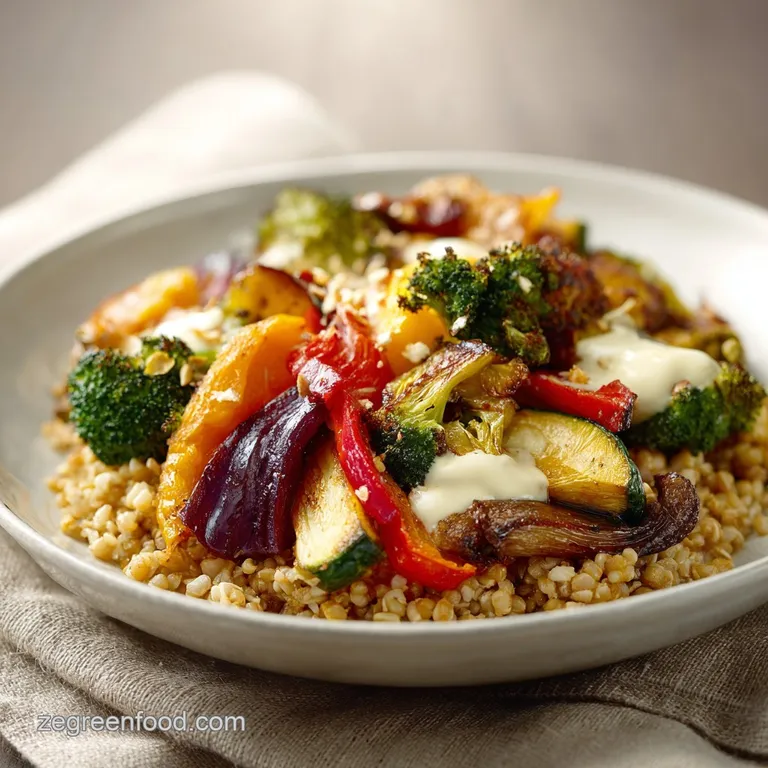
Even with the best intentions, things can go sideways. Here is how to handle the most common hurdles when making a roasted veggie grain bowl with hummus.
Preventing Soggy Vegetables
The most common culprit is overcrowding. If you try to fit all those vegetables onto a small tray, the moisture escaping from the 400g of cauliflower will be trapped between the pieces, steaming them. Use two trays if you have to.
Another trick is to wait to add the salt until just before they go into the oven; salt draws out moisture, and if the veggies sit in salt for too long before roasting, they’ll start to "sweat."
Rescuing Bland Grains
If your quinoa tastes like nothing, it’s likely because it wasn't seasoned during the cooking process. You can't just salt it at the end and expect it to taste deep. If you’ve already cooked it in water, whisk a little lemon juice and olive oil with a pinch of salt and fold it into the warm grains.
It won't be quite as integrated as broth cooked quinoa, but it will save the dish.
| Problem | Root Cause | Solution |
|---|---|---|
| Bitter Quinoa | Saponin coating not removed | Rinse dry seeds under cold water for at least 30 seconds before boiling. |
| Mushy Sweet Potatoes | Oven temperature too low | Ensure oven is fully preheated to 200°C; don't use a "low and slow" approach. |
| Tough Chickpeas | Over roasting or old beans | Check at 20 minutes; if they are already "popping," remove them from the heat. |
Common Mistakes Checklist
- ✓ Always rinse the quinoa to avoid a "soapy" or bitter aftertaste.
- ✓ Pat the chickpeas with a paper towel until they are completely dry.
- ✓ Leave at least a half inch of space between vegetable pieces on the sheet pan.
- ✓ Fluff the quinoa with a fork, never a spoon, to keep the grains individual.
- ✓ Add the arugula last so the residual heat from the veggies only slightly softens it.
Scaling the Recipe
This recipe is incredibly friendly for those who like to cook once and eat twice, but there are some rules to follow if you're changing the volume.
Scaling Down (1-2 People) When cutting this in half, use a smaller saucepan for the quinoa to ensure the liquid doesn't evaporate too quickly before the grains are cooked. You can still use a large baking sheet for the veggies; the extra space will actually give you a better char!
Reduce the roasting time by about 5 minutes, as fewer items on the pan will heat up faster.
Scaling Up (8-10 People) If you're doubling the recipe for a family gathering, do not double the spices exactly. Start with 1.5x the smoked paprika and oregano, then taste the vegetable mixture before roasting.
For the quinoa, use a large pot and reduce the broth by about 10% (around 850ml instead of 950ml) to prevent the bottom layer from becoming soggy under the weight of the top grains. Work in batches or use multiple ovens if available to keep the veggie crispness.
| Goal | Adjustment | Outcome |
|---|---|---|
| Ultra Crispy | Add 1 tsp cornstarch to veggie toss | Creates a thin, shatter like crust on the cauliflower. |
| Time Saver | Use pre cut frozen cauliflower | Skip the chopping; roast directly from frozen at 220°C. |
| High Protein | Add 1/2 cup cooked lentils | Increases fiber and protein without changing the flavor profile. |
Creative Meal Variations
I love how versatile this "bowl with hummus" concept is. You can change the entire region of the world just by swapping a few spices.
Swapping the Protein
If you aren't feeling the chickpeas, this "roasted veggie grain" base works beautifully with grilled halloumi or even a soft boiled egg. For a meat based version, you can add sliced chicken breast directly to the roasting pan.
Just make sure the chicken is cut into 1 inch pieces so it finishes at the same time as the sweet potatoes.
Exploring Flavor Profiles
To take this in a Mexican inspired direction, swap the smoked paprika for chili powder and cumin, and use a black bean hummus or even a spicy avocado mash instead of traditional hummus. Instead of feta, try a crumbly cotija cheese.
The core principle roasted starch, charred veg, creamy anchor remains the same, but the personality changes entirely.
Fresh Storage Methods
The "roasted veggie grain bowl with hummus" is a meal prep superstar, but only if you store it correctly. No one wants soggy arugula.
- Fridge: Store the roasted vegetables and quinoa in separate containers for up to 4 days. Keep the arugula and hummus in their original packaging until you're ready to eat.
- Freezer: You can freeze the cooked quinoa and roasted sweet potatoes/cauliflower for up to 3 months. I don't recommend freezing the bell peppers or chickpeas, as the texture becomes spongy upon thawing.
- Zero Waste: Don't throw away the cauliflower stems! Peel the tough outer layer, dice the tender core, and roast it right along with the florets. If you have leftover hummus, whisk it with a little lemon juice and water to create a creamy salad dressing for tomorrow's lunch.
Beautiful Plating Techniques
We eat with our eyes first, and a bowl can easily look like a pile of brown mush if we aren't careful. Use the "Swoosh Technique" to make it look professional.
The Swoosh Technique
Take a large spoonful of that 240g of hummus and place it on one side of the bowl. Using the back of the spoon, press down and drag it in a circular motion against the curve of the bowl. This creates a beautiful "wave" of hummus that acts as a nest for the other ingredients.
It's not just for looks; it ensures you get a bit of hummus in every bite without it getting lost under the grains.
Layering Like Professionals
Instead of mixing everything together, group your ingredients in "zones." Put the arugula on the bottom, the quinoa on one side, and the roasted vegetables on the other. Top the center with the bright pink pickled onions and the white feta.
This creates a color contrast that makes the 200g of red bell pepper and the golden sweet potatoes pop. It feels much more like a composed dish and less like leftovers.
Debunking Popular Cooking Myths
There are a lot of old wives' tales about grains and roasting that just aren't true. Let's clear some of those up so you can cook with confidence.
First, you don't need to soak quinoa overnight. While some claim it helps with digestion, a thorough 30 second rinse is all you need to remove the bitterness and ensure a clean flavor. Soaking can actually lead to the grains becoming too soft and losing that distinct "pop" that we want in a grain bowl.
Second, "crowding the pan" isn't just a suggestion; it's a physical law. Many people think that if they turn the heat up higher, they can pile more veggies on the tray. In reality, the more vegetables you have, the more steam is released. No amount of heat can overcome a steam filled oven environment.
If you want that charred, velvety texture, give your vegetables the space they deserve.
Finally, the idea that hummus is just a dip is a myth we need to retire. In this recipe, the hummus acts as the "sauce" and the fat source. Because we aren't using a traditional vinaigrette, the hummus provides the mouthfeel and richness that ties the dry grains to the roasted vegetables.
Don't be afraid to use the full 240g across your servings it's the glue that holds the whole experience together.
High in Sodium
850 mg mg of sodium per serving (37% of daily value)
The American Heart Association recommends limiting sodium intake to no more than 2,300mg per day for most adults. Some individuals, especially those with high blood pressure, may need to aim for even lower levels.
Tips to Reduce Sodium
-
Low-Sodium Broth-30%
Replace regular vegetable broth with low-sodium or no-salt added vegetable broth. This swap significantly reduces the sodium content without sacrificing flavor.
-
Reduce Added Salt-25%
Omit the added sea salt (1/2 tsp) entirely or reduce it by half. Taste the dish before adding any salt, as the other ingredients contribute sodium.
-
Less Feta Cheese-15%
Reduce the amount of crumbled feta cheese used. Feta is a significant source of sodium. Consider using 2 tablespoons (15g) instead of 1/4 cup (30g).
-
DIY Chickpeas-10%
Use dried chickpeas cooked at home without salt instead of canned. If using canned, rinse thoroughly under running water to reduce sodium. Look for cans with no added salt.
-
Homemade Pickled Onions-10%
Make your own pickled red onions using less salt in the pickling brine. Experiment with vinegar, sugar, and spices for flavor.
-
Flavor Boost
Enhance the flavor with fresh herbs, spices, lemon juice, or garlic instead of relying on salt. These additions can make the dish even more flavorful.
Recipe FAQs
What roasted vegetables go well with hummus?
Yes, nearly all root and cruciferous vegetables work well. The smoky char from roasting perfectly contrasts the cool, earthy flavor of hummus. I highly recommend the combination of sweet potato, cauliflower, and bell pepper for the best flavor and texture profile.
Are grain bowls actually healthy?
Yes, they are inherently balanced when assembled correctly. A grain bowl is healthy because it forces you to incorporate whole grains (like quinoa), lean protein (chickpeas), and plenty of vegetables in one meal. If you are looking for a similar plant forward, balanced meal base, you can see how we build flavor structures in the Sweet Potato Bean recipe.
What is the secret to crispy roasted vegetables?
Do not overcrowd the baking sheet, and preheat the pan. If vegetables touch, they steam in their own moisture, preventing the high heat needed for the Maillard reaction. If you enjoyed mastering the high heat browning technique here, see how the same principle of surface area and dry heat applies to achieving the perfect texture in our Smashed Chickpea Salad recipe.
Is it healthy to eat a bowl of hummus?
Yes, in moderation, as it is rich in fiber and healthy fats. Hummus is primarily made from chickpeas, which are a good source of plant protein. While it is calorie dense due to the tahini and oil, it functions as an excellent "sauce" or flavor anchor when paired with lighter ingredients like greens and grains.
How do I prevent my quinoa from tasting bitter?
Rinse the dry quinoa thoroughly under cold running water for 30 seconds. This process removes the natural coating called saponin, which is bitter and soapy tasting. Cooking the grains in broth instead of plain water also dramatically improves the final savory flavor.
Can I substitute the quinoa for rice?
Yes, brown rice or farro are excellent, hearty substitutes for quinoa. If you opt for a different grain, adjust your cooking liquid ratio accordingly, as absorption rates differ slightly between starches. For a smoother, faster base, try using the technique from the Peanut Butter Banana recipe, focusing on blending for speed rather than cooking time.
What is the best way to keep the arugula from wilting during meal prep?
Store the arugula separately in an airtight container until serving time. If you must pack it in the bowl ahead of time, place a layer of the fluffy quinoa down first, as the starch acts as a slight buffer against the heat radiating from the warm vegetables.
Roasted Veggie Hummus Bowl
Ingredients:
Instructions:
Nutrition Facts:
| Calories | 579 kcal |
|---|---|
| Protein | 22.4 g |
| Fat | 18.7 g |
| Carbs | 82.5 g |
| Fiber | 16.5 g |
| Sugar | 9.2 g |
| Sodium | 850 mg |
