Steamed Pork Dumplings: Savory and Juicy
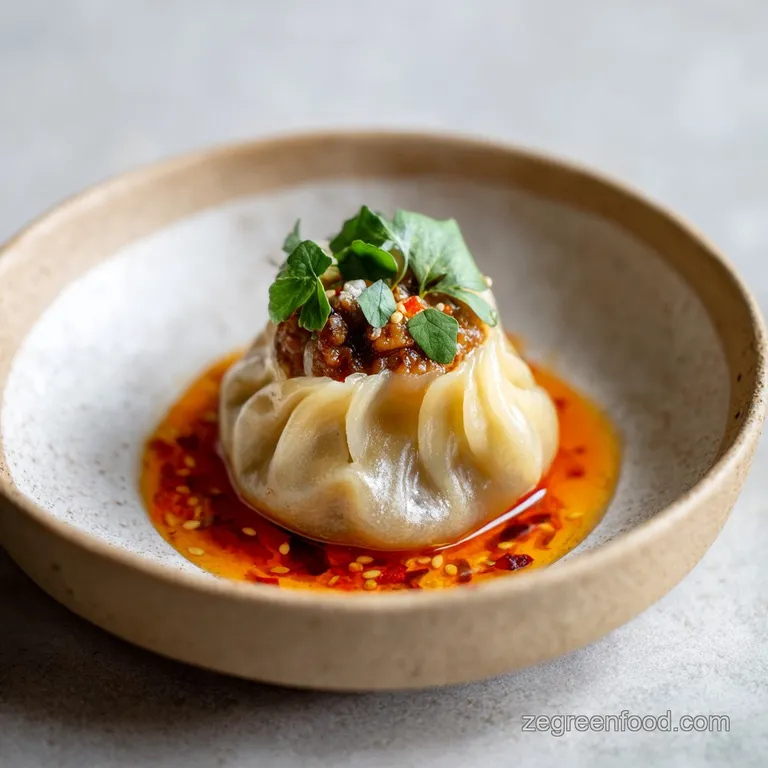
- Time: Active 30 minutes, Passive 10 minutes, Total 40 minutes
- Flavor/Texture Hook: Silky, translucent skins with a savory, ginger spiked pork center
- Perfect for: Weekend family projects or a cozy comfort food night
- Why Your Steamed Pork Dumpling with the Best Dipping Sauce Wins Dinner
- The Secret to Making Ultra Juicy Filling
- Essential Cooking Times and Yield Estimates
- The Components for Your Dumpling Feast
- Tools of the Dumpling Trade
- Preparing the Dumplings Step by Step
- Fixing Common Texture and Flavor Issues
- How to Scale Your Dumpling Production
- Debunking Dumpling Myths
- Storage Guidelines and Zero Waste Tips
- Creative Presentation and Serving Styles
- Very High in Sodium
- Recipe FAQs
- 📝 Recipe Card
Why Your Steamed Pork Dumpling with the Best Dipping Sauce Wins Dinner
Forget everything you have been told about needing a professional kitchen or a secret family scroll to make decent dumplings. Most people think the "magic" happens in some hidden ingredient, but the truth is much simpler. It is all about how you treat the meat before it ever touches a wrapper.
I used to think my dumplings were dry because I wasn't using enough fat, but I was wrong. I was just missing a simple liquid incorporation step that restaurants use to get that "soup dumpling" feel without the actual gelatin.
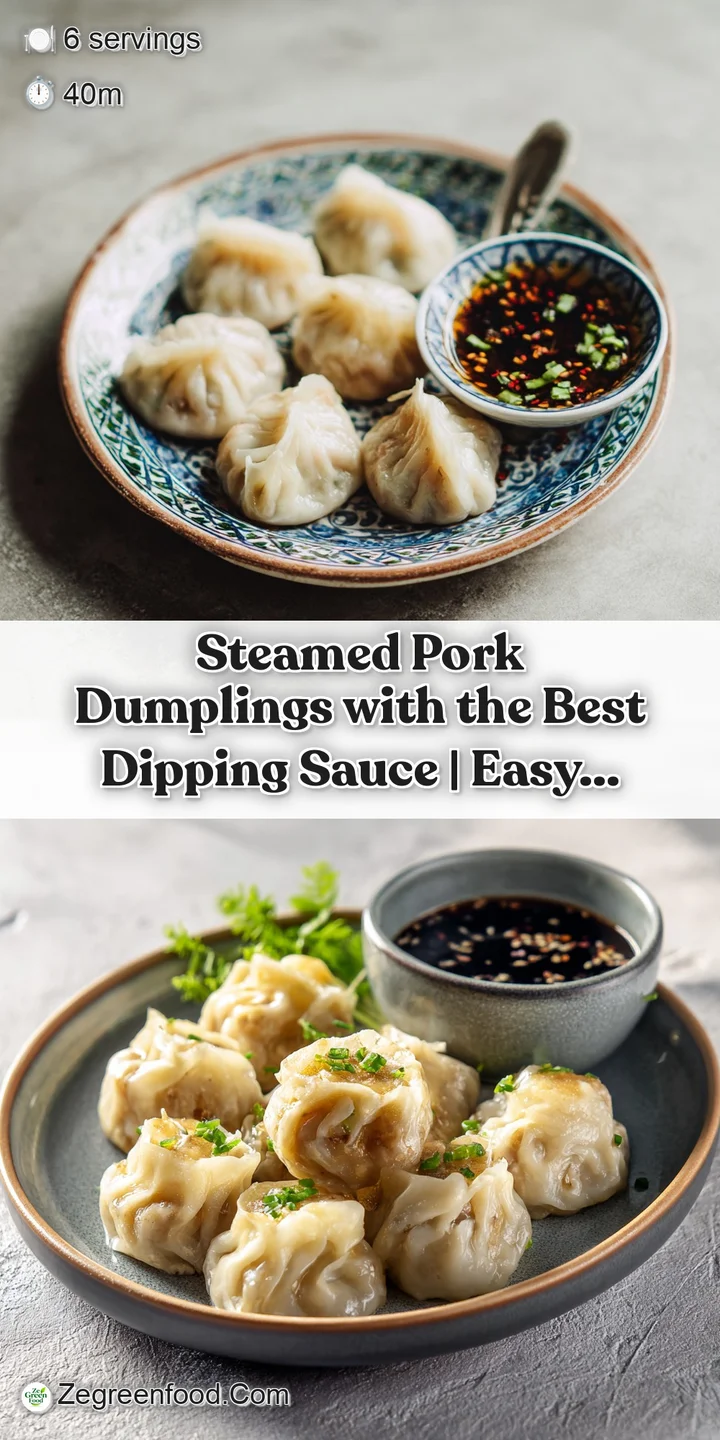
Discover the ultimate Steamed Pork Dumpling with the Best Dipping Sauce in this delicious recipe. We are going for that specific texture where the filling is a cohesive, springy ball rather than a crumbly mess of grey meat.
When you bite into these, you should hear a tiny pop as the skin yields to a burst of savory broth. It is comfort food at its most refined, yet it is entirely approachable for a home cook. We are focusing on family favorites here, making something that feels like a big hug in a bamboo basket.
The aroma in your kitchen is going to shift three distinct times while you make this. First, you'll get the sharp, clean zing of freshly grated ginger and the bright snap of green onions. Then, as the filling emulsifies, a deep, nutty scent of toasted sesame oil takes over.
Finally, when they hit the steam, the smell of warm wheat and savory pork fills the air, telling your brain that dinner is almost ready. It is a sensory experience that makes the 30 minutes of folding feel like a meditative retreat rather than a chore.
The Secret to Making Ultra Juicy Filling
Understanding why the meat stays moist is the difference between a "good" dumpling and a "can I have ten more" dumpling. It comes down to a few physical changes we force upon the pork.
- Unidirectional Stirring: When you stir meat rapidly in one direction, you align the protein fibers. This creates a mesh like structure that physically traps moisture inside.
- Cold Liquid Emulsification: Adding cold chicken broth slowly while stirring allows the pork to absorb the liquid. This turns a dry meatball into a tender, juicy "sausage" texture.
- Moisture Displacement: Squeezing the cabbage is vital. If the cabbage releases its water during steaming, it thins out the seasoned juices, leading to a bland, watery center.
- Fat Ratio Balance: Using an 80/20 pork ratio ensures enough rendered fat to carry the flavors of the ginger and white pepper across your palate.
| Cooking Method | Total Time | Resulting Texture | Best For |
|---|---|---|---|
| Stovetop (Steam) | 10 minutes | Silky, tender, and translucent skins | Traditionalists and health conscious cooks |
| Oven (Steam Bake) | 15 minutes | Slightly firmer skins with a chewy edge | Batch cooking without a large steamer |
| Stovetop (Pan Fry) | 12 minutes | Crunchy "potsticker" bottom with soft tops | Those who love a textural contrast |
Choosing between stovetop steaming and the oven depends on your gear. While steaming is the classic route for this recipe, you can mimic the effect in an oven by placing a tray of water on the bottom rack and baking the dumplings on a parchment lined sheet.
However, the stovetop steamer remains the king for that velvety, delicate finish we are aiming for today.
Essential Cooking Times and Yield Estimates
Before you start chopping, it helps to know exactly what you are getting into. This recipe is designed to be efficient, but don't rush the folding process it is part of the fun.
| Component Analysis | Science Role | Pro Secret |
|---|---|---|
| Ground Pork (1 lb) | Provides structural protein and essential fats | Use 80/20 ratio; lean meat makes a rubbery, dry filling |
| Chinkiang Vinegar | Balances fat with acidity and complex fermented notes | Never swap for white vinegar; the maltiness is non negotiable |
| Cold Chicken Broth | Creates the "juice" inside the dumpling | Must be ice cold to prevent the pork fat from melting too early |
| Napa Cabbage | Adds bulk and a subtle, refreshing sweetness | Salt it and squeeze it like it owes you money to prevent sogginess |
The chicken broth is the most underrated player here. Most home cooks skip it, thinking the meat provides enough moisture. But adding that extra 0.25 cup of liquid is what separates a dry meatball from a juicy masterpiece.
It’s a trick I learned after wondering why my favorite takeout spot always had such succulent centers.
The Components for Your Dumpling Feast
We are using ingredients that are generally easy to find, but quality matters here. If you can get to an Asian grocer, the black vinegar and Shaoxing wine will change your life. If not, I've got some swaps that won't ruin the vibe.
- 1 lb ground pork: Stick to the 80/20 lean to fat ratio. Why this? The fat carries the ginger and sesame flavors through the meat.
- 2 cups Napa cabbage: Finely shredded and squeezed dry. Why this? It provides a soft crunch without overpowering the pork.
- 3 green onions: Minced very finely. Why this? They provide a fresh, sharp contrast to the rich meat.
- 1 tbsp fresh ginger: Grated into a paste. Why this? Ginger is the primary aromatic that cuts through the pork's richness.
- 2 tbsp soy sauce: For the filling. Why this? It provides salt and that essential savory depth.
- 1 tbsp Shaoxing wine: Traditional Chinese cooking wine. Why this? It removes any "gamey" pork scent and adds a floral note.
- 1 tsp toasted sesame oil: For the filling. Why this? It adds a signature nutty aroma that defines the dish.
- 0.5 tsp white pepper: Earthy and sharp. Why this? It’s more traditional than black pepper and has a cleaner heat.
- 0.5 tsp salt: To season the cabbage and meat.
- 0.25 cup cold chicken broth: The "secret" for juiciness.
- 12 oz round dumpling wrappers: store-bought is perfectly fine.
- 3 tbsp light soy sauce: For the dipping sauce base.
- 2 tbsp Chinkiang black vinegar: The star of the sauce.
- 1 tbsp chili oil with flakes: For heat and texture.
- 1 tsp toasted sesame oil: For the sauce.
- 0.5 tsp sugar: To round out the sharp vinegar.
| Original Ingredient | Substitute | Why It Works |
|---|---|---|
| Shaoxing Wine | Dry Sherry | Similar alcohol content and slightly nutty, fermented profile |
| Chinkiang Vinegar | Balsamic + Rice Vinegar | Mix 1:1. Balsamic provides the dark color, rice vinegar the tang |
| Napa Cabbage | Regular Green Cabbage | Same texture, though Napa is slightly more tender and sweet |
Using dry sherry is a classic "chef's secret" when Shaoxing wine isn't on the shelf. It has that same fortified wine backbone that pairs so well with soy sauce. If you find yourself craving a different flavor profile for another night, you might enjoy this Teriyaki Tofu Bowl which uses similar pantry staples in a totally different way.
Tools of the Dumpling Trade
You don't need a lot of fancy gear, but a few specific items make the process much smoother. The bamboo steamer is iconic for a reason it absorbs excess steam so the dumplings don't get "sweaty."
- Large Mixing Bowl: For the filling.
- Bamboo Steamer or Metal Steamer Basket: For cooking.
- Microplane or Grater: To get that ginger into a fine paste.
- Chopsticks: These are actually the best tool for "beating" the meat in one direction.
- Parchment Paper or Cabbage Leaves: To line the steamer so the dumplings don't stick.
- Pastry Brush or your finger: For moistening the wrapper edges.
If you don't have a bamboo steamer, a metal one works, but you should wrap the lid in a clean kitchen towel. This prevents condensation from dripping back onto your beautiful dumplings and making the tops soggy. It is a small trick that saves many a dinner.
Preparing the Dumplings step-by-step
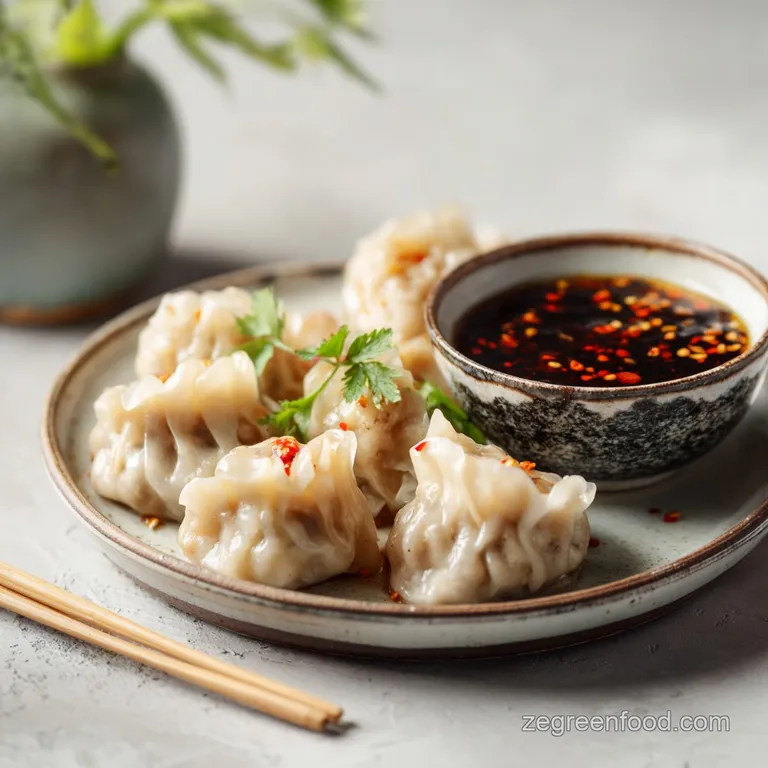
Let’s get into the actual cooking. Follow these steps closely, especially the stirring part. It might feel like you're overworking the meat, but trust me, you want that sticky consistency.
- Prepare the filling base: Place 1 lb ground pork in a large bowl. Add 2 tbsp soy sauce, Shaoxing wine, 1 tsp sesame oil, and white pepper. Note: Adding seasonings first allows them to penetrate the protein fibers before the liquids.
- Emulsify the meat: Using chopsticks or a fork, stir rapidly in one direction only while slowly drizzling in 0.25 cup cold chicken broth. Stir until the meat becomes sticky, pale, and cohesive.
- Add aromatics: Fold in 2 cups shredded cabbage (squeezed of excess moisture), 3 minced green onions, and 1 tbsp grated ginger. Note: You should smell a sudden burst of freshness as the ginger hits the meat.
- Assemble dumplings: Place a small spoonful of filling in the center of a wrapper. Moisten edges with water, fold, and pleat to seal. Keep the remaining wrappers covered with a damp cloth so they don't dry out.
- Steam: Arrange dumplings in a lined bamboo steamer, leaving about 1 inch of space between them. Steam over boiling water for 8-10 minutes. Wait until the skins are translucent and the pork feels firm when poked.
- Prepare sauce: Whisk together 3 tbsp light soy sauce, 2 tbsp black vinegar, 1 tbsp chili oil, 1 tsp sesame oil, and 0.5 tsp sugar in a small bowl.
- Check for doneness: Carefully lift one dumpling. The bottom should be firm, and the filling should look opaque through the skin.
- Rest and serve: Let them sit for 2 minutes before serving. Note: This lets the internal juices settle so they don't all run out on the first bite.
Chef's Note: If your wrappers are sticking to your hands, your kitchen might be too warm. Pop the wrappers in the fridge for 5 minutes to firm them up. Also, don't forget to squeeze that cabbage! I once skipped that and ended up with "puddle dumplings" that fell apart.
Fixing Common Texture and Flavor Issues
Even the most seasoned cooks run into trouble sometimes. Dumplings are simple, but they are sensitive to moisture levels and heat. If yours aren't coming out quite right, check this table.
Why Your Dumplings Fall Apart
This usually happens because of two things: either the seal wasn't tight enough, or the filling was too wet. If the filling has too much liquid, it creates steam pressure that can blow the pleats open. Always ensure you have a clean, dry edge before applying water to seal.
Why the Filling is Tough
If your filling feels like a hard ball of rubber, you likely over mixed the meat without adding enough liquid. The chicken broth is what creates a tender "honeycomb" structure inside the meat. Without it, the proteins bind too tightly and squeeze out all the moisture during cooking.
| Problem | Root Cause | Solution |
|---|---|---|
| Soggy Bottoms | Excess steam dripping from the lid | Wrap the steamer lid in a towel to absorb moisture |
| Dry Filling | Lean meat or skipped broth | Use 80/20 pork and don't skip the 0.25 cup broth |
| Wrappers Tearing | Over steaming or sticking | Line the steamer with parchment; stop at 10 minutes |
Common Mistakes Checklist:
- ✓ Squeeze the shredded cabbage in a kitchen towel until no more water comes out.
- ✓ Stir the pork in ONE direction only to develop the correct protein structure.
- ✓ Use cold broth, not room temperature, to keep the fats stable.
- ✓ Don't overcrowd the steamer; they expand slightly as they cook.
- ✓ Ensure the water is at a rolling boil before placing the steamer on top.
How to Scale Your Dumpling Production
Making a double batch is almost always a good idea because these disappear faster than you’d think. However, scaling requires a little bit of math to keep the flavors balanced.
To scale DOWN (½ batch): Use a smaller bowl so you can still stir vigorously enough to emulsify. Reduce steaming time by only 1-2 minutes; the thermal mass is smaller, but the skin still needs to cook.
If you have a partial egg or a small amount of meat, keep the seasonings proportional.
- Don't double the salt immediately
- Spices and salt don't always scale linearly. Use 1.5x the salt for a 2x batch, then taste a small pan-fried bit of filling to check.
- Work in batches
- Do not try to steam 40 dumplings at once unless you have a multi tier steamer. Overcrowding will lead to unevenly cooked meat.
- Keep the wrappers covered
- The longer it takes to fold, the more likely the last wrappers are to crack. Use a damp paper towel.
| Serving Count | Pork Amount | Cabbage Amount | Total Wrappers |
|---|---|---|---|
| 6 Servings | 1 lb | 2 cups | ~35-40 |
| 12 Servings | 2 lbs | 4 cups | ~75-80 |
| 18 Servings | 3 lbs | 6 cups | ~110-120 |
For a larger gathering, you could even serve these alongside a Kimchi and Dumpling Noodle Soup if you have leftover filling or wrappers. It’s a great way to use up every bit of your prep work.
Debunking Dumpling Myths
There are a lot of old wives' tales about dumplings that can actually make your cooking harder. Let’s clear a few up.
Myth: You must make your own wrappers for "authentic" results. Truth: Even in many Chinese households, store-bought wrappers are the standard for weeknight meals. They are consistent, thin, and save hours of labor. The "authenticity" is in the filling and the sauce.
Myth: Adding more fat makes them juicier. Truth: While fat is important, too much fat just makes the dumpling greasy. The "juice" is actually a result of the emulsified broth and the water released by the aromatics.
Myth: You should wash ground meat. Truth: Please don't. Washing meat spreads bacteria around your sink and ruins the texture of the pork. The high heat of the steam (212°F/100°C) is more than enough to make it safe.
Storage Guidelines and Zero Waste Tips
Dumplings are the ultimate meal prep food. They freeze beautifully and can be cooked straight from frozen without thawing.
Storage:Fridge: Store cooked dumplings in an airtight container for up to 3 days. The skins will toughen slightly, but they are still good. Freezer: Place uncooked dumplings on a tray in a single layer (not touching) and freeze until solid. Then transfer to a bag.
They will last for 2 months. Cook them for 12-14 minutes instead of 10.
- Leftover Filling
- If you run out of wrappers, pan fry the remaining filling as small patties. They are incredible on top of a salad or inside a wrap.
- Cabbage Scraps
- Don't throw away the tough outer leaves of the Napa cabbage. Use them to line your steamer instead of parchment paper. They add a nice aroma and keep the dumplings from sticking.
- Sauce Dregs
- If you have leftover dipping sauce, use it as a marinade for chicken or toss it with some cold noodles for a quick lunch the next day.
Creative Presentation and Serving Styles
We eat with our eyes first, especially when it comes to family favorites. A little effort in how you plate these can make a Tuesday night feel like a special occasion.
- The Circular Fan: Arrange the dumplings in a circle with the pleats facing inward. Place the bowl of the Best Dipping Sauce right in the center. This creates a beautiful focal point for the table.
- Garnish with Intention: Don't just throw green onions on top. Slice them into very long, thin curls by soaking them in ice water for a few minutes. Add a sprinkle of toasted sesame seeds for a bit of crunch.
- The Steam Reveal: If you are using a bamboo steamer, bring it straight to the table on a plate. Opening the lid in front of your guests releases that incredible aromatic cloud and keeps the dumplings hot while people serve themselves.
When you dip a hot dumpling into that dark, spicy sauce, the sugar in the sauce balances the salt of the pork, while the vinegar cuts right through the richness. It is a perfect loop of flavor. If you're looking for another plant forward side to go with this, a Vegan Cobb Salad offers a smoky, fresh crunch that contrasts wonderfully with the soft, steamed dumplings. Enjoy the process the folding gets easier after the first ten, I promise!
Very High in Sodium
1140 mg 1140 mg of sodium per serving (50% 50% of daily value)
The American Heart Association recommends a limit of about 2,300mg per day for adults, aiming for an ideal limit of about 1,500mg per day for most adults, especially those with high blood pressure.
Tips to Reduce Sodium in Your Dumplings
-
Low-Sodium Broth-30%
Replace the 0.25 cup of cold chicken broth with low-sodium chicken broth. This can significantly cut down on added salt.
-
Halve the Salt-25%
Reduce the 0.5 tsp of added salt in the filling by half. You can always add more salt at the table if needed.
-
Reduced Sodium Soy Sauce-20%
Switch to low-sodium soy sauce for both the filling (2 tbsp) and the dipping sauce (3 tbsp).
-
Lower Sodium Dipping Sauce Components-20%
While Chinkiang black vinegar and chili oil are less of a concern, ensure your light soy sauce for the dipping sauce is also low-sodium.
-
Boost Fresh Flavors
Amplify the natural flavors of your dumplings by adding extra fresh ginger, green onions, and potentially other aromatics like garlic. This enhances taste without relying on salt.
Recipe FAQs
What is the best dipping sauce for pork dumplings?
Whisk together light soy sauce, Chinkiang black vinegar, chili oil, sesame oil, and sugar. This combination balances salty, tangy, and spicy notes perfectly to cut through the richness of the pork filling.
Can I eat these dumplings if I have diabetes?
Consult your healthcare provider regarding your specific dietary needs. While these dumplings contain protein and fiber from cabbage, they also feature wheat based wrappers and a sugar containing sauce which impact blood glucose levels.
How to ensure the pork filling has the right texture?
Stir the pork mixture rapidly in one direction while slowly drizzling in cold chicken broth. This technique emulsifies the fat and broth, creating a sticky, cohesive texture that ensures the dumplings remain juicy after steaming.
How to cook dumplings if they are frozen?
Steam the frozen dumplings directly in the bamboo steamer for 12-14 minutes. Do not thaw them first, as they will lose their shape and become soggy; just increase the steaming time to ensure the pork is fully cooked.
Is it necessary to use a double boiler to steam these dumplings?
No, this is a common misconception. A traditional bamboo steamer placed over boiling water works best and is the standard method for achieving translucent, tender skins within 8-10 minutes.
How to prevent the dumpling wrappers from tearing during assembly?
Moisten the edges of the wrapper with a small amount of water before pleating to seal. Using the right amount of filling just a small spoonful prevents overstuffing, which is the most common cause of bursting during the steaming process.
How to keep the cabbage from making the dumpling skins soggy?
Squeeze the shredded cabbage thoroughly to remove excess moisture before folding it into the pork mixture. Removing this liquid ensures the filling stays moist without making the dumpling wrappers wet or prone to falling apart.
Steamed Pork Dumpling Recipe
Ingredients:
Instructions:
Nutrition Facts:
| Calories | 412 kcal |
|---|---|
| Protein | 17.9 g |
| Fat | 21.4 g |
| Carbs | 36.8 g |
| Fiber | 1.8 g |
| Sugar | 1.2 g |
| Sodium | 1140 mg |
