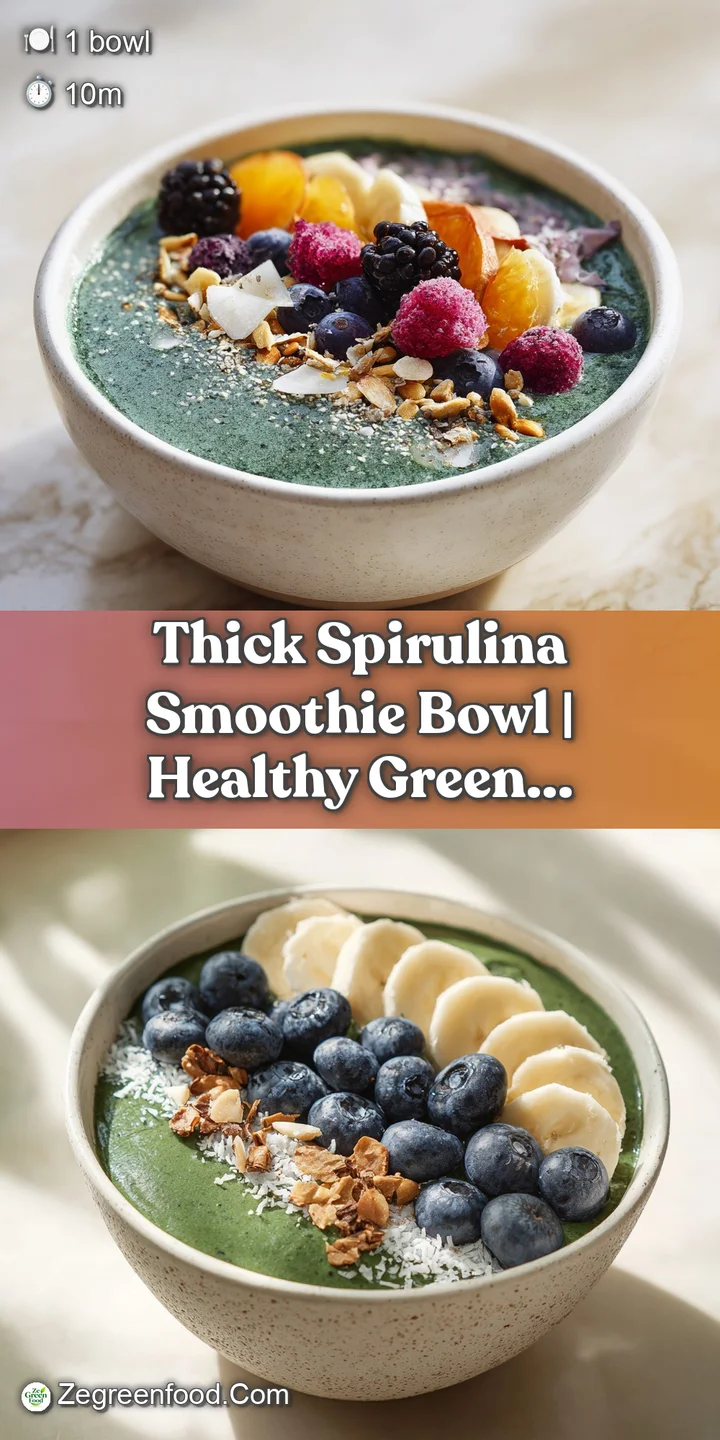
Thick Spirulina Smoothie Bowl: Velvety & Frozen
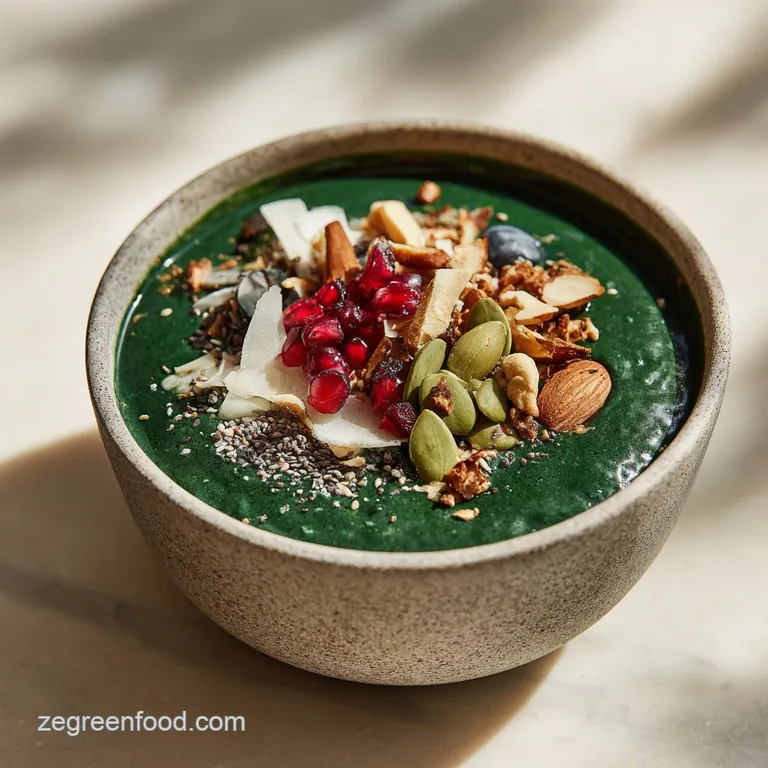
- Time: Active 10 minutes, Passive 0 mins, Total 10 minutes
- Flavor/Texture Hook: Earthy sweet with a velvety, frozen custard texture
- Perfect for: Post workout recovery or high performance breakfast
- Mastering the Science of a Thick Spirulina Smoothie Bowl
- Why This Recipe Works
- Precision Specs for the Perfect Texture
- The Functional Chemistry of Every Ingredient
- Essential Tools for High Velocity Blending
- Step-by-Step Method for Optimal Emulsification
- Troubleshooting Texture and Solving Flavor Imbalances
- Nutrient Dense Modifications and Creative Swaps
- Storage Strategies and Reducing Kitchen Waste
- Synergistic Pairings for Functional Health
- Myths Regarding Frozen Nutrition
- Recipe FAQs
- 📝 Recipe Card
Mastering the Science of a Thick Spirulina Smoothie Bowl
The first time I attempted a green bowl, it was a literal disaster. I expected a lush, vibrant forest green scoop, but what I got was a murky, lukewarm soup that barely held a single blueberry on the surface. It was a failure of physics, honestly.
I hadn't accounted for the thermal mass of the ingredients or the way sugar affects the freezing point. But when you finally get that high speed motor roaring and see the distinct "four mound" vortex forming, you know you've nailed the architecture of a true thick spirulina smoothie bowl.
The aroma is surprisingly clean. You might expect the spirulina to smell like a pond, but when it's balanced with fresh lime juice and vanilla protein, it transforms into something bright and refreshing. The texture is the real star here.
As you drag your spoon through the bowl, it should create a deep, visible furrow that doesn't collapse. It should shatter the expectations of what a "smoothie" is supposed to be.
We are moving away from the world of juice bar slurries and into the territory of functional food engineering. By understanding how frozen fibers interact with healthy fats, we can create a meal that keeps you satiated for hours.
Trust me on this: once you see that velvety, matte finish on your base, you'll never go back to those watery, ice heavy versions again.
Why This Recipe Works
To achieve a consistency that rivals soft serve ice cream, we have to look at the structural integrity of our ingredients. It isn't just about throwing things in a blender and hoping for the best. We are dealing with frozen cellular structures and emulsification.
- Cryogenic Texturizing: Using frozen steamed cauliflower rice introduces cellulose and fiber without the high sugar content of extra fruit, creating a "frozen matrix" that holds its shape at room temperature.
- Pectin Stabilization: The frozen mango chunks provide high levels of pectin, which acts as a natural thickener and stabilizer, preventing the water in the cashew milk from separating.
- Lipid Emulsification: The almond butter contains fats that, when blended at high speeds, emulsify with the liquid, creating a creamy mouthfeel that coats the tongue and offsets any grittiness from the spirulina.
- pH Balancing: Fresh lime juice doesn't just add flavor; it cuts through the alkaline profile of the spirulina, neutralizing the "ocean" aftertaste and keeping the green pigment vibrant.
| Method | Total Time | Resulting Texture | Retention Time |
|---|---|---|---|
| Standard Blender | 4 minutes | Slushy/Runny | 5 minutes before melting |
| High Speed + Tamper | 10 minutes | Gelato like/Dense | 15 minutes before melting |
| Food Processor | 6 minutes | Grainy/Aerated | 8 minutes before melting |
Choosing the right method is essential for success. While a food processor can handle frozen fruit, it often incorporates too much air, which leads to a fluffier, less dense result. For the ultimate texture, the high speed blender with a manual tamper is the undisputed champion of the kitchen.
Precision Specs for the Perfect Texture
When we talk about "optimization" in the kitchen, we're looking for those specific numeric markers that guarantee success. I've spent enough mornings with a runny bowl to know that "eyeballing it" is the enemy of the thick spirulina smoothie bowl. You need to respect the ratios.
If you find yourself struggling with a blender that won't move, don't just pour in more milk. That is the quickest way to ruin the viscosity. Instead, let the frozen fruit sit at room temperature for exactly 2 minutes before blending.
This "tempering" allows the very outer layer of the fruit to soften just enough for the blades to catch, without compromising the frozen core that provides the thickness.
| Thickness | Blending Speed | Tamper Usage | Visual Cue |
|---|---|---|---|
| 1.5 inches | High (Variable 10) | Constant pressure | Deep vortex "hills" |
| 0.5 inches | Medium (Variable 6) | Occasional | Flat, swirling surface |
| Liquid | Low (Variable 2) | None | Bubbling at the center |
Leveraging Cryogenic Texturizing
The cauliflower rice is my secret weapon for raw nutrition. By steaming it before freezing, we break down the tough cruciferous fibers, making it easier on your digestive system while retaining that icy structure.
It’s a trick I learned when I was trying to lower the glycemic load of my morning routine without sacrificing the volume I love.
Emulsifying with Plant Based Fats
The almond butter acts as the "glue" in this recipe. Without a concentrated source of fat, the frozen water crystals in the fruit will feel sharp on the palate. The lipids in the nut butter bridge the gap between the liquid cashew milk and the solid frozen bananas, creating a silky finish.
Optimizing the Blending Vortex
A vortex isn't just a cool visual; it's a sign of a perfect air to solid ratio. If your blender is screaming but nothing is moving, you've hit an air pocket. Stop the motor, use the tamper to press the ingredients back into the blades, and restart at the lowest speed before ramping back up to high.
The Functional Chemistry of Every Ingredient
Understanding what each component brings to the table allows you to swap with confidence. This isn't just a list of food; it's a collection of functional assets that work together to create a specific biological and culinary outcome.
| Ingredient | Science Role | Pro Secret |
|---|---|---|
| Frozen Bananas | High starch/sugar base | Freeze them when spotted for maximum sweetness |
| Green Spirulina | Nutrient dense pigment | Mix with dry protein first to prevent clumping |
| Cashew Milk | Low viscosity lubricant | Use homemade for a higher fat content |
- 1.5 cups (225g) frozen bananas, sliced: These provide the creamy base and natural sweetness.
- 0.5 cup (80g) frozen mango chunks: Mango adds a tropical note and essential pectin for thickness.
- 0.25 cup (40g) frozen steamed cauliflower rice: Adds volume and fiber with zero flavor interference.
- 1.5 tsp (3g) green spirulina powder: The superfood star, packed with antioxidants.
- 1 scoop (30g) vanilla plant based protein powder: Essential for muscle recovery and stabilizing the texture.
- 1 tbsp (16g) almond butter: Provides the fat needed for a velvety mouthfeel.
- 0.5 cup (120ml) unsweetened cashew milk: The minimal liquid needed to get the blades moving.
- 1 tsp (5ml) fresh lime juice: Brightens the entire flavor profile.
For those who enjoy a variety of flavors, you might find that the base technique here is quite similar to my Mixed Berry Smoothie recipe, though we use much less liquid here to keep it spoonable. If you're out of mango, try using frozen peaches or even more banana for a similar sugar to pectin ratio.
| Original Ingredient | Substitute | Why It Works |
|---|---|---|
| Cashew Milk | Coconut Milk (canned) | Higher fat content; makes it even creamier but adds coconut flavor |
| Almond Butter | Sunflower Seed Butter | Nut free alternative with a similar fat to protein ratio |
| Green Spirulina | Blue Spirulina | Similar benefits but offers a vibrant sky blue color and milder taste |
Essential Tools for High Velocity Blending
You cannot make a truly thick spirulina smoothie bowl with a weak motor. It just won't happen. You'll end up adding so much liquid to help the blender along that you'll be drinking your breakfast through a straw. I recommend a high speed blender like a Vitamix or a Blendtec.
These machines are engineered to handle the resistance of frozen fruit without overheating.
A manual tamper is also non negotiable. This tool allows you to push the frozen ingredients into the blades safely while the motor is running. It's the only way to achieve that "four mound" finish that indicates a perfectly thick blend.
If you don't have a tamper, you'll have to stop the blender every 10 seconds to scrape down the sides, which allows the fruit to melt and ruins the texture.
Chef's Tip: Freeze your blender jar for 10 minutes before using it. This prevents the heat from the motor from melting the bottom layer of your smoothie while you're trying to process the top.
step-by-step Method for Optimal Emulsification
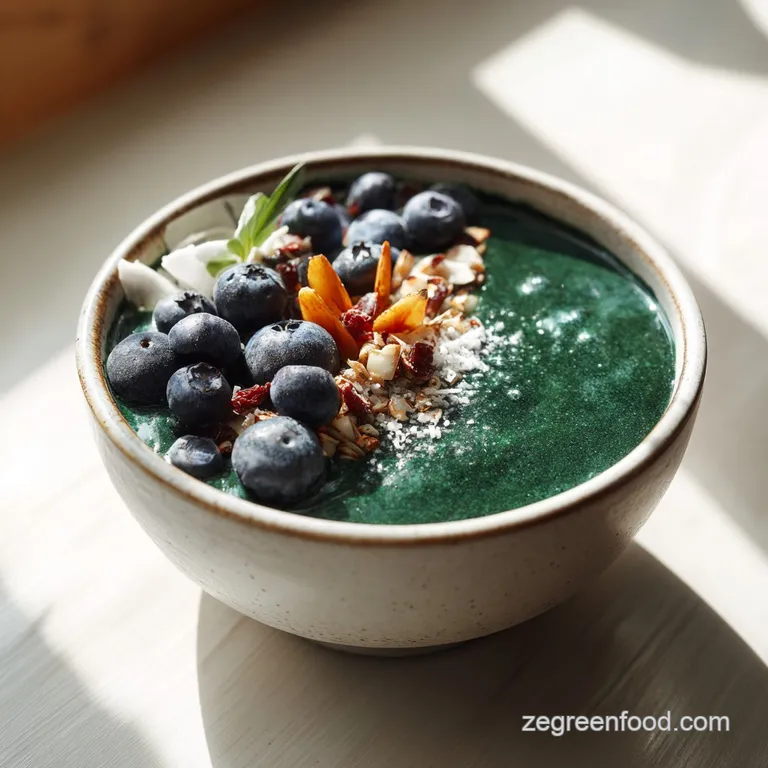
- Chamber Loading: Pour the 0.5 cup (120ml) cashew milk and 1 tsp (5ml) lime juice into the blender jar first. Note: Liquid at the bottom creates a lubricant for the blades.
- Dry Integration: Add the 1.5 tsp (3g) spirulina and 1 scoop (30g) vanilla protein powder. Note: This ensures the powders are fully hydrated before the heavy solids arrive.
- The Frozen Base: Layer the 0.25 cup (40g) frozen cauliflower rice and 1 tbsp (16g) almond butter on top of the powders.
- Bulk Solids: Add the 0.5 cup (80g) mango chunks and finally the 1.5 cups (225g) frozen bananas.
- Low Start: Turn the blender to its lowest setting and pulse 3-5 times until the liquid begins to coat the bottom fruit.
- The Ramp Up: Increase the speed to medium high while using the tamper to aggressively push the fruit into the corners of the jar.
- Vortex Watch: Blend on high for 30-45 seconds until the motor sound changes to a deep hum and four mounds appear.
- The Flip Test: Stop the motor and tilt the jar. The mixture should stay firmly in place without sliding toward the lid.
- Plating: Use a silicone spatula to scoop the mixture into a chilled bowl.
- Finishing: Garnish immediately while the base is still at its peak frozen state.
If you enjoy the creaminess of this method but want something with a different flavor profile, the technique is very similar to my Creamy Avocado Banana recipe, which uses healthy fats to achieve a similar density.
Troubleshooting Texture and Solving Flavor Imbalances
The biggest challenge with spirulina is the flavor. If you use a brand that isn't high-quality, it can taste "swampy." That's where the lime juice and vanilla come in. They act as aromatic blockers.
If your bowl still tastes a bit too much like the ocean, add an extra pinch of sea salt; it sounds counterintuitive, but salt suppresses bitterness and enhances the sweetness of the mango.
Preventing the Blade Spin
If your blades are spinning but nothing is moving, you've created an air pocket (cavitation). This happens when the ratio of frozen solids to liquid is too high for the motor's current speed. Don't add more milk yet! Use your tamper to push the frozen mass down into the blades.
If it's still stuck, add exactly 1 tablespoon of milk at a time until movement resumes.
Neutralizing the Ocean Aftertaste
Spirulina is a blue green algae, and its flavor is unmistakably "green." If you are sensitive to this, try using "Blue Spirulina" (phycocyanin extract) instead. It has a much more neutral, almost flavorless profile while still providing the antioxidant benefits.
| Problem | Root Cause | Solution |
|---|---|---|
| Soup like texture | Too much liquid or fresh fruit | Use only frozen fruit and stick to the 0.5 cup milk limit |
| Gritty mouthfeel | Protein powder didn't hydrate | Add liquid and powders first and pulse before adding fruit |
| Bitter flavor | Low quality spirulina | Add more lime juice or a touch of maple syrup to balance |
Common Mistakes Checklist
- ✓ Using fresh bananas instead of frozen (this will never be thick).
- ✓ Adding the frozen fruit before the liquid (creates air pockets).
- ✓ Over blending (the friction from the blades generates heat, which melts the bowl).
- ✓ Using a "weak" plant milk like almond water; cashew or soy provide better fat for emulsification.
- ✓ Skipping the lime juice, which is vital for color and flavor balance.
Nutrient Dense Modifications and Creative Swaps
Once you've mastered the base thick spirulina smoothie bowl, you can start playing with the functional additions. This recipe is a canvas for your specific health goals. Whether you're looking for more protein, less sugar, or a different color, the physics remains the same.
The Blue Ocean Variation
Swap the green spirulina for 1 teaspoon of blue spirulina. This variation is particularly popular because of its "aesthetic" appeal. It pairs beautifully with coconut flakes and white chia seeds, creating a stunning contrast that looks like a tropical ocean.
Low Sugar Keto Swap
If you are watching your sugar intake, replace the 1.5 cups of bananas with 1.5 cups of frozen zucchini coins. You will need to add a few drops of liquid stevia or monk fruit to compensate for the loss of sweetness, but the zucchini provides a remarkably similar creamy texture when blended.
Spirulina Smoothie Bowl Topping Ideas
- Crunch
- Buckwheat groats, hemp hearts, or cacao nibs provide a "shatter" that offsets the silky base.
- Freshness
- Sliced strawberries or kiwi add a tart acidity.
- Fats
- A drizzle of tahini or extra almond butter adds richness.
For a different tropical vibe, you can also check out my Tropical Mango Turmeric recipe, which uses many of the same stabilizing principles but focuses on anti inflammatory spices.
Storage Strategies and Reducing Kitchen Waste
Smoothie bowls are best enjoyed immediately. The second they are exposed to the air and the heat of the room, the delicate frozen matrix begins to collapse. However, if you find yourself with leftovers, don't throw them away!
Storage Guidelines:Fridge: Not recommended. It will turn into a green juice within 30 minutes. Freezer: You can pour leftovers into a silicone muffin tin or ice cube tray.
Freeze these "smoothie cubes" and pop them into your next blend for an instant chill and nutrient boost.
Zero Waste Tips: Don't toss those overripe, brown bananas. Those are actually the best for smoothie bowls because their starch has converted to sugar, making them sweeter and creamier. Peel them, slice them, and freeze them in a single layer on a baking sheet before transferring to a bag.
Also, if you have the stems from the cauliflower you used for the rice, those can be steamed and frozen too they blend up just as smoothly as the florets!
Synergistic Pairings for Functional Health
To make this a complete high performance meal, think about what you are serving alongside it. While the bowl is nutrient dense, pairing it with a warm beverage can help with digestion, especially since the bowl is so cold.
A simple ginger tea or a warm lemon water can help "wake up" the digestive enzymes after consuming a frozen meal.
Functional Serving Suggestions
I prefer to serve this in a heavy ceramic or wooden bowl. Glass and plastic transfer heat too quickly, causing the edges to melt before you've finished. If you really want to go the extra mile, put your serving bowl in the freezer for 5 minutes before you start blending.
It’s a small step that makes a massive difference in how long that thick texture lasts.
When scaling this recipe for two people, don't just double everything blindly. Scaling Up: Double the frozen fruit and protein, but only use 0.75 cups of cashew milk (1.5x instead of 2x). This prevents the mixture from becoming too liquid in the larger volume.
Scaling Down: If you only want a snack sized portion, use a smaller blender jar (like a 32oz instead of 64oz). If the jar is too big for the volume of food, the blades won't be able to catch the ingredients effectively.
Myths Regarding Frozen Nutrition
There is a common misconception that frozen fruit and vegetables are less nutritious than fresh ones. In reality, fruit destined for the freezer is usually picked at peak ripeness and "flash frozen," which locks in the micronutrients.
Fresh produce often spends days or weeks in transport, losing vitamin C and antioxidants along the way. For a recipe like this, frozen is actually superior both for texture and nutrition.
Another myth is that you need "special" spirulina to avoid the fishy taste. While quality matters, the "fishiness" is often just a result of oxidation. Keep your spirulina powder in a cool, dark place, and make sure the bag is sealed tight.
If it's been sitting open for six months, it's going to taste a lot more like the ocean than a fresh bag would.
Finally, some people believe that you can't get enough protein from a plant based bowl. With 29.1 grams of protein in this single serving, that is clearly not the case. Between the plant based protein powder, the almond butter, and the spirulina itself (which is about 60% protein by weight), this is a powerhouse meal that supports muscle synthesis just as well as any dairy based alternative.
Trust the science, follow the ratios, and enjoy the most satisfyingly thick bowl you've ever made.
Recipe FAQs
How do you make a smoothie bowl thick?
Use minimal liquid and maximum frozen, low-water ingredients. The secret is using high speed blending with a tamper and incorporating frozen vegetables like cauliflower rice, which adds bulk without extra sugar.
If you master the ratio control here, you'll see similar texture success when making a [Clear Skin Celery recipe] base.
Is it safe to drink spirulina every day?
Yes, generally it is safe for most people. Spirulina is rich in protein and B vitamins, making it a fantastic daily nutritional supplement. Always start slow to gauge your body's reaction, and consult a doctor if you have existing conditions like PKU.
What should I not mix spirulina with?
Avoid mixing it with high doses of Vitamin C close to consumption. While the interaction is minor, high levels of Vitamin C can sometimes degrade the beneficial pigment (phycocyanin) in spirulina. Separating your main dose of Vitamin C by an hour is an easy preventative step.
How to make spirulina smoothie bowl?
Load your blender in this specific order: liquid, powder, fats/soft solids, then hard frozen ingredients. This layering ensures the powder hydrates properly before the blades are bogged down by the frozen fruit. Always start the blender on low before rapidly increasing the speed.
Can I use fresh spirulina instead of powder?
No, you should stick to the powder form for this application. Fresh or liquid spirulina adds too much immediate water content, which is the enemy of a thick bowl consistency. The powder integrates better with the other dry ingredients first.
Why is my spirulina bowl tasting bitter or like the ocean?
This is usually due to poor quality spirulina or using too much of it. Counteract the bitterness by adding acid, like fresh lime or lemon juice, which balances the alkaline flavor profile.
If you are seeking a similar creamy texture but with less earthy flavor, try my [Coffee Banana Smoothie recipe] formula.
Do I have to use frozen bananas for thickness?
Yes, frozen bananas are crucial for achieving a true thick texture. Fresh bananas break down too quickly and release excess water, turning your bowl into a thin shake. Freezing provides the dense, icy structure necessary to hold the shape.
Thick Spirulina Smoothie Bowl
Ingredients:
Instructions:
Nutrition Facts:
| Calories | 490 calories |
|---|---|
| Protein | 29.1 g |
| Fat | 12.3 g |
| Carbs | 74 g |
| Fiber | 10.5 g |
| Sugar | 38.2 g |
| Sodium | 285 mg |
