Healthy Bibimbap Recipe Vegetarian
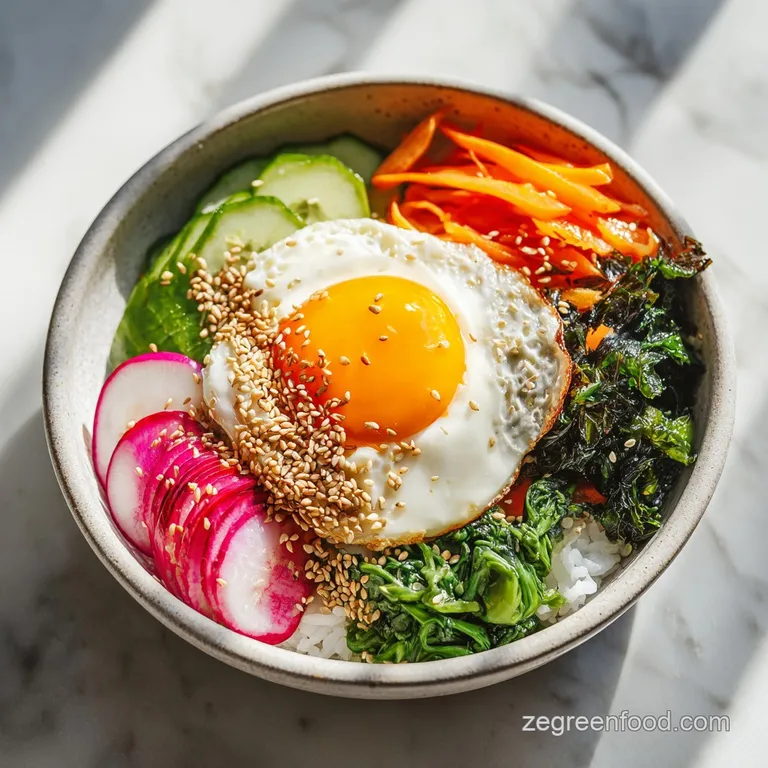
- Time: Active 25 minutes, Passive 20 minutes, Total 45 minutes
- Flavor/Texture Hook: Crispy charred rice with earthy shiitake mushrooms and a tangy sweet chili glaze
- Perfect for: Nourishing weeknight dinners or meal prep for busy families
- Creating the Ultimate Healthy Bibimbap Recipe Vegetarian
- Why These Earthy Components Work Together
- The Science Behind the Component Analysis
- Essential Ingredients and Their Healthy Substitutions
- Kitchen Tools for a Better Result
- Step-by-Step Guide to a Vibrant Bowl
- Avoiding Common Sogginess and Texture Issues
- Adjusting Portions for Every Family Size
- Debunking Common Myths About Korean Cooking
- Fresh Storage and Using Your Scraps
- Perfect Complements
- High in Sodium
- FAQ
- Troubleshooting Common Issues
- Recipe FAQs
- 📝 Recipe Card
Creating the Ultimate Healthy Bibimbap Recipe Vegetarian
The first time I tried to make a healthy bibimbap recipe vegetarian at home, my kitchen smelled like a dream but the texture was a total disaster. I had everything ready, the nutty toasted sesame oil was fragrant, and the colorful veggies were glistening, but I dumped it all into a cold bowl.
It was good, sure, but it lacked that signature "soul" - the crunch. I realized later that the magic happens in the pan, where the rice gets to sit and sizzle until it develops a golden crust that shatters when you finally stir everything together.
Now, this has become a staple family favorite in our house. It is the ultimate "fridge cleaner" that feels like a gourmet treat. We have moved away from heavy meats and focused on the earthy depth of shiitake mushrooms and the satisfying bite of pressed tofu.
Whether you are a long time plant based eater or just trying to get more greens onto the kids' plates, this bowl is the answer. It is messy, colorful, and honestly, the most fun you can have with a bowl of rice.
We are going for a version that is lighter but doesn't skimp on the comfort food vibes. By using short grain brown rice, we get a much deeper flavor and more fiber than the traditional white rice. Trust me, once you hear that rice start to crackle in the skillet, you will never want to order takeout again.
It’s all about building layers of flavor, from the garlicky spinach to the zingy sauce that ties it all together.
Why These Earthy Components Work Together
Starch Retrogradation: Using slightly cooled or short grain brown rice allows the starches to firm up, ensuring the rice sears into a crispy crust rather than turning into mush.
Maillard Reaction: Searing the extra firm tofu at a high temperature creates a savory, browned exterior through the reaction of proteins and sugars, providing a meaty texture.
Emulsification Stability: Mixing the gochujang with sesame oil and maple syrup creates a stable, glossy sauce that clings to the vegetables instead of pooling at the bottom of the bowl.
Cellulose Softening: A quick blanch of the sprouts and spinach breaks down tough fibers while maintaining a bright, vibrant color and a gentle snap.
| Cooking Method | Time | Texture Result | Best For |
|---|---|---|---|
| Cast Iron Skillet | 12 minutes | Thick, even golden crust | Getting that "stone pot" feel at home |
| Non Stick Pan | 8 minutes | Lightly toasted, fluffy | Quick weeknight cleanup |
| oven-roasted | 20 minutes | Consistent chew, less oil | Large batches for family gatherings |
Choosing your cooking method depends on how much you value that bottom crunch. If you have a cast iron skillet, use it. The way it holds heat creates a crust that is almost like a savory cracker at the base of your healthy bibimbap recipe vegetarian.
It takes a few extra minutes but the payoff in texture is massive compared to a standard non stick pan.
The Science Behind the Component Analysis
| Component | Science Role | Pro Secret |
|---|---|---|
| Short grain Brown Rice | Structural Base | Soak for 30 minutes before cooking to ensure a tender interior with a crispy shell. |
| Extra firm Tofu | Protein Density | Press for at least 20 minutes; removing excess water allows for a much faster, deeper sear. |
| Gochujang Paste | Flavor Catalyst | The fermented peppers provide "umami" which satisfies the palate in the absence of meat. |
| Toasted Sesame Oil | Aromatic Fat | Add a tiny splash at the very end of cooking to preserve the delicate, nutty volatile oils. |
Essential Ingredients and Their Healthy Substitutions
To get this recipe vegetarian just right, you need a balance of colors and textures. We use 2 cups of short grain brown rice cooked in 3 cups of water as our foundation. The "Namul" or vegetable portion consists of 200g of fresh spinach, 200g of soy bean sprouts, 2 julienned carrots, and 1 large zucchini sliced into half moons.
For that deep, savory note, 8 thinly sliced shiitake mushrooms are non negotiable.
The protein comes from 400g of extra firm tofu, which we cube and sear with 1 tbsp of tamari. And of course, the signature vegetarian bibimbap sauce is a blend of 3 tbsp gochujang, 1 tbsp maple syrup, 1 tbsp toasted sesame oil, 1 tsp rice vinegar, and a splash of water. If you're looking for more ways to use these types of ingredients, you might enjoy my High Protein Quinoa recipe which uses a similar avocado and grain base.
| Original Ingredient | Substitute | Why It Works |
|---|---|---|
| Gochujang | Miso + Sriracha | Miso provides the fermentation depth while Sriracha adds the necessary heat. |
| Tamari | Liquid Aminos | Same salty profile with a slightly sweeter finish and less sodium. |
| Brown Rice | Quinoa | Cooked quinoa crisps up faster and offers a higher protein to carb ratio. |
| Maple Syrup | Honey | Similar viscosity; note that honey adds a floral note that maples lacks. |
While brown rice is traditional for a healthier spin, don't be afraid to experiment with other grains if that's what you have in the pantry. The goal is a grain that can stand up to the heat of the pan without disintegrating into a paste.
Kitchen Tools for a Better Result
You don't need a traditional Korean dolsot (stone pot) to make an incredible veggie bibimbap recipe, though it certainly helps. A heavy bottomed cast iron skillet is my favorite substitute because it mimics that intense, even heat.
You will also need a sharp chef's knife for all that julienning those carrots should be thin enough to cook in seconds.
A tofu press is a life saver here, but if you don't have one, a couple of heavy plates and some paper towels work just fine. You'll also need a small whisk for the sauce to ensure the gochujang is fully incorporated with the maple syrup and oil.
Finally, grab a wide spatula; you want to be able to lift the rice in big sections when you check for that golden crust.
step-by-step Guide to a Vibrant Bowl
- Prepare the rice. Rinse 2 cups of short grain brown rice until the water runs clear. Combine with 3 cups of water and cook until tender. Note: Using a rice cooker makes this effortless, but stovetop works too.
- Press the tofu. Slice 400g of extra firm tofu into cubes and press between towels for 20 minutes. Note: This is the secret to getting a crispy exterior rather than a rubbery one.
- Blanch the greens. Boil the 200g of bean sprouts and 200g of spinach separately for 2 minutes each. Immediately plunge into ice water until cold to stop the cooking.
- Season the blanched veggies. Squeeze all water out of the spinach and sprouts. Toss with a dash of minced garlic and a few drops of toasted sesame oil.
- Sauté the aromatics. Heat a splash of oil in a pan and cook the julienned carrots and zucchini half moons separately over medium high heat until they are just softened but still bright.
- Brown the mushrooms. Sauté 8 sliced shiitake mushrooms with 1 tsp of minced garlic. Cook until the edges are curled and slightly charred.
- Sear the tofu. In the same pan, add 1 tbsp of oil and fry the tofu cubes. Add 1 tbsp of tamari at the very end, tossing until the liquid evaporates and coats the tofu in a dark, savory glaze.
- Whisk the sauce. Combine 3 tbsp gochujang, 1 tbsp toasted sesame oil, 1 tbsp maple syrup, 1 tsp rice vinegar, and 1 tbsp water. Whisk until the sauce is silky and pours easily.
- Crisp the rice. Heat 1 tbsp of toasted sesame oil in a large cast iron skillet. Spread the cooked rice in an even layer. Cook undisturbed for 5-7 minutes until you hear a consistent crackling sound.
- Assemble and fry eggs. Arrange the vegetables and tofu in sections over the rice. While the rice continues to crisp, fry 4 large eggs in a separate pan until the whites are set but the yolks remain liquid and velvety.
Avoiding Common Sogginess and Texture Issues
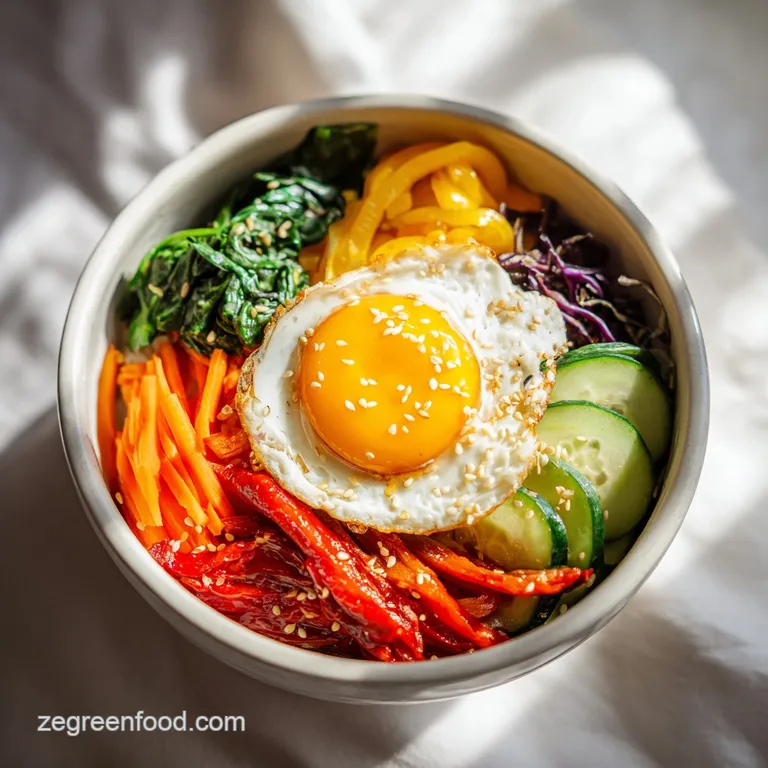
Why Your Rice is Smashed
If your rice feels like a globby mess rather than distinct grains, you likely used too much water or over stirred it while it was boiling. Brown rice needs a specific ratio to stay firm.
Why Your Tofu is Soft
Tofu acts like a sponge. If you don't press it long enough, the internal steam will prevent the outside from ever getting that "shatter" crunch we want.
| Problem | Root Cause | Solution |
|---|---|---|
| Bland Vegetables | Under seasoning during sauté | Add a pinch of salt to each vegetable as it hits the pan to draw out flavor. |
| Soggy Spinach | Excess water retention | Squeeze the blanched spinach in a clean kitchen towel until not a single drop remains. |
| Burned Rice | Heat too high | Reduce heat to medium low once the sizzle starts; it needs time, not just high heat. |
Chef's Tip: If you want an even deeper flavor, sauté your mushrooms in a dry pan first to cook out their moisture, then add the oil and garlic at the very end. This prevents them from becoming "boiled" in their own juices.
✓ Pat tofu completely dry with a paper towel even after pressing. ✓ Do not mix the vegetables together in the pan; cook them in separate "piles" to maintain individual flavors. ✓ Ensure the skillet is hot before the rice hits it you should hear an immediate sizzle.
✓ Use a lid while cooking the rice initially, but leave it off when searing the bottom to let steam escape. ✓ Always serve the sauce on the side or in the center so people can control their own spice level.
Adjusting Portions for Every Family Size
When scaling this healthy bibimbap recipe vegetarian down for two people, you can actually cook all the vegetables together if you don't mind the colors bleeding a bit. It saves time on the sautéing steps.
Just use a smaller 8 inch skillet for the rice sear to ensure you still get a good thickness for that crust.
If you are scaling up for a big group, do not try to sear all the rice in one pan. It will steam rather than fry. Work in two batches or use two separate skillets. For the sauce, you don't need to double everything exactly; start with 1.5x the gochujang and adjust the maple syrup to your taste, as the spice can become overwhelming in large quantities.
Debunking Common Myths About Korean Cooking
Many people think you need a massive amount of oil to get crispy rice. That is actually a myth! The "crust" is more about the contact time with the heat and the type of starch in the rice. You only need about a tablespoon of oil to act as a heat conductor; the rest is just patience.
Another common misconception is that gochujang is just "hot sauce." In reality, it is a fermented bean paste. It provides a complex, funky sweetness that you can't get from just chili flakes. Using it in this healthy vegan bibimbap style dish provides the depth that usually comes from slow cooked meats.
Fresh Storage and Using Your Scraps
This dish is a meal prep dream. You can store the cooked rice and all the sautéed vegetables in separate containers in the fridge for up to 4 days. I recommend keeping the sauce in a small jar. When you're ready to eat, just sear the rice fresh in a pan and top with the cold or slightly warmed veggies.
The contrast of hot rice and cool vegetables is actually very traditional!
Don't toss those mushroom stems or carrot peels! Throw them into a bag in the freezer. Once the bag is full, boil them with some ginger and garlic to make a rich vegetable umami broth for future soups. If you have leftover spinach and sprouts, they are fantastic folded into an omelet the next morning.
Perfect Complements
This bowl is quite filling on its own, but a side of quick pickled cucumbers or some spicy kimchi adds a cold, fermented crunch that cuts through the richness of the sesame oil. If you are serving this as part of a larger spread, it pairs beautifully with a light, clear soup.
For a refreshing finish after the heat of the gochujang, I love to serve something cold and fruity. You might want to try a Mixed Berry Smoothie recipe as a light dessert alternative. It provides a sweet, creamy contrast to the savory, charred notes of the bibimbap.
High in Sodium
940 mg mg of sodium per serving (41% % of daily value)
The American Heart Association recommends limiting sodium intake to no more than 2,300mg per day for most adults.
Tips to Reduce Sodium in Your Bibimbap
-
Reduce Tamari/Soy Sauce-20%
Halve the amount of tamari/soy sauce used in the recipe, or consider using a low-sodium tamari or soy sauce alternative. This simple change can significantly reduce the overall sodium content.
-
Control Gochujang Sodium-15%
Gochujang can be a significant source of sodium. Use it sparingly, or try making your own lower sodium version at home. Alternatively, experiment with other spices and flavors to reduce the amount you need.
-
Skip the Salt in Eggs-10%
Avoid adding any additional salt when cooking the eggs. Rely on the other flavors in the dish for seasoning. Each small step contributes to significant sodium reduction.
-
Fresh Over Pickled-10%
Ensure the soybean sprouts and spinach are fresh and not preserved or pickled, as these often contain high levels of sodium. Washing fresh vegetables can also help remove some surface sodium.
-
Rinse Mushrooms-5%
Briefly rinse the sliced shiitake mushrooms under water before cooking. This helps remove any added sodium from the growing or packaging process and improves flavor.
-
Spice It Up!
Experiment with using more fresh and dried herbs, such as ginger, garlic, and pepper flakes, to enhance the flavors in your bibimbap without relying on salt. Get creative with different spices!
FAQ
Troubleshooting Common Issues
| Issue | Solution |
|---|---|
| Make this bibimbap recipe vegetarian without eggs | Absolutely. To make this a healthy vegan bibimbap, simply omit the fried egg. You can add extra tofu or even some sliced avocado for that creamy fat element that the yolk usually provides. |
| Is brown rice necessary for a healthy bibimbap recipe | While you can use white rice, brown rice adds significant fiber and a nutty flavor that complements the shiitake mushrooms perfectly. It also stays "individual" better when seared, whereas white rice |
| Stop the bean sprouts from smelling | Soy bean sprouts can have a "beany" smell if undercooked. Ensure you blanch them for the full 2 minutes and immediately shock them in ice water. Adding a little minced garlic and sesame oil after blan |
| I can't find shiitake mushrooms | Cremini or even white button mushrooms work in a pinch, but they have a higher water content. Sauté them longer to ensure they get that chewy, concentrated flavor that shiitakes offer naturally. |
| Is gochujang gluten-free | Not always! Many traditional gochujang pastes use barley or wheat. If you are making this healthy bibimbap recipe vegetarian for someone with gluten sensitivity, be sure to look for a certified gluten |
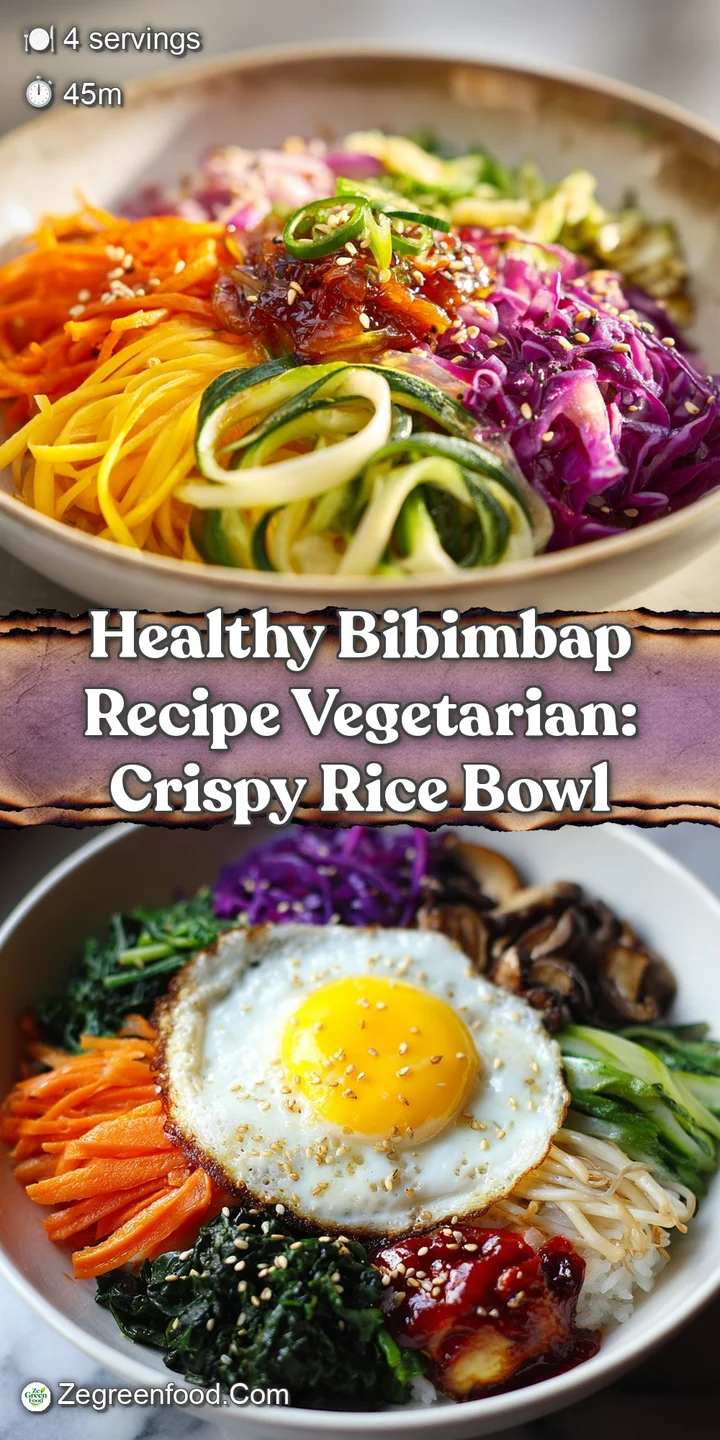
Recipe FAQs
Can I skip pressing the tofu for this healthy vegetarian recipe?
No, pressing the tofu is crucial. Squeezing out the water allows the tofu to absorb the tamari glaze deeply and achieve the desired sear; otherwise, it steams and remains soft.
What is the fastest way to ensure the rice gets crispy on the bottom?
Use a preheated, heavy bottomed cast iron skillet. Spread the cooked rice in a thin layer and let it cook undisturbed over medium low heat until a consistent crackling sound is heard, usually about 5 to 7 minutes.
How do I make the bibimbap sauce vegan if I don't have gochujang?
Combine miso paste with sriracha. Miso provides the necessary fermented depth and savoriness, while sriracha replicates the heat profile that gochujang typically offers in this dish.
Is it necessary to blanch the spinach and sprouts separately?
Yes, for optimal texture and color retention. Blanching them individually allows you to precisely time the cooking for each vegetable, ensuring the sprouts retain a snap while the spinach wilts perfectly before being shocked in ice water.
Can I substitute the brown rice with a different grain for a quicker dish?
Yes, quinoa is an excellent substitute for quicker cooking. If you enjoyed controlling the texture of grains in this recipe, you’ll find the same principles of quick searing apply when using quinoa, which is higher in protein.
What is the best way to store leftovers to maintain the crispy rice texture?
Store the rice and vegetables separately. Keep the cooked rice in an airtight container and, when reheating, sear it fresh in a hot, dry skillet for a few minutes to restore the crust before topping with the chilled vegetables.
If I omit the egg, what can I add to replace the creamy texture?
Add sliced avocado or extra seared tofu. Avocado provides that necessary healthy fat and creamy mouthfeel that complements the sharp tang of the sauce, similar to how we balance flavors in a [Smashed Chickpea Salad recipe].
Vegetarian Bibimbap Bowl
Ingredients:
Instructions:
Nutrition Facts:
| Calories | 694 kcal |
|---|---|
| Protein | 26.6 g |
| Fat | 23.6 g |
| Carbs | 96.5 g |
| Fiber | 11.2 g |
| Sugar | 8.8 g |
| Sodium | 940 mg |
