Banana Protein Balls: Nutrient Dense Bites
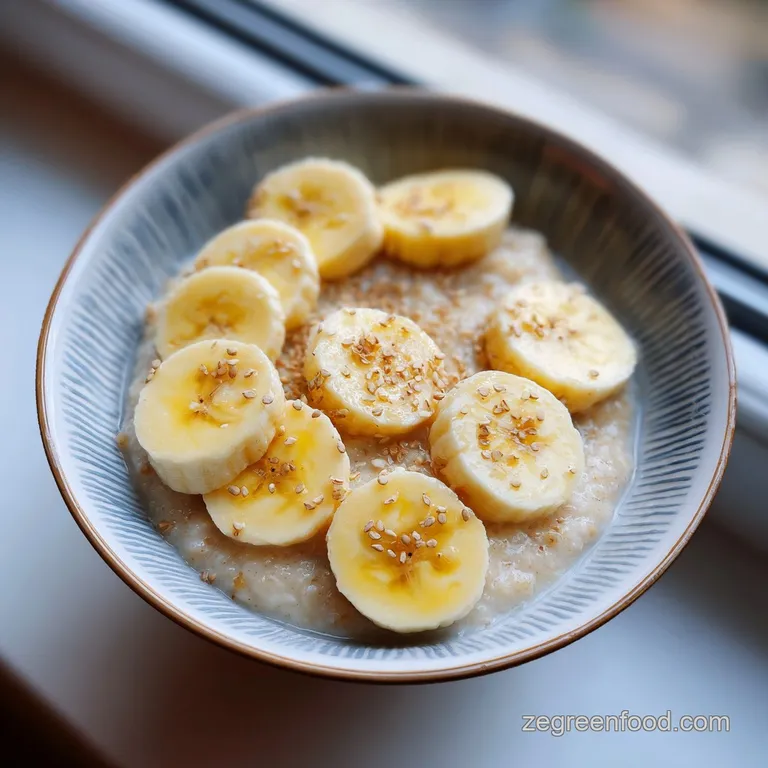
- Time: Active 10 minutes, Passive 30 minutes, Total 40 minutes
- Flavor/Texture Hook: Tacky, sweet, and chewy with a satisfying chocolate snap
- Perfect for: High performance athletes and busy weeknight meal prep
- Fuel Your Body With Banana Protein Balls
- Key Performance And Texture Metrics
- Deep Dive Into Ingredient Roles
- Essential Tools For Prep
- Methodical Preparation Steps
- Fixing Texture Mistakes
- Budget Substitutes And Swaps
- Adjusting The Batch Size
- Debunking Common Kitchen Myths
- Storage And Waste Reduction
- Serving And Pairing Tips
- Recipe FAQs
- 📝 Recipe Card
Fuel Your Body With Banana Protein Balls
You’re standing in the kitchen, your gym bag is already by the door, and that familiar pre workout hunger is starting to claw at your stomach. You need fuel, you need it fast, and you definitely don't want something that feels like a lead weight in your gut during a heavy set of squats.
This is exactly where these bites saved my life last Tuesday. I had two overripe bananas staring at me from the fruit bowl, looking a bit worse for wear with those deep brown sugar spots, and I realized they were the perfect natural binder for a quick win snack.
This recipe isn't about fancy techniques or ingredients that require a specialized grocery store trip. It’s about taking pantry staples like oats and peanut butter and turning them into something that actually supports your active lifestyle.
We’re talking about a ten minute hands on investment that yields fifteen servings of pure, efficient energy. There is no baking involved, no complicated clean up, and honestly, the smell of mashed banana and cinnamon hitting the bowl is enough to wake up your senses before you even take a bite.
You can expect a texture that is dense and satisfying, not dry or chalky like those expensive store-bought bars that taste like cardboard. By the time you finish rolling these into spheres, you’ll have a stash of snacks that strike the balance between sweet and salty.
We are focusing on high-quality ingredients that work hard for you, ensuring every gram of protein and fiber is put to good use. Right then, let’s get into why this specific combination of ingredients is a winner for your meal prep routine.
Key Performance And Texture Metrics
The Hydration Delay Principle
Cold Hydration: Rolled oats are structurally tough and require time to absorb moisture from the banana and maple syrup. Resting the dough for 30 minutes allows the starches to soften, transforming the texture from gritty to velvety.
Natural Sugar Synergy
Sugar Maturity: Using a banana with significant brown spotting provides higher concentrations of fructose and glucose. These sugars act as a natural glue, reducing the need for excess liquid sweeteners while providing immediate glycogen for your muscles.
Emulsion Density Control
Fat Binding: The creamy natural peanut butter acts as the primary lipid source, creating an emulsion with the banana. This stabilizes the protein powder, preventing it from tasting "dusty" or overwhelming the other flavors in the mix.
| Method | Time Investment | Final Texture | Best Use Case |
|---|---|---|---|
| No Bake (Standard) | 40 minutes | Soft and Tacky | Immediate Post Workout |
| Bake (Shortcut) | 25 minutes | Firm and Cake like | Portable Lunchbox Snack |
| Frozen Set | 60 minutes | Dense and Fudgy | Late Night Sweet Treat |
Choosing the right method depends entirely on your texture preference and how much time you have before your next activity. The standard no bake approach provides the most moisture, while a quick trip to the freezer creates a firmer bite that holds up better in a warm gym bag.
Most home cooks skip the resting phase because they are in a rush, but that is the biggest mistake you can make. Without that 30 minute window, the oats stay hard, and the balls often fall apart because the "glue" hasn't had time to set.
Deep Dive Into Ingredient Roles
Understanding what each component brings to the bowl helps you make better decisions if you need to swap something out. We aren't just tossing things together; we are building a structural snack designed for portability and nutrition.
| Component | Science Role | Pro Secret |
|---|---|---|
| Overripe Banana | Primary Binder | Freeze and thaw for more liquid |
| Rolled Oats | Structural Fiber | Pulse in blender for smoother balls |
| Peanut Butter | Healthy Fat Source | Use "runny" natural style for better mixing |
| Protein Powder | Texture Stabilizer | Casein blends yield a thicker dough |
The banana is the star of the show here, but it’s also the most variable ingredient. A "large" banana can vary in weight, which is why I always suggest aiming for approximately 120 grams. If your banana is too small, your dough will be crumbly; too large, and it becomes a sticky mess that won't hold its shape.
The peanut butter needs to be the natural, drippy kind. If you use the processed stuff with added oils and sugars, it tends to be too stiff, making it difficult to reach that "glossy caramel" consistency we’re after during the initial mixing phase. If you're looking for a liquid accompaniment to these, a mixed berry protein drink provides a great antioxidant boost that pairs well with the creamy peanut butter notes.
Essential Tools For Prep
- Large Mixing Bowl: You need enough space to really mash that banana without it flying over the sides.
- Sturdy Silicone Spatula: Essential for folding the heavy oats into the tacky wet mixture.
- Small Cookie Scoop: This ensures every one of the 15 servings is exactly the same size for consistent nutrition.
- Fork or Potato Masher: To get that banana down to a smooth, liquid consistency.
Methodical Preparation Steps
- Mash the banana. Place your 120g overripe banana in the bowl and use a fork to break it down until it is a smooth liquid with zero lumps. Note: Any chunks will create soft spots in the balls that can cause them to break.
- Create the emulsion. Add 128g creamy peanut butter and 15ml maple syrup. Whisk vigorously until the mixture looks like glossy caramel.
- Add flavor enhancers. Stir in the 30g vanilla protein powder, 0.5 tsp cinnamon, and 0.25 tsp sea salt. Mix until no dry white powder remains.
- Incorporate the solids. Fold in the 135g rolled oats, 14g ground flaxseed, and 20g chocolate chips. The batter should feel thick and quite tacky to the touch.
- Begin cold hydration. Cover the bowl tightly with wrap and place it in the fridge for 30 minutes. Do not skip this step as it allows the oats to soften.
- Portion the dough. Use a small scoop to take about 1 tablespoon of dough at a time.
- Roll the spheres. Place the dough between your palms and roll until a smooth 1 inch sphere forms.
- Final set. Arrange them on a plate. If they feel a bit soft, another 10 minutes in the fridge will firm them up perfectly.
Chef's Tip: If the dough is sticking to your hands while rolling, lightly dampen your palms with water. This creates a barrier that lets the balls slide into shape without leaving a mess on your skin.
Fixing Texture Mistakes
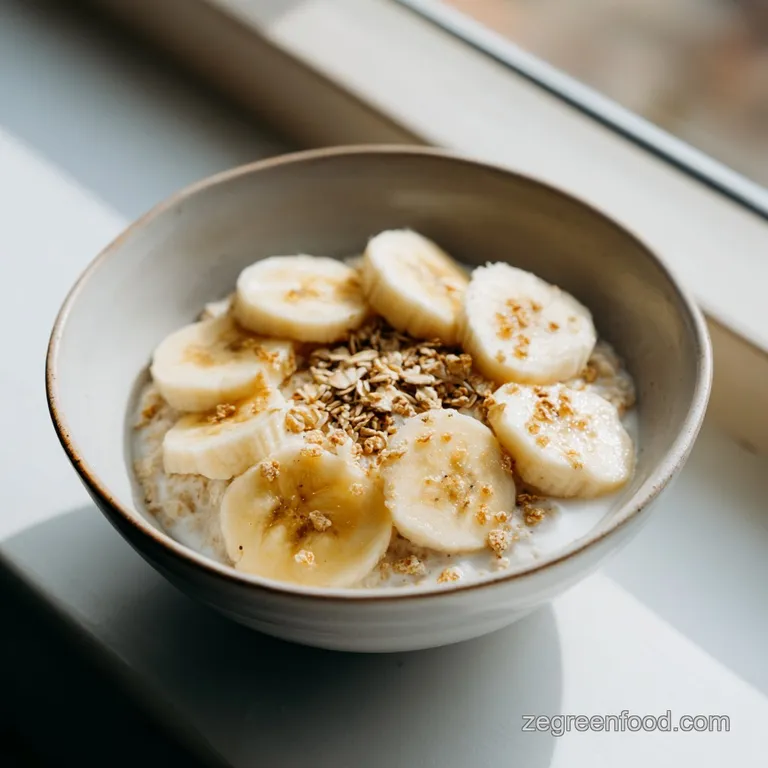
Handling Sticky Dough
If you find that your dough is still too wet after the 30 minute rest, the culprit is usually a banana that was exceptionally large or juicy. You don't want to just keep adding oats, as that can make the final result too bready. Instead, add an extra teaspoon of flaxseed or protein powder.
These absorb moisture more efficiently than whole oats.
Repairing Crumbly Balls
On the flip side, if the mixture is falling apart as you try to roll it, it lacks enough fat or moisture to bind. This often happens if your protein powder is particularly absorbent or if your peanut butter was from the bottom of the jar where it gets dry.
| Problem | Root Cause | Solution |
|---|---|---|
| Falling Apart | Dough is too dry | Add 1 tsp of warm peanut butter |
| Won't Hold Shape | Too much moisture | Chill for an extra 15 minutes |
| Gritty Texture | Oats didn't hydrate | Let rest at room temp for 10 mins |
Between these adjustments, remember that the "feel" of the dough is your best guide. It should feel like slightly damp kinetic sand it holds together when pressed, but doesn't leave a thick layer of paste on your fingers.
Common Mistakes Checklist
- ✓ Using green or yellow bananas (not enough natural sugar or moisture)
- ✓ Skipping the salt (the salt is what makes the chocolate and peanut butter pop)
- ✓ Using steel cut oats (these will never soften enough and will hurt your teeth)
- ✓ Rolling the balls too large (they become difficult to eat in one or two bites)
- ✓ Forgetting to whisk the wet ingredients before adding dry (prevents clumps)
Budget Substitutes And Swaps
If you are looking to keep costs down or simply don't have certain items in the pantry, there are several smart swaps that won't ruin the final result. For instance, if you don't have maple syrup, honey works perfectly, though it is slightly thicker.
| Original Ingredient | Substitute | Why It Works |
|---|---|---|
| Maple Syrup | Honey (15ml) | Similar viscosity. Note: Adds a stronger floral flavor profile. |
| Ground Flaxseed | Chia Seeds (14g) | Both are mucilaginous, meaning they gel when wet. |
| Peanut Butter | Sunflower Butter | Same fat content. Note: Nut free but may turn slightly green due to pH. |
For those looking to make Smoothie in 5 Mins recipe, you can simply replace the powder with an equal volume of oat flour. You'll lose about 20 grams of protein in the total batch, but the structural integrity remains exactly the same. For a morning boost, pairing these with a breakfast coffee shake is a smart way to get your caffeine and protein in one go without a massive cleanup.
Adjusting The Batch Size
Scaling Down
If you only have half a banana left, you can easily make a mini batch. Since you can't easily halve an egg (and we aren't using them anyway!), the math is simple. Just cut every gram and milliliter in half.
Use a smaller bowl to ensure the emulsion forms correctly; if the bowl is too large, the peanut butter just smears across the bottom.
Scaling Up
When doubling the recipe for a large family or a week of intense training, be careful with the spices. I recommend only using 1.5x the cinnamon and salt rather than doubling them, as they can quickly become overpowering.
Work in two separate bowls if your mixer isn't large enough, as the dough gets very heavy and difficult to stir once you hit the 3 cup oat mark.
| Servings | Banana Amount | Oats Amount | Pan/Storage Size |
|---|---|---|---|
| 15 Balls | 120g (1 large) | 135g | Small airtight container |
| 30 Balls | 240g (2 large) | 270g | Large glass meal prep tray |
| 45 Balls | 360g (3 large) | 405g | Two separate gallon bags |
Debunking Common Kitchen Myths
One major misconception is that protein powder loses its nutritional value if it isn't "cooked." This is completely false. In fact, many high-quality whey proteins can become grainy if they are heated too high, which is why a no bake method like this is actually superior for maintaining the intended texture.
Another myth is that you must use "quick oats" for no bake recipes. While quick oats do hydrate faster, they often turn into mush. Rolled oats (old-fashioned) provide a much better "bite" and a more rustic, satisfying texture that keeps you full for longer.
Storage And Waste Reduction
Fridge and Freezer
Store your finished bites in an airtight container in the refrigerator for up to 5 days. If you want to keep them longer, these are excellent for freezing. Place them on a baking sheet to freeze individually for 1 hour, then toss them into a freezer safe bag. They will stay fresh for up to 3 months.
You can eat them straight from the freezer for a "truffle" like experience!
Zero Waste Tips
Don't throw away those banana peels! If you have a garden, soak the peels in a jar of water for 48 hours to create a potassium rich fertilizer for your houseplants. Also, if you find yourself with just a few crumbs at the bottom of the container, don't discard them.
Those chocolate oat bits are incredible when sprinkled over a bowl of Greek yogurt or mixed into your morning cereal.
Serving And Pairing Tips
These bites are designed to be a grab and-go solution, but if you have a moment to sit down, they pair beautifully with a hot cup of black coffee. The bitterness of the coffee cuts through the richness of the peanut butter and the sweetness of the maple syrup.
For a more substantial snack, try crumbling two of the balls over a bowl of cottage cheese. The contrast between the cold, creamy cheese and the chewy, chocolate studded bites creates a high protein "dessert" that feels much more indulgent than it actually is.
If you're heading out for a long hike, pack them in a hard sided container so they don't get squashed, and you'll have the perfect summit reward waiting for you.
Remember, the goal is efficient fueling that tastes great. By mastering the hydration rest and getting the banana mash just right, you’ve got a reliable tool in your health arsenal that beats any processed snack bar on the market. Keep them cold, keep them handy, and let them power your next big move.
Recipe FAQs
Are protein balls actually healthy?
Yes, they are a nutrient dense option. By combining fiber rich oats and flaxseed with protein powder and healthy fats from natural peanut butter, you get a balanced snack that supports satiety compared to processed alternatives.
What are the ingredients in the banana hack for weight loss?
The core components are an overripe banana, natural peanut butter, maple syrup, rolled oats, ground flaxseed, vanilla protein powder, cinnamon, sea salt, and dark chocolate chips. These ingredients provide a structured balance of complex carbohydrates and fats that help manage hunger levels between
meals.
How many protein balls should I eat a day?
One to two balls is typically sufficient. Since each ball contains roughly 114 calories, serving size should depend on your specific daily caloric and macronutrient goals.
How do you make a banana protein snack?
Mash your overripe banana into a smooth, lump free liquid before whisking in the peanut butter and maple syrup. Incorporate the dry ingredients and chocolate chips, then refrigerate for 30 minutes to ensure proper hydration of the oats before rolling the dough into 1 inch spheres.
Why is it necessary to refrigerate the mixture for 30 minutes?
Refrigeration allows the oats to undergo cold hydration, which softens their texture for a cohesive bite. If you enjoyed mastering this cold hydration technique, you can apply the same principle to achieve perfect consistency in our overnight oats recipe.
Can I use steel cut oats instead of rolled oats?
No, avoid using steel cut oats. They are too hard to soften during the short refrigeration period and will result in an unpleasant, gritty texture that is difficult to chew.
Is it true that the banana doesn't need to be fully mashed?
False. You must mash the banana until it reaches a completely smooth, liquid consistency because any remaining chunks create soft spots that cause the finished balls to fall apart.
Banana Protein Balls
Ingredients:
Instructions:
Nutrition Facts:
| Calories | 114 kcal |
|---|---|
| Protein | 5.3 g |
| Fat | 5.8 g |
| Carbs | 11.9 g |
| Fiber | 2.0 g |
| Sugar | 3.1 g |
| Sodium | 79 mg |
