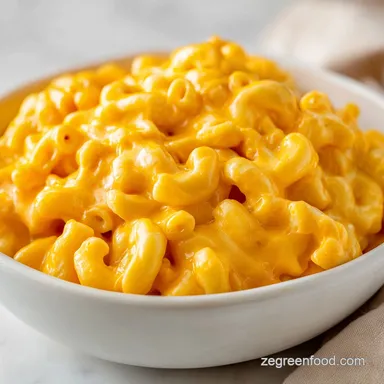
Creamy Gluten Free Mac Cheese: Silky and Rich
- Time: 10 min active + 15 min cook = Total 25 minutes
- Flavor/Texture Hook: Velvety, glossy sauce with a sharp, nutty finish
- Perfect for: Weeknight comfort, family dinners, or GF guests
- Why This Texture Actually Works
- Component Analysis
- The Best Ingredients
- Essential Kitchen Tools
- Step by Step Cooking
- Troubleshooting Common Issues
- Customizing Your Dish
- Adjusting the Portion Size
- Truth About GF Comfort Food
- Storage and Waste Tips
- What to Serve Beside
- High in Sodium
- Recipe FAQs
- 📝 Recipe Card
The sound of a heavy pot bubbling over a high flame, the rhythmic whisking of butter and flour, and that specific, sharp aroma of cheddar hitting hot milk - that's the smell of home for most of us. Macaroni and cheese is more than just a side dish; it's a cultural touchstone in American comfort food.
Growing up, it was the dish that signaled a rainy day or a celebratory family gathering. It represents warmth, safety, and a bit of indulgence.
But for those of us avoiding gluten, that tradition often feels out of reach. We've all been there, staring at a bowl of gluten free pasta that's either a hard pebble or a mushy clump, swimming in a sauce that separated into an oily mess.
I remember one night trying to impress my family with a GF version, only for the sauce to break into grainy curdles the moment it hit the plate. It was a disaster, but it taught me exactly where the process usually fails.
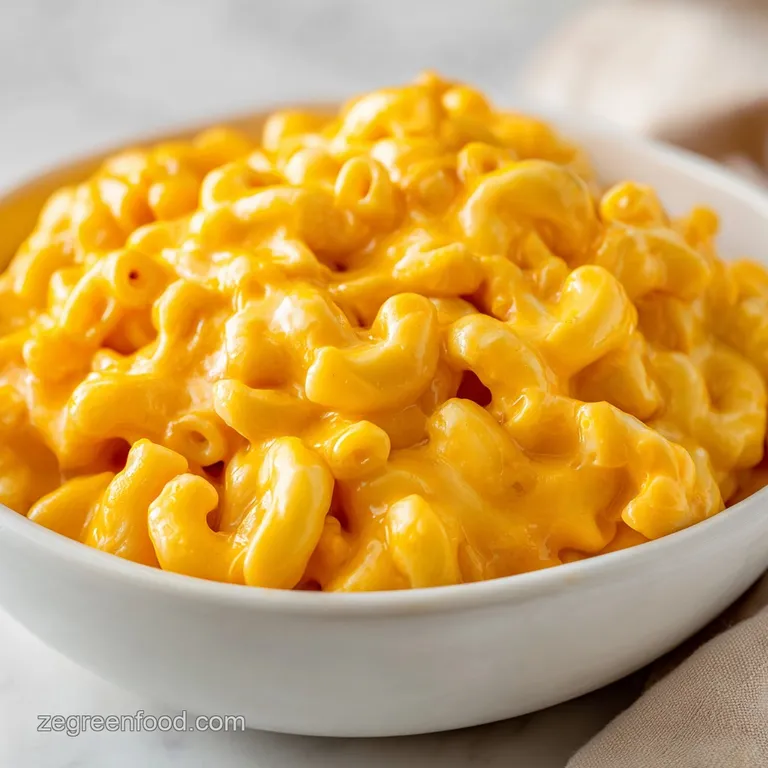
This gluten-free Mac Cheese isn't about cutting corners. It's about understanding how gluten-free starches behave differently than wheat. We're aiming for a result that's velvety and rich, where the pasta holds its shape and the sauce clings to every curve of the macaroni.
You're going to get a dish that feels authentic to the original, providing that deep, savory satisfaction we all crave.
Why This Texture Actually Works
The biggest hurdle with this recipe is the pasta. gluten-free macaroni lacks the protein structure of wheat, meaning it can go from "undercooked" to "dissolved" in about thirty seconds.
By under boiling it, we allow the pasta to finish hydrating inside the cheese sauce, which helps it absorb the flavor and prevents that dreaded gummy exterior.
The Roux Stability: A fat based roux locks the gluten-free flour in place, preventing the sauce from thinning out. This creates a stable base that can hold a heavy load of cheese without breaking.
Fat to Starch Ratio: Using whole milk and a blend of high fat cheeses creates a smooth emulsion. This prevents the sauce from becoming "grainy," a common issue when low-fat alternatives are used.
The Final Fold: Stirring the pasta into the sauce over low heat for a few minutes allows the surface starches to bind. This is what gives the dish its glossy, cohesive look.
| Method | Time | Texture | Best For |
|---|---|---|---|
| Stovetop (This Recipe) | 25 mins | Velvety & Glossy | Fast Weeknights |
| Classic Baked | 60 mins | Crusty & Dense | Holiday Feasts |
| Slow Cooker | 4 hours | Soft & Uniform | Set and Forget |
Component Analysis
| Ingredient | Science Role | Pro Secret |
|---|---|---|
| GF Flour Blend | Thickening Agent | Use a blend with xanthan gum for better cling |
| Extra Sharp Cheddar | Primary Flavor | Grate it yourself to avoid cellulose clumps |
| Gruyère Cheese | Emulsion Support | Adds a nutty depth and melts more smoothly |
| Whole Milk | Solvent/Base | Warm it slightly to prevent the roux from seizing |
The Best Ingredients
For this recipe, you can't just grab any box of GF pasta. I recommend a corn and rice blend; it holds up much better during the under boil process. If you use a 100% brown rice pasta, be extra careful with the timer, as it can get grainy if overcooked.
- 1 lb (450g) gluten-free elbow macaroni Why this? Corn/rice blends have the best "bite" and hold sauce well
- 1 tbsp (15g) Salt Why this? Essential for seasoning the pasta from the inside out
- 4 tbsp (57g) Unsalted butter Why this? Provides the fat needed for a smooth roux
- 3 tbsp (25g) gluten-free all purpose flour blend Why this? Thickens the sauce without the gluten
- 3 cups (710ml) Whole milk Why this? Fat content ensures a velvety consistency
- 4 cups (450g) Extra sharp cheddar cheese, freshly grated Why this? Strong flavor that doesn't get lost in the milk
- 1 cup (115g) Gruyère cheese, freshly grated Why this? High meltability and sophisticated nuttiness
- 1/2 tsp (3g) Garlic powder Why this? Adds a subtle savory backbone
- 1/4 tsp (1g) Smoked paprika Why this? Cuts through the richness with a hint of smoke
- Salt to taste
- Black pepper to taste
If you're missing Gruyère, a sharp Provolone or Muenster works as a substitute. Just make sure it's a high moisture cheese. According to USDA FoodData, these full fat cheeses provide the necessary lipids to keep the sauce from separating.
Essential Kitchen Tools
You don't need a professional kitchen for this, but a few specific tools make it easier. A heavy bottomed saucepan is non negotiable. Thin pots create hot spots that can scorch the milk, leading to those tiny brown burnt bits at the bottom of your free mac and cheese.
I always use a silicone whisk. It's gentler on the pan and does a better job of scraping the corners of the pot to ensure no flour clumps are left behind. A fine mesh colander is also a must, as some gluten-free macaroni pieces can be smaller and might slip through larger holes.
Finally,, a box grater. Please, don't use the pre shredded bags. Those cheeses are coated in potato starch or cellulose to prevent clumping in the bag, but that same starch prevents them from melting into a smooth sauce. Grating your own cheese is the difference between a grainy sauce and a glossy one.
Step by step Cooking
Bring a large pot of salted water to a rolling boil. Add the gluten-free macaroni and cook for 2 minutes less than the package directions. until it's still slightly firm to the bite. Drain immediately and set aside.
Note: This prevents the pasta from overcooking during the sauce phase.
In a saucepan, melt the butter over medium heat. Whisk in the gluten-free flour and cook for 1-2 minutes until the mixture smells nutty and looks like a pale paste. Note: This is your roux; cooking it removes the raw flour taste.
Gradually whisk in the warmed milk, stirring constantly. Continue cooking until the sauce thickens and becomes smooth. For a deeper dive into the roux technique, Serious Eats explains how temperature affects thickening.
Reduce heat to low. Stir in the garlic powder and smoked paprika. until the spices are fully incorporated.
Fold in the grated cheddar and Gruyère one handful at a time. Stir gently until the sauce is velvety and glossy. Taste and add salt and pepper. Note: Adding cheese in batches prevents the sauce from breaking.
Toss the under boiled macaroni into the cheese sauce. Stir gently for 1-2 minutes over low heat until the pasta is finished cooking and coated in sauce.
Chef's Note: If the sauce feels too thick, don't add water. Stir in a tablespoon of milk or a splash of the reserved pasta water to loosen it back up to a silky consistency.
Troubleshooting Common Issues
| Issue | Solution |
|---|---|
| Why Your Pasta Is Gummy | This usually happens when the macaroni is overcooked in the water or stirred too aggressively. gluten-free pasta releases more surface starch than wheat pasta, and if you overwork it, that starch turn |
| Why Your Sauce Is Grainy | Graininess is almost always caused by two things: using pre shredded cheese or overheating the sauce. Once the cheese is added, keep the heat on low. If the sauce boils after the cheese is in, the pro |
| Why Your Sauce Is Too Thin | If the sauce hasn't thickened, you might have added the milk too quickly or didn't cook the roux long enough. You can fix this by letting it simmer on low for an extra 2-3 minutes, but avoid boiling i |
Common Mistakes Checklist
- ✓ Avoided pre shredded cheese to prevent graininess.
- ✓ Under boiled the pasta by exactly 2 minutes.
- ✓ Whisked milk gradually to avoid clumps.
- ✓ Kept heat low after adding cheese.
- ✓ Used a corn/rice blend pasta for better structure.
Customizing Your Dish
If you want to turn this into a meal prep powerhouse, try adding some protein. Shredded rotisserie chicken or sautéed shrimp both work brilliantly here. For those who want a veggie boost, stir in some steamed broccoli or frozen peas during the last two minutes of cooking.
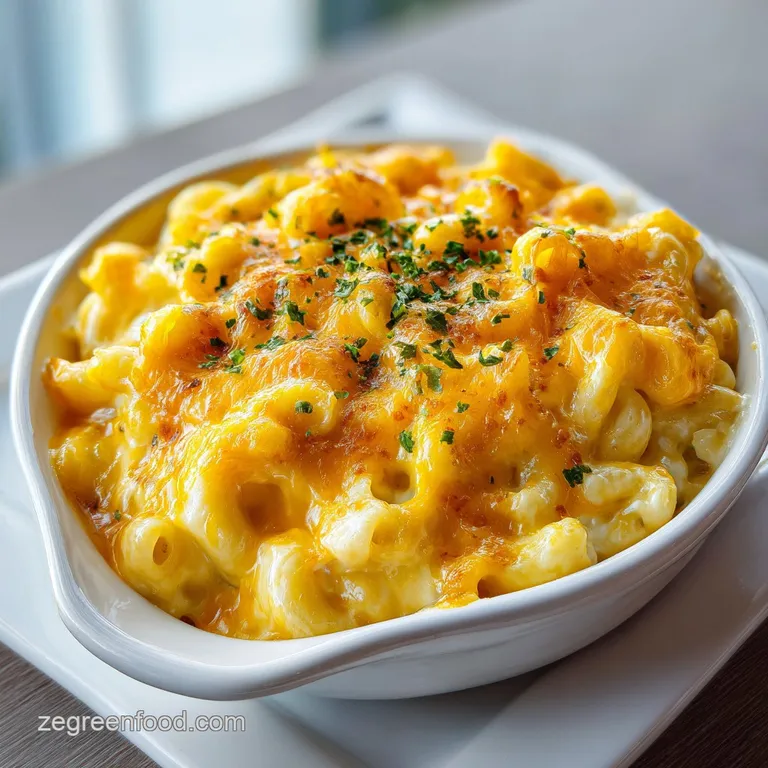
If you're looking for more gluten-free ideas, my quinoa tortillas recipe is a great way to swap out wheat in other meals. To make a baked version of this mac and cheese, transfer the finished stovetop mixture to a baking dish, top with panko style GF breadcrumbs and butter, and broil for 3-5 minutes. The result is a shatter crisp topping that contrasts with the creamy interior.
For those seeking a dairy-free version, you can use a cashew based cream and vegan cheddar, though the emulsification is trickier. You'll need to rely more on the GF flour roux to keep the sauce from separating.
Adjusting the Portion Size
When scaling this gluten free Mac Cheese down to a half batch, be careful with the roux. I recommend melting the butter and measuring the flour exactly, as a slight over measurement of flour in a small batch can make the sauce feel like paste. Use a smaller saucepan to prevent the milk from evaporating too quickly.
If you're doubling or tripling the recipe for a party, don't just multiply the salt and paprika by three. Start with 1.5x the seasonings and taste as you go. Large batches of cheese sauce hold heat longer, so you may need to remove the pot from the stove a minute earlier to prevent overcooking the pasta.
Working in batches is usually safer for the pasta. Boil the macaroni in two separate pots to ensure the water temperature doesn't drop too low, which would lead to unevenly cooked noodles.
Truth About GF Comfort Food
One common myth is that gluten-free pasta always becomes mushy. The truth is that it's all about the timing. Because GF pasta doesn't have the "spring" of gluten, it doesn't have the same window of doneness. The under boil is the only way to guarantee a firm texture.
Another misconception is that you can use any GF flour in the roux. Some single grain flours, like coconut or almond flour, won't thicken a sauce at all. You need a starch based blend (like rice or potato starch) to create the chemical bond that makes the sauce creamy.
Finally, many people believe that adding a lot of cheese will automatically make the sauce thick. Actually, too much cheese without enough roux can cause the sauce to "break" and become oily. The flour is what holds the fat and water together.
Storage and Waste Tips
Store any leftover gluten free Mac Cheese in an airtight container in the fridge for up to 3 days. When you reheat it, you'll notice the pasta has absorbed most of the sauce. To bring back that velvety texture, add a splash of milk before microwaving or heating on the stove.
For freezing, I don't recommend freezing the finished dish, as the GF pasta often breaks down and becomes mealy upon thawing. However, you can freeze the cheese sauce on its own for up to 2 months. Just thaw it and reheat gently before tossing with fresh pasta.
To reduce waste, save your pasta water. If your sauce gets too thick while sitting, a tablespoon of that starchy water is the best way to emulsify it back to life. For a lighter contrast to this heavy meal, you might like a vegan cobb salad for lunch the next day.
What to Serve Beside
Since this dish is quite rich, I love pairing it with something acidic or fresh to balance the palate. A simple arugula salad with a lemon vinaigrette or some roasted asparagus with a squeeze of lime works perfectly. The bitterness of the greens cuts through the heavy fats of the cheddar and Gruyère.
If you're serving this as a side for a main protein, a grilled lemon herb chicken or a seared salmon fillet provides a great contrast. The smoky notes from the paprika in the gluten free Mac Cheese complement the char of grilled meats.
For a full comfort food spread, serve it alongside a crisp apple and celery slaw. The crunch of the fresh vegetables provides a necessary textural break from the creamy pasta, making the whole meal feel more balanced and less overwhelming.
High in Sodium
980 mg 980 mg of sodium per serving (43% 43% of daily value)
The American Heart Association recommends a daily sodium limit of no more than 2,300 mg, and an ideal limit of no more than 1,500 mg for most adults.
Tips to Reduce Sodium
-
Reduce Pasta Water Salt-25%
Omit or significantly reduce the 1 tbsp of salt used for boiling the pasta; much of this salt is absorbed or lingers in the dish.
-
Swap for Low-Sodium Cheese-15%
Replace a portion of the extra sharp cheddar with a low-sodium cheese alternative or a small amount of fresh mozzarella.
-
Skip 'Salt to Taste'-10%
Eliminate the 'salt to taste' addition at the end; the cheeses already provide a significant amount of natural sodium.
-
Enhance with Spices
Increase the smoked paprika or add a pinch of cayenne or dry mustard powder to add complexity without adding salt.
Recipe FAQs
Can people with celiac disease eat mac and cheese?
Yes, provided it is made with certified gluten-free ingredients. Use a gluten-free macaroni and flour blend to ensure the dish is safe for those with celiac disease.
Is store-bought gluten free pasta actually gluten free?
Yes, most certified brands are. Always look for the "Certified gluten-free" seal on the packaging to ensure it meets strict safety standards for cross-contamination.
What's the trick to cooking gluten free pasta?
Under-boil the pasta by 2 minutes. This prevents the macaroni from becoming gummy when you finish cooking it inside the cheese sauce.
Can heart patients have mac and cheese?
Generally no, or only in very small portions. The high saturated fat content from butter and cheese can be problematic for heart health.
Is it true that all gluten-free cheese sauces end up grainy?
No, this is a common misconception. Graininess is typically caused by using pre-shredded cheese or overheating the sauce once the cheese has been added.
How to reheat leftover gluten-free mac and cheese?
Stir in a splash of milk before heating on the stove or in the microwave to restore the velvety texture lost during refrigeration.
Can I make this recipe vegan?
Yes, by replacing the dairy with plant-based alternatives. For a fully dairy-free version, try the techniques used in my vegan baked mac for similar creaminess.
gluten free Mac Cheese in 25 Minutes