Green Goddess Nourish Bowl: Velvety & Crunchy
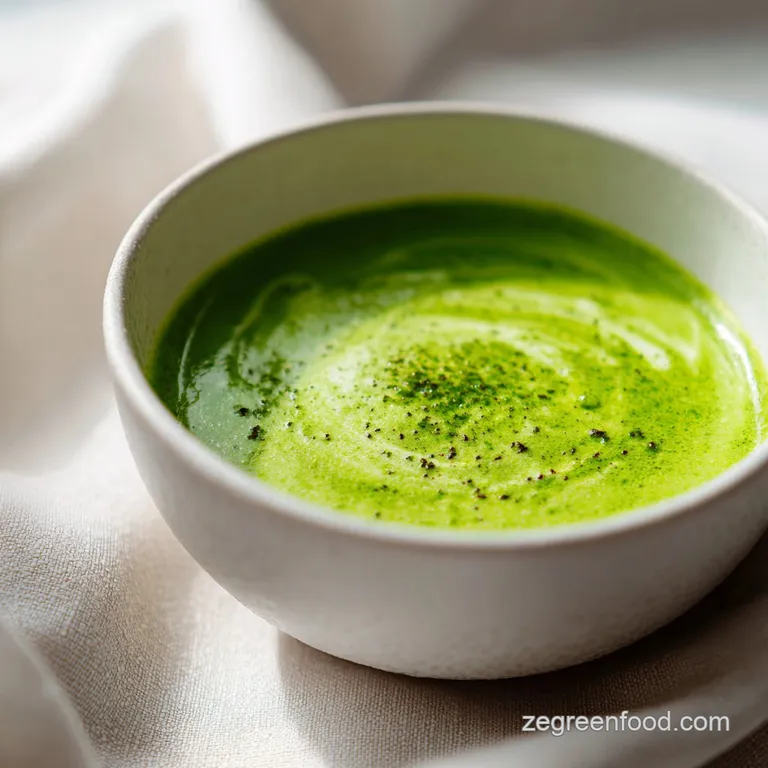
- Time: Active 15 minutes, Passive 15 minutes, Total 30 minutes
- Flavor/Texture Hook: Zesty, velvety, and crunchy
- Perfect for: High energy lunches or a refreshing family dinner
- The Ultimate Green Goddess Nourish Bowl Recipe
- Science Behind the Emerald Glow
- Bowl Specs and Timing
- Components for the Greenest Base
- Essential Tools for Smooth Dressing
- Building Your Vibrant Nourish Bowl
- Solving Common Textural Issues
- Flavor Variations and Seasonal Swaps
- Myth: Searing "Seals In" Nutrients
- Storing Your Green Goddess Prep
- Elevating the Final Presentation
- Recipe FAQs
- 📝 Recipe Card
The Ultimate Green Goddess Nourish Bowl Recipe
Listen, we’ve all been there staring into the fridge at a wilted bunch of parsley and some sad looking kale, wondering how to turn "health" into something you actually want to eat.
I used to think these bowls were just expensive salad fluff until I realized the secret isn't the lettuce, it’s the contrast. The first time I got the chickpeas to actually sizzle and pop in the pan while the kitchen filled with the scent of toasted cumin and lemon, I knew I’d never go back to boring salads.
This Green Goddess Nourish Bowl is all about that sensory hit. You get the cool, silky swipe of avocado dressing against the warm, earthy fluff of quinoa. It’s the kind of meal that makes you feel like you’ve actually done something right for your body without sacrificing the joy of a big, messy, flavor packed bowl.
We aren't doing "diet food" here; we are doing high vibe comfort food that happens to be plant based.
You'll love how the English cucumber ribbons add a watery, crisp snap that cuts right through the richness of the tahini and olive oil. Honestly, don't even bother with the pre packaged dressings. Making your own in a blender takes two minutes and the difference is like switching from black and white to Technicolor.
Let’s get into how we make this happen without spending two hours in the kitchen.
Science Behind the Emerald Glow
Acidic Brightness: The lemon juice and apple cider vinegar break down the fibrous cell walls of the kale, making it tender rather than chewy. Emulsion Stability: Tahini acts as a natural emulsifier, binding the water based lemon juice and the oil based avocado into a velvety, unified sauce that won't separate.
| Component | Doneness Cue | Resting Time | Visual Marker |
|---|---|---|---|
| Quinoa | Spiral germ visible | 5 minutes | Grains look fluffy and translucent |
| Asparagus | Fork tender but snappy | 0 minutes | Bright vibrant green, not olive |
| Chickpeas | Audible popping sound | 2 minutes | Skins are golden brown and cracked |
Bowl Specs and Timing
To get this on the table in 30 minutes, you need to be a bit strategic with your heat. While your quinoa is simmering away in that vegetable broth, you should be focused on the pan. The contrast between the warm components and the cold cucumber is what makes this feel like a professional cafe dish. If you're looking for a different vibe, you could even try this alongside a Vegan Poke Bowl recipe for a multi bowl lunch spread.
| Method | Time | Texture | Best For |
|---|---|---|---|
| Stovetop | 15 minutes | Maximum char and sizzle | Quick weeknight assembly |
| Oven Roast | 25 minutes | Even browning, less oil | Hands off meal prepping |
Getting the grains right is the foundation here. If the quinoa is soggy, the whole bowl feels heavy. We want each grain to stand on its own, providing a nutty little pop in every bite. By using vegetable broth instead of water, we bake flavor into the very core of the meal.
Components for the Greenest Base
- 1 large ripe avocado: Provides the creamy fat base for the dressing. Why this? High fat content carries the herb flavors across your palate.
- 1 cup dry Quinoa: The protein rich grain base. Why this? It absorbs the dressing better than rice or pasta.
- 1 can (15 oz) Chickpeas: Our crispy protein element. Why this? They provide a satisfying "shatter" texture when pan-fried.
- 4 cups shredded Lacinato kale: The nutrient dense green. Why this? It holds up to the heavy dressing without wilting instantly.
- 1 cup fresh Italian parsley: The herbal backbone. Why this? Adds a clean, peppery finish that brightens the avocado.
- 1 tbsp tahini: Adds depth and nuttiness. Why this? Helps the dressing cling to the vegetables.
| Ingredient | Science Role | Pro Secret |
|---|---|---|
| Apple Cider Vinegar | pH Balancer | Use it to "massage" the kale first to soften the leaves |
| Cold Water | Viscosity Control | Add 1 tbsp at a time to reach a "pourable silk" consistency |
| Smoked Paprika | Flavor Depth | Toss with chickpeas to mimic a bacon like smokiness |
Essential Tools for Smooth Dressing
You don't need a professional kitchen, but a high speed blender or a small food processor is non negotiable for that velvety Green Goddess Nourish Bowl dressing. If you try to hand chop the herbs, you’ll end up with a chunky pesto vibe which is fine, but we are going for a smooth, pourable emerald sauce.
A large wide bottomed skillet (like a Lodge cast iron) is your best friend for the chickpeas and asparagus. You want enough surface area so they don't steam. If they are crowded, they'll just get soft. We want that sizzle!
Also, grab a large mixing bowl; you need space to really get your hands in there and massage that kale. Trust me, it’s a game changer for the texture.
Building Your Vibrant Nourish Bowl
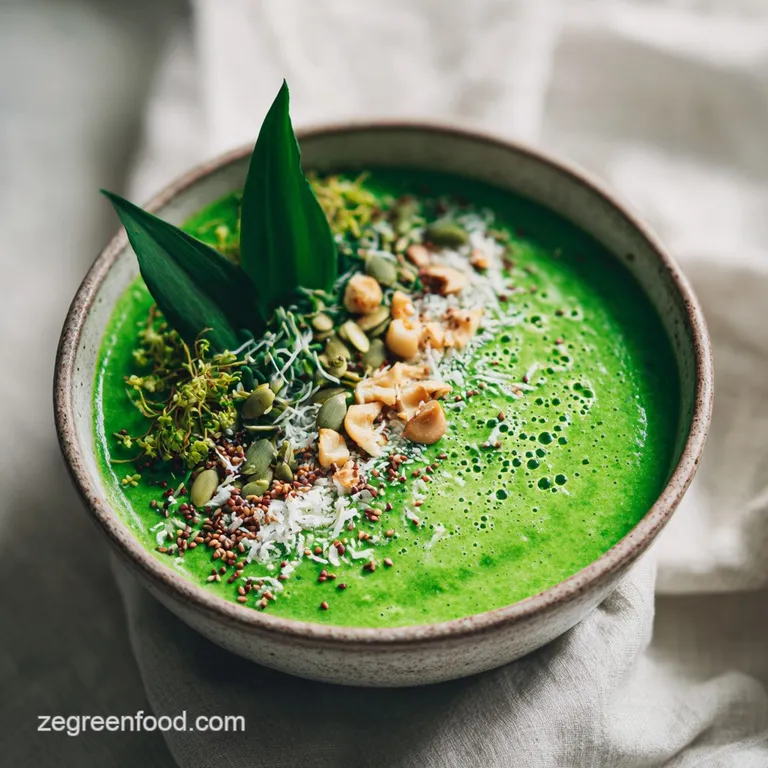
1. Toasting and Simmering the Grains
Rinse 1 cup dry Quinoa under cold water until the water runs clear. In a small pot, toast the damp quinoa for 2 minutes over medium heat until it smells slightly nutty. Add 2 cups vegetable broth, bring to a boil, then cover and simmer for 15 minutes.
Note: Toasting the grain first prevents that "grassy" flavor some people dislike.
2. Charring the Vegetables and Chickpeas
Heat 1 tbsp of the olive oil in a skillet over medium high heat. Add the 1 can (15 oz) Chickpeas (make sure they are bone dry!) and 1 tsp smoked paprika. Fry for 8 minutes until the skins are crisp and popping.
In the last 4 minutes, push the chickpeas aside and add the trimmed asparagus bunch, cooking until bright green and slightly charred.
3. Whipping the Emerald Dressing
In a blender, combine the pitted avocado, 1 cup parsley, 1/2 cup basil, 2 smashed garlic cloves, 1 tbsp tahini, juice of 1 lemon, 2 tbsp Apple Cider Vinegar, 1/4 cup olive oil, and 1/2 tsp sea salt. Blend on high, adding 2-3 tbsp cold water until the sauce is silky and pourable.
4. Massaging the Greens
Place 4 cups shredded Lacinato kale in a bowl with 1 tsp lemon juice and a pinch of salt. Use your hands to squeeze and rub the leaves for 2 minutes until they turn dark green and feel soft. This makes the kale much easier to digest and far more pleasant to eat.
5. Constructing the Textural Layers
Divide the cooked quinoa between two bowls. Top with a generous mound of the massaged kale. Arrange the charred asparagus, crispy chickpeas, and thawed edamame on top. Add the English cucumber ribbons and 1/2 cup microgreens for extra freshness.
6. Finishing Touches
Drizzle the thick green dressing over everything don't be shy here! Sprinkle with 1/4 cup toasted pumpkin seeds and 1 tbsp hemp hearts for a final layer of crunch. Serve immediately while the chickpeas are still warm and the cucumber is cold.
Chef's Tip: Freeze your avocado for 10 minutes before blending. It keeps the friction of the blender blades from heating up the herbs, ensuring your dressing stays a vibrant, electric green rather than turning muddy.
Solving Common Textural Issues
Why Your Dressing Is Bitter
Sometimes, blending extra virgin olive oil at high speeds can cause the polyphenols to oxidize, creating a sharp, bitter aftertaste. If this happens, you can't really "un bitter" it, but you can balance it. Add a tiny drop of maple syrup or more tahini to mellow out those harsh notes.
Avoiding Mushy Grains
If your quinoa looks like porridge, you likely had too much residual water from rinsing or didn't let it steam. Always let the pot sit, covered and off the heat, for 5 minutes after the water is absorbed. This allows the starches to firm up so the grains stay distinct.
| Problem | Root Cause | Solution |
|---|---|---|
| Dull Green Dressing | Oxidation/Heat | Add a ice cube to the blender or use frozen avocado |
| Tough Kale | Insufficient Massaging | Rub with lemon and salt until the volume reduces by half |
| Soggy Chickpeas | Excess Moisture | Pat them completely dry with a towel before frying |
Common Mistakes Checklist
- ✓ Forget to dry the chickpeas? They will steam instead of getting that "shatter" crunch.
- ✓ Skip the quinoa rinse? It might taste bitter due to the natural saponin coating.
- ✓ Use a dull knife for the cucumber? You'll get thick chunks instead of elegant, crisp ribbons.
- ✓ Overcook the asparagus? It loses its structural integrity and turns mushy in the bowl.
- ✓ Blend the dressing for too long? The heat from the motor can wilt the fresh basil flavor.
Flavor Variations and Seasonal Swaps
If you want to scale this recipe down for a solo lunch, just halve the quinoa and dressing ingredients. For the dressing, it’s easier to make a full batch and keep the extra in a jar; it’s basically liquid gold on any roast vegetable.
When scaling up for a family dinner, don't double the salt or spices immediately start at 1.5x and taste as you go.
For a warmer, heartier version during winter, you might want to swap the cucumber for something more substantial. A Roasted Sweet Potato recipe works beautifully as a substitute grain or side addition to this bowl.
| Original Ingredient | Substitute | Why It Works |
|---|---|---|
| Quinoa (1 cup) | Farro (1 cup) | Adds a chewier, more rustic bite. Note: Not gluten-free. |
| Tahini (1 tbsp) | Almond Butter (1 tbsp) | Maintains creaminess with a slightly sweeter, nuttier profile. |
| Lacinato Kale | Baby Spinach | Much softer and requires zero massaging. Note: Wilts faster. |
Myth: Searing "Seals In" Nutrients
You often hear people say that quick searing vegetables like asparagus or chickpeas "seals in" the vitamins. This isn't strictly true. Heat actually breaks down some heat sensitive vitamins like Vitamin C.
However, the light charring makes certain antioxidants more bioavailable and, more importantly, makes the food taste so good that you'll actually eat the whole bowl!
Storing Your Green Goddess Prep
Storage: The components of this Goddess Nourish Bowl actually store quite well if kept separate. Keep the cooked quinoa and chickpeas in airtight containers in the fridge for up to 4 days. The dressing will stay vibrant for about 3 days; if it thickens too much, just whisk in a teaspoon of water.
Freezing: I don't recommend freezing the assembled bowl or the fresh greens. However, you can freeze the dressing in an ice cube tray! Pop a couple of "green cubes" out to thaw whenever you need a quick flavor boost for a different meal.
Zero Waste: Don't throw away those woody asparagus ends or the parsley stems! Throw them into a freezer bag with other veggie scraps. Once the bag is full, boil them all with water for an hour to make your own vegetable broth for the next time you make this recipe. It's a closed loop kitchen win.
Elevating the Final Presentation
When you're ready to eat, don't just dump everything in. Part of the joy of a nourish bowl is the visual appeal. I like to place the kale as a "nest" on one side and the quinoa on the other, then arrange the colorful toppings in distinct sections. It’s like a rainbow on a plate.
If you're looking to change the protein profile, you could easily add some marinated tofu. In fact, a Teriyaki Tofu Bowl recipe uses a similar base logic but with a completely different flavor profile. The key is always that balance of fat, acid, and crunch. Finish with a final crack of black pepper and a tiny sprinkle of sea salt over the avocado to make the flavors truly pop. Enjoy your vibrant, green creation!
Recipe FAQs
Can I substitute the kale with a softer green like spinach?
Yes, but you must adjust the preparation. Spinach is much softer and requires zero massaging, but it will wilt significantly more under the dressing than Lacinato kale.
What is the absolute best way to ensure my chickpeas become crispy and not soggy?
Pat them completely dry with a kitchen towel before adding oil. Any residual moisture will create steam in the pan, preventing the skins from achieving that desired "shatter" and audible pop.
How to make the Green Goddess dressing perfectly smooth and non-separated?
Blend avocado, herbs, and oil first, then slowly drizzle in lemon juice while running the blender. The avocado and tahini act as the primary emulsifiers, creating a stable base that resists breaking down.
Is it necessary to toast the quinoa before adding the liquid?
No, toasting is optional, but highly recommended for flavor. Toasting the dry grains briefly until aromatic enhances their nutty quality, which provides a deeper base note under the bright herbs.
How long can I store the leftover dressing, and will it change color?
Store the dressing in an airtight container for up to 3 days in the refrigerator. It may darken slightly due to oxidation, but adding a teaspoon of fresh lemon juice right before serving usually brightens the color back up.
If I want a heartier, warmer bowl for winter, what grain/vegetable swap works best?
Substitute the quinoa with farro or sweet potato chunks. If you enjoyed mastering the textural contrast here, you will see a similar principle of balancing warm and cool elements in our Creamy Vegan Potato recipe.
Why does my kale taste tough even after massaging it?
The kale likely wasn't massaged long enough or lacked adequate acid. Rub the leaves firmly with a pinch of salt and a small squeeze of lemon juice until the volume reduces by nearly half and the leaves feel velvety.
Green Goddess Nourish Bowl
Ingredients:
Instructions:
Nutrition Facts:
| Calories | 1288 calories |
|---|---|
| Protein | 41 g |
| Fat | 60 g |
| Carbs | 107 g |
| Fiber | 32 g |
| Sugar | 8 g |
| Sodium | 760 mg |
