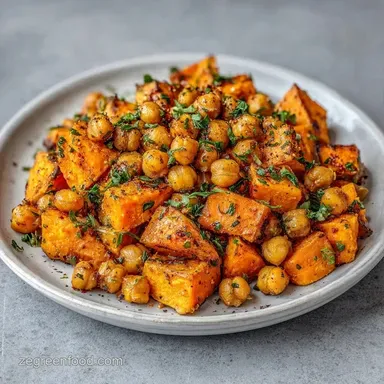
Buddha Bowl: Plant-Based Dinner for Beginners
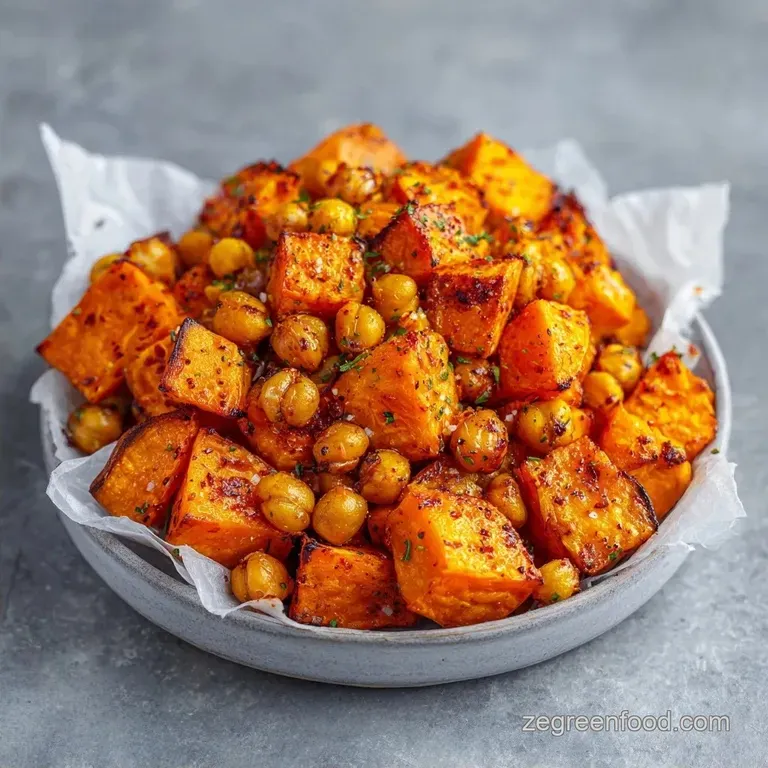
- Time:15 minutes active + 35 minutes cooking
- Flavor/Texture Hook: Shatter crisp chickpeas paired with a velvety lemon tahini sauce
- Perfect for: High protein meal prep or a fast weeknight fuel up
The smell of smoked paprika hitting a hot oven is enough to make anyone hungry, but it's that specific sizzle of chickpeas and sweet potatoes that really signals a good meal is coming.
I remember a Tuesday a few months back when I was completely drained from a workout and had zero mental energy to cook something complex. I just needed fuel that wouldn't leave me feeling sluggish, and that's when I leaned into the versatility of this assembly.
The beauty of this approach is that it isn't about following a rigid set of rules, but about layering textures and flavors. You get the warmth from the roasted base and a sharp, refreshing contrast from the raw cabbage and cucumber. It's a meal that feels like a win for your body and your taste buds.
We are aiming for a balance of macronutrients here, ensuring you get enough plant based protein and healthy fats to stay full. This Buddha Bowl is essentially a blueprint for a high energy day, and once you get the flow down, you can swap ingredients based on what's in your fridge.
The Ultimate Nutrient Dense Buddha Bowl
The secret to a top rated Buddha Bowl is the contrast. If everything is soft, it's boring. If everything is raw, it feels like a chore to eat. By roasting the hearty elements and keeping the greens crisp, we create a dynamic eating experience. I found some guidance in this Epicurious article by Katherine Sacks.
All in all,, Buddha carried a bowl with him on his journey, and the modern version focuses on that same balance and mindfulness, though we've added a lot more flavor and protein.
Right then, let's look at the prep flow. The goal is to have the oven doing the heavy lifting while you handle the grains and the sauce. This keeps the active work to a minimum. I've found that prepping everything in a "station" style prevents the kitchen from becoming a disaster zone.
Trust me on this, the dressing is the glue that holds the whole thing together. Without a punchy sauce, you're just eating a pile of vegetables. The tahini provides a rich, nutty base, while the lemon cuts through that heaviness to wake everything up. It's a simple but effective combination.
The Success Secret
Understanding the mechanisms behind the ingredients is how you move from a basic bowl to a rated Buddha Bowl. It's not about complex chemistry, just knowing how heat and acid interact with your food.
- Moisture Removal: Patting chickpeas dry before roasting allows the oil to sear the skin, creating a crisp pop rather than a steamed texture.
- Steam Absorption: Letting quinoa sit covered after cooking allows the grains to finish absorbing residual steam, resulting in a fluffy, non clumping texture.
- Acidic Balance: The lemon juice in the dressing breaks down the density of the tahini, turning it from a thick paste into a velvety pourable sauce.
- Texture Layering: Combining roasted, steamed, and raw elements ensures that every bite has a different sensory profile, which prevents palate fatigue.
Before we dive into the ingredients, it's helpful to decide how you want to handle your roasted components. While I prefer the oven for bulk, some people prefer a stovetop sear.
| Method | Time | Texture | Best For |
|---|---|---|---|
| Oven Roasting | 30 minutes | Uniformly crisp and caramelized | Large batches and meal prep |
| Stovetop Sauté | 12 minutes | Charred and slightly softer | Single servings and speed |
The oven is the gold standard for a Buddha Bowl because it frees up your stove for the quinoa, allowing you to multitask effectively.
The Building Blocks
Every component in this dish serves a purpose, from the energy providing grains to the micronutrient dense greens. When choosing your ingredients, think about the role they play in the overall balance of the meal.
| Ingredient | Science Role | Pro Secret |
|---|---|---|
| Quinoa | Protein base | Rinse well to remove saponins (bitter taste) |
| Sweet Potato | Complex carb | Cube them small for maximum surface area browning |
| Tahini | Healthy fat | Use warm water to thin it out for a smoother finish |
| Kale | Micronutrient fiber | Chop finely to make it easier to chew |
By focusing on these core components, you ensure the bowl is power packed. Honestly, don't even bother with low-fat substitutes here, as the fats in the avocado and tahini are what make the nutrients in the kale and cabbage bioavailable.
The Gear List
You don't need a professional kitchen to put this together, but a few specific tools make the process much smoother. I use a standard rimmed baking sheet, but if you have a perforated one, that's even better for airflow.
- Large baking sheet (for roasting)
- Medium saucepan with a tight fitting lid (for the quinoa)
- Fine mesh strainer (for rinsing grains)
- Small whisk or jar with a lid (for the dressing)
- Sharp chef's knife and cutting board
- Four wide serving bowls
Having your bowls ready before you finish the roasting process prevents the vegetables from cooling down too quickly. It's all about that flow from the oven to the table.
The Ingredient List
Here are the exact components you'll need. I've listed the main items and some honest alternatives if you're missing something.
- 400g sweet potatoes, cubed Why this? Provides sustained energy and a natural sweetness.
- 15 oz can chickpeas, drained and patted dry Why this? Essential plant protein and satisfying crunch.
- 2 tbsp olive oil Why this? High smoke point for roasting.
- 1 tsp smoked paprika Why this? Adds a deep, woody flavor.
- 1/2 tsp garlic powder Why this? Even distribution of savory notes.
- 1/2 tsp sea salt Why this? Enhances all other flavors.
- 1 cup uncooked quinoa Why this? Complete protein source.
- 2 cups water or vegetable broth Why this? Broth adds more depth to the grain.
- 1/4 tsp salt Why this? Seasons the grain from within.
- 4 cups kale, stems removed and chopped Why this? Sturdy green that doesn't wilt instantly.
- 1 cup red cabbage, thinly shredded Why this? Adds a sharp crunch and vibrant color.
- 1 cup cucumber, sliced Why this? High water content for refreshing contrast.
- 300g avocados, sliced Why this? Creaminess and heart healthy fats.
- 1/4 cup sunflower seeds Why this? Added texture and zinc.
- 1/3 cup tahini Why this? The base for a rich, nutty sauce.
- 3 tbsp fresh lemon juice Why this? Brightens the heavy tahini.
- 1 tbsp maple syrup Why this? Balances the lemon's acidity.
- 1 clove garlic, minced Why this? Pungent, fresh kick.
- 4 tbsp warm water Why this? Emulsifies the dressing.
| Original Ingredient | Substitute | Why It Works |
|---|---|---|
| Quinoa (1 cup) | Brown Rice (1 cup) | Hearty grain. Note: Increases cook time to ~45 mins |
| Tahini (1/3 cup) | Almond Butter (1/3 cup) | Similar fat profile. Note: Sweeter, less bitter than tahini |
| Kale (4 cups) | Spinach (4 cups) | Leafy green. Note: Much softer texture, doesn't hold up as long |
| Sunflower Seeds (1/4 cup) | Pumpkin Seeds (1/4 cup) | Similar crunch. Note: Slightly more earthy flavor |
If you're looking for a different way to use these chickpeas, my Potato Asparagus Chickpea Dinner is another great way to get that roasted goodness in a single pan.
The Key Steps
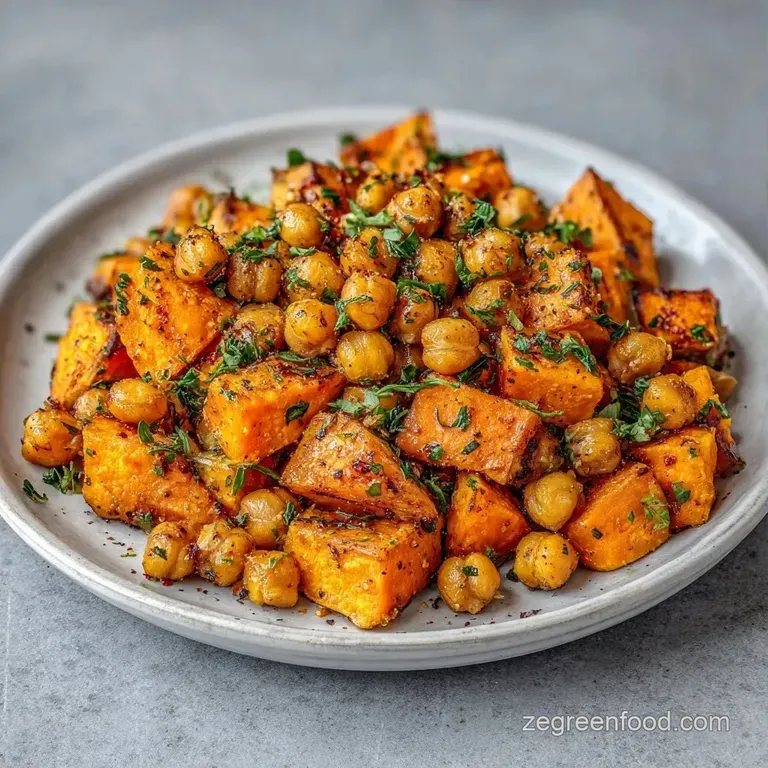
Let's crack on with the actual cooking. Follow these steps in order to keep your timing tight.
The Roasted Bits
- Preheat your oven to 400°F (200°C).
- On a large baking sheet, toss the cubed sweet potatoes and dried chickpeas with olive oil, smoked paprika, garlic powder, and salt. Note: Ensure the chickpeas are very dry to avoid steaming.
- Spread everything in a single layer and roast for 25-30 minutes until the potatoes are tender and chickpeas are crisp, tossing halfway through.
The Grains
- Rinse the quinoa under cold water using a fine mesh strainer.
- Combine quinoa, water (or broth), and salt in a saucepan. Bring it to a boil, cover, and reduce heat to low.
- Simmer for 15 minutes until the water is absorbed and the grains look translucent.
- Remove from heat and let sit, covered, for 5 minutes before fluffing with a fork. Note: This resting period is non negotiable for the best texture.
The Sauce
- Whisk together the tahini, lemon juice, maple syrup, and minced garlic in a small bowl.
- Gradually stir in the warm water until the dressing reaches a velvety, pourable consistency.
The Assembly
- Divide the fluffed quinoa, roasted sweet potatoes, and chickpeas among four bowls.
- Top with the chopped kale, shredded red cabbage, sliced cucumber, and avocado slices.
- Sprinkle with sunflower seeds and drizzle the lemon tahini dressing over each bowl.
Chef's Note: If you find the kale too tough, try "massaging" it with a tiny drop of olive oil and salt for 30 seconds before adding it to the bowl. It softens the fibers and makes the flavor more mellow.
Solving Common Problems
Even with a simple recipe, things can go sideways. Usually, it comes down to moisture or heat.
Troubleshooting Common Issues
| Issue | Solution |
|---|---|
| Why Your Chickpeas Stay Soft | This is the most common issue when making a Buddha Bowl. If there is any residual water on the chickpeas when they hit the oil, they will steam instead of roast. |
| Why Your Dressing Separates | Tahini can be temperamental. If you add the lemon juice too quickly, it might seize up or separate. The key is to whisk the base first and then thin it out slowly with warm water. |
| Why Your Quinoa Is Mushy | This usually happens if you use too much water or skip the resting period. Stick to the 2:1 ratio of liquid to grain and let it sit for 5 minutes off the heat. |
Success Checklist:
- ✓ Chickpeas patted completely dry before roasting
- ✓ Quinoa rinsed to remove bitter saponins
- ✓ Oven preheated to 400°F before the pan goes in
- ✓ Warm water used to thin the tahini
- ✓ Quinoa rested for 5 minutes before fluffing
Flavor Twist Ideas
Once you've mastered the basic Buddha Bowl, you can start experimenting. The goal is to maintain the "Power Packed" nature of the meal while changing the regional vibe.
The Indian Twist
For an Indian inspired version, swap the smoked paprika for garam masala and turmeric. Instead of tahini, use a dollop of coconut yogurt mixed with lime and cilantro. If you love these flavors, you should definitely try my Chickpea Tikka Masala for a heartier meal.
The Mediterranean Vibe
Replace the sweet potatoes with roasted cauliflower and add some kalamata olives and feta cheese. Swap the sunflower seeds for toasted pine nuts and add a bit of dried oregano to the dressing.
High Protein Boost
To make this a truly power packed fuel source, add 1/2 cup of steamed edamame or some grilled tempeh. You can also stir a tablespoon of hemp seeds into the quinoa for extra omega-3s and protein.
Low Carb Adjustments
If you're avoiding grains, swap the quinoa for cauliflower rice or a bed of extra sautéed spinach. The roasted sweet potato can be replaced with roasted radishes or zucchini to keep the carb count low while maintaining the roast texture.
Decision Shortcut:
- If you want more protein → add grilled tofu or hemp seeds
- If you want it spicier → stir sriracha into the tahini dressing
- If you want it sweeter → add a handful of dried cranberries or pomegranate seeds
Storage and Freezing
Planning is everything for a high performance lifestyle. This Buddha Bowl is fantastic for meal prep, but you have to be smart about how you store it to avoid a soggy mess.
Fridge Guidelines
Store the components in airtight containers for up to 4 days. The biggest mistake people make is dressing the bowl in advance. Keep the lemon tahini sauce in a separate small jar and drizzle it on just before eating.
The roasted veggies and quinoa hold up great, but the avocado should be added fresh to prevent browning.
Freezing Tips
You can freeze the roasted sweet potatoes, chickpeas, and quinoa for up to 3 months. Do NOT freeze the kale, cabbage, cucumber, or avocado. To reheat, simply pop the frozen grains and veggies in the oven at 350°F (175°C) for 10 minutes or microwave them.
Then, assemble with fresh greens and a fresh batch of dressing.
Zero Waste Hacks
Don't toss the cabbage core or the sweet potato peels. You can thinly slice the cabbage core and quick pickle it in vinegar and sugar for a tangy topping. The sweet potato peels can be tossed in oil and salt and roasted at 400°F (200°C) for 5-8 minutes to make crispy skin chips.
The Best Pairings
While the Buddha Bowl is a complete meal, sometimes you want a little something extra on the side to round out the experience.
The Perfect Side
A light, clear soup works best here. A ginger carrot soup or a simple miso broth complements the earthy tones of the quinoa and tahini without overwhelming the palate. Avoid heavy creams or cheesy sides, as the bowl already has plenty of richness from the avocado.
The Best Beverage
I recommend a chilled hibiscus tea or a sparkling water with a slice of cucumber and mint. The acidity and freshness of these drinks cleanse the palate between bites of the creamy tahini and roasted vegetables.
Right then, you're all set. This Buddha Bowl is more than just a trend; it's a reliable way to get all your nutrients in one go. It's satisfying, vibrant, and honestly, just feels right. Let me know how yours turns out, and don't be afraid to throw in whatever extra veggies you have lingering in the crisper drawer.
Happy cooking!
High in Sodium
818 mg 818 mg of sodium per serving (36% 36% of daily value)
The American Heart Association recommends a daily limit of 2,300mg of sodium to maintain optimal heart health and lower blood pressure.
Tips to Reduce Sodium
-
Swap the Broth-30%
Replace the vegetable broth with water or a low-sodium vegetable broth to eliminate a significant source of hidden salt.
-
Limit Added Salt-25%
Reduce or eliminate the sea salt and table salt; the natural flavors of the sweet potato and tahini provide a solid base.
-
Rinse Your Chickpeas-20%
Thoroughly rinse the canned chickpeas under cold water to wash away the salty canning liquid (brine).
-
Amplify the Citrus-10%
Increase the fresh lemon juice in the dressing to add a bright, zesty flavor that mimics the tongue's perception of salt.
-
Enhance with Spices
Use extra smoked paprika, garlic powder, or fresh herbs to add depth and complexity without adding any sodium.
Recipe FAQs
What are the 5 components of a Buddha bowl?
Grains, protein, vegetables, healthy fats, and a dressing. This recipe utilizes quinoa, chickpeas, a mix of kale and cabbage, avocado, and a lemon-tahini sauce.
What is the best sauce for a Buddha bowl?
A creamy lemon-tahini dressing. Whisk together tahini, lemon juice, maple syrup, and minced garlic, then thin it with warm water until smooth.
Are Buddha bowls healthy to eat every day?
Yes, provided you vary the ingredients. They offer a nutrient-dense balance of complex carbohydrates, plant proteins, and essential micronutrients.
What is the difference between a poke bowl and a Buddha bowl?
Buddha bowls are plant-based, whereas poke bowls typically center on raw marinated fish. Buddha bowls often include roasted elements and are designed to be vegan or vegetarian.
What are the best vegetarian/vegan recipes for beginners?
Start with assembly-style meals like bowls and grain salads. If you enjoy the roasted vegetable technique here, try our butternut quinoa salad for a similar nutritional profile.
What recipe can a vegan make to impress omnivores?
Hearty, flavor-dense options like roasted bowls or plant-based burgers. Focus on contrasting textures and bold seasonings like smoked paprika to create a satisfying meal.
Why do my roasted chickpeas stay soft instead of getting crispy?
They were likely too wet before roasting. Ensure chickpeas are patted completely dry before tossing with olive oil to prevent them from steaming in the oven.
Buddha Bowl with Crispy Chickpeas