Spicy Lemongrass Coconut Noodle Soup
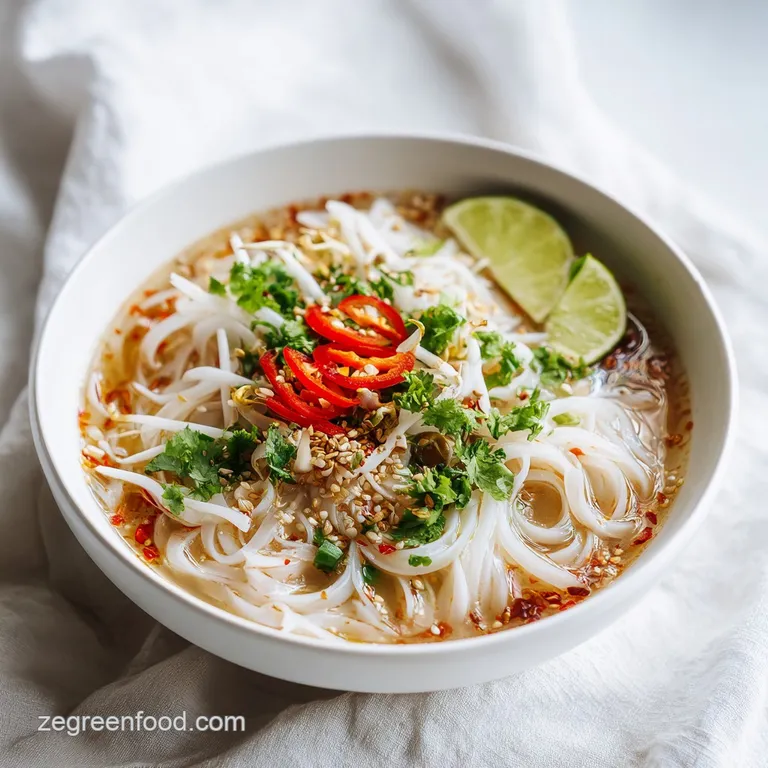
- Time: Active 15 minutes, Passive 15 minutes, Total 30 minutes
- Flavor/Texture Hook: Silky, zesty, and intensely fragrant with a spicy kick
- Perfect for: High protein meal prep or a quick weeknight energy boost
- Crafting the Ultimate Spicy Lemongrass Coconut Noodle Soup
- Why the Aromatics and Fats Create Total Balance
- Component Analysis: The Essential Elements for Success
- The Essential Elements for a Protein Packed Bowl
- Minimal Tools Required for This 30 Minute Meal
- Step by Step Instructions for a Velvety Broth
- How to Rescue Flavors and Textures from Mistakes
- Scaling Your Recipe and Finding the Perfect Side
- Creative Ways to Customize Your Spicy Noodle Bowl
- Searing Meat Does Not Seal In Juices
- Fresh Lemongrass is Not Replaceable by Dried
- Smart Ways to Store and Repurpose Your Leftovers
- Serving Suggestions and the Perfect Side
- Critical Sodium Alert!
- Recipe FAQs
- 📝 Recipe Card
Crafting the Ultimate Spicy Lemongrass Coconut Noodle Soup
If there is one ingredient that completely changes the trajectory of your home cooking, it is fresh lemongrass. I remember the first time I tried to use it; I didn't realize you had to peel away those tough, woody outer layers to get to the pale, tender core.
I ended up with a soup that tasted like citrus scented wood chips. But once you learn to mince that soft inner stalk until it’s almost a paste, the aroma that hits the pan is nothing short of transformative. It’s not just "lemony" it’s herbal, floral, and earthy all at once.
It provides a bright backbone that cuts right through the heavy fats of coconut milk, making every spoonful feel light despite being incredibly nutrient dense.
This spicy lemongrass coconut noodle soup is my go to when I need to refuel after a heavy training session or a long day. We aren't just making a basic broth here; we are building a complex flavor profile that hits every part of your palate.
You get the heat from the Thai bird’s eye chilies, the tang from the organic lime juice, the saltiness from the fish sauce, and that indispensable creaminess from the coconut milk.
Most importantly, it packs 33.1 grams of protein per serving, making it a legitimate power packed meal rather than just a light starter.
We are going to focus on a few key techniques that ensure the shrimp stay snappy rather than rubbery and the noodles don't turn into a gummy mess. Many people struggle with coconut based soups because they can feel a bit "flat" or greasy.
I've learned that the secret lies in the order of operations specifically, how we treat the aromatics and when we introduce the acidity. By the time you finish this bowl, you’ll see why this has become a permanent fixture in my weekly rotation.
Why the Aromatics and Fats Create Total Balance
Fat Soluble Infusion: The aromatic compounds in lemongrass, garlic, and ginger are primarily fat soluble, meaning they release their maximum flavor when toasted in oil rather than just boiled in liquid. This creates a more intense, layered base that coats the tongue.
Emulsion Stability: Using the thick solids from the top of the coconut milk can to fry the curry paste creates a stable emulsion early on. This prevents the oil from separating into unsightly orange slicks on the surface of your soup later.
Acidic Counterpoint: Adding fresh lime juice at the very end prevents the heat from destroying the delicate citrus enzymes. This acidity is what "lifts" the heavy coconut fats, preventing the dish from feeling cloying or overly rich.
Controlled Denaturation: By poaching the shrimp in the simmering broth for exactly 2-3 minutes, we stop the protein strands from tightening too much. This ensures the shrimp remains tender and juicy rather than tough and dry.
| Protein Thickness | Internal Temp | Rest Time | Visual Cue |
|---|---|---|---|
| Large Shrimp (1") | 145°F | 1 minute | Opaque pink with C shape curl |
| Jumbo Shrimp (1.5") | 145°F | 2 minutes | Firm to touch, no translucency |
| Sliced Chicken (0.5") | 165°F | 3 minutes | Center is white and juices run clear |
When you are working with seafood in a hot broth, remember that carryover cooking is your biggest enemy. The liquid is a highly efficient heat conductor, and even after you turn off the stove, those shrimp will continue to cook. If you plan on having leftovers, I actually recommend slightly undercooking the shrimp you intend to store. This way, when you reheat the spicy lemongrass coconut noodle soup, the protein reaches its ideal texture during the second heating rather than becoming a rubbery disappointment.
Component Analysis: The Essential Elements for Success
| Ingredient | Science Role | Pro Secret |
|---|---|---|
| Fresh Lemongrass | Provides citral and geraniol oils for a floral citrus scent. | Only use the bottom 4 inches; the top is for tea or stocks. |
| Thai Red Curry Paste | Acts as a concentrated flavor base with shrimp paste and galangal. | Fry it in oil for 60 seconds to "bloom" the dried spices. |
| Full Fat Coconut Milk | Provides the medium chain triglycerides (MCTs) for a creamy mouthfeel. | Don't shake the can; use the thick cream on top for frying. |
| Fish Sauce | Delivers a massive hit of glutamate for savory depth. | Add it slowly; the saltiness concentrates as the broth simmers. |
To get the most out of your ingredients, you need to understand how they interact. For instance, the brown sugar isn't there to make the soup sweet; it’s there to provide a bridge between the sharp acidity of the lime and the funky saltiness of the fish sauce.
If you find your soup tastes like it’s "missing something" even after following the recipe, it’s almost always a lack of salt (fish sauce) or acid (lime).
The Essential Elements for a Protein Packed Bowl
- 2 stalks fresh lemongrass: Finely minced (approx. 30g). Why this? Provides the signature citrus herbal backbone of the entire dish.
- 3 tbsp Thai red curry paste (45g): Why this? A shortcut that packs garlic, shallots, and chilies into one spoonful.
- 1 tbsp fresh ginger, grated (15g): Why this? Adds a sharp, spicy warmth that complements the lemongrass.
- 4 cloves garlic, minced (20g): Why this? Builds the foundational savory base for the broth.
- 2 Thai bird’s eye chilies, sliced: Why this? Essential for that authentic, sharp heat that cuts through coconut fat.
- 2 tbsp neutral oil (30ml): Why this? Used to bloom the aromatics without adding its own flavor.
- 2 cans (13.5 oz each) full fat coconut milk (800ml): Why this? Creates the rich, velvety texture and provides healthy fats.
- 3 cups high-quality vegetable or chicken stock (710ml): Why this? Thins the coconut milk into a drinkable, savory soup base.
- 2 tbsp fish sauce (30ml): Why this? The "salt" of Southeast Asian cooking, providing deep umami.
- 1 tbsp brown sugar (12g): Why this? Balances the salt and acid for a rounded flavor profile.
- 2 organic limes, zest and juice: Why this? Adds freshness and cuts through the richness of the milk.
- 8 oz dry rice noodles (225g): Why this? The perfect vessel for soaking up the aromatic broth.
- 1 cup shiitake mushrooms, sliced (75g): Why this? Adds an earthy, meaty texture and extra vitamins.
- 1 cup red bell pepper, thinly sliced (150g): Why this? Provides a subtle sweetness and a crunch for texture.
- 1 lb large shrimp, peeled and deveined (450g): Why this? A lean, high protein source that cooks incredibly fast.
- 1/2 cup fresh cilantro and Thai basil, for garnish: Why this? The final layer of herbal freshness to brighten the bowl.
- 2 scallions, thinly sliced: Why this? Adds a mild onion bite and a pop of green color.
| Original Ingredient | Substitute | Why It Works |
|---|---|---|
| Fish Sauce (2 tbsp) | Soy Sauce (2 tbsp) | Provides salt and umami. Note: Lacks the specific fermented funk of fish sauce. |
| Thai Red Curry Paste | Curry Powder + Tomato Paste | Mimics the spice and color. Note: Will result in a very different flavor profile. |
| Rice Noodles (8 oz) | Soba Noodles (8 oz) | Adds an earthy, nutty flavor and more fiber. |
Minimal Tools Required for This 30 Minute Meal
One of the reasons I love this recipe for meal prep is that it doesn't require a kitchen full of gadgets. You really only need a large heavy bottomed pot something like a 5 quart Dutch oven or a high sided sauté pan.
A heavy pot is crucial because it distributes heat evenly, which prevents the minced garlic and lemongrass from burning while you're trying to bloom the curry paste. If you use a thin, cheap pot, you’ll likely end up with bitter, scorched bits of garlic before the ginger has even had a chance to soften.
You'll also want a microplane or a fine grater for the ginger and garlic. Honestly, don't even bother trying to finely mince ginger with a knife unless your skills are top tier; the grater creates a paste that dissolves seamlessly into the broth, ensuring you don't bite into a woody chunk of ginger later.
Finally,, a good sharp chef's knife is non negotiable for the lemongrass. That stuff is fibrous, and a dull blade will just slip off the stalk, which is a recipe for a trip to the urgent care.
step-by-step Instructions for a Velvety Broth
- Heat the neutral oil in a large heavy bottomed pot or Dutch oven over medium heat. Note: Using medium heat prevents the aromatics from burning too quickly.
- Add the minced lemongrass, grated ginger, minced garlic, and sliced Thai chilies. Sauté for 2–3 minutes until the garlic is golden and aromatics are fragrant.
- Stir in the Thai red curry paste. Cook for 60 seconds, stirring constantly to 'fry' the paste and deepen its flavor. Note: This step is vital for removing the "raw" taste of the paste.
- Pour in the stock and the solids from the top of the coconut milk cans. Whisk until the curry paste is fully incorporated into the liquid.
- Add the sliced shiitake mushrooms and red bell peppers. Bring the broth to a gentle simmer for 5 minutes until the peppers are slightly softened.
- Add the shrimp to the broth. Simmer for 2-3 minutes until pink and opaque. Stir in the remaining coconut milk liquid, fish sauce, brown sugar, lime zest, and lime juice.
- Cook the rice noodles in a separate pot of boiling water according to package instructions (usually 3-5 minutes). Drain immediately. Note: Cooking noodles separately prevents them from absorbing all the soup broth.
- Divide the cooked noodles into four deep bowls. Ladle the hot coconut broth and protein over the noodles.
- Garnish with fresh cilantro, Thai basil, and sliced scallions before serving.
How to Rescue Flavors and Textures from Mistakes
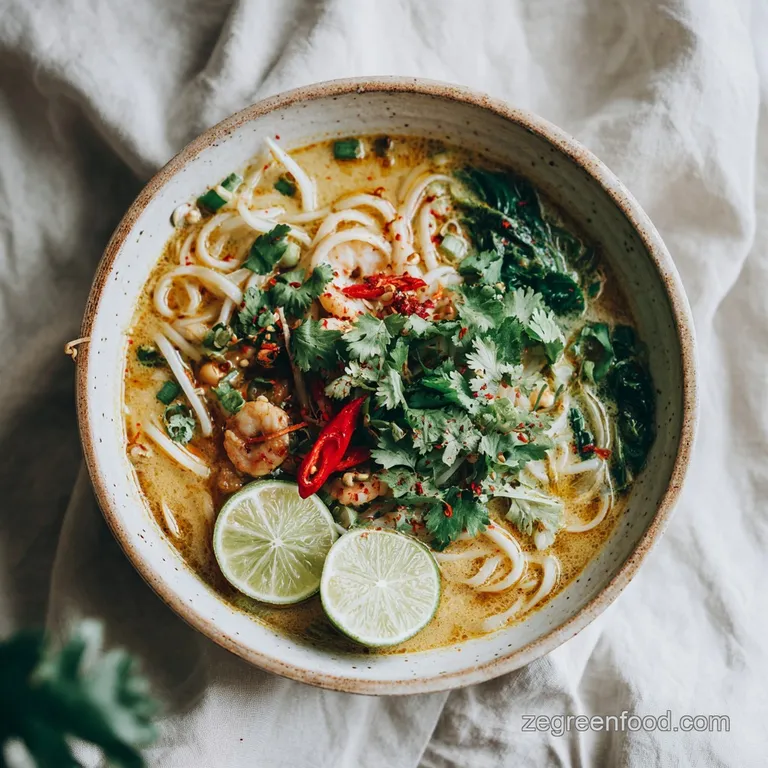
Why Your Coconut Broth Separated
If you notice oily droplets or a curdled appearance, it’s usually because the broth reached a violent boil. High heat causes the proteins in the coconut milk to clump together and the fat to break away. To fix this, turn the heat down immediately.
If it's already separated, you can sometimes save it by whisking in a small splash of room temperature coconut milk or using an immersion blender to re emulsify the fats though be careful not to pulverize your vegetables!
Why Your Soup Lacks Punch
If the soup feels "one note" or bland, it’s likely an imbalance of the four pillars: sweet, sour, salty, and spicy. Most of the time, a lack of "zing" means you need more lime juice. If it tastes flat, add half a teaspoon more fish sauce. If it’s too sharp, a tiny pinch more brown sugar will mellow it out.
Trust your palate more than the measurements!
| Problem | Root Cause | Solution |
|---|---|---|
| Rubbery Shrimp | Overcooking in boiling liquid | Remove pot from heat as soon as shrimp turn opaque. |
| Mushy Noodles | Cooking noodles in the soup broth | Always cook rice noodles separately and add just before serving. |
| Overpowering Heat | Too many Thai chilies or spicy paste | Whisk in more coconut milk or a teaspoon of peanut butter to mellow. |
Common Mistakes Checklist
- ✓ Peel the tough outer layers of the lemongrass before mincing to avoid a woody texture.
- ✓ Don't skip the "blooming" stage for the curry paste; it’s essential for depth.
- ✓ Use full fat coconut milk; low-fat versions will water down the flavor and feel thin.
- ✓ Always taste the broth after adding the lime and fish sauce, as these change everything.
- ✓ Rinse your rice noodles in cold water after draining to stop the cooking process.
Scaling Your Recipe and Finding the Perfect Side
If you are cooking for a crowd and need to double this recipe, the most important thing to watch is the liquid to solid ratio. When doubling, you don't necessarily need to double the fish sauce and sugar right away. Start with 1.5x the amount, taste it, and then add more.
Spices and salts can become overwhelming when doubled strictly by volume. Also, work in batches when sautéing the aromatics if your pot isn't large enough overcrowding will cause the ginger and garlic to steam rather than fry.
For a smaller portion (halving the recipe), you might find that the liquid evaporates too quickly in a large pot. Use a smaller saucepan and keep a lid on it during the 5 minute simmer to preserve that precious broth. If you’re looking for a variation that’s equally fast, you might enjoy my Miso Udon Noodle Soup, which uses a different flavor profile but follows a similar quick cook philosophy.
Decision Shortcut
- If you want a creamier broth, whisk in 1 tablespoon of creamy peanut butter with the coconut milk.
- If you want more protein, add 4 oz of firm tofu cubes along with the shrimp.
- If you want a lower carb version, swap the rice noodles for zucchini noodles or spaghetti squash.
Creative Ways to Customize Your Spicy Noodle Bowl
This recipe is incredibly flexible. While shrimp is the classic choice for a high protein Thai style soup, you can easily swap it for thinly sliced chicken breast or even scallops. If you go the chicken route, add the slices at the same time as the mushrooms and peppers to ensure they cook through completely. The beauty of this spicy lemongrass coconut noodle soup is that the broth itself is the star, and it plays well with almost any protein.
| Option | Ingredient Swap | Flavor Impact |
|---|---|---|
| Vegan | Extra Firm Tofu | Absorbs the broth; less "ocean" flavor. |
| Budget | Chicken Thighs | Richer, meatier flavor; slightly higher fat. |
| Deluxe | Sea Scallops | Sweet and buttery; very premium feel. |
Another fun way to "mix it up" is to play with the greens. If you don't have cilantro or Thai basil, try some baby spinach or bok choy. Throw them in at the very last second so they just barely wilt. The heat of the broth is usually enough to cook tender greens without needing extra time on the burner.
Searing Meat Does Not Seal In Juices
Many people think that frying the aromatics or meat at high heat "seals" the moisture inside. That’s actually a myth. Moisture loss happens regardless of how high the heat is. We sear the aromatics and fry the curry paste for one reason only: flavor development.
The Maillard reaction and the release of essential oils create complex flavor molecules that boiling simply cannot achieve.
Fresh Lemongrass is Not Replaceable by Dried
I’ve seen "dried lemongrass" in the spice aisle, and honestly, don't even bother. Dried lemongrass loses almost all the volatile oils that give the fresh version its magic. It ends up tasting like dusty hay.
If you can’t find fresh, look for the "lemongrass paste" in tubes in the produce section it’s a much better alternative than the dried stuff.
Smart Ways to Store and Repurpose Your Leftovers
The golden rule for storing any noodle soup is to keep the noodles and the broth separate. If you store them together, the rice noodles will act like sponges, absorbing all your delicious broth and turning into a giant, soggy cake by the next morning.
Store the broth and shrimp in one airtight container and the cooked noodles in another. The broth will stay fresh in the fridge for up to 3 days.
If you find yourself with extra lemongrass or ginger, don't let them go to waste. You can freeze lemongrass stalks whole they actually grate much easier when they're frozen! For leftover cilantro and basil stems, throw them into a freezer bag and save them for your next batch of homemade vegetable stock.
They add a wonderful aromatic lift to any soup base.
Serving Suggestions and the Perfect Side
When serving this, I like to put all the garnishes in small bowls in the center of the table. Everyone has a different preference for how much lime or herb they want, and it makes the meal feel like an event. For a side dish, something crunchy and fresh works best to contrast the creamy soup.
A simple cucumber salad with rice vinegar and sesame seeds is a fantastic "cooling sidekick" to the spicy heat of the broth.
If you're looking for another great meal prep option that uses coconut milk but leans into different flavors, check out my Tropical Mango Turmeric Smoothie. It’s a great way to use up that last half can of coconut milk if you decided to scale down the soup recipe! Whether you're fueling for a workout or just looking for a cozy, vibrant dinner, this soup delivers on every front. Trust me, once you smell that lemongrass hitting the hot oil, you'll be hooked.
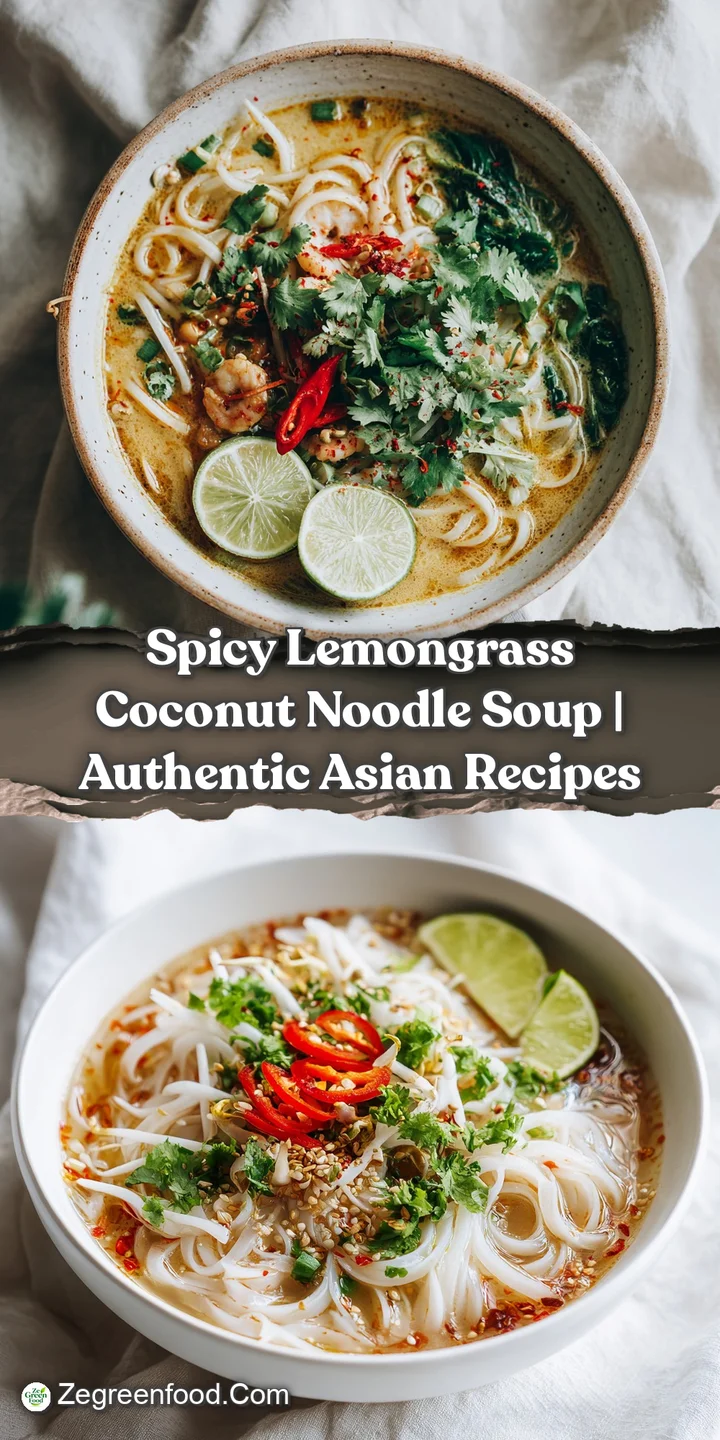
Critical Sodium Alert!
1285 mg 1285 mg (56% 56% of daily value)
The American Heart Association recommends no more than 2,300mg of sodium per day, ideally aiming for 1,500mg for most adults.
Tips to Reduce Sodium in Your Red Curry Noodles:
-
Choose Low-Sodium Stock-30%
Opt for low-sodium vegetable or chicken stock. This is a major source of hidden sodium. Look for brands with 140mg of sodium or less per serving.
-
Reduce Fish Sauce-20%
Fish sauce is very high in sodium. Try using half the amount (1 tbsp) or look for a low-sodium fish sauce alternative if available.
-
Boost Fresh Aromatics and Herbs
Enhance flavor with more fresh lemongrass, ginger, garlic, chilies, lime zest and juice. Increase the amounts of fresh cilantro and Thai basil for a vibrant, sodium free flavor boost.
-
Use Less Curry Paste-15%
Thai red curry paste can be a significant sodium contributor. Try using 2 tablespoons instead of 3, and compensate with the increased fresh aromatics and herbs mentioned above.
Recipe FAQs
What is the spicy version of pho called?
Spicy lemongrass coconut noodle soup is distinct from pho. While pho is a clear beef or chicken broth noodle soup, this dish uses a rich coconut milk base infused with Thai red curry paste and aromatics.
What is the name of the Thai coconut noodle soup?
This style of soup is most commonly referred to as Khao Soi or Tom Kha Gai depending on the specific regional influences. Our version focuses on the classic combination of lemongrass, red curry paste, and full fat coconut milk to create a velvety, fragrant broth.
Is spicy lemongrass soup good for you when sick?
Yes, it is often recommended for its potent aromatics. Ingredients like ginger, garlic, and fresh chilies provide a significant flavor punch that can feel very soothing when you are feeling under the weather.
What is the secret ingredient in secret ingredient soup?
The secret is the "blooming" of the Thai red curry paste. By frying the paste in neutral oil for 60 seconds before adding liquids, you remove the raw taste and unlock deep, complex flavors that define the final broth.
How to avoid a woody texture when using lemongrass?
Peel away the tough outer layers of the lemongrass stalks until you reach the softer core before finely mincing. Only use the bottom 4 inches of the stalk to ensure the texture remains pleasant in your finished soup.
How to prevent the rice noodles from turning mushy?
Rinse the noodles in cold water immediately after draining. This stops the cooking process instantly, ensuring they remain firm and provide the perfect texture to match our stir fried tofu bowl's balance of ingredients.
Is it true that I can use light coconut milk to save calories?
No, this is a common misconception. You must use full fat coconut milk because low-fat versions lack the necessary richness and will result in a thin, watery broth that fails to carry the curry flavors properly.
Spicy Lemongrass Coconut Noodle Soup
Ingredients:
Instructions:
Nutrition Facts:
| Calories | 842 kcal |
|---|---|
| Protein | 33.1 g |
| Fat | 52.4 g |
| Carbs | 58.7 g |
| Fiber | 3.2 g |
| Sugar | 8.9 g |
| Sodium | 1285 mg |
