Spicy Peanut Buddha Bowl Recipe
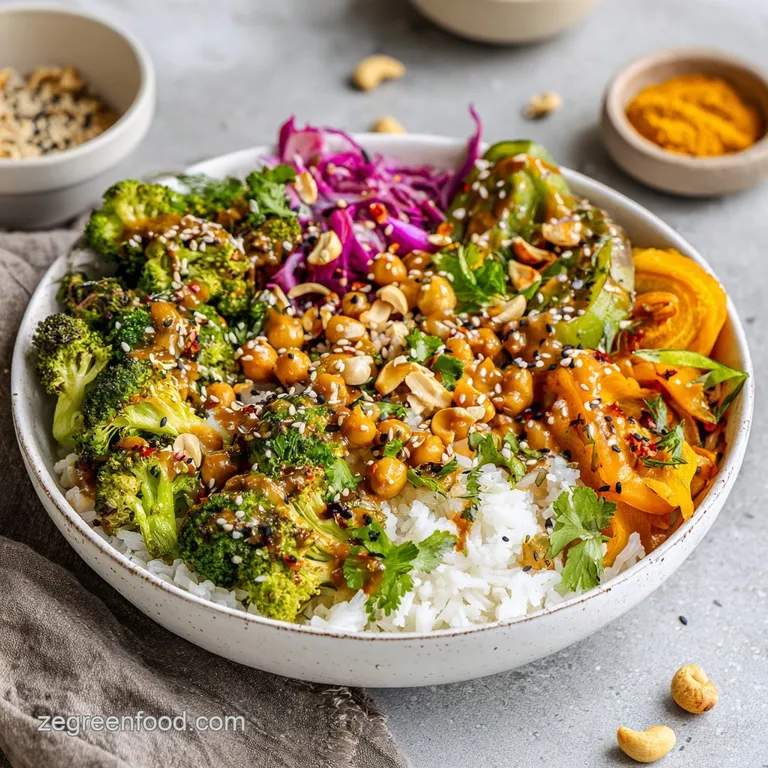
- Time: Active 15 minutes, Passive 20 minutes, Total 35 minutes
- Flavor/Texture Hook: Crunchy cabbage meets silky, spicy peanut dressing
- Perfect for: High performance meal prep and weeknight fuel
- Fuel Your Day With This Spicy Peanut Buddha Bowl Recipe
- Essential Techniques for Meal Prep Success
- Component Analysis of Nutrient Dense Elements
- Sourcing Elements for High Protein Fuel
- Minimal Equipment for Maximum Kitchen Speed
- Step by Step Prep Flow Guide
- Troubleshooting Common Kitchen and Sauce Errors
- Adapting Flavors for Specific Dietary Needs
- Expert Storage and Zero Waste Tips
- Serving Ideas for Better Nutrient Density
- High in Sodium
- Recipe FAQs
- 📝 Recipe Card
Fuel Your Day With This Spicy Peanut Buddha Bowl Recipe
Imagine pulling a tray out of the oven and being hit by the smell of caramelized sweet potatoes that earthy, sweet scent that tells you dinner is going to be satisfying. I used to be the person who ate "sad salads" for lunch, you know the ones, a few limp leaves and a watery dressing that left me reaching for a protein bar twenty minutes later.
This spicy peanut buddha bowl recipe changed everything because it actually fuels your body instead of just filling it up.
The first time I nailed this, I remember the sound of the English cucumber slicing that crisp, watery snap and the way the velvety peanut sauce clung to every single grain of quinoa.
It’s not just a bowl of food; it’s a calculated balance of 57 grams of protein and 11 grams of fiber that keeps you focused all afternoon. We aren't doing "diet food" here, we are doing performance fuel that happens to taste like a Thai street market.
Whether you're finishing a heavy lift or just need to power through a back-to-back meeting schedule, this bowl is your best friend. It’s colorful, vibrant, and has that perfect "crunch to chew" ratio that makes every bite interesting.
Let’s get into how we build this thing properly, because the sequence matters just as much as the ingredients.
Essential Techniques for Meal Prep Success
- Emulsification Stability: Whisking warm water into peanut butter creates a stable fat in-water emulsion that won't separate when chilled.
- Starch Gelatinization: Cooking quinoa at a 2:1 water ratio ensures the grains burst open properly, creating a fluffy base for the sauce.
- Maillard Reaction: Roasting sweet potatoes at high heat creates browned, flavorful compounds on the surface through amino acid reactions.
- Protein Denaturation: Slicing the 1 lb chicken breast into thin strips allows for rapid cooking, preventing the protein from becoming tough or rubbery.
Mastering the Emulsion
When you mix the 1/2 cup creamy natural peanut butter with the 2 tbsp fresh lime juice and 4 tbsp warm water, you're performing a bit of kitchen magic. Initially, the sauce might look broken or curdled, but keep whisking. The warm water thins the fat, while the lime juice provides acidity that cuts through the richness. It’s similar to the technique used in our Chickpea Curry With recipe where fats and liquids are balanced for a silky finish.
The Maillard Effect
Those 2 large sweet potatoes need to be cubed into consistent 1/2 inch pieces. This ensures they all hit that sweet spot of a soft interior and a slightly charred exterior at the same time.
The heat breaks down the natural sugars, turning them into a deep, nutty flavor that pairs perfectly with the heat from the 1 tbsp red curry paste in the dressing.
Texture Layering for Satiety
We use 2 cups shredded purple cabbage and 1 cup shelled edamame not just for the vibrant color, but for the "jaw work." Eating foods with different textures signals to your brain that you are more satisfied. The "shatter" of the cabbage against the "velvety" sauce is a sensory win every time.
| Method | Time | Texture | Best For |
|---|---|---|---|
| Oven Roast | 20 mins | Crispy edges | Maximum flavor depth |
| Air Fryer | 12 mins | Extra crunchy | Speed and efficiency |
| Steaming | 10 mins | Soft and tender | Low oil preference |
Every cooking method changes the glycemic impact slightly, but roasting remains the gold standard for flavor development in these bowls.
Component Analysis of Nutrient Dense Elements
| Ingredient | Science Role | Pro Secret |
|---|---|---|
| Quinoa | Complex carbohydrate base | Toast the dry grains for 2 minutes before adding water to unlock a nutty aroma. |
| Peanut Butter | Healthy fat and emulsifier | Use "natural" versions only; the added oils in processed brands prevent a clean sauce texture. |
| Red Curry Paste | Capsaicin and aromatics | Bloom the paste in a tiny bit of warm oil first if you want a more intense, rounded heat. |
Sourcing Elements for High Protein Fuel
- 1 cup dry quinoa: Use a tri color blend for more micronutrients. (Sub: Brown rice - note: denser texture, longer cook time) Why this? Complete plant protein source with all nine essential amino acids.
- 2 large sweet potatoes: Look for firm, orange fleshed yams. (Sub: Butternut squash - note: slightly sweeter, softer texture) Why this? Slow burning carbs that provide sustained energy without a sugar crash.
- 1 lb chicken breast: Organic or air chilled stays juicier. (Sub: Extra firm tofu - note: requires pressing to get crispy) Why this? Lean protein essential for muscle repair and satiety.
- 1/2 cup creamy natural peanut butter: Only peanuts and salt. (Sub: Almond butter - note: more neutral, less "Thai" flavor) Why this? Provides the creamy mouthfeel and healthy fats needed for nutrient absorption.
- 2 cups shredded purple cabbage: High in antioxidants. (Sub: Kale - note: tougher texture, needs massaging with oil) Why this? Adds a massive crunch that doesn't wilt under the warm sauce.
- 1 tbsp red curry paste: Check for shrimp paste if vegan. (Sub: Sriracha - note: adds heat but lacks the depth of Thai aromatics) Why this? Concentrated flavor that brings the "spicy" to the spicy peanut buddha bowl recipe.
| Element | Fresh Option | Shortcut Option | Impact |
|---|---|---|---|
| Ginger | 1 tbsp fresh grated | 1 tsp ground ginger | Fresh is zingy; ground is more earthy/muted |
| Cabbage | Whole head, hand sliced | Bagged coleslaw mix | Bagged is faster but lacks the specific purple cabbage color |
| Edamame | Fresh in pod | Frozen shelled | Frozen is a massive time saver with no flavor loss |
The fresh ginger is a non negotiable for me. The way it interacts with the 1 clove garlic and 2 tbsp fresh lime juice is what makes the sauce taste "alive" rather than just salty. It’s a similar flavor profile to what you might find in a Mexican Burrito Bowl recipe, though here we trade the cilantro lime focus for a deep, nutty heat.
Minimal Equipment for Maximum Kitchen Speed
You don't need a high end kitchen to pull this off, but a few specific tools make it faster. A heavy rimmed baking sheet (like a Nordic Ware) is vital for roasting the sweet potatoes without them sticking.
For the chicken, a cast iron skillet provides the best sear, but a standard non stick works if you're watching the oil.
For the sauce, skip the blender. A simple wire whisk and a medium glass bowl are all you need. You want to see the transformation of the ingredients as you whisk it's more satisfying that way. Finally, a sharp chef's knife makes quick work of the English cucumber and cilantro.
step-by-step Prep Flow Guide
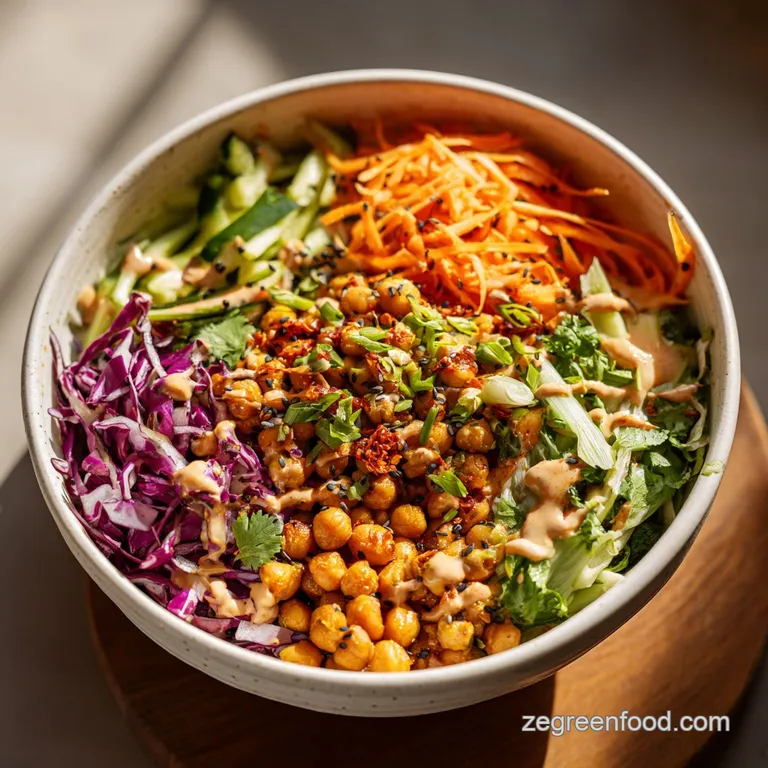
- Prep Quinoa: Rinse 1 cup dry quinoa under cold water. Combine with 2 cups water in a pot, bring to a boil, then simmer for 15 minutes until the germ separates into a tiny spiral.
- Roast Potatoes: Toss 2 large sweet potatoes (1/2 inch cubes) with a dash of oil on a tray. Bake at 400°F for 20 minutes until edges are golden and centers are tender.
- Cook Chicken: Season 1 lb chicken breast strips. Sear in a hot pan for 6-8 minutes until no longer pink and juices run clear. Note: Don't overcrowd the pan or they will steam rather than sear.
- Whisk Sauce: In a bowl, combine 1/2 cup peanut butter, 2 tbsp soy sauce, 1 tbsp red curry paste, 1 tbsp grated ginger, and 1 clove minced garlic.
- Emulsify: Gradually add 2 tbsp lime juice and 4 tbsp warm water to the peanut mixture. Whisk vigorously until the sauce is velvety and pourable.
- Prep Veggies: Slice 1 English cucumber into rounds and shred 2 cups purple cabbage. Steam 1 cup shelled edamame if frozen.
- Assemble Base: Divide the cooked quinoa into 4 bowls. This creates the warm foundation for the toppings.
- Layer Toppings: Arrange the chicken, sweet potatoes, cabbage, edamame, and cucumber in sections over the quinoa.
- Garnish: Drizzle the spicy peanut sauce generously over each bowl. Top with 1 bunch fresh cilantro (chopped).
- Final Check: Ensure every bowl has a balance of all colors. Serve immediately while the potatoes and chicken are still warm.
Chef's Tip: If your peanut sauce gets too thick as it sits, add warm water one teaspoon at a time. It should be the consistency of heavy cream, not paste.
Troubleshooting Common Kitchen and Sauce Errors
Why Your Sauce Seized
If your sauce turned into a grainy, thick clump the moment you added the lime juice, don't panic. This usually happens when the peanut butter is too cold or the liquid is added too fast. The fats react to the acid and tighten up.
| Problem | Root Cause | Solution |
|---|---|---|
| Clumpy Sauce | Cold ingredients or fast mixing | Add 1 tbsp boiling water and whisk like your life depends on it. |
| Soggy Potatoes | Overcrowded baking sheet | Spread them out so air can circulate; use two trays if needed. |
| Bland Quinoa | Cooking in plain water | Use vegetable broth or add a pinch of salt to the water. |
Preventing Soggy Veggies
Nobody likes a limp cucumber. If you are meal prepping this spicy peanut buddha bowl recipe, keep the sliced cucumber and cabbage in a separate container from the warm chicken and quinoa. Heat the base components first, then add the fresh "crunch" right before you eat.
| Issue | Cause | Fix |
|---|---|---|
| Dry Chicken | Overcooking the thin strips | Remove from heat at 160°F; carryover cooking hits 165°F. |
| Bitter Sauce | Too much red curry paste | Balance with a teaspoon of honey or maple syrup. |
| Mushy Quinoa | Using too much water | Stick to the 2:1 ratio and fluff with a fork immediately. |
Common Mistakes Checklist
- ✓ Rinse the quinoa thoroughly to remove the bitter saponin coating.
- ✓ Cut sweet potatoes into equal sizes for even roasting.
- ✓ Whisk the sauce by hand to control the texture and prevent over processing.
- ✓ Steam edamame just until bright green to keep the "pop."
- ✓ Use low sodium soy sauce to control the salt level of the entire dish.
Adapting Flavors for Specific Dietary Needs
If you need to scale this down for just yourself, it's easy. Half all the measurements, but still use a whole egg if you decide to add one for extra protein (just beat it and use half).
For scaling up to a crowd of 8, keep the spices at 1.5x the original amount rather than doubling them, as the red curry paste can become overwhelming in large batches.
Making it Low Carb (Keto Friendly)
To make this keto friendly, swap the 1 cup dry quinoa for cauliflower rice and replace the sweet potatoes with roasted radishes or extra edamame. You'll also want to check your peanut butter for any hidden sugars. The sauce is already high in healthy fats, which is a win for keto.
Swapping for Nut Allergies
If peanuts are a no go, sunflower seed butter (SunButter) is a brilliant 1:1 substitute. It has a similar earthy flavor but is completely nut free. You might need an extra squeeze of lime juice to balance the slightly more bitter profile of sunflower seeds compared to peanuts.
- If you want more crunch, add crushed toasted peanuts or sesame seeds on top.
- If you want more heat, double the red curry paste or add sliced bird's eye chilies.
- If you want it vegan, swap the chicken for pan seared tofu or extra chickpeas.
Expert Storage and Zero Waste Tips
Storage: Store the components separately for the best results. The quinoa, chicken, and sweet potatoes stay fresh in the fridge for 4-5 days. Keep the sauce in a small jar at room temperature for up to 2 days, or in the fridge for 5.
I don't recommend freezing the whole bowl, as the cucumber and cabbage will turn to mush, but the cooked quinoa and chicken freeze perfectly for 2 months.
Zero Waste: Don't throw away the cilantro stems! They have more flavor than the leaves. Mince them finely and whisk them into the peanut sauce. If you have leftover cabbage, toss it with a little vinegar and salt for a quick slaw the next day.
The potato peels can also be tossed in oil and salt and roasted until crispy for a "kitchen sink" snack while you wait for the bowls to finish.
Serving Ideas for Better Nutrient Density
This spicy peanut buddha bowl recipe is a complete meal on its own, but presentation matters for that "restaurant at-home" feel. I like to serve mine in wide, shallow bowls rather than deep ones. This allows you to see all the colorful components separately before you mix them together with the sauce.
To boost the nutrient density even further, serve this alongside a Detox Green Smoothie recipe for a massive hit of vitamins. The brightness of a green smoothie cuts through the richness of the peanut sauce perfectly.
Myth: Peanut butter is "unhealthy" because of the fat. The truth is that the monounsaturated fats in peanuts are heart healthy and actually help your body absorb the fat soluble vitamins (A, C, and E) found in the sweet potatoes and cabbage.
Without the fat in the sauce, you'd be missing out on half the nutrition in the vegetables.
Myth: Quinoa takes forever to cook. Actually, quinoa is one of the fastest grains, taking only 15 minutes. If you're really in a rush, you can even use pre cooked frozen quinoa, which only needs a quick thaw.
Ready to fuel up? Get those sweet potatoes in the oven and let's get cooking. Trust me, once you taste that velvety sauce hitting the warm chicken, you'll never go back to boring lunches again.
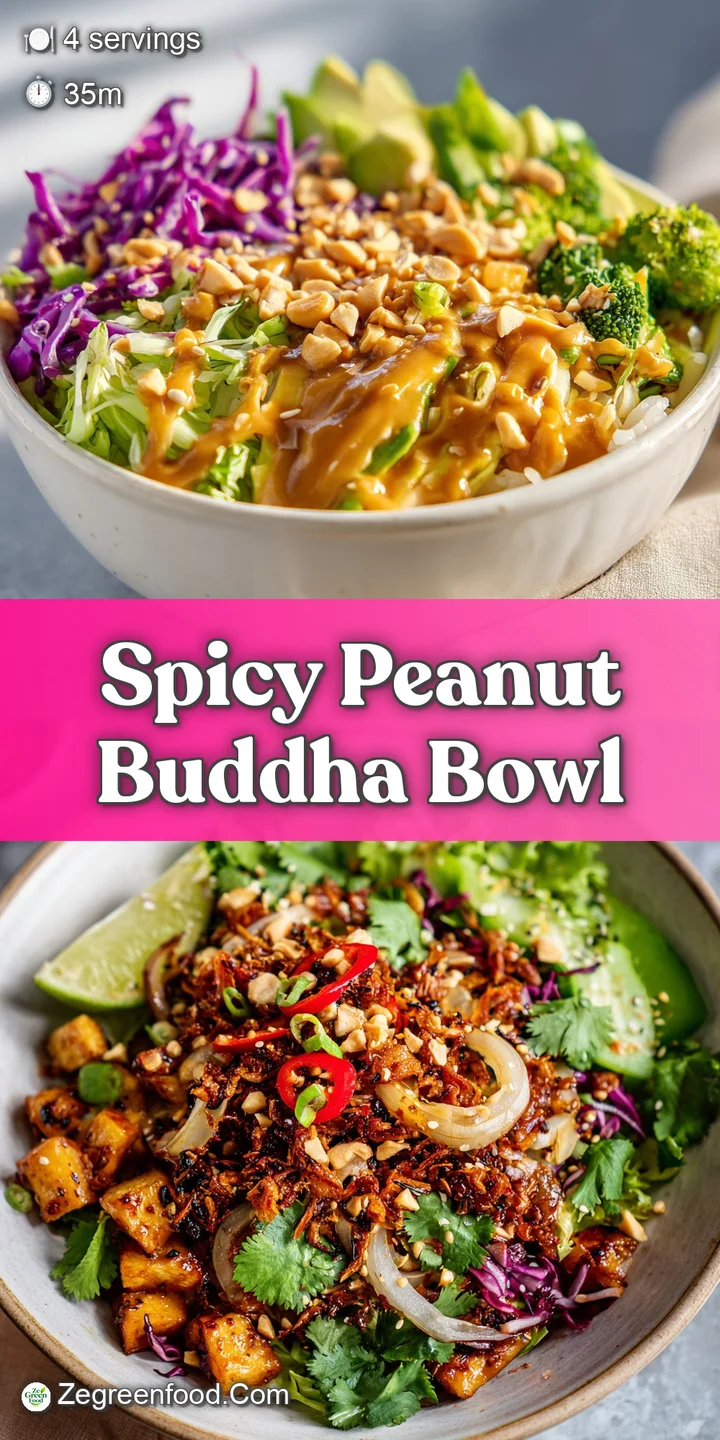
High in Sodium
845 mg mg of sodium per serving (37% of daily value)
The American Heart Association recommends limiting sodium intake to no more than 2,300mg per day for most adults.
Easy Tips to Reduce Sodium in This Recipe
-
Reduce Soy Sauce-20%
Use 1 tbsp of low-sodium soy sauce instead of 2 tbsp. You can also replace half with coconut aminos for a richer flavor with less sodium. This will significantly lower the sodium content without sacrificing taste.
-
Dilute Red Curry Paste-15%
Red curry paste can be high in sodium. Start with half a tablespoon, taste, and add more to reach your desired flavor profile. Adding a pinch of red pepper flakes can help boost the spice without adding sodium.
-
Choose Sodium Free Peanut Butter-15%
Ensure your peanut butter is truly 'natural' and contains no added salt. Some brands add sodium even to 'natural' varieties. Look for a sodium free option to significantly reduce the sodium content.
-
Season Chicken Wisely-10%
Avoid pre-seasoned chicken. Season the chicken strips yourself with fresh ginger, garlic, black pepper, and other sodium free spices instead. This allows you to control the sodium content.
-
Adjust Water Content-5%
Start with 3 tbsp of warm water, instead of 4, when mixing the sauce ingredients. Add the final tablespoon only if needed, helping to concentrate the other flavors so you need less soy sauce and curry paste.
-
Amplify Flavor with Fresh Herbs & Spices
Enhance the flavor profile with liberal amounts of fresh cilantro, ginger, and garlic. These additions boost taste naturally without increasing sodium.
Recipe FAQs
How to achieve a stable, non-separating spicy peanut sauce?
Whisk in warm water gradually. This technique creates a stable fat-in-water emulsion that resists breaking when chilled, resulting in a velvety texture.
Is it true that sweet potatoes should be roasted at high heat for this recipe?
Yes, roasting at high heat (400°F) is best. This maximizes the Maillard reaction, developing deep, nutty flavors on the caramelized edges of the cubes.
How to prevent the Buddha bowl from becoming soggy if I prep it ahead of time?
Store the sauce and crunchy vegetables separately from the warm base. Add fresh components like cucumber and cabbage only immediately before serving to maintain maximum texture.
Can I substitute natural peanut butter if I have a nut allergy?
Yes, sunflower seed butter is a great 1:1 substitute. It provides a similar texture, though you may need an extra squeeze of lime juice to balance the flavor profile.
Is it necessary to toast the dry quinoa before cooking it for the base?
No, toasting is optional but highly recommended for flavor. Toasting the dry grains for two minutes before adding water significantly enhances the final nutty aroma of the cooked base.
How long can I safely store the cooked components for meal prepping?
Store cooked components for 4 to 5 days in the refrigerator. Keep the sauce separate; it is best consumed within 5 days, though it can be frozen for up to 2 months.
How to ensure the chicken breast cooks quickly without becoming tough?
Slice the chicken breast into thin strips before seasoning and searing. This maximizes surface area contact with the hot pan, achieving a quick sear while preventing the protein from drying out.
Spicy Peanut Buddha Bowl
Ingredients:
Instructions:
Nutrition Facts:
| Calories | 748 kcal |
|---|---|
| Protein | 57 g |
| Fat | 25 g |
| Carbs | 76 g |
| Fiber | 11 g |
| Sugar | 12 g |
| Sodium | 845 mg |
