Vegan Poke Bowl with Watermelon Tuna
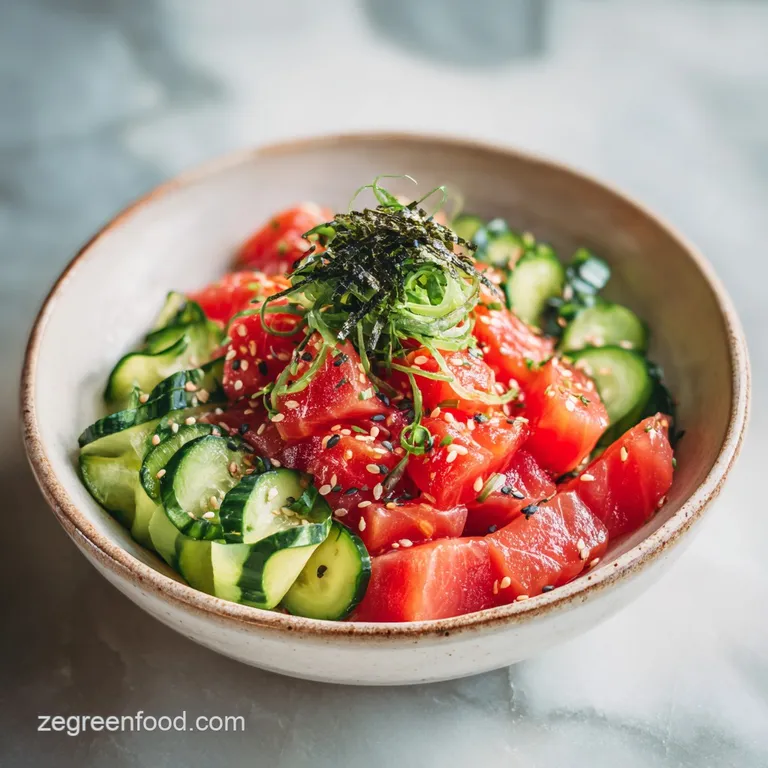
- Time: Active 20 minutes, Passive 1 hours, Total 1 hours 20 mins
- Flavor/Texture Hook: Velvety, umami rich "tuna" paired with snappy cucumbers and buttery avocado.
- Perfect for: High performance meal prep or a vibrant weekend lunch for active lifestyles.
- The Science of Plant Based Fuel
- Essential Recipe Planning Specifications
- Components for This Vibrant Bowl
- Necessary Gear for Fast Prep
- Step By Step Cooking Flow
- Solving Common Prep Challenges
- Flavor Variations and Protein Swaps
- Best Storage and Zero Waste
- Styling Your Finished Bowl
- High in Sodium
- Recipe FAQs
- 📝 Recipe Card
The first time I pulled a tray of roasted watermelon out of the oven, I honestly thought I’d lost my mind. The kitchen didn't smell like a fruit stand; it smelled like a seaside grill, a deep mix of toasted sesame and salt. But the sight of those deep red cubes was confusing until I took that first bite.
The texture had shifted from grainy and watery to something remarkably silky and dense. It felt like high grade Ahi tuna on the tongue, but with a clean, plant based finish that didn't leave me feeling heavy.
This Vegan Poke Bowl has since become my go to fuel after a long run because it’s nutrient dense without being a total carb bomb.
The Science of Plant Based Fuel
Osmotic Pressure and Cellular Collapse: Salt in the soy sauce draws out the watermelon's internal water through osmosis, while the heat of the oven collapses the fruit's air filled cells.
This double action process creates the dense, meaty "shatter" and velvety mouthfeel that characterizes a poke bowl with watermelon tuna.
Osmosis and Cellular Collapse
The 4 cups (600g) of fresh seedless watermelon undergo a physical transformation when exposed to salt and heat. By roasting at 350°F (180°C), we evaporate the excess moisture that makes fruit feel "watery," leaving behind the structural fibers.
When these fibers are infused with 3 tbsp (45ml) of low sodium soy sauce, the result is a savory powerhouse.
Infusing Deep Ocean Saltiness
To get that authentic Pacific flavor, we use 1 sheet of nori, finely crumbled. This provides the mineral rich essence of the sea without any animal products. The 1 tbsp (15ml) of toasted sesame oil acts as a carrier for these aromatics, ensuring the umami notes coat every single 1 inch cube of the bowl with watermelon tuna.
Balancing Sweet and Umami
The natural sugars in watermelon provide a subtle sweetness that balances the 1 tsp (5g) of freshly grated ginger. We aren't trying to hide the watermelon; we are recalibrating it.
Using 1 tbsp (15ml) of rice vinegar adds the necessary bright acidity to cut through the richness of the 1 large avocado and 1/4 cup (60g) of vegan mayonnaise.
| Prep Method | Total Time | Texture Outcome | Best For |
|---|---|---|---|
| oven-roasted | 1 hours 20 mins | Dense, velvety, meaty | Authentic tuna experience |
| Raw Marinated | 20 minutes | Crisp, refreshing, sweet | Quick summer lunch |
| Pan Seared | 35 minutes | Firm exterior, soft middle | Adding a smoky charred note |
Using the oven method is my favorite because it truly changes the "chew" of the fruit. If you need a heavier meal for a crowd, my Vegan Lasagna Recipe is another high protein winner to keep in your rotation.
Essential Recipe Planning Specifications
| Component | Science Role | Pro Secret |
|---|---|---|
| Seedless Watermelon | Structural Base | Use the heart of the fruit for consistent density |
| Crumbler Nori | Flavor Compound | Toast the sheet over an open flame for 2 seconds first |
| Rice Vinegar | pH Balancer | Cold pressed vinegar yields a smoother acidity |
| Toasted Sesame Oil | Lipid Carrier | Add it last to the marinade to preserve volatile aromas |
Choosing the right watermelon is half the battle for this vegan poke bowl with watermelon tuna. You want a fruit that feels heavy for its size, indicating a high sugar content which will caramelize slightly during the 1 hour cook time.
Avoid the "pre cut" tubs if you can; they often sit in their own juice and lose the firm structure we need for roasting.
Components for This Vibrant Bowl
To build this nutrient dense fuel, you will need the following items from your pantry and fridge. Each element serves a purpose in the final flavor architecture.
- 4 cups (600g) Fresh seedless watermelon: Cut into 1 inch cubes. Why this? The center flesh provides the best "tuna" texture when roasted.
- Substitute: Large red beets (boiled then roasted) for a firmer, earthier bite.
- 3 tbsp (45ml) Low sodium soy sauce: The primary salt source. Why this? Tamari works perfectly for a gluten-free version.
- Substitute: Liquid aminos for a soy free umami hit.
- 1 tbsp (15ml) Toasted sesame oil: Provides a nutty, fatty mouthfeel.
- 1 tbsp (15ml) Rice vinegar: Adds the essential tang.
- 1 tsp (5g) Freshly grated ginger: For heat and digestive benefits.
- 1 sheet Nori: Finely crumbled for ocean flavor.
- 1 tsp (2g) Toasted sesame seeds: For a slight crunch.
- 2 cups (400g) Prepared sushi rice: The high energy base.
- Substitute: Quinoa for a higher protein to carb ratio.
- 1 cup (150g) Shelled and steamed edamame: Your main protein booster.
- 1 large Avocado: Thinly sliced for healthy fats.
- 1 small Cucumber: Sliced into half moons for a fresh snap.
- 4 small Radishes: Thinly sliced for a peppery bite.
- 1/2 cup (50g) Pickled ginger: Palate cleanser.
- 1/4 cup (60g) Vegan mayonnaise: The base for our spicy drizzle.
- 1 tbsp (15ml) Sriracha: For a controlled spicy kick.
- 1/2 tsp (2.5ml) Lime juice: To brighten the cream sauce.
Chef's Tip: Freeze your watermelon cubes for 15 minutes before roasting. This shocks the exterior and helps them hold their shape better during the long dehydration process.
Necessary Gear for Fast Prep
Efficiency is king when you're busy. I suggest using a large rimmed baking sheet lined with parchment paper to ensure the watermelon doesn't stick or tear. A sharp mandoline is a lifesaver for getting those radishes and cucumbers paper thin, which adds to the professional feel of the dish.
For the sauce, a small whisk or even a frother makes the 1/4 cup (60g) of vegan mayonnaise and 1 tbsp (15ml) of sriracha blend into a perfectly smooth, velvety ribbon. If you're meal prepping, use glass airtight containers to keep the components fresh for days. For those colder days when you need warm fuel, this Vegan Lentil Soup recipe hits the spot and uses similar storage logic.
step-by-step Cooking Flow
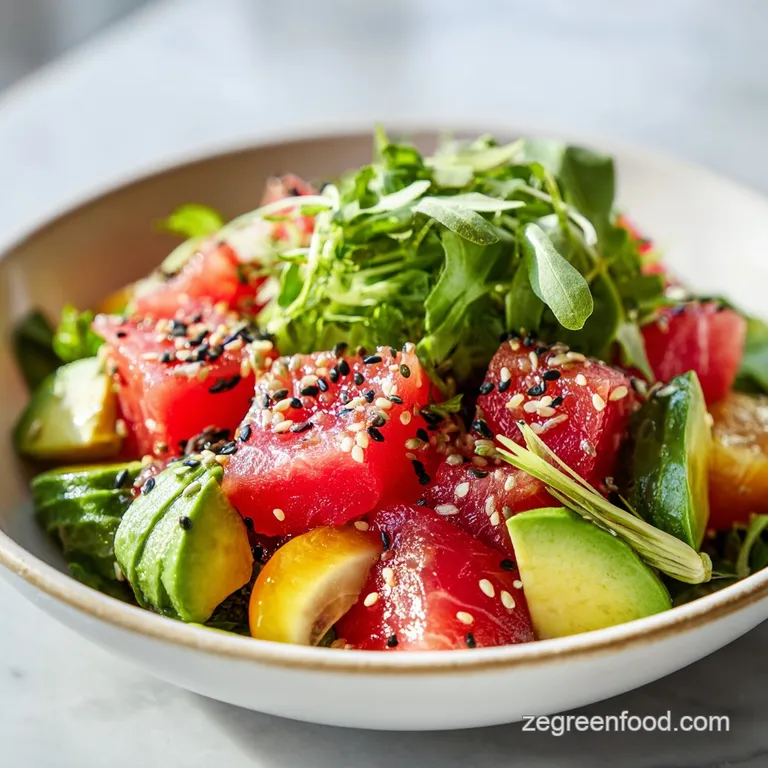
1. Dehydrating the Fruit Base
Preheat your oven to 350°F (180°C). Arrange the 4 cups (600g) of watermelon cubes on a parchment lined tray. Bake for 1 hours, flipping halfway through, until the edges look dark and the centers feel firm.
2. Infusing Savory Ocean Flavor
While the "tuna" is still warm, whisk together the 3 tbsp (45ml) soy sauce, 1 tbsp (15ml) sesame oil, 1 tbsp (15ml) rice vinegar, 1 tsp (5g) ginger, and crumbled nori. Toss the roasted cubes in this mixture until they are fully glazed and translucent.
Let them marinate for at least 15 minutes.
3. Whipping the Spicy Cream
In a small bowl, combine the 1/4 cup (60g) vegan mayo, 1 tbsp (15ml) sriracha, and 1/2 tsp (2.5ml) lime juice. Whisk vigorously until the sauce is a uniform pale orange and pours in a thin stream. Note: The lime juice prevents the mayo from feeling too greasy.
4. Assembling the Power Bowl
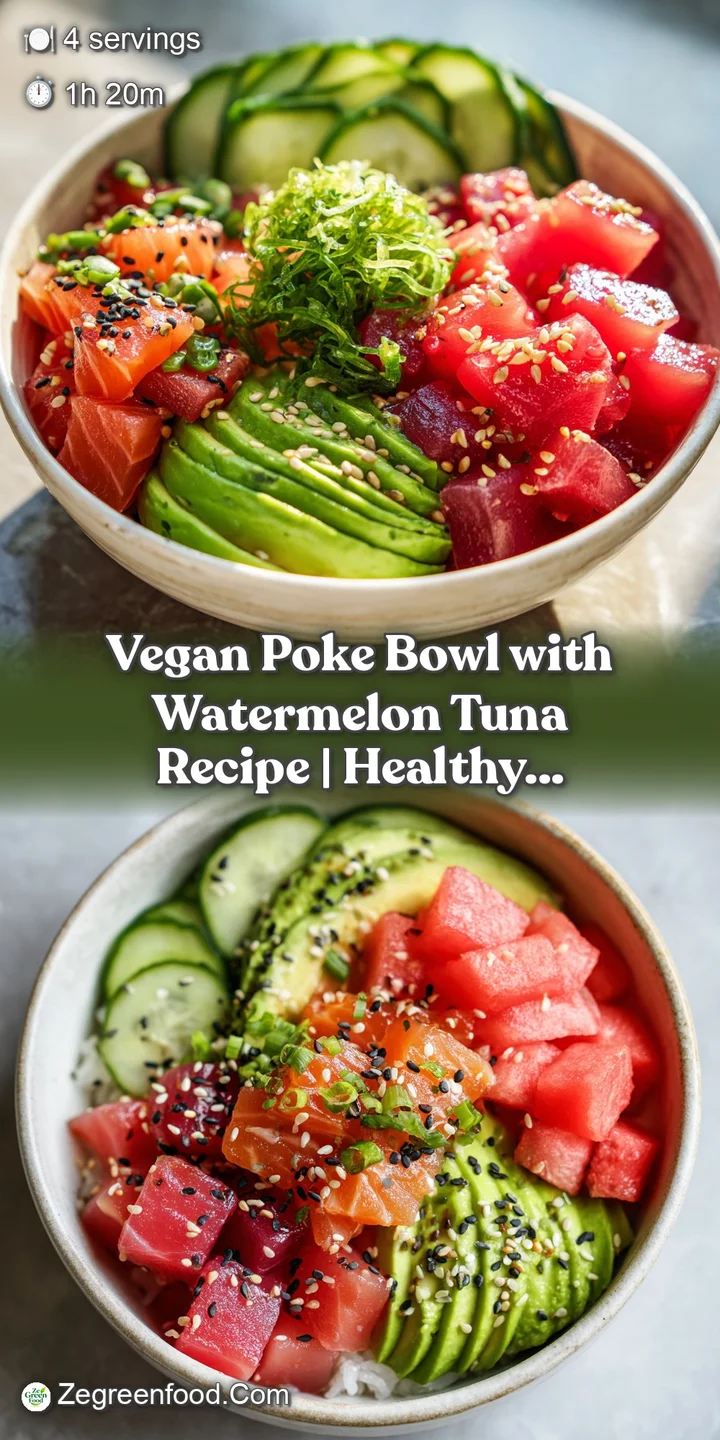
Divide the 2 cups (400g) of sushi rice into four bowls. Top each with the marinated with watermelon tuna, 1 cup (150g) edamame, sliced avocado, cucumber half moons, and sliced radishes. Sprinkle with the 1 tsp (2g) toasted sesame seeds and add a mound of pickled ginger.
Drizzle the spicy sauce over the top until every component is lightly streaked.
Solving Common Prep Challenges
The most common issue I see is the watermelon turning into "mush" rather than "tuna." This usually happens because of trapped steam. If you overcrowd the baking sheet, the cubes will boil in their own juice instead of dehydrating.
Fixing Rubbery Watermelon
If your "tuna" feels rubbery or tough, you may have over roasted it or the cubes were cut too small. Aim for exactly 1 inch squares. If they are already overdone, chop them finer and mix them directly with the spicy mayo to create a "spicy tuna" salad texture.
Reducing Excess Sweetness
Sometimes a very ripe watermelon stays too sweet for a savory bowl. To fix this, increase the amount of nori and add a pinch of smoked salt to the marinade. This pushes the flavor profile toward "smoky and salty" rather than "fruity."
| Problem | Root Cause | Solution |
|---|---|---|
| Watery Bowl | Cucumber or radish releasing juice | Salt the veggies and pat dry 10 mins before serving |
| Bland Rice | Lack of seasoning | Season rice with rice vinegar and a pinch of sugar while hot |
| Soggy "Tuna" | Cubes were touching on the tray | Ensure 1 inch of space between cubes during roasting |
Common Mistakes Checklist:
- ✓ Don't skip the nori; it provides 90% of the "fishy" flavor profile.
- ✓ Ensure the oven is fully preheated to 350°F (180°C) before the tray goes in.
- ✓ Use a rimmed baking sheet to catch any escaping juices during the first 20 minutes.
- ✓ Let the roasted cubes cool slightly before adding to the fresh vegetables to avoid wilting.
- ✓ Always use low sodium soy sauce to avoid an overwhelming salt bomb.
Flavor Variations and Protein Swaps
Spicy Tropical Fusion
If you want to lean into the fruitiness, swap the cucumber for diced mango and add a handful of cilantro. This turns the vegan poke bowl into a tropical feast that pairs perfectly with a squeeze of fresh orange juice in the marinade.
Lowering the Carb Count
For a keto friendly version, replace the sushi rice with cauliflower rice or a bed of massaged kale. You can also add more healthy fats by doubling the avocado. The watermelon tuna still works, but keep in mind that watermelon does contain natural sugars.
- If you want more crunch: Add crushed macadamia nuts or fried shallots.
- If you want more heat: Thinly slice a fresh serrano chili over the top.
- If you want more protein: Add cubes of smoked tofu alongside the watermelon.
Best Storage and Zero Waste
Store the marinated watermelon tuna and the fresh vegetables in separate containers in the fridge for up to 3 days. The "tuna" actually gets better as it sits in the marinade, but the cucumbers will lose their snap if they sit in the dressing for too long.
I don't recommend freezing the assembled bowl, as the rice and avocado will change texture significantly.
For zero waste, don't throw away the watermelon rinds! You can peel the green skin off and pickle the white part in a mixture of apple cider vinegar, sugar, and peppercorns. It makes a crunchy, tangy addition to salads or even as an extra topping for this very bowl.
The leftover nori scraps can be blended into a seasoning salt for future vegetable roasts.
Styling Your Finished Bowl
Presentation is what makes a Vegan Poke Bowl feel like a $25 restaurant meal. Use a wide, shallow bowl so every ingredient is visible. I like to "fan" the avocado slices and place the radishes in a shingled pattern to show off their vibrant edges.
Contrast is key. Place the bright green edamame next to the deep red watermelon tuna, and keep the white sushi rice as a clean backdrop. When you drizzle the spicy mayo, don't just glob it on use a squeeze bottle or a spoon to create thin, purposeful zig zags.
This dish isn't just about fuel; it's about the sensory experience of a beautiful, clean meal that leaves you feeling energized and ready to take on the day. Trust me, once you see those colors popping against each other, you won't even miss the fish.
High in Sodium
985 mg mg of sodium per serving (43% of daily value)
The American Heart Association recommends limiting sodium intake to about 2,300mg per day for overall cardiovascular health.
Tips to Reduce Sodium in Your Watermelon Sushi Bowl
-
Dilute Soy Sauce-20%
Soy sauce is a significant source of sodium. Try diluting the 3 tbsp of low-sodium soy sauce with 1-2 tbsp of water or even better, use a reduced sodium soy sauce and dilute it to further reduce sodium intake.
-
Limit Pickled Ginger-15%
Pickled ginger is often high in sodium. Reduce the amount used from 1/2 cup to 1/4 cup, or consider rinsing it before using to remove some of the brine.
-
Control Sushi Rice Sodium-10%
Prepared sushi rice can contain added salt. When making your own, be mindful of the amount of salt added. Alternatively, look for pre-made sushi rice with lower sodium content.
-
Adjust Sriracha-10%
Sriracha adds flavor but also sodium. Reduce the amount used from 1 tbsp to 1/2 tbsp, or explore alternative low-sodium chili sauces.
-
More Avocado, Less Mayo-10%
Increase the amount of avocado to add creaminess and flavor and reduce the amount of vegan mayonnaise used, or opt for a low-sodium version.
-
Spice It Up!
Enhance flavor with sodium free herbs and spices like black pepper, garlic powder (not garlic salt!), onion powder, or red pepper flakes to compensate for reduced sodium.
Recipe FAQs
Can I use raw watermelon instead of roasting it?
Yes, but the texture will change significantly. Raw cubes offer a crisp, refreshing texture but lack the dense, meaty chew achieved through dehydration, which mimics tuna best.
Is it true that adding salt is the only way to achieve the fish like texture?
No, this is a common misconception. While salt initiates osmosis to draw out moisture, the heat from roasting is equally critical to collapse the fruit's cellular structure for density.
How to get that distinct ocean flavor without actual fish?
Finely crumble toasted nori sheet into the marinade. The nori releases sea minerals and iodine compounds that mimic the natural flavor of the ocean.
My vegan poke bowl marinade tastes too sweet; how do I fix the balance?
Increase the acidic component and add umami depth. Add more rice vinegar or a small squeeze of fresh lime juice, which balances the sweetness much like our preparation in the Black Bean Burrito recipe balances earthy notes.
How long can the marinated watermelon tuna safely be stored?
Store the marinated cubes for up to three days in an airtight container. The flavor actually deepens slightly overnight, but texture quality begins to degrade after day four.
How to prevent the sliced avocado from browning before serving?
Toss the slices lightly in fresh lime or lemon juice immediately after cutting. The ascorbic acid inhibits the oxidation process that causes discoloration; this same principle ensures vibrant color stability in many cold preparations.
What is a suitable high protein substitute for the sushi rice base?
Use cooked quinoa or massaged kale as a lower carb alternative. Quinoa provides a complete protein and a similar textural feel to the rice base, making it excellent for meal prepping.
Vegan Watermelon Poke Bowl
Ingredients:
Instructions:
Nutrition Facts:
| Calories | 469 kcal |
|---|---|
| Protein | 10.2g |
| Fat | 25.9g |
| Carbs | 52.7g |
| Fiber | 6.3g |
| Sugar | 12.5g |
| Sodium | 985mg |
