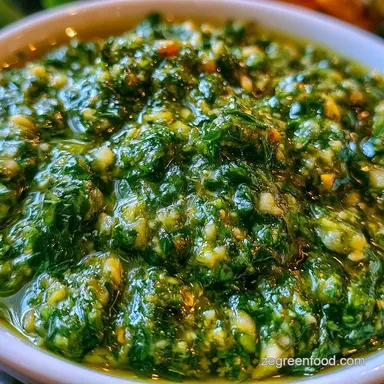
Vegan Pesto in 10 Minutes

- Time: 10 min active
- Flavor/Texture Hook: Zesty, nutty, and smooth and glossy
- Perfect for: Quick weeknight dinners, sandwich spreads, or meal prep
Pesto started in Genoa, Italy, as a way to use up piles of fresh basil. For generations, it's been a staple of the Mediterranean diet, usually pounded in a mortar and pestle to release the oils. It represents the heart of Italian home cooking, where simple, fresh ingredients do all the heavy lifting.
Bringing that tradition into a plant based kitchen means finding a way to replace the sharp, salty bite of Pecorino or Parmesan. I've found that the right balance of lemon and nutritional yeast creates that same craving worthy depth.
Whether you're tossing this Vegan Pesto with noodles or spreading it on a sourdough toast, it brings a bright, garden fresh energy to the plate. It's a fast way to get a lot of flavor without spending an hour at the stove.
Vegan Pesto
- Nutritional Yeast: This adds a savory, cheesy funk that fills the gap left by dairy.
- Lemon Juice: The acid cuts through the heavy olive oil and keeps the basil from turning brown too quickly.
- Nut Toasting: Heating the nuts for a few minutes brings out a deeper, woodier flavor that anchors the brightness of the herbs.
The difference between a fresh blend and a store-bought shortcut usually comes down to the oil quality and the oxidation of the basil.
| Feature | Fresh Homemade | store-bought Shortcut |
|---|---|---|
| Texture | Coarse or smooth | Often overly processed/pasty |
| Color | Vibrant green | Dull or yellowish green |
| Effort | 10 minutes | 0 minutes |
What Each Ingredient Does
| Ingredient | Role | If You Don't Have It |
|---|---|---|
| Fresh Basil | Primary flavor and color | Baby spinach (milder taste) |
| Pine Nuts | Creamy base and richness | Raw cashews or walnuts |
| Nutritional Yeast | Cheesy, umami depth | Miso paste (use less) |
| Olive Oil | Emulsifier and mouthfeel | Avocado oil |
Ingredients and Substitutes
- 2 cups (50g) packed fresh basil leaves, stems removed Why include it? Supplies the signature peppery, fragrant foundation
- 1/3 cup (50g) pine nuts or raw cashews Why include it? Brings essential richness and a mellow nutty note
- Substitute: Walnuts (for a mildly bitter, earthy flavor)
- 1/3 cup (35g) nutritional yeast Why include it? Mimics the savory character of aged cheese
- Substitute: Vegan parmesan shreds (check the salt content)
- 2 cloves (6g) garlic, peeled Why include it? Delivers a bold, pungent bite
- Substitute: 1/2 tsp garlic powder (for a gentler garlic flavor)
- 2 tbsp (30ml) fresh lemon juice Why include it? Lifts the overall taste and helps the color stay vibrant
- Substitute: Apple cider vinegar (sharper tang with less citrus character)
- 1/2 cup (120ml) extra virgin olive oil Why include it? Gives the sauce a silky, pourable texture
- Substitute: Grapeseed oil (more neutral and less fruity)
- 1/2 tsp (3g) sea salt
- Substitute: Kosher salt (adjust slightly according to the grain size)
- 1/4 tsp (1g) cracked black pepper
Quick Recipe Specs
- Prep time: 10 minutes
- Cook time: 0 minutes
- Total time: 10 minutes
- Yield: 10 servings
Essential Kitchen Gear
- Food Processor: A small one works best so the blades can actually reach the ingredients.
- Small Skillet: For toasting the nuts.
- Measuring Cups/Spoons: To keep the ratios tight.
Step-by-step Instructions

- Toast the pine nuts or cashews in a dry pan over medium heat for 2-3 minutes until golden brown and fragrant. Set aside to cool briefly. Note: Nuts burn fast, so stay close to the pan.
- Add the toasted nuts, garlic, nutritional yeast, lemon juice, and salt to a food processor.
- Pulse several times until the mixture has the appearance of a coarse, sandy crumble.
- Put the fresh basil leaves into the processor.
- Pulse in short bursts until the leaves are finely chopped. Note: Don't over process here or the basil will heat up and dull in color.
- Turn the processor on at low speed.
- Slowly pour in the extra virgin olive oil in a steady stream.
- Blend only until the sauce is smooth and glossy.
- Taste, then add cracked black pepper as needed.
Fixing Common Pesto Issues
If your sauce looks a bit dull or feels too thick, it's usually an issue of oxidation or oil ratios. According to Serious Eats, the heat from food processor blades can actually "cook" the basil, which leads to browning.
Stopping the Browning
When the basil hits the air, it oxidizes. Adding a bit more lemon juice helps, but the best way to keep it bright is to minimize the time the blades are spinning.
Fixing a Grainy Texture
This usually happens if the nuts weren't pulsed enough before adding the oil. If it's too chunky, give it a few more short pulses, but be careful not to turn it into a paste.
Managing Overpowering Garlic
Fresh garlic can be aggressive. If the flavor is too sharp, stir in a tablespoon of olive oil or a pinch more salt to mellow it out.
| Problem | Fix |
|---|---|
| Pesto is too thin | Add 1 tbsp more nutritional yeast or toasted nuts |
| Color is turning brown | Stir in 1 tsp fresh lemon juice |
| Taste is too bitter | Add a pinch of sugar or more olive oil |
Adjusting the Batch Size
If you're making a smaller amount, like a half batch, use a smaller processor bowl if you have one. If the ingredients don't reach the blades, you'll end up with chunks of garlic and whole basil leaves.
For larger batches (2x or 3x), don't just triple the salt and garlic. Increase those by about 1.5x first, then taste. The flavors intensify differently when scaled up, and too much garlic can ruin a large batch of Vegan Pesto.
Work in two separate batches if your processor is crowded to avoid over processing the bottom layer.
Pesto Myths Debunked
Some people think you need a mortar and pestle for the "real" taste. While it changes the texture to be more rustic, a food processor is just as good for a daily Vegan Pesto. The flavor comes from the ingredients, not the tool.
Another myth is that you can't freeze pesto because the basil turns black. It does darken slightly, but if you stir in extra lemon juice and freeze it in ice cube trays, the flavor stays intact.
Storage and Waste Tips
Store the sauce in a glass jar in the fridge for 5-7 days. To help prevent browning, coat the surface with olive oil, keeping air away from the sauce.
For the freezer, spoon the Vegan Pesto into ice cube trays. After the portions have solidified, transfer them to a freezer bag. They last about 3 months. Thaw a cube in the fridge overnight or add it straight to a hot pan of pasta.
Don't throw away the basil stems. I toss mine into a veggie stock or save them in a freezer bag for future soup bases. They contain plenty of the plant's aromatic oils.
Serving Your Pesto
This sauce is incredibly versatile. While Pasta in 20 Minutes recipe is the classic route, try it as a base for a veggie sandwich with roasted red peppers and sprouts.
For a lighter option, dollop a spoonful over grilled zucchini or roasted cauliflower. It also makes a great dip for raw carrots or cucumber slices. If you're feeling fancy, swirl it into a bowl of creamy polenta or use it to top a piece of grilled tofu.
Fun Flavor Twists
You can easily swap the greens to change the vibe. Try using arugula for a peppery kick or kale for a heartier, earthier taste. If you use kale, remember to remove the tough ribs first.
| Goal | What to change |
|---|---|
| More "Cheesy" | Increase nutritional yeast by 2 tbsp |
| Nut Free | Use toasted sunflower seeds or pumpkin seeds |
| Zesty | Add a pinch of lemon zest to the blend |
If you're looking for something even faster, my Recipe in 5 Minutes is a great alternative for those nights when you're really rushing. You can also mix this Vegan Pesto with a bit of vegan mayo to create a creamy spread for wraps or burgers.
Trust me, once you have a jar of this in the fridge, you'll find excuses to put it on everything from avocado toast to popcorn. It's just that kind of staple.
Recipe FAQs
What is vegan pesto made of?
Vegan pesto combines fresh basil, pine nuts or cashews, nutritional yeast, garlic, lemon juice, olive oil, sea salt, and cracked black pepper.
Tip: Nutritional yeast provides the savory flavor traditionally associated with cheese.
How do you make your own homemade pesto sauce?
Toast the nuts for 2–3 minutes over medium heat, pulse them with the garlic, nutritional yeast, lemon juice, and salt, add the basil, then slowly blend in the olive oil.
Tip: Pulse in short bursts and stop when the basil is finely chopped to keep the pesto fresh and textured.
What are the five ingredients in vegan pesto?
This recipe has eight ingredients: basil, nuts, nutritional yeast, garlic, lemon juice, olive oil, sea salt, and black pepper.
Tip: For a simple five-ingredient version, focus on basil, nuts, nutritional yeast, garlic, and olive oil.
How can you prevent homemade pesto from turning brown?
Cover the pesto’s surface with enough olive oil to limit its contact with air.
Tip: Store it in a glass jar and keep the surface covered until you are ready to use it.
How long can you store homemade pesto before using it?
Keep homemade pesto refrigerated for 5–7 days or freeze it in ice cube trays for about 3 months.
Tip: Serve a pesto cube with stir-fried tofu for a quick plant-based meal.
Vegan Pesto in 10 Minutes