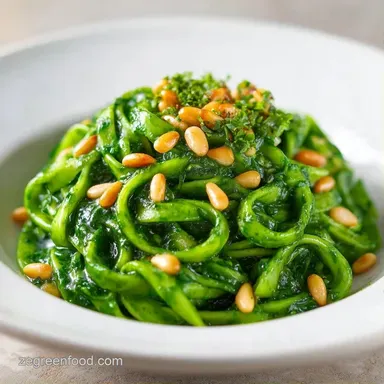
Simple Vegan Pesto Pasta: Velvety and Fresh
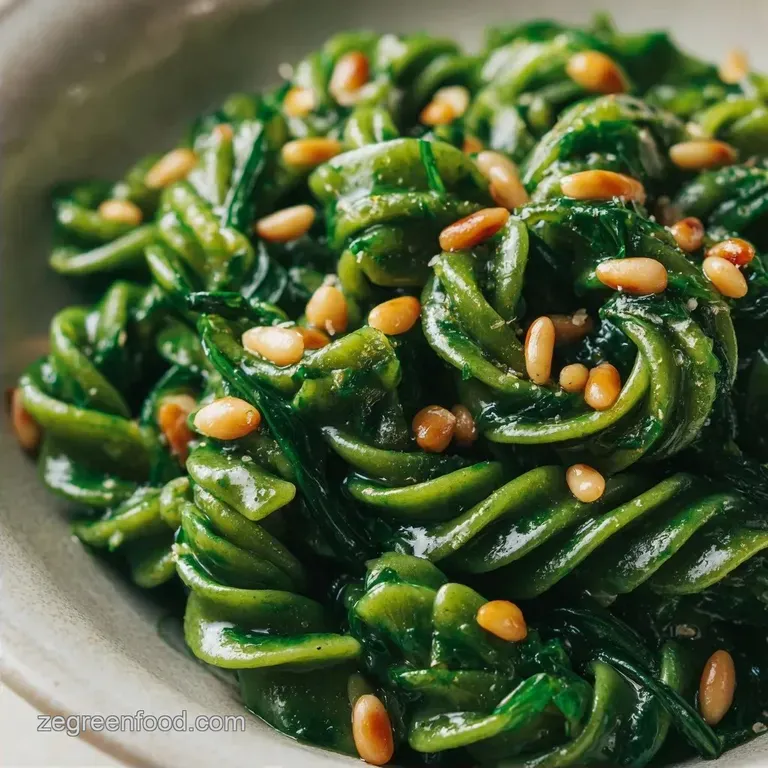
- Time: 10 min active + 10 min cook
- Flavor/Texture Hook: Bright, herbaceous, and velvety
- Perfect for: Quick weeknight dinners or a plant based lunch
- Simple Vegan Pesto Pasta for Busy Nights
- Why This Version Hits Different
- The Essential Flavor Components
- Tools for a Quick Sauce
- Step by Step Cooking Guide
- Fixing Common Pesto Problems
- Troubleshooting Common Issues
- Mix and Match Variations
- Adjusting the Portion Size
- Pesto Truths and Myths
- Freshness and Waste Tips
- Best Sides for Pasta
- Recipe FAQs
- 📝 Recipe Card
Simple Vegan Pesto Pasta for Busy Nights
The scent of fresh basil and toasted pine nuts filling the kitchen is honestly one of my favorite things. I remember one rainy Tuesday when I had exactly twenty minutes to get dinner on the table before my friends arrived.
I didn't have any parmesan, and my fridge was looking pretty bare, but I had a bunch of basil that was starting to wilt and some nutritional yeast in the pantry.
I threw everything into the blender and hoped for the best. The result was this Simple Vegan Pesto Pasta, and it ended up being a huge hit. It's that kind of meal that feels like you spent an hour over the stove, but in reality, you just used one pot and a food processor.
You can expect a dish that's bright, garlicky, and has a satisfying richness. It doesn't try to mimic a heavy cream sauce. Instead, it leans into the natural oils of the nuts and olive oil, creating a sauce that clings to every curve of the pasta.
It's a fresh, plant based take on an Italian classic that actually satisfies.
Why This Version Hits Different
I've tried a dozen different ways to make vegan pesto, and most of them are either too oily or taste like a pile of grass. The trick is in the balance of fats and acids.
Starchy Emulsion: Adding reserved pasta water helps the oil and the blended greens bind together. This stops the sauce from separating on the plate.
Umami Boost: Nutritional yeast provides that salty, nutty depth you usually get from Pecorino or Parmesan. It gives the sauce a "cheesy" backbone without the dairy.
Nut Toasting: Toasting the pine nuts for a few minutes changes the flavor from raw to deep and woody. This prevents the pesto from tasting one dimensional.
Acid Balance: The lemon juice doesn't just add zing. It actually helps keep the basil from turning that weird muddy brown color. According to Serious Eats, the acidity and the oil coat the basil leaves to slow down oxidation.
| Method | Time | Texture | Best For |
|---|---|---|---|
| Fast (Processor) | 5 mins | Smooth & Creamy | Weeknights |
| Classic (Mortar) | 20 mins | Chunky & Rustic | Slow Sundays |
| Pulse (Hand) | 15 mins | Coarse | Textured salads |
The Essential Flavor Components
Understanding how these ingredients interact helps you tweak the recipe on the fly. It's not just about throwing things in a blender.
| Ingredient | Science Role | Pro Secret |
|---|---|---|
| Fresh Basil | Primary Aroma | Pack it tightly for more flavor per cup |
| Pine Nuts | Healthy Fats | Toast until golden brown, not dark brown |
| Nutritional Yeast | Umami/Salt | Use a fine powder for a smoother blend |
| Lemon Juice | pH Balance | Use fresh squeezed, not the bottled stuff |
Tools for a Quick Sauce
You don't need a professional kitchen to pull this off. A few basic tools will do the job. I usually use a standard food processor, but a high speed blender works just as well if you're careful with the oil.
For the pasta, a large pot is a must. You need enough room for the penne and broccoli to move around without clumping. A wide skillet is also helpful for searing those cherry tomatoes quickly.
If you don't have a skillet, you can just toss the raw tomatoes into the pasta at the very end, though you'll miss that blistered, sweet flavor.
Step by step Cooking Guide
Right then, let's get into the actual cooking. Follow these steps to keep things moving fast.
- Bring a large pot of salted water to a rolling boil. Add the 450g of pasta and cook according to the package directions.
- During the last 3 minutes of boiling, drop the 150g of broccoli florets directly into the pasta water to blanch them. Note: This saves you from using a second pot.
- Reserve 120ml of the starchy pasta water before draining the pasta and broccoli. Ensure you do this before the water goes down the drain.
- In a food processor, pulse the 60g of toasted nuts and 6g of garlic until they form a coarse meal.
- Add the 60g of basil, 30g of nutritional yeast, 30ml of lemon juice, 3g of salt, and 1g of pepper to the processor.
- While the motor is running on low, slowly drizzle in the 120ml of olive oil until the mixture transforms into a smooth emulsion.
- Heat 15ml of olive oil in a skillet over medium heat and quickly sear the 150g of halved cherry tomatoes until the skins just begin to blister.
- Toss in the drained pasta and broccoli, then fold in the vegan pesto.
- Slowly pour in the reserved pasta water, stirring constantly until the sauce is velvety and coats the pasta.
Fixing Common Pesto Problems
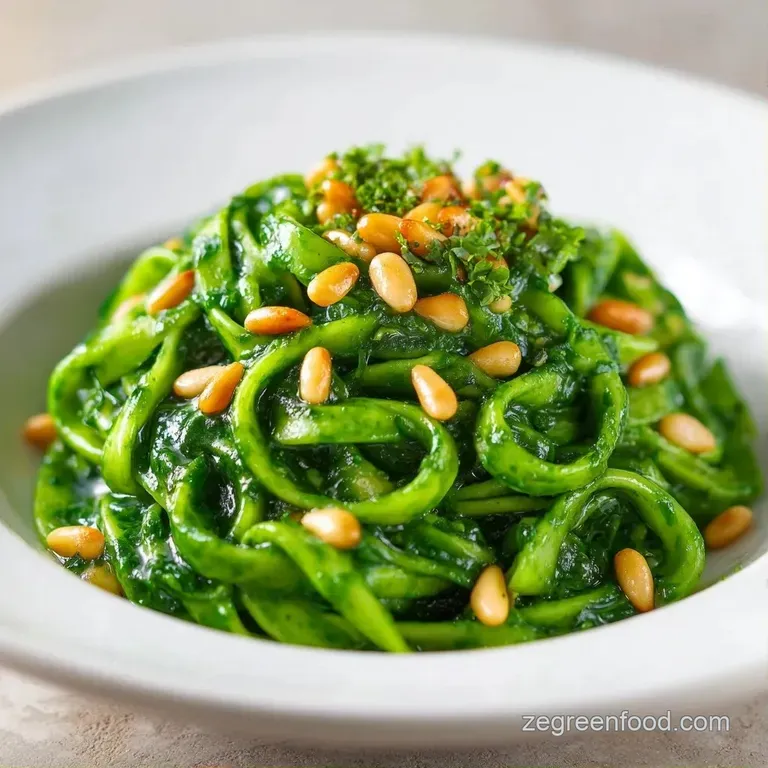
Even with a simple recipe, things can go sideways. Most pesto issues come down to heat or over processing.
Troubleshooting Common Issues
| Issue | Solution |
|---|---|
| Why Your Pesto Turned Brown | This is usually caused by oxidation. If you blend the basil for too long, the blades heat up and bruise the leaves, letting oxygen in. |
| Why Your Sauce Is Too Oily | If the oil is pooling at the bottom, you probably skipped the pasta water. The starch in the water acts as a bridge between the fat and the solids. |
| Why Your Pesto Tastes Bitter | This happens when garlic is over processed or burned during toasting. If the garlic is too pungent, add a pinch of sugar or a bit more lemon juice to cut through the sharpness. |
Common Mistakes Checklist
- ✓ Don't overcook the broccoli, or it'll turn into mush in the sauce.
- ✓ Don't forget to salt your pasta water generously.
- ✓ Avoid using pre cut garlic from a jar; the flavor is too metallic.
- ✓ Don't blend the pesto on high for minutes; it will heat up and change color.
Mix and Match Variations
The beauty of a Simple Vegan Pesto Pasta is how easy it is to swap things out. If you don't have pine nuts, walnuts are a fantastic, earthy alternative. You can even use sunflower seeds for a nut free version.
If you want to change the greens, try using a mix of basil and baby spinach. The spinach adds a lovely deep green color and a bit more iron. For those who want something even creamier, you could stir in a spoonful of my Cauliflower Alfredo Sauce recipe to give it a richer, heavier feel.
- If you want it creamier
- Add an extra 30ml of pasta water.
- If you want it nuttier
- Toast your walnuts until they are deeply golden.
- If you want it zesty
- Double the lemon juice and add a pinch of lemon zest.
Adjusting the Portion Size
When you're cooking for a crowd or just yourself, you can't always just multiply everything by four.
Scaling Down (Half Batch) Use a smaller pot to keep the water boiling faster. For the pesto, be careful with the food processor, as small amounts of ingredients sometimes don't blend well. I suggest using a small blender or even a mortar and pestle.
Reduce the total cook time by about 20% since there's less mass in the pot.
Scaling Up (Double or Triple Batch) When doubling, don't double the salt and pepper immediately. Start with 1.5x and taste it. Liquids like olive oil and lemon juice usually scale linearly, but the garlic can become overpowering.
I recommend working in two batches for the blending part to ensure the emulsion stays smooth and doesn't separate.
Pesto Truths and Myths
There are a few things people get wrong about plant based pestos. Let's clear those up.
Myth: You need vegan parmesan for the flavor. Truth: Nutritional yeast provides a more complex, nutty umami than most store-bought vegan cheeses. When combined with lemon and salt, it creates a depth that doesn't need a cheese substitute.
Myth: Blanching basil keeps it green. Truth: While some chefs blanch basil, it often changes the flavor, making it taste more like cooked spinach than fresh herbs. The best way to keep the color is using acid and avoiding high speed blade heat.
Freshness and Waste Tips
Pesto keeps surprisingly well if you store it correctly. Place your leftover pesto in a jar and pour a thin layer of olive oil over the top. This seals out the air and prevents the top from turning brown. It'll stay fresh in the fridge for about 5 days.
If you have too much, you can freeze it. I freeze mine in ice cube trays, then pop the cubes into a freezer bag. They last for 3 months and are great for tossing into a hot pan of pasta for a 5 minute meal.
For zero waste, don't throw away the basil stems. They have tons of flavor. Toss them into the pot while your pasta water is boiling to infuse the water, or blend them into the pesto first before adding the leaves.
Best Sides for Pasta
This dish is quite rich, so I like to pair it with something light and acidic. A simple arugula salad with a lemon vinaigrette is a classic choice. The peppery greens cut through the richness of the pine nuts.
If you're looking for something more filling, you can add a protein on the side. Some grilled tofu or a side of my Stir Fried Tofu with Peanut Sauce works surprisingly well if you keep the flavors simple. A few slices of toasted sourdough with a rub of raw garlic also make a great accompaniment to mop up any leftover sauce on the plate.
Recipe FAQs
Is this one of those 5 ingredients or less vegan recipes?
No, it uses more for flavor. This recipe requires a few more staples like nutritional yeast and lemon juice to achieve an authentic, cheesy pesto taste.
Is this a good easy vegan lunch recipe?
Yes, it's ideal for lunch. The 20-minute total time makes it fast to prepare, and the flavors hold up well for next day leftovers.
What are some simple vegan dishes that are quick to make like this pasta?
Fresh salads or grain bowls are great options. If you enjoyed the quick assembly here, you can use similar fresh prep techniques for a green goddess salad.
Why did my pesto turn brown?
Over blending causes oxidation. When the processor blades heat up, they bruise the basil leaves and let oxygen in, which dulls the vibrant green color.
Is it true that adding pasta water is optional if the sauce looks oily?
No, this is a common misconception. The starchy water is essential to act as a bridge between the oil and solids, creating a velvety emulsion instead of pooling fat.
How to blanch broccoli for this recipe?
Drop the florets into the boiling pasta water during the last 3 minutes of cooking. This softens the broccoli perfectly without requiring a second pot.
Can I use walnuts instead of pine nuts?
Yes, walnuts work perfectly. They provide a similar creamy texture and rich, earthy flavor once they are lightly toasted.
Simple Vegan Pesto Pasta