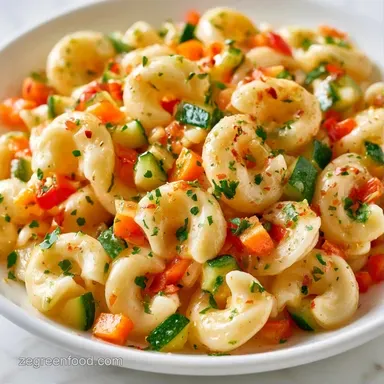
One Pot Vegetables: Garden Veggie Pasta

- Time: 10 min active + 20 min cooking = Total 30 minutes
- Flavor/Texture Hook: Glossy, savory sauce with a snap of fresh garden greens
- Perfect for: Busy weeknight dinners, beginner cooks, and plant based comfort
- Simple and Hearty One Pot Vegetables
- Why These Ingredients Just Click
- The Essential Pantry List
- Gear For Easy Cooking
- Step By Step Process
- Fixing Common Cooking Errors
- Troubleshooting Common Issues
- Fun Ways To Change It
- Scaling The Portions
- Common Kitchen Myths
- Keeping Leftovers Fresh
- Best Ways To Serve
- High in Sodium
- Recipe FAQs
- 📝 Recipe Card
Simple and Hearty One Pot Vegetables
The smell of garlic hitting hot olive oil is the only way I want to start my Tuesday evenings. There is this specific, sharp sizzle that tells me dinner is actually happening, and for a long time, I thought the only way to get a rich sauce was to spend an hour reducing a stock or adding heaps of cream.
I used to make the mistake of boiling my pasta in one pot and my veggies in another, then trying to force them together at the end, which always left the dish feeling disjointed and watery.
Everything changed when I stopped treating the pasta water as waste and started treating it as a tool. I remember the first time I let the penne simmer directly in the vegetable broth, watching the liquid thicken into a glossy glaze that clung to every piece of zucchini and pepper.
It was a total shift in how I looked at One Pot Vegetables, turning a simple meal into something that felt intentional and rich.
You can expect a dish that hits all the right notes: the deep, concentrated sweetness of caramelized tomato paste, the brightness of a fresh lemon squeeze, and the salty punch of Parmesan.
This version of One Pot Vegetables focuses on the contrast between the tender pasta and the slight crunch of the garden mix, making it a family favorite that doesn't leave you with a mountain of dishes to scrub.
Why These Ingredients Just Click
I've spent a lot of time wondering why some one pot meals turn into mush while others stay structured. It comes down to a few basic rules of how food behaves in a single pot.
- Starch Suspension: As the pasta cooks, it releases amylose into the broth. According to King Arthur Baking, this starch acts as a natural thickener, binding the oil and water into a velvety sauce.
- Controlled Caramelization: Sautéing the onions and carrots first creates a base of sweetness. This prevents the One Pot Vegetables from tasting like "boiled soup" and gives it a savory depth.
- Thermal Sequencing: Adding the zucchini and peppers at the very end prevents them from overcooking. This preserves their structure and bright colors.
- Acid Balance: The lemon juice added at the end cuts through the richness of the cheese and oil. This wakes up the other flavors and keeps the dish from tasting "flat."
| Method | Time | Texture | Best For |
|---|---|---|---|
| Stovetop | 30 min | Glossy/Tender | Weeknight dinner |
| Oven Bake | 45 min | Roasted/Charred | Meal prep |
| Slow Cooker | 4 hrs | Soft/Integrated | Set and forget |
The Essential Pantry List
When you're making One Pot Vegetables, the quality of your base determines the final result. I always go for a low sodium broth because the Parmesan and tomato paste already bring a lot of salt to the party. If you use a standard broth, the dish can end up tasting too salty as the liquid reduces.
Component Analysis
| Ingredient | Science Role | Pro Secret |
|---|---|---|
| Tomato Paste | Umami Base | Fry it until mahogany for a deeper taste |
| Vegetable Broth | Hydration/Flavor | Use a low sodium version to control salt |
| Carrots | Structural Sweetness | Dice them small for a consistent bite (see USDA FoodData for nutrient profiles) |
| Short Pasta | Starch Source | Use fusilli or penne to "catch" the sauce |
The Full List & Swaps
- 2 tbsp extra virgin olive oil (Swap: Avocado oil for higher heat)
- 3 cloves garlic, minced (Swap: 1 tsp garlic powder)
- 1/2 cup yellow onion, finely diced (Swap: Shallots for a milder flavor)
- 1 cup carrots, diced small Why this? Adds earthy sweetness and color (Swap: Parsnips)
- 1 cup zucchini, quartered and sliced (Swap: Yellow squash)
- 1 cup red bell pepper, chopped (Swap: Orange or yellow pepper)
- 2 cups baby spinach or kale (Swap: Swiss chard)
- 1 lb short pasta (penne or fusilli) Why this? Ridges hold the sauce better (Swap: gluten-free rotini)
- 4 cups vegetable broth, low sodium (Swap: Water + bouillon)
- 2 tbsp tomato paste Why this? Concentrated flavor and color (Swap: 1/2 cup tomato puree)
- 1 tsp dried oregano (Swap: Dried basil)
- 1/2 tsp red pepper flakes (Swap: Cayenne for more heat)
- 1/2 cup grated Parmesan cheese Why this? Salty, nutty finish (Swap: Nutritional yeast)
- 1 tbsp fresh lemon juice (Swap: Apple cider vinegar)
- 1/4 cup fresh basil, torn (Swap: Fresh parsley)
- Salt to taste
- Black pepper to taste
Gear For Easy Cooking
You don't need a professional kitchen for this, but the right pot makes a difference. I highly recommend a heavy bottomed Dutch oven or a deep sauté pan. If the pot is too shallow, the broth will evaporate too quickly, and your pasta will be undercooked while the sauce is already gone.
A wide pot is also essential for the sautéing phase. If you crowd the onions and carrots, they'll steam instead of browning. I like using a pot that gives the vegetables room to breathe so they can actually sear.
Right then, let's make sure you have a good wooden spoon or a silicone spatula. Since we're stirring the pasta and broth together, you'll want something that can scrape the bottom of the pot effectively to prevent any burnt bits from sticking.
Step by step Process
Let's crack on with the cooking. The secret here is the timing. We aren't just throwing everything in at once; we're layering flavors.
- Heat the olive oil over medium heat in your pot. Add the onion and carrots, sautéing until the onions are translucent and carrots soften (about 5 minutes).
- Stir in the garlic and red pepper flakes. Cook for 60 seconds until the aroma becomes pungent and nutty. Note: Don't let the garlic brown too much or it turns bitter.
- Stir in the tomato paste and dried oregano. Cook for 2 minutes, stirring constantly, until the paste turns a deep mahogany color.
- Add the pasta and vegetable broth to the pot. Bring the liquid to a boil, then reduce to a steady simmer.
- Cover and cook for about 8-10 minutes, stirring occasionally until the pasta is tender but still has a bite.
- Stir in the zucchini and bell peppers. Simmer for the last 5 minutes until the vegetables are tender crisp.
- Once the pasta is al dente and the liquid has reduced to a glossy sauce, remove from heat.
- Fold in the spinach, Parmesan cheese, and lemon juice until the greens have wilted from the residual heat.
- Stir in the torn basil and season with salt and black pepper to taste.
Chef's Note: If the sauce looks too thick before the pasta is done, add a splash more broth. If it's too thin, simmer uncovered for another 2 minutes.
Fixing Common Cooking Errors
The most common issue I see with One Pot Vegetables is the "mush factor." This happens when the timing is off or the heat is too high.
Troubleshooting Common Issues

| Issue | Solution |
|---|---|
| Why Your Pasta Is Mushy | This usually happens because the pasta was overcooked or stirred too aggressively, which breaks the noodles and releases too much starch. Keep your stirring to a minimum once the simmer starts. |
| Why Your Sauce Is Watery | If the liquid hasn't reduced, you likely had the lid on too tight or used too much broth. Let the pot simmer uncovered for a few minutes at the end to thicken the glaze. |
| Why Your Veggies Are Overcooked | Adding the zucchini and peppers at the start is a rookie mistake I've made. These high moisture vegetables disintegrate if they boil for 10 minutes. Always add them in the final stretch. |
- ✓ Use a wide pot to prevent crowding
- ✓ Dice carrots small for even cooking
- ✓ Fry tomato paste until it darkens
- ✓ Add greens only after removing from heat
- ✓ Taste for salt at the very end
Fun Ways To Change It
Once you've got the hang of this recipe, you can start treating it as a template. I love swapping the greens based on what's in the fridge. Kale holds up better if you're planning to reheat the dish the next day, whereas spinach is more velvety.
If you want to make this a bit more filling, you can add a protein. I often serve this alongside a protein bowl recipe for a complete meal. Alternatively, you could stir in some chickpeas or white beans during the last 5 minutes of simmering for extra heartiness.
For a completely different vibe, try replacing the tomato paste and oregano with a dollop of pesto or a cauliflower alfredo sauce. This transforms the One Pot Vegetables into a creamy, white sauce dish that feels much more indulgent.
Boosting the Umami
To get a deeper, meatier flavor without adding meat, try adding a teaspoon of soy sauce or a bit of miso paste to the broth. This adds a layer of complexity that makes the vegetables taste richer.
Making it gluten-free
You can easily use gluten-free pasta, but be careful with the stirring. GF pasta tends to release more starch and can break apart more easily than wheat pasta. I recommend reducing the simmer time by 1-2 minutes and checking for doneness early.
Scaling The Portions
When you're making One Pot Vegetables for a crowd, you can't just double everything blindly. Liquids don't always evaporate at the same rate when the volume increases.
Scaling Down (Half Batch): Use a smaller pot so the liquid doesn't evaporate too quickly. Reduce the cooking time for the pasta by about 20% and keep a close eye on the sauce thickness. If you're using an egg in a variation, beat it first and use half.
Scaling Up (Double or Triple Batch): Don't double the salt or red pepper flakes - start at 1.5x and taste as you go. You'll likely need about 10% less broth than a literal double would suggest, as the larger volume of pasta creates more of its own moisture.
Work in batches if your pot isn't large enough to let the vegetables sear.
| Original | 2x Batch | 4x Batch | Note |
|---|---|---|---|
| Broth | 7.5 cups | 14 cups | Reduce slightly to avoid soupiness |
| Oil | 3 tbsp | 5 tbsp | No need to double fully |
| Pasta | 2 lbs | 4 lbs | Ensure pot is deep enough |
Common Kitchen Myths
There are a few things people tell you about pasta that just aren't true, especially when it comes to One Pot Vegetables.
Myth: You must boil pasta in salted water separately. Truth: Boiling pasta in the sauce actually improves the flavor. The pasta absorbs the broth instead of plain water, and the starch it releases thickens the sauce naturally.
Myth: Frozen vegetables ruin the texture. Truth: Frozen peas or spinach are often flash frozen at their peak. As long as you add them at the end, they work perfectly in this dish and save a lot of chopping time.
Myth: Searing vegetables "locks in" nutrients. Truth: Searing is about flavor, not nutrition. While some vitamins are lost to heat, the caramelization of the onions and carrots creates a flavor profile that makes the One Pot Vegetables far more satisfying.
Keeping Leftovers Fresh
One Pot Vegetables are great for meal prep, but pasta has a habit of soaking up sauce as it sits in the fridge.
Storage Guidelines: Store your leftovers in an airtight container in the fridge for up to 4 days. If you're freezing them, I recommend doing so without the fresh basil and lemon juice, as these lose their brightness in the freezer. They'll stay good for about 2 months in the freezer.
Reheating Tips: When reheating, the pasta will likely look dry. Add a splash of water or vegetable broth before microwaving or heating on the stove. This loosens the sauce and brings back that glossy, velvety texture.
Zero Waste Tips: Don't throw away your veggie scraps! I keep a bag in the freezer for onion skins, carrot ends, and celery tops. Once the bag is full, I boil them for an hour to make a homemade vegetable broth for the next time I make One Pot Vegetables.
Even the leftover Parmesan rinds can be simmered in the broth for an extra punch of savoriness.
Best Ways To Serve
This dish is a complete meal on its own, but a few additions can make it feel like a restaurant experience. I love serving these One Pot Vegetables in shallow bowls with an extra sprinkle of fresh Parmesan and a drizzle of high-quality olive oil.
If you're serving this for a family dinner, a side of crusty sourdough bread is a must. It's the best way to mop up the remaining glossy sauce from the bowl. A simple side salad with a sharp balsamic vinaigrette also provides a nice acidic contrast to the richness of the pasta.
For a more formal presentation, garnish the top with a few whole basil leaves and a pinch of red pepper flakes for a pop of color. This recipe for One Pot Vegetables is all about that balance of rustic comfort and bright, garden fresh flavors. Trust me on this - the lemon juice is the real hero here, so don't skip it!
High in Sodium
1120 mg 1,120 mg of sodium per serving (49% 49% of daily value)
The American Heart Association recommends a daily sodium limit of no more than 2,300 mg for most adults to maintain heart health.
Tips to Reduce Sodium
-
Swap the Broth-30%
Replace the low-sodium vegetable broth with homemade unsalted broth or water infused with extra aromatic vegetables.
-
Eliminate Added Salt-25%
Remove the 'salt to taste' entirely; the Parmesan and broth already provide substantial sodium levels.
-
Low-Sodium Paste-20%
Use a no-salt-added tomato paste or substitute with fresh pureed tomatoes to reduce processed sodium.
-
Limit Parmesan-15%
Reduce the grated Parmesan cheese by half or substitute with a small amount of nutritional yeast for a salty, nutty flavor.
-
Enhance with Acid
Increase the fresh lemon juice and black pepper to brighten the flavors, making the dish taste seasoned without adding salt.
Recipe FAQs
What vegetables are best for one-pot cooking?
Root vegetables and leafy greens. Hearty carrots and onions create a flavor base, while zucchini and bell peppers preserve their bite when added during the final minutes.
Which is the easiest vegetable to cook?
Baby spinach or kale. These greens wilt instantly from residual heat, requiring no active simmering time on the stove.
What are the easiest one pot vegetarian meals?
Pasta and legume-based pots. Combining grains and vegetables in one vessel is highly efficient, much like our chickpea tikka masala.
What are the quickest vegetables to cook?
Garlic and spinach. Garlic reaches its peak aroma in just 60 seconds, and spinach wilts almost immediately after the heat is turned off.
How to prevent the pasta from becoming mushy?
Minimize stirring once the simmer starts. Excessive agitation breaks the noodles and releases too much starch, which degrades the texture.
Is it true you should add all the vegetables at the beginning to save time?
No, this is a common misconception. Adding zucchini and bell peppers too early overcooks them; add them only during the last 5 minutes of simmering.
How to thicken a watery sauce?
Simmer the pot uncovered for a few minutes. This evaporates excess vegetable broth to create a glossy, reduced glaze.
One Pot Vegetables in 28 Minutes