Traditional Pesto Pasta

- Prep10 Mins
- Cook15 Mins
- Servings4
- Time: 10 min active + 15 min cook
- Taste: Peppery, nutty, and salty
- Best for: A fast weeknight dinner that feels fancy
Easy Pesto Pasta for Weeknights
The smell of pine nuts hitting a hot pan is where this dish starts. When they turn that rich brown, they bring a toasted richness that balances the sharp, fresh bite of the basil.
Fresh basil provides the heartbeat of this meal. You can't really swap it for dried herbs or spinach without losing that specific peppery brightness. It's the ingredient that makes this pesto pasta feel like a classic Italian dinner.
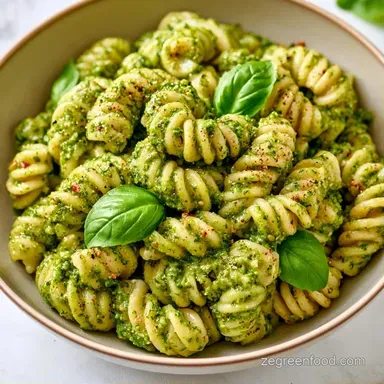
You'll get a bright green sauce that stays vivid if you handle the heat correctly. The goal is a sauce that coats the noodles without feeling greasy.
Key Numbers
- Pasta Water: Reserve 1/2 cup before draining.
- Nut Toasting: 3 to 5 minutes on medium-low.
- Total Time: 25 minutes from start to plate.
Ingredient Deep Dive
- 2 cups fresh basil leaves (50g)
- 1/3 cup pine nuts (50g)
- 1/2 cup Parmesan cheese (50g)
- 2 cloves garlic (6g)
- 1/2 cup extra virgin olive oil (120ml)
- 1/2 tsp salt (3g)
- 1/4 tsp black pepper (1g)
- 1 lb pasta (450g)
- 4 quarts water
- 2 tbsp salt (36g)
The balance of fats and acids is what keeps the sauce from tasting heavy.
| Ingredient | Role | If You Don't Have It |
|---|---|---|
| Fresh Basil | Bright, peppery base | Baby spinach, though it is milder and earthier |
| Pine Nuts | Creamy, nutty depth | Walnuts or almonds, but they add a more bitter note |
| Parmesan | Salty, umami body | Pecorino, which is saltier and sharper |
Kitchen Tools
You only need a few basics for this. A food processor is the easiest way to get the texture right, but a mortar and pestle works if you want a chunkier result. A large stockpot and a small skillet for the nuts are the only other essentials.
How to Make It
1. Toast the nuts
Put the pine nuts in a small skillet over medium-low heat. Stir them continuously for 3 to 5 minutes until they are rich brown and smell nutty, then remove them from the heat immediately.

2. Chop the base
Place the toasted pine nuts, garlic, and fresh basil into a food processor. Give it a few quick pulses until the mixture is coarsely chopped.
3. Emulsify the sauce
Set the food processor to low speed. Gradually pour in the 1/2 cup extra virgin olive oil in a steady stream. This incorporates the oil into the herbs to ensure the sauce stays smooth.
4. Finish by hand
Fold in the 1/2 cup grated Parmesan cheese, 1/2 tsp salt, and 1/4 tsp black pepper by hand to preserve some of the cheese's texture.

5. Boil the water
Fill a stockpot with 4 quarts water and 2 tbsp salt, then bring the liquid to a rolling boil.
6. Cook the noodles
Drop 1 lb pasta into the boiling water. Cook until al dente, meaning the noodles are tender but still have a firm bite.
7. Save the starch
Before draining, reserve 1/2 cup of the starchy pasta water. Pour the remaining pasta into a colander to drain.

8. The final toss
Move the hot pasta into a large mixing bowl. Stir in the fresh pesto and a splash of the saved pasta water. Toss vigorously until your pesto pasta is silky and the sauce coats the noodles.
Quick Fixes for Pesto Pasta
Fixing a Thick or Dry Sauce
If the sauce isn't coating the noodles, it's likely missing moisture. Add the reserved starchy pasta water one tablespoon at a time. Stir until the sauce loosens and glides over the pasta.
Stopping the Green from Browning
Basil oxidizes when it hits too much heat or air. Never cook the pesto in a pan over a flame. Instead, toss it with the hot pasta off the heat to keep the color vibrant.
Managing an Oily Sauce
This happens when the oil and herbs don't bond. The fix is more starch. Ensure you use the reserved pasta water and toss the noodles vigorously, which helps the oil emulsify into a creamy coating.
Keeping and Freezing Pesto

Store the finished noodles in a sealed jar in the refrigerator for up to 4 days. The basil will darken slightly, but the taste stays strong.
If you made extra sauce, don't freeze it with the pasta. Instead, pour the sauce into ice cube trays and cover with a thin layer of olive oil to block air. Once frozen, move the cubes to a freezer bag for up to 6 months.
To reheat, avoid the microwave. Put the pasta in a pan over low heat with a tablespoon of water or olive oil. This brings the emulsion back to life without drying out the noodles. When reheating cooked leftovers, check with a food thermometer that the center reaches 165°F (74°C); the appliance temperature and time alone do not confirm this.
Perfect Complements
This dish is rich, so it pairs well with lean proteins or bright vegetables.
- Grilled Herb Chicken: Sliced chicken breast adds protein without overpowering the basil.
- Lemon-Garlic Shrimp: The acidity of lemon cuts through the richness of the pine nuts.
- Roasted Veggies: Try adding some roasted vegetable quinoa salad on the side for extra crunch and nutrients.
- Alternative Sauces: For a different flavor profile, this red pesto sauce is a great switch.
Recipe FAQs
Can you make a green pesto with these ingredients?
Blend fresh basil, pine nuts, garlic, Parmesan, and olive oil.
Tip: Toast the pine nuts first to add a deeper, dark golden richness.
When should pesto be added to the pasta?
Toss the sauce into the hot pasta in a separate mixing bowl after draining.
Tip: Never cook the pesto in a pan as high heat can dull the fresh basil flavor.
What does this pesto pasta taste like?
The dish has a peppery, nutty, and salty flavor profile.
Tip: Pair this rich pasta with a fresh black bean salad to balance the meal.
Which five main ingredients make up the pesto?
The core components are basil, pine nuts, Parmesan cheese, garlic, and extra virgin olive oil.
Tip: Pulse the ingredients coarsely in a food processor for a traditional texture.
How do I stop the pasta from drying out?
Stir in a splash of the reserved starchy pasta water when tossing the noodles.
Tip: This binds the oil to the pasta, ensuring the sauce coats every strand without pooling.
Does using homemade pesto change the saltiness?
Homemade pesto allows you to precisely control the amount of salt and Parmesan used.
Tip: Taste the sauce before adding the final pinch of salt, as cheese brands vary in saltiness.
Could I make the sauce less rich?
Reduce the quantity of olive oil or Parmesan cheese in the mixture.
Tip: Use a bit more reserved pasta water to maintain a silky consistency with less fat.
Why did the pesto turn brown?
Exposure to air or excessive heat causes the basil to oxidize.
Tip: Process the basil quickly on low speed to avoid heating the leaves.
Pesto Pasta in 25 Minutes
Ingredients:
Instructions:
Try These Next

Red Pesto Sauce
A tangy, nutty Mediterranean condiment called Red Pesto Sauce.

Roasted Spaghetti Squash Marinara
Spaghetti squash often turns out mushy. This Spaghetti Squash Marinara uses a cut-side down roast…

Creamy Sweet Potato Soup
Smoky, rich Creamy Sweet Potato Soup. Includes a clear step-by-step instructions guide for a thick…

Roasted Vegetable Quinoa Salad
Smoky and briny Roasted Vegetable Quinoa Salad. This recipe includes a simple assembly guide for…

Black Bean Corn Salad
This zesty and colorful side is a Black Bean Corn Salad. Check out what goes into the bowl and get…

Pesto Delicato di Camogli
Bright, nutty, and cohesive, this Pesto Delicato di Camogli Recipe is an Authentic Ligurian Pesto.
