Vegan Fajita Bowl with Guacamole
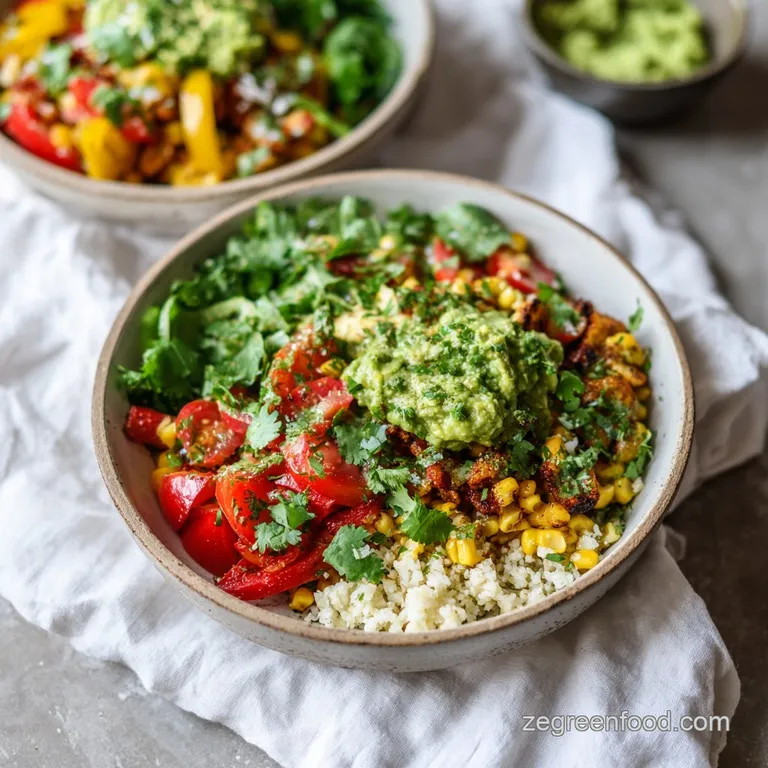
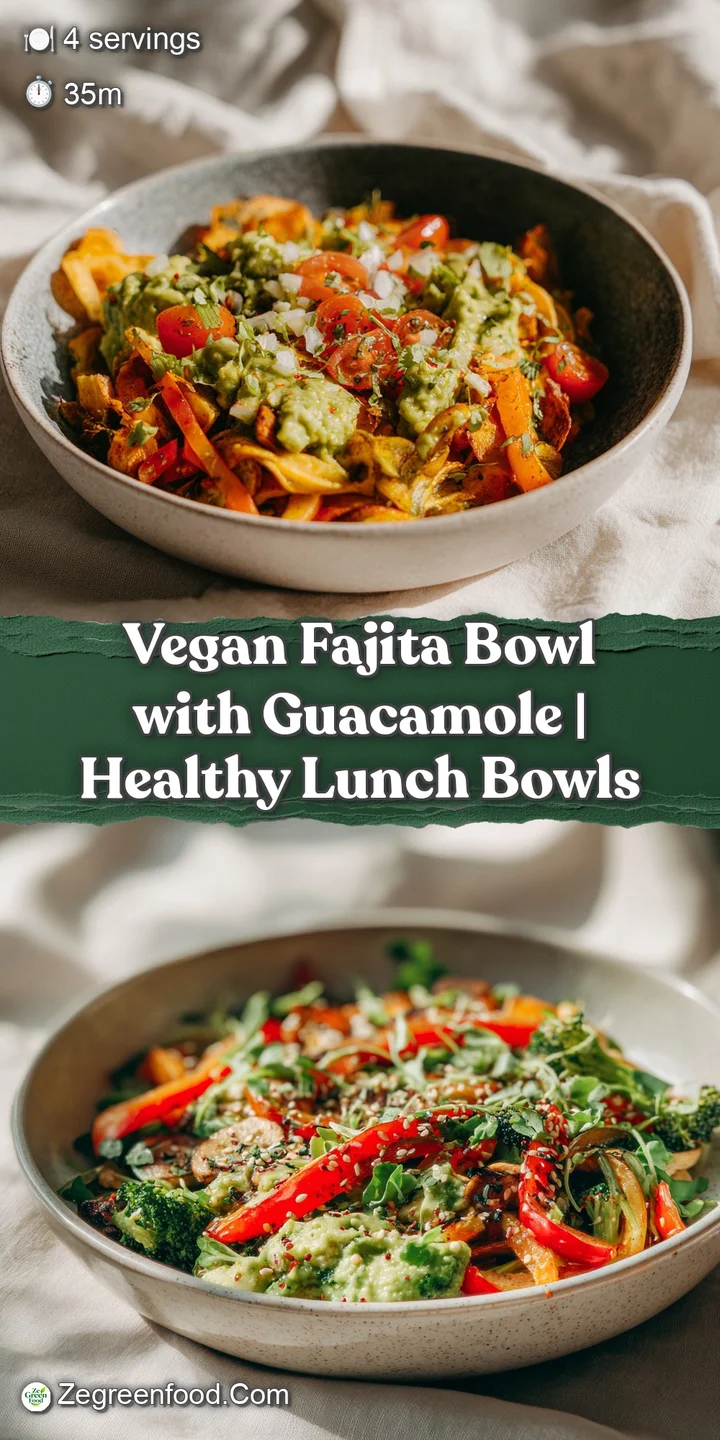
- Time: Active 15 minutes, Passive 20 minutes, Total 35 minutes
- Flavor/Texture Hook: Smoky, charred, and creamy
- Perfect for: High protein meal prep or a vibrant family weeknight dinner
- Mastering the Vegan Fajita Bowl with Guacamole
- The Physics of the Char
- Crucial Plant Based Cooking Specs
- Component Analysis
- Flavor Building Blocks and Elements
- Essential Tools for Kitchen Success
- Assembling Your Vibrant Meal Layers
- Preventing Common Kitchen Cooking Disasters
- Customizing Your Meatless Mexican Bowl
- Storage and Zero Waste Secrets
- Serving and Pairing Your Bowl
- Debunking Fajita Myths
- High in Sodium
- Recipe FAQs
- 📝 Recipe Card
Mastering the Vegan Fajita Bowl with Guacamole
The second the sliced peppers hit the hot avocado oil, that distinctive, sharp hiss fills the kitchen, carrying the scent of sweet onion and smoky paprika. It’s a sound that always brings my family running to the island, hovering over the stove with forks in hand.
I remember the first time I tried making a plant based fajita bowl; I crowded the pan so much that the vegetables just steamed into a soggy, grey mess. It was a humble lesson in the power of heat and space, but once I got that signature char on a thick slice of Portobello mushroom, I never looked back.
This vegan fajita bowl recipe isn't just about throwing things in a bowl; it’s about building contrast. You want the quinoa to be light and separate, the beans to be warm and seasoned, and the guacamole to be that cold, rich anchor that ties every bite together.
We're skipping the heavy oils and processed additives found in takeout versions, focusing instead on how fire and acid transform raw ingredients into something truly satisfying. If you've been searching for a healthy vegan burrito bowl that actually keeps you full until breakfast, you've found it.
The Physics of the Char
Maillard Reaction: High heat triggers a chemical reaction between amino acids and reducing sugars, creating that dark, smoky crust on the mushrooms. By keeping the pan hot and not overcrowding it, you ensure moisture evaporates instantly rather than boiling the vegetables in their own juices.
| Method | Time | Texture | Best For |
|---|---|---|---|
| Cast Iron Skillet | 12 minutes | Deeply charred and smoky | Authentic restaurant flavor |
| Sheet Pan Roast | 20 minutes | Soft, caramelized, and sweet | Easy cleanup for families |
| Air Fryer | 10 minutes | Crispy edges, slightly drier | Quick individual lunches |
Choosing your cooking method depends on your Tuesday night energy levels. While the skillet offers the most control over that "sizzle," the sheet pan method lets you walk away and prep your toppings. If you find yourself frequently making these meatless mexican bowls for a crowd, the oven is your best friend.
Crucial Plant Based Cooking Specs
When we talk about a vegan dinner bowl, texture is our primary currency. The quinoa must be "al dente" tender but with a slight pop rather than a mushy porridge. Achieving this requires a strict 1:2 ratio of grain to liquid and a mandatory resting period.
Never skip the rest; it allows the steam to distribute evenly through the pot, ensuring the bottom layer doesn't turn into a gluey paste while the top stays dry.
Achieving a over High heat Sear
To get the most out of your Portobello mushrooms, you need to treat them like a protein. These mushrooms are porous sponges; if you wash them under a tap, they will release that water in the pan and ruin your sear. Instead, wipe them with a damp paper towel.
When they hit the oil, leave them alone for at least three minutes. Resistance to flipping is the secret to that gorgeous, dark brown finish that mimics the bite of traditional fajitas.
The Signature Guacamole Layer
Guacamole is the fatty heart of this bowl with guacamole. The trick to keeping it vibrant is twofold: acid and timing. Use the lime juice immediately after mashing to prevent oxidation (that dreaded browning).
For a chunky, authentic texture, I use a fork to mash only half the avocado, leaving the rest in small, buttery cubes. This creates a more interesting mouthfeel than a completely smooth puree.
Component Analysis
| Ingredient | Science Role | Pro Secret |
|---|---|---|
| Quinoa | Structural Base | Rinse in a fine mesh sieve to remove bitter saponins |
| Portobello Mushrooms | Umami Provider | Slice at least 1cm thick to maintain "meaty" integrity |
| Lime Juice | pH Balancer | Roll the lime on the counter first to break internal fibers |
| Smoked Paprika | Flavor Depth | Add to oil first to "bloom" the fat soluble compounds |
Adding your spices directly to the hot oil for thirty seconds before tossing in the vegetables is a technique called blooming. It releases the essential oils within the dried spices, making the overall flavor of the vegan fajita bowl much more intense without needing extra salt.
Flavor Building Blocks and Elements
- 1 cup (185g) Quinoa: The protein rich foundation. Why this? Offers more fiber and protein than white rice for better satiety.
- Substitute: 1 cup Brown rice (requires 45 minutes cook time).
- 2 cups (475ml) Vegetable broth: For seasoning the grain from within.
- Substitute: Water with 1 tsp bouillon paste.
- 2 large Bell peppers (red and yellow): Provides sweetness and crunch.
- Substitute: Sliced poblano peppers for a mild heat.
- 1 large Red onion: Becomes sweet and mellow when charred.
- Substitute: White onion for a sharper, more traditional bite.
- 8 oz (225g) Portobello mushrooms: The "meat" of the dish.
- Substitute: 1 block extra firm tofu, pressed and crumbled.
- 1 can (15 oz) Black beans: Adds plant based iron and heft.
- Substitute: Pinto beans for a creamier texture.
- 2 ripe Hass avocados: The source of healthy fats.
- Substitute: 1/2 cup vegan Greek yogurt mixed with lime.
- 1 tsp Smoked paprika: Essential for that "grilled" aroma.
- Substitute: Liquid smoke (use only 2 drops).
Chef's Tip: Grate your garlic directly into the lime juice for the guacamole. The acid "cooks" the raw garlic slightly, removing that harsh, stinging bite that can sometimes linger for hours after dinner.
Essential Tools for Kitchen Success
You don't need a high end kitchen, but a heavy bottomed skillet is non negotiable for this recipe. A thin pan won't hold heat well enough to sear the vegetables, leading to the dreaded "steamed veggie" syndrome. If you have a cast iron skillet, now is the time to pull it out.
The seasoning on the iron adds a subtle depth to the peppers that a non stick pan simply cannot replicate.
For the grain, a small saucepan with a tight fitting lid is key. If your lid is loose, steam escapes, and you'll end up with undercooked quinoa. You'll also want a sharp chef's knife; slicing the bell peppers and onions into uniform strips ensures they all finish cooking at the same time. While you're prepping, consider making a batch of our Cauliflower Alfredo Sauce recipe to keep in the fridge it's another great way to add creamy texture to plant based meals later in the week.
Assembling Your Vibrant Meal Layers
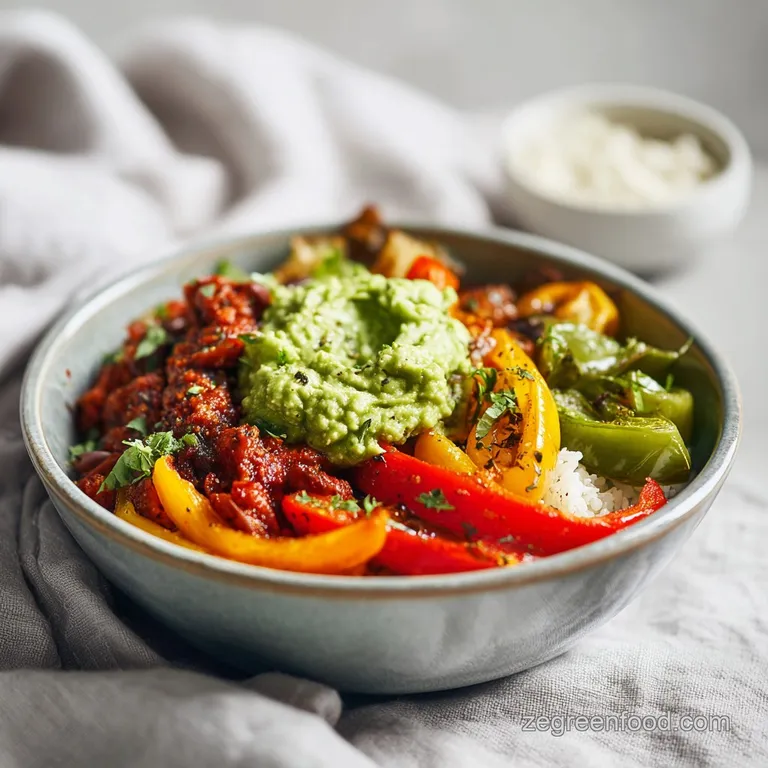
- Rinse the quinoa. Place 1 cup (185g) quinoa in a sieve and run under cold water until the water runs clear. Note: This removes the bitter natural coating.
- Simmer the base. Combine rinsed quinoa with 2 cups (475ml) broth and 0.5 tsp sea salt in a pot; bring to a boil, then cover and simmer for 15 minutes.
- Prep the vegetables. Slice 2 bell peppers, 1 red onion, and 8 oz (225g) mushrooms into consistent, long strips.
- Heat the pan. Add 1 tbsp avocado oil to your skillet over medium high heat until the oil shimmers and barely smokes.
- Sear the mushrooms. Lay mushrooms in a single layer and cook for 3 minutes without moving until deep brown and firm.
- Sizzle the aromatics. Toss in the peppers, onions, and all spices (paprika, cumin, garlic powder, chipotle); sauté for 6 minutes until edges are blackened and onions are translucent.
- Warm the beans. Add the drained black beans to the skillet for the last 2 minutes until they are heated through and slightly plump.
- Rest the grains. Turn off the quinoa heat, add 1 tbsp lime juice, and let sit covered for 5 minutes until the "tails" of the quinoa have popped out.
- Mash the guacamole. In a bowl, combine 2 avocados, 0.25 cup minced onion, 0.25 cup cilantro, 1 tbsp lime juice, and 0.5 tsp flaky salt until chunky and bright green.
- Assemble the bowl. Divide quinoa into four bowls, top with the sizzling veggie mix, a massive scoop of guacamole, and 1 cup of halved cherry tomatoes.
Preventing Common Kitchen Cooking Disasters
The most frequent heartbreak with this dish is soggy vegetables. This usually happens because the pan isn't hot enough or you've added too many vegetables at once. If you see liquid pooling in the bottom of your skillet, you've essentially started boiling the food.
Immediately turn the heat up and stop stirring; let that liquid evaporate so the searing process can finally begin.
Why My Quinoa Tastes Bitter
If your quinoa has a soapy or "earthy" aftertaste that overpowers the lime, it’s likely due to the saponins. These are natural compounds the plant produces to ward off insects. Even if the box says "pre washed," I always recommend a 30 second rinse in a fine mesh strainer.
It takes almost no time but completely changes the flavor profile of the grain.
Dealing with Tough Mushrooms
Mushrooms are 90% water. If you salt them the moment they hit the pan, they will release all that water immediately and become rubbery. Wait until they have achieved a golden brown crust before adding any salt or spice. This ensures they stay meaty and firm. For those looking for more comforting plant based options, our Vegan Lentil Soup recipe is another protein packed dish where timing your salt addition is equally important for texture.
| Problem | Root Cause | Solution |
|---|---|---|
| Mushy Quinoa | Too much liquid or no resting | Use exact 1:2 ratio and rest for 5 mins off heat |
| Sallow Guacamole | Exposure to oxygen | Press plastic wrap directly onto the surface |
| Raw Onion Bite | Sliced too thick | Slice into paper thin half moons for faster softening |
Common Mistakes Checklist
- ✓ Pat the mushrooms dry with a towel before slicing (never soak them).
- ✓ Use a high smoke point oil like avocado or grapeseed, not extra virgin olive oil.
- ✓ Let the skillet preheat for 3 minutes before adding the first vegetable.
- ✓ Fluff the quinoa with a fork, never a spoon, to keep it light and airy.
- ✓ Add the lime juice to the quinoa after cooking to keep the flavor bright.
Customizing Your Meatless Mexican Bowl
One of the best parts about a vegan fajita bowl is how easily it adapts to what’s in your pantry. If you want more heat, don't just add more chipotle powder; try charring a fresh jalapeño alongside the bell peppers. The heat becomes more complex and smoky when the skin of the pepper is blistered.
If you are craving a different texture, you can swap the quinoa for cauliflower rice. This lowers the calorie count significantly and increases your vegetable intake. Simply sauté the cauliflower rice with a little lime and cilantro for 5 minutes until tender. For a completely different vibe, you could even try our Vegan Pad Thai recipe if you're in the mood for noodles instead of grains, as both dishes rely on that perfect balance of acid and heat.
- Make it Low Carb: Use shredded romaine lettuce or cabbage as the base instead of quinoa.
- Add More Protein: Toss in some pepitas (pumpkin seeds) or toasted hemp hearts for an extra crunch and a boost of healthy fats.
- Sweet and Spicy: Add a handful of frozen corn or fresh mango chunks to the final assembly for a tropical twist.
Storage and Zero Waste Secrets
This recipe is a meal prep dream, but you have to be smart about the guacamole. If you're making these for work lunches, keep the guacamole in a separate, tiny container. I like to squeeze an extra layer of lime juice over the top of the guac to act as a liquid seal.
- Fridge: Store the grain and veggie mix in airtight containers for up to 4 days.
- Freezer: The quinoa and the sautéed veggie mix freeze surprisingly well! Store them in freezer bags for up to 2 months. Note: Do not freeze the guacamole or fresh tomatoes.
- Reheating: Use a skillet over medium heat with a splash of water to revive the vegetables. Microwave works too, but you lose that "sizzle" texture.
- Zero Waste: Don't throw away those mushroom stems or onion ends! Toss them into a freezer bag. Once the bag is full, boil them with water to make your own homemade vegetable broth for the next time you make this recipe.
Serving and Pairing Your Bowl
When it comes to serving, I love placing everything in separate bowls in the middle of the table. It turns dinner into an interactive experience, especially for kids who might be picky about "things touching." We call it the "Fajita Bar." To make it feel like a real feast, serve it with some warm corn tortillas on the side for those who want to wrap their bowl contents up.
To drink, a crisp hibiscus tea (agua de Jamaica) or a simple lime sparkling water cuts through the richness of the avocado beautifully. The acidity in the drink mirrors the lime in the bowl, creating a cohesive dining experience that feels much more intentional than just a "quick Tuesday dinner." Trust me, once you master the layers of this vegan fajita bowl with guacamole, it will become the most requested meal in your house.
| Servings | Quinoa Amount | Veggie Count | Pan Size |
|---|---|---|---|
| 2 People | 0.5 cup (92g) | 1 Pepper / 0.5 Onion | 10 inch skillet |
| 4 People | 1 cup (185g) | 2 Peppers / 1 Onion | 12 inch skillet |
| 8 People | 2 cups (370g) | 4 Peppers / 2 Onions | Two 12 inch skillets |
Debunking Fajita Myths
The idea that you need meat to get a "meaty" texture is entirely false. Portobello mushrooms contain a high concentration of glutamate, the compound responsible for umami. When seared correctly, they provide a savory depth that rivals steak. Another myth is that you must use a specific "fajita seasoning" packet.
Most of those are filled with cornstarch and sugar. By using individual spices like chipotle powder and cumin, you get a much cleaner, sharper flavor profile that doesn't mask the natural sweetness of the peppers. Finally, people often think you need to cook the vegetables until they are soft.
In reality, a great fajita mix should have a "snap" left in the pepper overcooking them turns the whole bowl into a mushy texture that loses its excitement.
High in Sodium
812 mg mg of sodium per serving (35% % of daily value)
The American Heart Association recommends limiting sodium intake to no more than 2,300mg per day for most adults.
Tips to Reduce Sodium in Your Quinoa Bowl
-
Broth Replacement-30%
Swap the 2 cups of low-sodium vegetable broth with 2 cups of water. Enhance flavor with a bay leaf or other herbs during cooking.
-
Reduce Salt-25%
Cut back on added salt. Eliminate the 0.5 tsp of sea salt added to the quinoa during cooking and reduce the flaky sea salt added to the avocado topping. Taste and add a pinch if needed.
-
Rinse Beans Well-20%
Even though you are rinsing the canned black beans, rinse them extra thoroughly under cold water for at least a minute to remove more sodium.
-
Skip Flaky Salt on Avocado-10%
Eliminate the 0.5 tsp of flaky sea salt on the avocado. The natural flavors of the avocado, lime juice and cilantro will be enough.
-
Spice it Up
Experiment with fresh and dried herbs like oregano, parsley, or thyme, and spices like chili powder (without added salt) to enhance flavor without adding sodium.
Recipe FAQs
Can you put guacamole in fajitas?
Yes, absolutely, it adds necessary richness. Guacamole provides a cooling, creamy fat content that balances the smokiness and char of the sautéed peppers and onions perfectly.
What to put in vegan fajitas for protein?
Use Portobello mushrooms or crumbled, pressed tofu as your primary protein. Portobellos offer a savory, meaty texture when seared correctly, similar to the technique used in our Vegan Stuffed Peppers recipe.
What comes in a standard vegan fajita bowl?
A standard bowl includes seasoned, charred vegetables over a grain base, topped with guacamole. The core components are usually seasoned peppers, onions, black beans, lime infused quinoa, and fresh avocado.
What do vegans eat with guacamole?
Vegans pair guacamole with almost everything savory, including fresh corn tortillas, robust grain bowls, or used as a topping for tacos. It functions as the main source of healthy fat and creaminess, similar to the richness provided by tahini dressing in a Buddha bowl.
How to prevent the vegetables from steaming instead of searing?
Heat your skillet until the oil shimmers, and cook in small batches without overcrowding the pan. Overcrowding drops the pan temperature too quickly, releasing moisture that boils the vegetables instead of allowing the Maillard reaction to occur.
Should I use pre-cooked quinoa to save time?
No, cook the quinoa fresh right before assembly for the best texture. Pre-cooked or reheated grains often dry out or become gluey; cooking it fresh ensures it retains the light, fluffy quality necessary to support the heavy toppings, unlike when making a dense dish like the Black Bean Burrito recipe.
How to get the smoky flavor without an outdoor grill?
Bloom smoked paprika directly in the hot cooking oil before adding the vegetables. This technique releases the fat-soluble flavor compounds of the spice, imbuing the entire dish with a deep, charred aroma without needing direct fire.
Vegan Fajita Bowl Guacamole
Ingredients:
Instructions:
Nutrition Facts:
| Calories | 478 kcal |
|---|---|
| Protein | 16.1 g |
| Fat | 18.2 g |
| Carbs | 62.4 g |
| Fiber | 15.8 g |
| Sugar | 6.5 g |
| Sodium | 812 mg |
