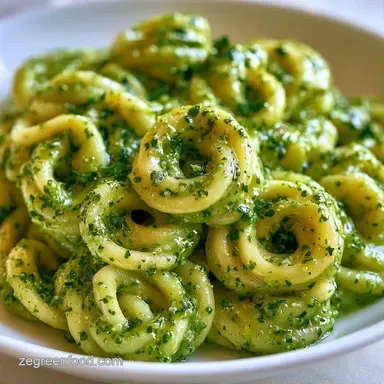
Creamy Pesto Pasta Sauce with Parmesan
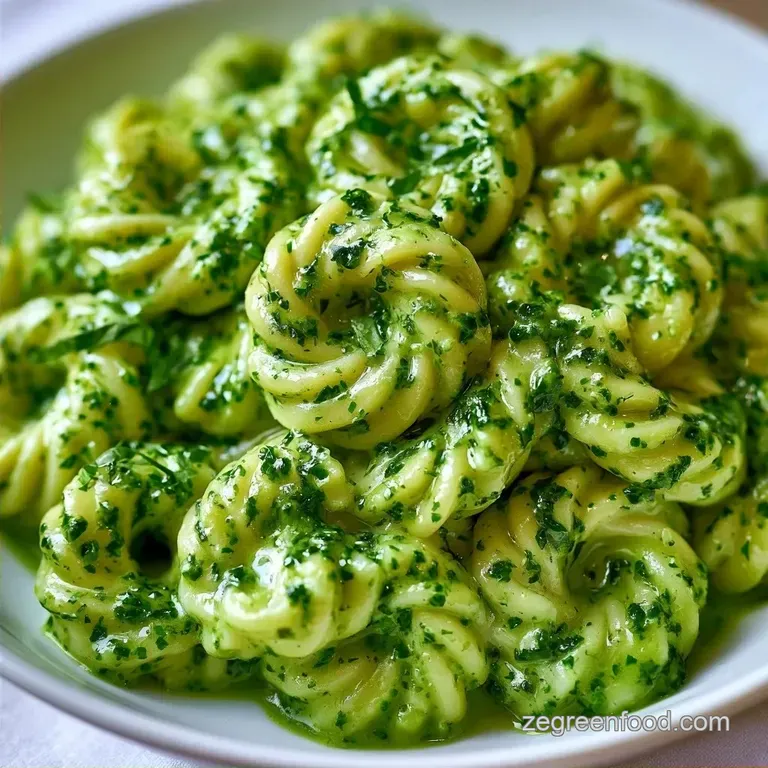
- Prep/Cooking: 5 minutes prep + 10 minutes cooking
- Taste Profile: Rich, garlicky, and glossy
- Ideal for: Fast weekday meals or easy meal prepping
Picture the scent of fresh basil meeting a hot pan, sending a wave of herbal fragrance throughout the room. Then, the heavy cream begins to simmer, transforming into a luxurious, pale gold sauce that clings perfectly to your utensil. It’s a cozy, deep aroma that promises a delicious meal.
I used to simply stir pesto into cooked pasta, thinking that was enough. Often, the oil would split, leaving a greasy layer at the bottom of the dish and bland noodles. I blamed the brand of pesto for a while, but the real issue was my method.
Integrating a cream base and a splash of reserved pasta water changed everything. This Creamy Pesto Pasta Sauce remains stable, enveloping every curve of the pasta without breaking. It delivers a sophisticated result with minimal effort.
Creamy Pesto Pasta Sauce
This version balances the punchy, salty nature of basil pesto with the mellow richness of heavy cream. By simmering the cream first and adding the pesto at the very end, we keep the basil from oxidizing into a dull brown. It's a fast, reliable way to get a restaurant style finish in under twenty minutes.
How This Sauce Binds
- Starch Bridge: Reserved pasta water contains starches that act as a glue between the fat in the cream and the oil in the pesto. Serious Eats notes that this emulsification is what prevents the sauce from splitting.
- Temperature Control: Adding pesto to a over low heat sauce preserves the bright green chlorophyll. High heat kills the fresh taste and turns the sauce gray.
Depending on how much time you have, you can go for a quick fix or a slower, traditional route. Here is how they stack up.
| Feature | Fast Method (This Recipe) | Classic Method |
|---|---|---|
| Time | 15 minutes | 30+ minutes |
| Texture | Smooth and glossy | Oily and rustic |
| Best For | Weeknight dinners | Sunday feasts |
The goal here is a balanced emulsion. We want the sauce to be thick enough to coat the pasta but fluid enough to flow. Trust me on this: don't skip the pasta water step, or you'll lose that professional cling.
What You'll Need
Your final taste depends heavily on the quality of the pesto. While homemade is excellent, if using a store-bought brand, look for one with a high basil-to-oil ratio. Also, ensure your Parmesan is freshly grated; pre-shredded varieties contain cellulose, which prevents the cheese from melting seamlessly into the cream.
| Ingredient | Purpose | Substitutions |
|---|---|---|
| Heavy Cream | Provides the rich, creamy body | Half and half (will be thinner) |
| Basil Pesto | Primary flavor and color | Walnut pesto (earthier taste) |
| Parmesan Cheese | Contributes salt and thickness | Pecorino Romano (saltier/sharper) |
| Unsalted Butter | Sauté base and glossy finish | Olive oil (less creamy finish) |
With both butter and cream, this sauce is quite indulgent. To cut through that richness, I often stir in a squeeze of fresh lemon juice just before serving, although it isn't listed in the main ingredients.
Detailed Ingredients List
- 2 tbsp (28g) unsalted butter Why this? Provides nutty depth and helps sauté the garlic
- 3 cloves (9g) garlic, minced Why this? A fundamental aromatic base
- 1 cup (240ml) heavy cream Why this? Ensures a thick, velvety consistency
- ½ cup (50g) freshly grated Parmesan cheese Why this? Serves as a natural thickening agent
- ½ cup (125g) basil pesto Why this? The central flavor profile
- ¼ cup (60ml) reserved pasta water Why this? Helps emulsify the fats
- ¼ tsp (1.5g) kosher salt Why this? Brings out the basil notes
- ¼ tsp (0.5g) cracked black pepper Why this? Adds a hint of spice
Essential Cooking Tools
Basic kitchen gear is all that's required here. A standard medium skillet is perfectly sufficient. I suggest using a stainless steel or non-stick pan to ensure the cream doesn't burn on the bottom.
- Medium skillet (10-12 inch)
- Whisk or silicone spatula
- Measuring cups and spoons
- Fine grater (for the Parmesan)
- Tongs (to transfer pasta from pot to pan)
Cooking step by step
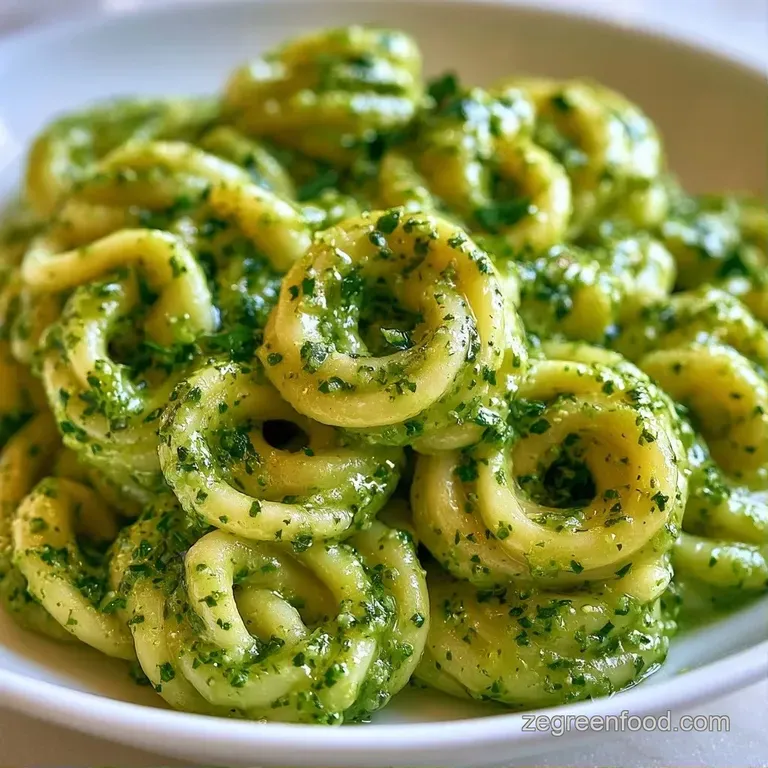
The key to this Creamy Pesto Pasta Sauce is timing. You want your pasta to finish cooking exactly when the sauce is ready. If the sauce sits too long, it will thicken up too much and become clumpy.
Sautéing the Garlic
- Melt the butter over medium heat in a medium skillet.
- Add the minced garlic and sauté for about 1 minute until fragrant and translucent. Note: Keep the heat steady so the garlic doesn't brown or turn bitter.
Reducing the Cream
- Pour in the heavy cream and increase the heat slightly to bring to a gentle simmer.
- Let bubble softly for 3–5 minutes, stirring occasionally, until the cream thickens enough to lightly coat the back of a spoon.
The Final Emulsion
- Reduce heat to low.
- Stir in the grated Parmesan cheese until completely melted and smooth.
- Fold in the basil pesto and reserved pasta water.
- Whisk constantly until the sauce is a uniform, vibrant green with a glossy, silky sheen.
- Remove from heat immediately. Note: Overheating the pesto will cause the color to fade.
- Toss with your favorite cooked pasta and serve.
Solving Common Issues
Even straightforward recipes can sometimes run into trouble. Most often, the culprit is either the temperature or an imbalance of liquids. Here is how to resolve the most frequent mistakes.
Fixing Separated Oil
If you notice tiny oil droplets on the surface, your emulsion has split. This typically occurs if the pan was excessively hot when you added the pesto. To remedy this, whisk in one tablespoon of warm pasta water at a time over very low heat; the starch helps re-bind the fats.
Preventing Gray Color
The sauce can turn a dull, grayish green if the basil is overcooked. To prevent this, take the pan off the heat as soon as the pesto is mixed in. If the color has already faded, stirring in a handful of freshly chopped basil at the end will refresh the appearance.
Taming Excess Saltiness
Both the pesto and Parmesan carry a lot of salt. If the flavor is too intense, avoid adding any more salt. Instead, mix in a splash of heavy cream or a teaspoon of lemon juice. The added fat and acidity will balance out the salty notes.
Customizing Your Bowl
After you've mastered the basics, feel free to experiment with the flavors. I like stirring in a handful of baby spinach during the simmering process to add some nutrients. To make it heartier, grilled chicken or sautéed shrimp are excellent protein pairings.
For a completely different taste, try replacing the basil with a [red pesto sauce](https://zegreenfood.com/recipes/homemade red-pesto sauce/) made from sun-dried tomatoes. This version is slightly more zesty and pairs perfectly with rigatoni or penne.
Making this dairy-free is a bit more challenging. A great alternative is using a [cauliflower alfredo](https://zegreenfood.com/recipes/cauliflower alfredo-sauce recipe/) as your foundation, then folding in the pesto at the very end. You'll get that same creamy texture without relying on heavy cream.
Chef's Tip: Place your butter in the freezer for 10 minutes before it hits the pan. This slows the melting process, allowing the garlic to soften without scorching.
Decision Shortcut
- Want more zest? → stir in 1 tsp lemon zest
- Looking for heat? → stir 1/4 tsp red pepper flakes into the butter
- Prefer a thicker sauce? → mix in 1 extra tbsp of Parmesan
Keeping It Fresh
While freshest when served right away, this sauce can be stored. Keep any leftovers in a sealed container in the refrigerator for a maximum of 3 days. To reheat, use low heat and stir in a bit of water or milk to restore the consistency.
I would avoid freezing this particular sauce, as the cream and pesto may separate during the thawing process, which can lead to a grainy texture. If you do decide to freeze it, omit the cream and stir in the dairy fresh when reheating.
To minimize waste, save your basil stems. I simmer them in a small pot of water to create a quick herb broth, which I use in place of regular pasta water to give the Creamy Pesto Pasta Sauce an extra boost of flavor.
Best Serving Ideas
This dish tastes wonderful solo, but pairing it with the right sides transforms it into a complete dinner. Because the sauce is so decadent, a crisp or acidic accompaniment helps balance the richness.
I personally love serving it with an arugula salad tossed in a zesty lemon dressing. The brightness of the citrus and the bite of the greens provide a wonderful counterpoint to the heavy cream. For a more filling option, toasted garlic bread topped with sea salt is the ideal way to soak up every bit of the sauce.
When selecting your pasta, prioritize texture. Shapes like fusilli or farfalle are excellent, as their twists and ridges cling to the Creamy Pesto Pasta Sauce, delivering a balanced flavor in each mouthful. Skip the thin spaghetti; you'll want a robust noodle capable of supporting the thick cream.
Recipe FAQs
How to make this creamy pesto sauce?
Melt butter and sauté minced garlic for one minute. Stir in heavy cream and simmer for 3 5 minutes before mixing in Parmesan, basil pesto, and reserved pasta water on low heat.
What makes this sauce creamy?
Heavy cream and Parmesan cheese provide the richness. For a more concentrated punch of flavor, you can use a homemade basil pesto as your base.
Is creamy pesto sauce the same as traditional pesto?
Actually, no. While traditional pesto is an oil-and-nut emulsion, this version adds a cooked cream and cheese base to mellow the sharp basil flavor.
Can I use milk instead of heavy cream?
No, stick with heavy cream. Milk lacks the fat content needed to thicken and emulsify with the pesto, which often results in a thin, separated sauce.
Which method works best for store-bought pesto?
Whisk the jarred pesto in at the very end. Adding it to the cream base on low heat prevents the basil from oxidizing and keeps the color vibrant.
What is the secret to a glossy finish?
Stir in reserved pasta water. The starch in the water acts as a glue that binds the fats together, preventing the oil from separating.
Is it true I should boil the pesto to blend flavors?
No, and here's why. High heat destroys the fresh basil flavor and turns the sauce a dull brown; always fold it in on low heat and remove from the stove immediately.
Creamy Pesto Pasta Sauce