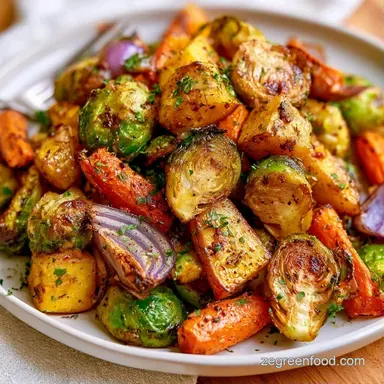
Ina Garten Roasted Fall Vegetables: Caramelized
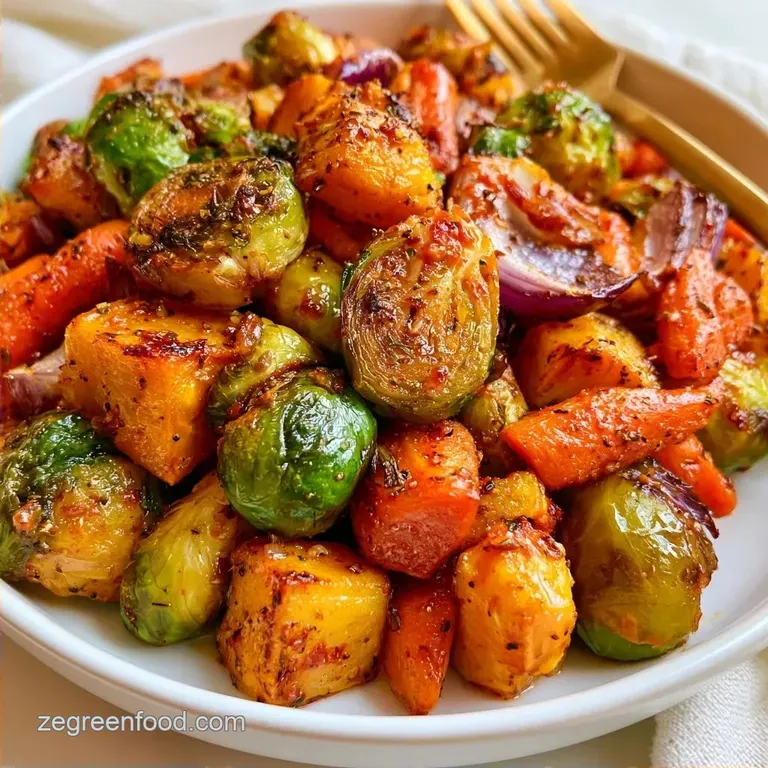
- Time:30 minutes active + 45 minutes roasting
- Flavor/Texture Hook: Rich mahogany edges with a zesty balsamic finish
- Perfect for: Festive holiday sides or warm family gatherings
The scent of parsnips and carrots roasting in the oven is the true signal that autumn has arrived. That sweet, earthy fragrance wafts through the house, drawing everyone toward the kitchen. I once made the mistake of crowding everything onto a single small baking sheet to save time.
Instead of roasting, the vegetables steamed, leaving me with pale, limp pieces that tasted bland.
The gap between a soggy mess and caramelized perfection is simply a few inches of breathing room. When you give each sprout and piece of squash space, the hot air can reach every surface. This creates the dark, savory crust that makes these vegetables so craveable.
You can expect a side dish that beautifully offsets the natural sweetness of winter roots with the acidic punch of balsamic vinegar. Ina Garten’s Roasted Fall Vegetables add an elegant touch to the table without requiring hours of preparation.
It is a straightforward process that relies entirely on heat and timing.
Why These Veggies Brown
High Temperature: 400°F forces the natural sugars in carrots and squash to caramelize quickly. This creates dark, savory edges before the inside turns to mush.
Air Circulation: Leaving gaps between the vegetables prevents steam from building up. Serious Eats' testing shows that overcrowding pans leads to steaming instead of roasting.
Post Oven Glazing: Adding balsamic vinegar to the pan while it's still scorching reduces the liquid instantly. This creates a glossy coating that sticks to the veg.
| Method | Time | Texture | Best For |
|---|---|---|---|
| Fresh Chop | 75 mins | Caramelized | Dinner parties |
| Pre cut Mix | 60 mins | Softer | Quick weeknights |
| Slow Roast | 120 mins | Dense/Sweet | Deep flavor |
I've found that using a heavy duty rimmed baking sheet helps distribute the heat more evenly than thin, cheap pans. If you have a convection setting, it's great, but a standard oven works just as well as long as you don't peek too often.
What Each Ingredient Does
| Component | Purpose | Substitute Notes |
|---|---|---|
| Olive Oil | Heat conductor | Avocado oil: Higher smoke point, neutral taste |
| Balsamic Vinegar | Acidic balance | Apple cider vinegar: Tangier, less syrupy |
| Root Veggies | Natural sweetness | Celery root: Earthier, less sweet than parsnips |
| Fresh Parsley | Bright finish | Fresh thyme: More woody and herbal |
For the best results, go for the highest quality olive oil you have in the pantry. Since it's a primary flavor, a fruity extra virgin oil makes a noticeable difference in the final bite.
Shopping List Breakdown
- 1 lb carrots, peeled and cut into 2 inch chunks Note: Uniform sizing ensures they roast evenly
- 1 lb parsnips, peeled and cut into 2 inch chunks Note: Contributes a spicy, peppery complexity
- 2 cups butternut squash, cut into 1 inch cubes Note: Develops a melt-in-your mouth texture when caramelized
- 1 lb Brussels sprouts, halved Note: Charring the leaves creates a nutty flavor
- 1 red onion, cut into 8 wedges Note: Turns sweet and jammy in the oven
- 3 tbsp extra virgin olive oil Note: Prevents the vegetables from sticking and aids browning
- 2 tbsp balsamic vinegar Note: Cuts through the hearty richness of the root veg
- 1 tsp kosher salt Note: Releases moisture for a better sear
- 1/2 tsp freshly ground black pepper Note: Introduces a touch of warmth
- 1/4 cup fresh parsley, chopped Note: Adds vibrant color and a fresh contrast
Quick Recipe Specs
- Prep time: 30 minutes
- Cook time: 45 minutes
- Total time: 75 minutes
- Yield: 6 servings
- Oven Temp: 400°F (200°C)
Essential Kitchen Gear
No fancy equipment is required, though certain tools simplify the process. A big mixing bowl is essential for tossing the ingredients without sending carrots flying across your workspace. I prefer a sturdy baking sheet that can withstand high heat without bending.
Parchment paper is a game changer here. It stops the balsamic glaze from sticking to the pan, making the post dinner cleanup much faster. While a bit of oil is a viable substitute, be prepared for some extra scrubbing.
Decision Shortcut
- Extra tang? → add 1 tsp lemon zest at the end
- Sweeter notes? → swap 1 tbsp balsamic for maple syrup
- More crunch? → roast for 5 extra minutes at 425°F
The Roasting Process
- Set your oven to 400°F (200°C). Position the rack in the middle for the most consistent airflow.
- Combine carrots, parsnips, butternut squash, Brussels sprouts, and red onion in a big bowl with olive oil, salt, and pepper. Note: Make sure everything is well coated to prevent any dry patches.
- Arrange the vegetables across a parchment covered baking sheet. Allow at least one inch of space between each piece.
- Bake for 20 minutes.
- Take the tray out and stir the vegetables gently with a spatula. This prevents the bottoms from scorching while the tops brown.
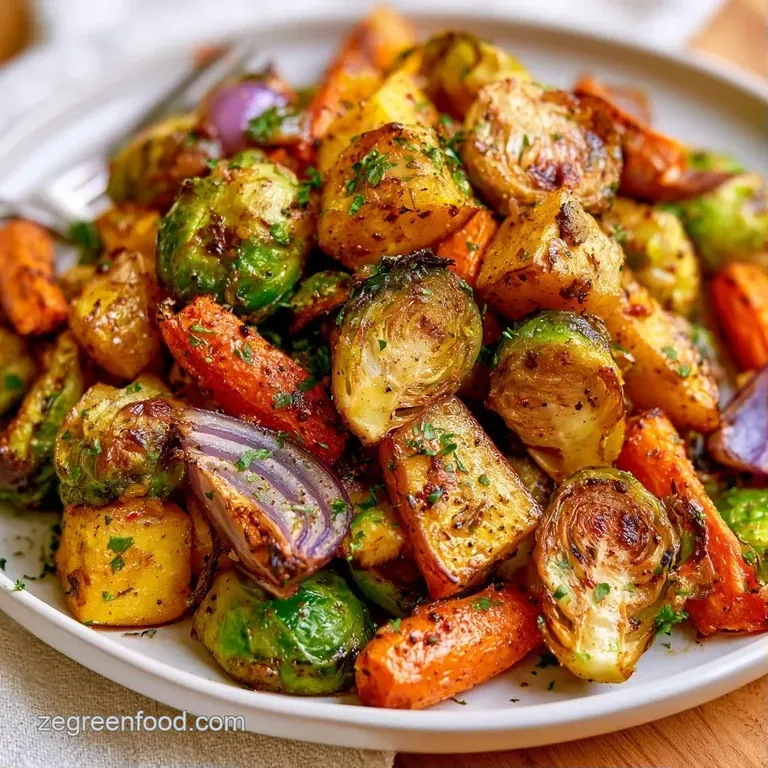
- Slide them back in for another 20-25 minutes until the edges reach a mahogany brown and the sprouts are charred.
- Remove from the heat and immediately pour the balsamic vinegar over the hot vegetables.
- Mix gently to coat. The residual heat will transform the vinegar into a shimmering glaze.
- Finish with a sprinkle of chopped fresh parsley before serving.
Chef's Tip: For larger quantities, divide the vegetables between two trays. Roasting in two batches is preferable to overcrowding a single pan, which can cause the vegetables to steam.
Fixing Common Issues
It's easy to get these wrong if you're rushing. Most issues come down to moisture and heat. If your vegetables are pale, your oven might not be reaching the full 400°F, or you might have too many items on the pan.
Stopping the Steam
When vegetables touch, they release moisture that traps heat. This creates a steam bath instead of a sear. If you see a lot of liquid on the pan, crank the heat up by 10 degrees for the last 5 minutes.
Fixing Uneven Cooking
Sometimes the carrots stay hard while the squash turns to mush. This usually happens if the chunks are different sizes. Always aim for consistent 2 inch pieces for the roots.
Preventing Burnt Balsamic
Adding vinegar too early in the roasting process can cause it to burn and turn bitter. Only apply the glaze in the final seconds after the pan leaves the heat.
| Problem | Fix |
|---|---|
| Vegetables are mushy | Increase spacing on the pan |
| No brown color | Roast 5-10 minutes longer |
| Balsamic tastes bitter | Drizzle after removing from oven |
| Sprouts are burnt | Add sprouts 10 minutes later than roots |
One mistake I made once was using a deep roasting pan instead of a flat sheet. The walls of the pan blocked the air, and the vegetables in the middle never browned. Stick to a flat baking sheet.
Keeping Leftovers Fresh
Keep any leftovers in a sealed container inside the refrigerator for as long as 4 days. While the balsamic glaze may soften the vegetables over time, the taste actually becomes more intense.
Try to avoid the microwave when reheating, as it tends to make roasted vegetables rubbery. Instead, arrange them on a baking tray and heat in a 350°F (175°C) oven for 10 minutes to restore those crisp edges.
To minimize waste, keep your carrot and parsnip peelings. Put them in a freezer safe bag along with celery scraps and onion ends. When the bag reaches capacity, boil the contents in water for two hours to create a fragrant, homemade vegetable stock.
Ideal Pairing Ideas
Ina Garten Roasted Fall Vegetables work as a side for almost any roast. They pair beautifully with a herb crusted pork loin or a simple roasted chicken. If you're looking for a more plant based meal, these are great served over a bed of quinoa.
For a lighter option, you can toss these into a Roasted Squash Kale Salad for a lunch that feels like a full meal. The cold greens contrast well with the warm, caramelized roots.
If you have guests over, serving these on a large wooden platter with a sprinkle of crumbled feta cheese adds a salty kick that balances the sweetness of the parsnips.
Trying Different Flavors
Feel free to customize these flavors to suit your taste. For an extra savory kick, whisk a tablespoon of Dijon mustard into the olive oil before tossing; this creates a sharp, tangy crust on the vegetables.
For a more indulgent version, sprinkle grated Parmesan cheese over the top during the final 5 minutes of roasting to achieve a salty, bubbly golden crust. To lean into those cozy autumn vibes, pair this dish with a bowl of Creamy Butternut Squash Soup recipe.
This recipe is naturally vegan and gluten-free, making it ideal for restricted diets. For a more substantial meal, these vegetables make a wonderful addition to a Roasted Chickpea Sweet Potato Bowl.
A Touch of Sweetness
Try replacing the balsamic with a blend of maple syrup and apple cider vinegar. This highlights the "fall" flavor profile and pairs perfectly with the Brussels sprouts.
Boosting the Umami
Toss a few smashed garlic cloves into the pan for the last 15 minutes of roasting to infuse the vegetables with a mellow, roasted garlic aroma.
Whether you prefer the classic version or add your own personal touch, Ina Garten Roasted Fall Vegetables are a wonderful way to bring seasonal flavors to your table. Just keep in mind: ensure the vegetables have plenty of space, use high heat, and finish with a bright hit of acid.
Recipe FAQs
How to achieve the best browning for these vegetables?
Toss them in olive oil and spread in a single layer. Leave at least one inch of space between pieces on the parchment lined sheet to prevent steaming.
Is it true that roasting is less healthy than steaming?
No, and here's why. Roasting enhances natural sugars and depth of flavor through caramelization without boiling away nutrients into cooking water.
Which specific ingredients make up this fall mix?
Carrots, parsnips, butternut squash, Brussels sprouts, and red onion. These are tossed with olive oil, salt, and pepper before hitting the oven.
Why is the balsamic vinegar added after roasting?
To prevent the vinegar from scorching. Adding it to the pan immediately after roasting creates a glossy glaze that tastes fresh and tangy.
How long do the vegetables need to roast?
Cook for 40 45 minutes at 400°F. Toss the mixture once halfway through the process to ensure all edges are deeply browned.
Should I pack the vegetables tightly on the tray?
That's a myth. Overcrowding the pan traps moisture, which leads to limp, pale vegetables instead of a caramelized roast.
Can I roast these without parchment paper?
Yes, but sticking is more likely. Using parchment ensures the butternut squash and carrots release cleanly from the pan.
What dinner options pair best with these roasted vegetables?
A savory autumn soup. If you enjoyed balancing earthy root flavors here, see how similar profiles work in our pumpkin soup.
Ina Garten Roasted Fall Vegetables for 6