Miso Udon Noodle Soup Recipe
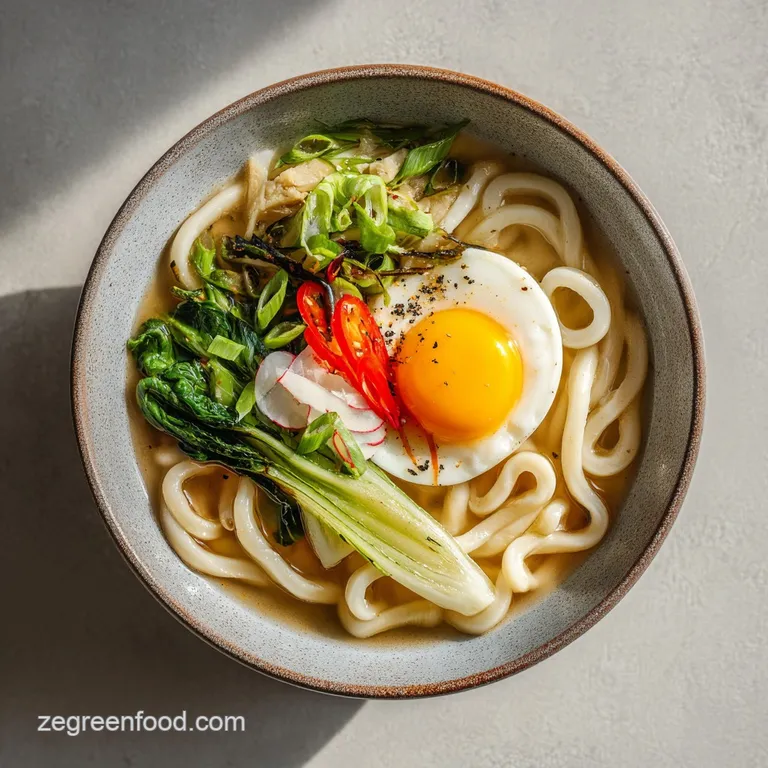
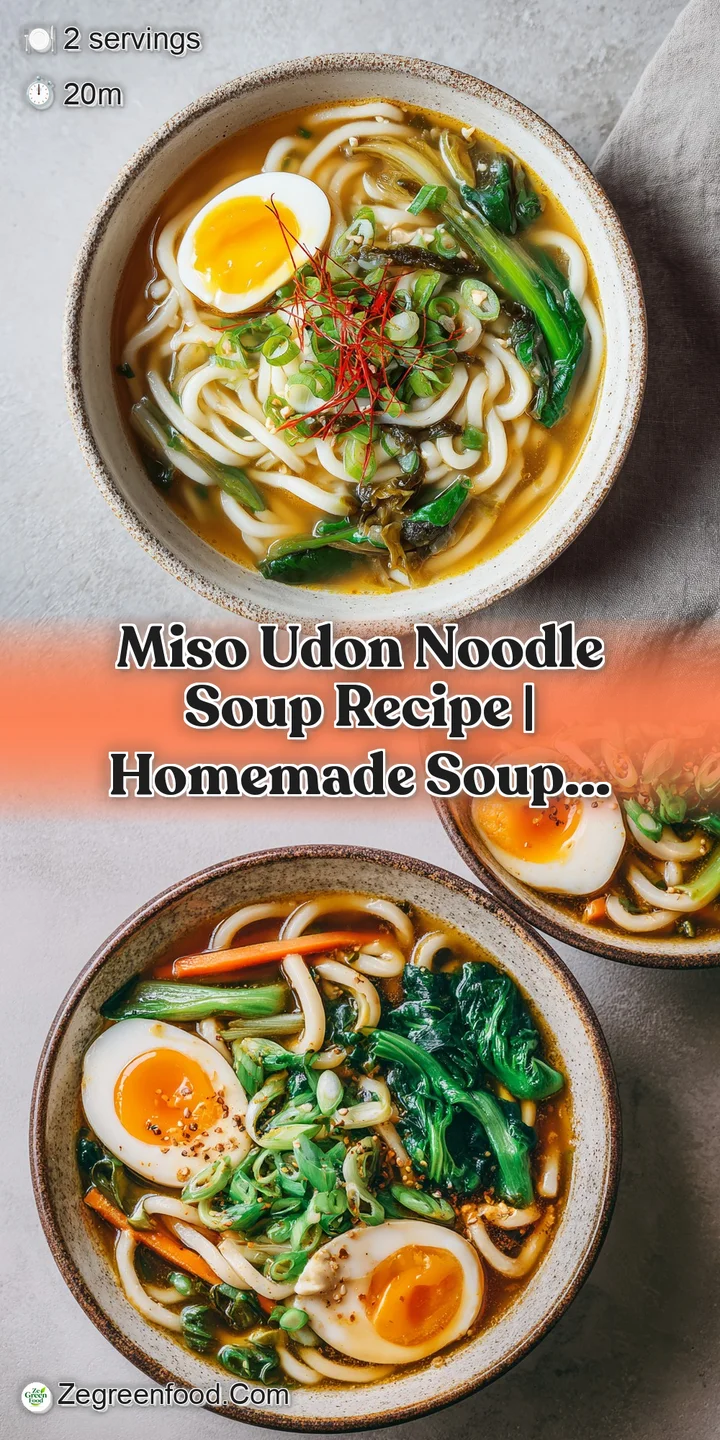
- Time: Active 10 minutes, Passive 10 minutes, Total 20 minutes
- Flavor/Texture Hook: Velvety umami broth with bouncy, supple noodles
- Perfect for: Weeknight comfort or a quick, nutrient dense lunch
- The Ultimate Warming Miso Udon Noodle Soup
- Why This Soup Hits Different
- Deep Dive Into Key Components
- Essential Elements for Your Bowl
- Essential Tools for Slurping Success
- Bringing Every Element Together Seamlessly
- Fixing Common Noodle Soup Hurdles
- Creative Twists and Easy Swaps
- Storing Your Leftover Noodle Soup
- Perfect Sides for Udon Bowls
- Common Kitchen Myths
- Critical High in Sodium
- Recipe FAQs
- 📝 Recipe Card
The Ultimate Warming Miso Udon Noodle Soup
Picture this: It's Tuesday, it's raining sideways, and you just got home feeling like a damp paper towel. I've been there more times than I can count. Last winter, I tried making a quick soup by just tossing miso into boiling water with some noodles, and honestly, it was a disaster.
The miso clumped, the noodles got gummy, and the whole thing tasted like salt water. It was a total "back to the drawing board" moment for me.
I spent the next few weeks obsessing over the contrast of textures. I wanted that silky, velvety broth you get at the tiny ramen shops, paired with the bouncy, thick chew of a proper udon noodle. After a dozen attempts, I realized the secret wasn't just the ingredients, but the order of operations.
You can't just boil everything together and hope for the best. You need to treat the miso like a delicate finishing touch, not a boiling base.
This miso udon noodle soup is the result of those messy experiments. We’re talking about tender, thinly sliced chicken that poaches right in the broth, crisp tender bok choy that still has a bit of snap, and a broth so deep in flavor you’ll swear it simmered for hours.
It’s the ultimate comfort food for my family, and I’ve finally simplified it so you can get it on the table in about 20 minutes flat.
Why This Soup Hits Different
- Enzymatic Preservation: By whisking the miso in at the very end off the heat, we keep the delicate probiotics and complex flavor compounds from breaking down in high heat.
- Starch Suspension: Using frozen udon ensures a better "slurp" because they are flash frozen at their peak texture, releasing just enough starch to slightly thicken the broth.
- Osmotic Balance: Thinly slicing the chicken allows it to cook in under 3 minutes, ensuring the fibers stay supple rather than tightening into rubbery chunks.
- Umami Synergy: Combining the guanylate from dried shiitakes with the glutamate in miso creates a flavor profile that feels much "meatier" than it actually is.
Quick Chicken Doneness Guide
| Thickness | Internal Temp | Rest Time | Visual Cue |
|---|---|---|---|
| Paper thin (shaved) | 165°F (74°C) | 1 minute | Opaque white throughout |
| 1/4 inch strips | 165°F (74°C) | 2 minutes | No pink when sliced |
| 1/2 inch chunks | 165°F (74°C) | 3 minutes | Firm to the touch |
Much like the layering technique I use in my Vegan Creamy Tomato recipe, building layers of flavor in a short time requires understanding how ingredients react to heat. For this noodle soup, we want the aromatics to sizzle just long enough to perfume the oil without turning bitter.
Deep Dive Into Key Components
| Ingredient | Science Role | Pro Secret |
|---|---|---|
| Shiro Miso | Primary Emulsifier | Never boil it; the graininess comes from overheated proteins. |
| Dried Shiitake | Glutamate Bomb | Rehydrate them directly in the broth to catch every drop of essence. |
| Frozen Udon | Structural Integrity | These have a higher moisture content than dried, giving that "shatter proof" chew. |
Essential Elements for Your Bowl
To get the best results, you'll want to gather these specific items. I always recommend using low sodium broth because the miso is already quite salty, and you want to be the one in control of the seasoning.
- 1.2 Liters low sodium chicken broth Why this? Provides a rich, savory foundation without being overly salty.
- 2 cloves garlic, microplaned Why this? Microplaning creates a paste that melts into the broth instantly.
- 15g fresh ginger, grated
- 4 dried shiitake mushrooms
- 15ml mirin Why this? Adds a subtle sweetness to balance the salty miso.
- 400g frozen udon noodles
- 200g chicken breast, thinly sliced
- 2 small heads baby bok choy, quartered
- 60g shiro miso paste
- 10ml toasted sesame oil
- 2 scallions, thinly sliced
- 1 tsp toasted sesame seeds
Smart Substitutions
| Original Ingredient | Substitute | Why It Works |
|---|---|---|
| Chicken Broth (1.2L) | Vegetable Broth (1.2L) | Keeps the savory base; use a mushroom heavy one for more depth. |
| Chicken Breast (200g) | Firm Tofu (200g) | Great protein swap. Note: Press the tofu first to keep it from diluting the soup. |
| Baby Bok Choy (2) | Spinach or Kale (2 cups) | Provides the necessary greens; kale needs 2 mins extra simmering. |
| Shiro Miso (60g) | Red Miso (45g) | Stronger, funkier flavor. Use 25% less as it is saltier. |
When making substitutions, keep in mind that the salt levels can fluctuate wildly. If you're swapping chicken for a plant based option, you might find inspiration in my Spicy Tofu Rice recipe which uses similar flavor profiles to make tofu really shine.
Essential Tools for Slurping Success
You don't need a kitchen full of gadgets for this, but a few specific tools make the process much smoother. I personally love using a heavy bottomed Dutch oven (like a Le Creuset) because it holds heat beautifully, ensuring the broth doesn't drop in temperature when you add the cold noodles.
- Large Pot or Dutch Oven: At least 4 quart capacity to allow the noodles room to "dance."
- Microplane Grinder: For the ginger and garlic. This is a game changer for texture.
- Fine Mesh Sieve or Miso Muddler: Essential for dissolving the miso paste without leaving salty clumps behind.
- Sharp Chef’s Knife: Necessary for getting those chicken slices paper thin.
Bringing Every Element Together Seamlessly
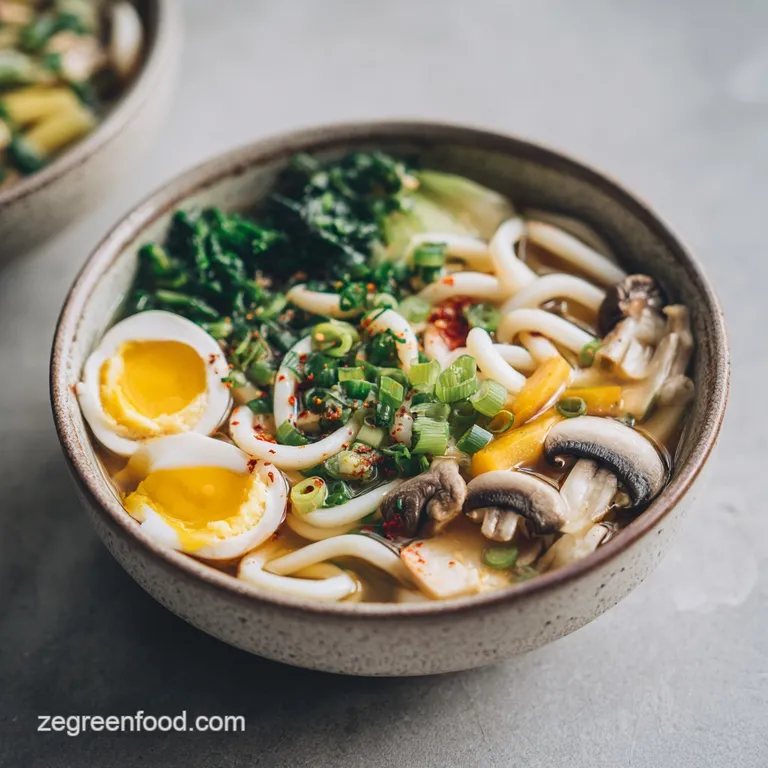
- Infuse the aromatics. Place the 1.2 Liters chicken broth in your pot along with the 2 microplaned garlic cloves, 15g grated ginger, and 4 dried shiitake mushrooms. Note: Starting cold helps the ginger and garlic infuse more deeply as the liquid heats up.
- Bring to a simmer. Turn the heat to medium high and wait for the first bubbles to break the surface. Cook for 5 minutes until the shiitakes are soft and the kitchen smells like a spa.
- Prep the mushrooms. Remove the shiitakes with tongs, slice off the tough stems, and thinly slice the caps. Return the sliced caps to the pot.
- Season the base. Stir in the 15ml mirin. Give it a quick taste; it should be savory with a whisper of sweetness.
- Poach the chicken. Add the 200g thinly sliced chicken breast to the simmering broth. Note: Spread the pieces out so they don't clump together into a single mass.
- Add the greens. Tumble in the 2 quartered baby bok choy heads. Simmer for 2 minutes until the chicken is opaque and the greens are bright.
- Cook the udon. Drop the 400g frozen udon noodles directly into the pot. Simmer for 2-3 minutes until the noodles unfurl and are tender but still bouncy.
- Temper the miso. Turn off the heat entirely. Take a ladleful of hot broth and put it in a small bowl with the 60g shiro miso paste. Whisk until perfectly smooth.
- The final swirl. Pour the miso slurry back into the main pot and stir gently. The broth should turn opaque and look slightly velvety.
- Garnish and serve. Ladle into deep bowls. Drizzle with 10ml toasted sesame oil and top with 2 sliced scallions and 1 tsp toasted sesame seeds.
Chef's Tip: If you have time, sear the chicken slices in a tiny bit of oil before adding the broth. It creates a Maillard reaction that adds a smoky depth, though poaching is faster and keeps the meat more tender.
Fixing Common Noodle Soup Hurdles
Even with a simple recipe, things can go sideways. The most common mistake I see is "boiling the life out of the miso." If your soup looks separated or grainy, it’s usually a heat issue.
Troubleshooting Your Broth
| Problem | Root Cause | Solution |
|---|---|---|
| Grainy broth texture | Miso was boiled | Whisk in a teaspoon of tahini or cream to help re emulsify the fats. |
| Mushy noodles | Overcooked | Use frozen udon next time; if already mushy, serve immediately and don't reheat. |
| Too much salt | Broth reduction | Add a splash of water or a pinch of sugar to dampen the salt's sharpness. |
Common Mistakes Checklist
- ✓ Never add miso to a rolling boil; always turn off the heat first.
- ✓ Don't skip the mirin; that tiny bit of sugar is what makes the savory flavors "pop."
- ✓ Use frozen udon over dried whenever possible for that authentic "squish" factor.
- ✓ Pat the chicken dry if you decide to sear it first to prevent steaming.
- ✓ Slice the scallions at a sharp angle; it doesn't change the taste, but it makes the bowl look professional.
Creative Twists and Easy Swaps
Once you've mastered the basic miso udon noodle soup, you can start playing with the "contrasts" that make this dish fun. I love adding something spicy against the creamy miso base.
Igniting a Spicy Miso Udon Noodle Soup
If you like a bit of heat, whisk a tablespoon of Gochujang (Korean chili paste) or some chili crisp into the broth along with the miso. The fermented heat of the chili pairs perfectly with the salty miso. You can even top it with a soft boiled egg for extra richness.
Mastering the Vegetarian Miso Udon Soup Recipe
Swap the chicken broth for a rich kombu dashi or a mushroom broth. Instead of chicken, use 200g of cubed firm tofu or even some roasted cauliflower. If you're looking for more plant based inspiration, the flavor profile here is quite similar to my Vegan Pad Thai recipe.
Crafting a Creamy Miso Udon Soup Recipe
For a truly decadent version, replace 100ml of the broth with unsweetened soy milk or coconut milk at the very end. It gives the soup a "latte like" consistency that is incredibly comforting on a winter night.
Stovetop vs. Oven Approach
| Method | Time | Texture | Best For |
|---|---|---|---|
| Stovetop (Standard) | 20 minutes | Tender, poached chicken | Maximum speed and ease. |
| Oven (Hybrid) | 35 minutes | Roasted, crispy chicken | When you want deep roasted flavors. |
Storing Your Leftover Noodle Soup
Honestly, udon is best eaten immediately. The noodles are like little sponges; the longer they sit in the broth, the more liquid they drink, eventually turning into a soggy mess.
- Storage
- If you know you'll have leftovers, store the broth and the noodles in separate containers. The broth will keep in the fridge for up to 4 days.
- Freezing
- You can freeze the broth (without the miso) for up to 3 months. I don't recommend freezing the cooked noodles or the miso infused broth, as the texture and flavor will degrade.
- Reheating
- Heat the broth on the stove until just simmering, turn off the heat, then add your noodles and whisk in fresh miso.
Zero Waste Tip: Don't throw away those shiitake stems! Even though they're too woody to eat, throw them into a freezer bag. Once you have a few, you can boil them with water and veggie scraps to make a phenomenal "scrap broth" for your next soup.
Perfect Sides for Udon Bowls
While this soup is a complete meal on its own, I love serving it with a few simple sides to create a full spread. A simple smashed cucumber salad with rice vinegar and chili flakes provides a bright, acidic contrast to the rich miso.
If you're feeling adventurous, a side of crispy gyoza or even some simple edamame with sea salt works beautifully. The goal is to have something crunchy to balance the soft, chewy texture of the udon.
Common Kitchen Myths
Myth: You must soak frozen udon before cooking. Actually, you don't! Adding them directly to the simmering broth is better. The heat of the broth thaws them perfectly, and they absorb more flavor than if they were pre soaked in plain water.
Myth: Miso is just for salt. Miso is actually a complex living food. It provides "kokumi," which is a Japanese term for "heartiness" or "mouth fullness." It’s what makes a thin broth feel like a substantial meal.
Myth: Udon and Ramen are interchangeable. Not quite! Ramen noodles contain "kansui" (alkaline water) which gives them a yellow tint and a firm, springy snap. Udon is made from wheat and water, resulting in a much thicker, softer, and more "pillowy" chew.
They behave very differently in broth, so stick to udon for this specific recipe!
Critical High in Sodium
1745 mg 1745 mg of sodium per serving (76% 76% of daily value)
The American Heart Association recommends limiting sodium intake to about 2,300mg per day.
Tips to Reduce Sodium in Your Udon Soup
-
Broth Replacement-30%
Even low-sodium broth can contribute a significant amount of sodium. Replace it with homemade broth (no salt added), or a very low sodium bouillon cube diluted in water. Check the label to be sure it is a very low sodium option.
-
Miso Minimization-20%
Shiro miso paste is a significant source of sodium. Reduce the amount of miso paste used, starting with half the amount and adjusting to taste or substitute with a very small amount of fish sauce or soy sauce.
-
Noodle Check-10%
While the recipe calls for frozen udon noodles, some brands contain added salt. Check the nutrition label and opt for udon noodles with the lowest sodium content available, or consider rinsing the noodles before adding them to the soup to wash away excess salt.
-
Chicken Preparation-10%
Ensure that the chicken breast is not pre-seasoned or injected with a sodium solution. Use fresh, unprocessed chicken breast to control the sodium content.
-
Mushroom Selection-5%
Dried shiitake mushrooms are a great way to add flavor; however, fresh shiitake mushrooms are a great low sodium alternative.
-
Flavor Boost
Enhance the flavor with fresh herbs and spices like extra ginger, garlic, and a squeeze of lemon or lime juice. These additions can reduce the need for salt.
Recipe FAQs
Can I use red miso instead of shiro (white) miso paste?
Yes, but adjust the amount. Red miso is stronger and saltier, so use about 25% less than the recipe calls for to avoid an overly salty broth.
How to prevent the miso paste from clumping in the soup?
Temper the miso first, off the heat. Ladle some hot broth into a separate bowl with the miso and whisk until completely smooth before gently stirring the slurry back into the main pot.
Should I boil the broth after adding the miso paste?
No, never boil miso. Boiling destroys the delicate probiotics and dulls the complex umami flavor compounds, leaving you with a grainy, overly salty liquid.
What is the best way to slice the chicken breast thinly?
Partially freeze the chicken for 30 minutes, then slice across the grain. This firms the meat, allowing for paper thin, uniform cuts that poach quickly and stay tender, similar to the technique used for searing proteins in our Healthy Bibimbap Recipe.
Is it true that frozen udon noodles are superior to dried ones for this soup?
Yes, frozen udon is recommended. They are flash frozen at their peak texture, releasing just the right amount of starch to slightly thicken the broth while maintaining a superior, bouncy chew.
How long can I store leftover miso broth safely?
Store the broth separately for up to 4 days in the refrigerator. Udon noodles absorb too much liquid and become mushy upon storage, so only add noodles to what you plan to eat immediately.
How can I make this soup vegetarian or vegan?
Substitute chicken broth with mushroom or kombu dashi. For the protein, use pressed, cubed tofu or hearty vegetables like shiitake caps, as demonstrated in principles used for our Vegan Lasagna Recipe.
Miso Udon Noodle Soup
Ingredients:
Instructions:
Nutrition Facts:
| Calories | 588 kcal |
|---|---|
| Protein | 42.4 g |
| Fat | 11.8 g |
| Carbs | 78.2 g |
| Fiber | 4.6 g |
| Sugar | 6.1 g |
| Sodium | 1745 mg |
