Vegan Pad Thai with Tofu: Quick & Tangy
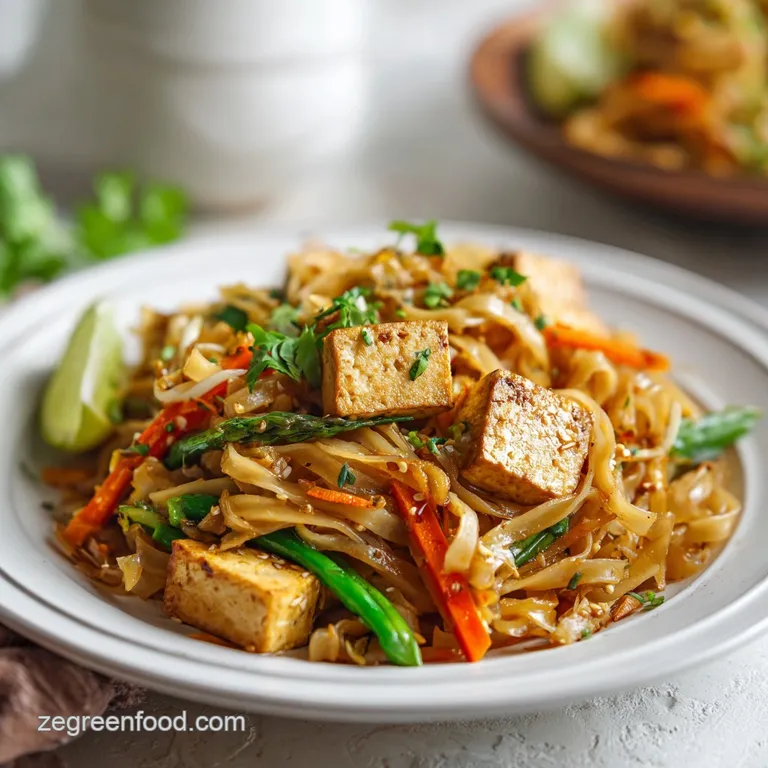
- Time: Active 10 mins, Passive 15 mins, Total 25 mins
- Flavor/Texture Hook: Tangy, umami rich noodles with golden, shatter crisp tofu
- Perfect for: Busy weeknights when you crave takeout quality in under half an hour
- Create the 15 Minute Vegan Pad Thai with Tofu
- Why This Flavor Layering Works
- Component Analysis for Successful Results
- Components for the Perfect Balance
- Tools for High Heat Success
- Master the Stir Fry Technique
- Solving Your Texture Struggles
- Swaps for Every Pantry
- Keeping Your Leftovers Fresh
- Garnishing for That Final Pop
- High in Sodium
- Recipe FAQs
- 📝 Recipe Card
Create the 15 Minute Vegan Pad Thai with Tofu
Picture this: the kitchen is filled with the sharp, mouth watering scent of frying garlic and the deep, caramel like aroma of coconut sugar hitting a hot pan. You hear that rhythmic sizzle as the tofu cubes bounce around the wok, turning a beautiful golden brown.
I remember the first time I tried making this at home; I was so intimidated by the balance of flavors that I ended up with a soggy, grey pile of noodles. It was a disaster, but it taught me that the secret isn't in a long list of ingredients, it's in the timing and the heat.
Whip up this delicious 15 Minute Vegan Pad Thai with Tofu for a quick and easy plant based dinner.
We've all been there, staring at a takeout menu because the idea of balancing sweet, sour, and salty feels like a chemistry experiment. But honestly, once you understand how the tamarind plays with the lime and the sugar, it's like a lightbulb goes off. You'll never go back to the bottled stuff again.
This version is my absolute favorite because it doesn't try to be anything other than a really solid, comforting bowl of food that satisfies those deep cravings.
Right then, let's talk about what makes this specific recipe work. We aren't just tossing things in a pan and hoping for the best. We're building layers of flavor, starting with the aromatics and ending with the fresh, bright crunch of sprouts and peanuts.
You're going to get that velvety sauce that clings to the noodles without making them heavy. It's a game of textures, and we're going to win it together.
Why This Flavor Layering Works
- Starch Gelatinization Control: Soaking the noodles in hot (not boiling) water allows the starch to hydrate slowly, which prevents them from becoming a gummy mess when they hit the sauce.
- Acid Base Balancing: The tartness of the tamarind paste breaks down the proteins in the tofu slightly, allowing the interior to stay tender while the outside sears.
- The Maillard Reaction: Using coconut sugar provides a lower caramelization point than white sugar, giving the sauce a rich, dark color and a complex smoky sweetness quickly.
- Emulsification Stability: Miso paste acts as a natural emulsifier, helping the oil and the water based tamarind sauce bind together into a silky coating for the rice noodles.
| Method | Time | Texture | Best For |
|---|---|---|---|
| Stovetop Wok | 10 mins | Crispy edges, chewy center | Traditional smoky flavor and speed |
| oven-roasted Tofu | 25 mins | Uniformly firm and meaty | Hands off prep and lower oil content |
| Air Fryer Tofu | 15 mins | Extra "shatter" crunch | Maximum texture contrast in the dish |
If you are craving more plant based comfort, my Cauliflower Alfredo Sauce recipe is another weeknight winner that uses science backed techniques to get that creamy feel without the dairy.
Component Analysis for Successful Results
| Ingredient | Science Role | Pro Secret |
|---|---|---|
| Tamarind Paste | Provides the essential tartness (tartaric acid) | Use "concentrate" rather than "pulp" to avoid straining seeds in a 15 minute window. |
| Extra Firm Tofu | Absorbs the sauce like a sponge after pressing | Freeze and thaw your tofu once before using to create "micro pockets" that hold more sauce. |
| Flat Rice Noodles | Structural base and sauce carrier | Never boil them; a 15 minute soak in hot tap water keeps the "chew" perfectly intact. |
Selecting the right noodles is half the battle when making a Vegan Pad Thai with Tofu. Look for "medium width" on the package, which is roughly the size of linguine. These have enough surface area to grab the sauce but aren't so thick that they take forever to soften.
If you find your noodles are still too firm after soaking, don't worry the steam from the wok during the final toss will do the rest of the work.
For those nights when you want a different kick, this Spicy Tofu Rice recipe hits the spot and uses a similar searing technique to get that perfect tofu crust we all love.
Components for the Perfect Balance
- 8 oz flat rice noodles, medium width: Why this? They provide the classic chewy texture that defines the traditional street food experience.
- Sub: Thin rice vermicelli (Note: reduce soaking time to 5 mins).
- 14 oz extra firm tofu, pressed and cubed: Why this? High protein content ensures it holds its shape during vigorous stir frying.
- Sub: Tempeh for a nuttier, more fermented flavor profile.
- 4 tbsp tamarind paste concentrate: Why this? This is the soul of the dish, providing the signature tangy "zing".
- Sub: A mix of lime juice and brown sugar (though it lacks the deep fruitiness).
- 4 tbsp coconut sugar: Why this? Adds a deep, caramel like sweetness that balances the acidic tamarind.
- Sub: Maple syrup (note: this will make the sauce slightly thinner).
- 3 tbsp low sodium tamari or soy sauce: Why this? Provides the salt and umami base that replaces traditional fish sauce.
- Sub: Liquid aminos for a soy free ish alternative.
- 1 tbsp fresh lime juice: Why this? Adds a bright, top note acidity to finish the flavor profile.
- Sub: Rice vinegar (use slightly less as it is more sharp).
- 1 tsp sriracha or chili flakes: Why this? Provides a gentle back of-the throat heat to cut through the sweetness.
- Sub: Sambal Oelek for a more garlic forward heat.
- 1 tsp miso paste: Why this? Adds the fermented "funk" usually provided by dried shrimp or fish sauce.
- Sub: Extra pinch of salt and a dash of nutritional yeast.
- 2 tbsp neutral oil: Why this? High smoke point allows for the necessary over high heat searing.
- Sub: Refined coconut oil (will add a slight tropical scent).
- 3 cloves garlic, minced: Why this? Essential aromatic base for any stir fry.
- Sub: 1 tsp garlic powder (added to the sauce instead of the oil).
- 1 large shallot, finely diced: Why this? Sweeter and more delicate than onions, it melts into the sauce.
- Sub: The white parts of the green onions.
- 1 cup fresh bean sprouts: Why this? Adds a watery, refreshing crunch that contrasts the soft noodles.
- Sub: Shredded cabbage or matchstick carrots.
- 3 green onions, cut into 2 inch batons: Why this? Provides a mild onion bite and vibrant green color.
- Sub: Chives or garlic chives.
- 1/4 cup roasted peanuts, crushed: Why this? Adds essential fat and a satisfying "crunch" factor.
- Sub: Toasted sunflower seeds for a nut free option.
- Fresh cilantro and lime wedges: Why this? These garnishes provide the final hit of freshness and acid.
- Sub: Thai basil for a more peppery, herbal finish.
Tools for High Heat Success
You don't need a professional kitchen, but a carbon steel wok is a life changer for this recipe. It heats up and cools down instantly, which gives you total control. If you don't have one, a large heavy bottomed stainless steel or cast iron skillet works too.
Just avoid non stick pans if you can; they can't handle the high heat required to get those crispy edges on the tofu without ruining the coating.
Chef Tip: Freeze your block of tofu for 10 minutes before slicing. This firms up the moisture inside, making it much easier to cut into perfect, clean 1/2 inch cubes that won't crumble in the pan.
Another trick I swear by is using a pair of long wooden chopsticks or a wide silicone spatula for tossing. Metal tongs tend to tear the delicate rice noodles, turning your beautiful Pad Thai with Tofu into a shredded mess. We want long, elegant strands that you can twirl around a fork.
When I'm feeding a crowd, I usually pivot to my Vegan Lasagna Recipe for a hands off oven bake, but for a solo dinner or a quick date night, the wok is my best friend.
Master the Stir Fry Technique
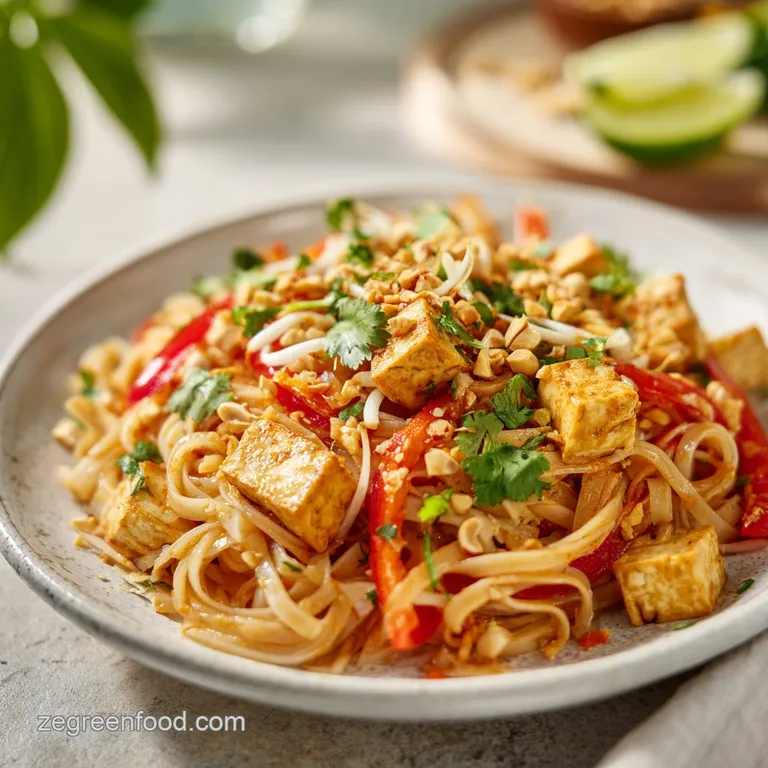
Phase 1: Noodle Prep and Sauce Emulsion
Place your 8 oz of rice noodles in a large heat proof bowl and cover them with hot tap water. Note: Using boiling water will cook them too fast and make them mushy later. Let them sit for 15 minutes until they are flexible but still have a firm bite.
While the noodles soak, whisk together the tamarind paste, coconut sugar, tamari, lime juice, sriracha, and miso paste in a small jar. Shake it vigorously until the sugar has completely dissolved and the sauce is a smooth, dark mahogany color.
Phase 2: Searing the Tofu
Heat 1 tbsp of oil in your wok over medium high heat. Add the cubed tofu in a single layer. Note: Don't move them for at least 2 minutes to allow a crust to form. Fry for about 5 minutes, tossing occasionally until all sides are golden brown and the edges feel slightly tough.
Remove the tofu from the pan and set it aside on a plate; this keeps it from getting soggy when we add the liquids.
Phase 3: The over High heat Flash Fry
Wipe out the wok if there are burnt bits, then add the remaining 1 tbsp of oil. Toss in the minced garlic and shallots. Stir fry for 30 seconds until the aroma hits your nose and the shallots turn translucent. Immediately add the drained noodles to the pan. They might stick at first, but don't panic.
Pour the prepared sauce over the noodles and toss quickly.
Phase 4: The Final Toss
Add the seared tofu back into the wok along with the bean sprouts and green onion batons. Stir fry for another 2 minutes until the noodles have absorbed most of the sauce and are glistening. You'll know it's ready when the sprouts have slightly wilted but still look bright and fresh.
Kill the heat and throw in half of the crushed peanuts.
Phase 5: The Presentation
Plate the noodles immediately while they are steaming hot. Top with the remaining peanuts, fresh cilantro, and a generous squeeze of lime. Serve with extra chili flakes on the side for those who like to sweat.
Solving Your Texture Struggles
Why Your Noodles are Clumpy
If you find your noodles have turned into a giant, inseparable ball, it's usually because they were over hydrated or the pan wasn't hot enough. When rice starch is heated slowly with moisture, it becomes sticky. We want to flash fry them so the sauce coats the outside before the starch can leach out.
| Problem | Root Cause | Solution |
|---|---|---|
| Mushy Noodles | Soaked in boiling water or cooked too long in the wok. | Soak in warm water only; add to wok last to minimize heat time. |
| Bland Sauce | Not enough salt or acid to balance the sugar. | Add an extra teaspoon of tamari or a splash of lime juice at the end. |
| Soggy Tofu | Too much moisture left in the block before frying. | Press tofu for 20 mins between heavy plates and paper towels before cubing. |
Common Mistakes Checklist
- ✓ Never skip pressing the tofu; even "extra firm" holds a surprising amount of water.
- ✓ Don't overcrowd the pan; if you're doubling the recipe, fry the tofu in two batches.
- ✓ Prepare every single ingredient before you turn on the stove stir frying happens fast!
- ✓ Drain the noodles thoroughly; excess soaking water will steam the dish instead of frying it.
- ✓ Use a neutral oil with a high smoke point; olive oil will burn and taste bitter here.
Swaps for Every Pantry
If you want to scale this recipe down for a solo lunch, simply halve all the measurements. You can use a smaller 8 inch skillet, but keep the heat high. For scaling up to feed 8 people, I highly recommend working in two separate batches.
Doubling the ingredients in one wok usually results in the temperature dropping too low, which leads to the dreaded "boiled noodle" effect rather than a proper stir fry.
| Original Ingredient | Substitute | Why It Works |
|---|---|---|
| Tamarind Paste | Lime Juice + Brown Sugar | Mimics the sweet/sour balance. Note: Lacks the depth and dark color of tamarind. |
| Rice Noodles | Linguine or Soba | Similar shape and surface area. Note: Changes the dish to a fusion style pasta. |
| Peanuts | Toasted Almonds | Provides a similar fat content and crunch. Note: Sweeter and less "earthy" than peanuts. |
For a lower carb version, you can swap half of the rice noodles for spiralized zucchini or "zoodles." Just add them in the last 30 seconds of cooking so they stay crisp and don't release too much water into your beautiful sauce.
Keeping Your Leftovers Fresh
Storage: Store any leftovers in an airtight container in the fridge for up to 3 days. Be aware that rice noodles will continue to absorb the sauce as they sit, so they might be a bit drier the next day.
I don't recommend freezing this dish; the noodles lose their structural integrity and become quite grainy once thawed.
Zero Waste: Don't toss those cilantro stems! They actually hold more flavor than the leaves. Finely mince them and add them to the wok along with the garlic and shallots to infuse the oil with an incredible herbal depth.
If you have leftover bean sprouts that are looking a bit sad, throw them into a quick soup or a smoothie for a nutrient boost they don't have to be perfectly crunchy to be healthy.
Garnishing for That Final Pop
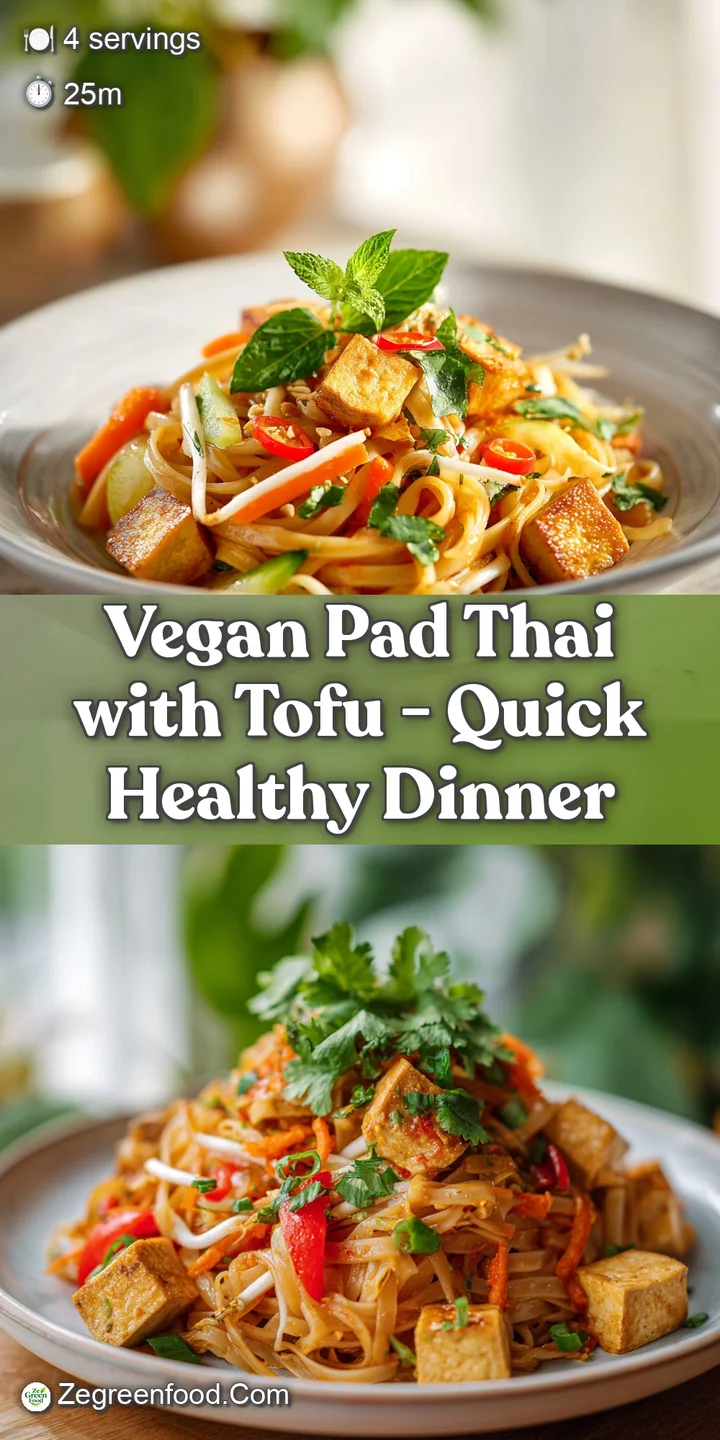
Presentation is everything with a Vegan Pad Thai with Tofu. I love to serve this on a dark ceramic plate to make the orange tinted noodles and bright green onions really stand out. Don't just dump the peanuts on top; sprinkle them from a height for even distribution.
A wedge of lime isn't just a garnish it's a tool. Instruct your guests to squeeze it over the dish right before the first bite to wake up all those heavy, umami flavors.
If you have some extra time, quick pickled thin slices of red radish or cucumber can add a cool, vinegary element that feels very "chef y." It’s these tiny details the crunch of a peanut, the hit of lime, the heat of the chili that transform a simple 15 minute meal into something that feels like a celebration of flavor layers.
Enjoy every bite!
High in Sodium
895 mg mg of sodium per serving (39% % of daily value)
The American Heart Association recommends limiting sodium intake to no more than 2,300mg per day for most adults. Ideally, aiming for 1,500mg per day is even better for heart health.
Tips to Reduce Sodium in Your Pad Thai
-
Reduce Tamari/Soy Sauce-20%
Start by using only 2 tablespoons of low-sodium tamari or soy sauce, instead of 3. You can always add more to taste, but it's easier to start with less and control the sodium content. Every little bit counts!
-
Low-Sodium Miso-15%
Miso paste contributes to the overall sodium content. Look for a 'low-sodium' or 'reduced sodium' miso paste option to use in the recipe. This simple swap can make a difference.
-
Control Sriracha/Chili Flakes-10%
Sriracha and chili flakes, while adding flavor, can also add sodium. Use them sparingly, or consider alternatives like a pinch of cayenne pepper for heat. Taste as you go!
-
Lime Power-5%
Increase the fresh lime juice to 2 tablespoons to enhance the tangy flavor. This can help to balance the dish and reduce the need for more sodium heavy ingredients. Citrus is your friend!
-
Flavor Boost
Experiment with sodium free herbs and spices like garlic powder, onion powder, ginger, or white pepper to enhance the flavor of your Pad Thai without adding sodium. Get creative!
Recipe FAQs
Is it necessary to press the tofu before using it in Pad Thai?
Yes, pressing is essential. Tofu must release excess water so it can absorb the sauce and achieve a firm, chewy texture when fried.
How can I prevent the rice noodles from becoming sticky or mushy?
Soak the noodles in hot tap water for 15 minutes until flexible. Never boil them; the final cooking step in the wok absorbs the sauce without over hydrating the starch.
What is the best substitute for tamarind paste if I don't have any on hand?
Combine lime juice and brown sugar. This mimics the sweet sour balance, but you will lose the deep, fruity undertones inherent to true tamarind.
How do I achieve the authentic smoky flavor without a traditional high heat wok?
Use a heavy bottomed cast iron skillet over the highest possible heat setting. Mastering temperature control is key; if you enjoyed controlling cookie spread here, see how the same principle applies to managing heat transfer in your skillet for a proper sear.
Can I use maple syrup instead of coconut sugar in the sauce?
Yes, you can substitute maple syrup. Be aware that maple syrup is thinner than coconut sugar, which may result in a slightly less clinging sauce unless you cook it down for an extra minute.
How long can I safely store leftovers of this Vegan Pad Thai with Tofu?
Store leftovers airtight in the refrigerator for up to three days. The noodles will continue to soak up residual sauce, making them drier on day two, so a splash of water or lime juice during reheating helps.
What can I use instead of peanuts for a nut-free topping?
Use toasted sunflower or pumpkin seeds. These provide the essential crunchy texture and healthy fats that balance the soft noodles, similar to how we build flavor contrast in the [Vegan Lentil Soup recipe].
Vegan Pad Thai With Crispy Tofu
Ingredients:
Instructions:
Nutrition Facts:
| Calories | 482 calories |
|---|---|
| Protein | 14.2 g |
| Fat | 17.8 g |
| Carbs | 61 g |
| Fiber | 4.8 g |
| Sugar | 14.1 g |
| Sodium | 895 mg |
