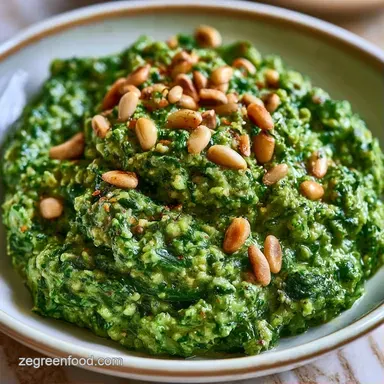
Easy Garlic Scape Pesto in 10 Minutes

- Time: 10 min active + 0 min chilling
- Flavor/Texture Hook: Sharp, grassy, and glossy
- Perfect for: Spring meal prep, pasta nights, or a bold sandwich spread
The scent of crushed garlic scapes is like a punch of spring. It's that sharp, green aroma that fills the kitchen the second the blades hit the stalks. In many home gardens, pruning these curly stems is a ritual.
If you don't cut them, the garlic bulb stays small, so gardeners end up with piles of these greens, leading to the tradition of turning them into a bright, punchy sauce.
I remember the first time I tried this. I had a mountain of scapes from a neighbor and didn't know what to do with them. I tried sautéing them, but they felt too fibrous. Once I pulsed them into a pesto, everything clicked.
This Easy Garlic Scape Pesto is a great way to use up a seasonal glut. It's faster than traditional pesto because you don't need as much basil, and the flavor is more assertive. You can expect a sauce that's vibrantly green and tastes like a concentrated version of a garden.
Easy Garlic Scape Pesto
Right then, let's get into why this works. Pesto is basically a cold emulsion. You're forcing fats and solids to bond without using heat.
Cold Binding: Adding oil slowly while the processor runs prevents the sauce from splitting. Acid Balance: Lemon juice cuts through the heavy fats of the pine nuts and cheese.
| Fresh Scapes | Jarred Garlic | Impact | Best For |
|---|---|---|---|
| Bright, grassy | Pungent, sharp | Fresh is milder | Seasonal cooking |
| Fibrous texture | Smooth paste | Fresh adds body | Rustic sauces |
| High vitamin C | Lower nutrients | Fresh is healthier | Fresh meals |
Ingredient Deep Dive
Every part of this recipe serves a purpose. If you change one, the balance shifts.
| Ingredient | What It Does | Best Swap |
|---|---|---|
| Garlic Scapes | Provides the pungent, green base | Roasted garlic (milder) |
| Pine Nuts | Adds creamy fat and richness | Walnuts or Pistachios |
| Parmesan | Gives a salty, umami kick | Pecorino Romano |
| Lemon Juice | Brightens the flavor and keeps color | White wine vinegar |
The Shopping List
Grab these items before you start. I suggest using a high-quality extra virgin olive oil since you can really taste it here.
- 2 cups (60g) garlic scapes, trimmed and roughly chopped Why this? These are the edible flower stalks of garlic
- ½ cup (15g) fresh basil leaves, packed Why this? Adds the classic pesto sweetness
- ⅓ cup (45g) pine nuts or walnuts, lightly toasted Why this? Toasting brings out a nutty aroma
- ½ cup (50g) grated Parmesan cheese Why this? Adds salt and structure
- 2 tbsp (30ml) fresh lemon juice Why this? Keeps the sauce from oxidizing
- ½ tsp (3g) fine sea salt
- ¼ tsp (1g) freshly cracked black pepper
- ½ cup (120ml) extra virgin olive oil Why this? Creates the smooth emulsion
Essential Kitchen Gear
You don't need much, but a food processor is non negotiable here. Using a mortar and pestle for scapes is a workout I don't recommend unless you have an hour to spare.
- Food processor (a Cuisinart or Ninja works great)
- Small skillet (for toasting nuts)
- Measuring cups and spoons
- Rubber spatula
Making the Pesto
Follow these steps closely. The order of ingredients matters to ensure the texture stays consistent.
- Trim the flower buds and the woody bottom inch off the garlic scapes. Roughly chop the stalks into 1 inch pieces Note: This prevents the blades from clogging.
- Place the chopped scapes, toasted nuts, and basil into the food processor. Pulse 5-8 times until the mixture is coarsely minced.
- While the processor is running on low, slowly drizzle in the olive oil in a steady stream until you see a glossy, thick emulsion.
- Add the Parmesan cheese, lemon juice, salt, and pepper. Pulse 2-3 more times just until combined, stopping immediately to avoid heating the pesto.
Chef Note: To get the best flavor, toast your pine nuts in a dry pan for 3 minutes. Watch them closely, as they go from golden to burnt in seconds.
Fixes for Common Issues

Even with a simple recipe, things can go sideways. Most issues come down to the oil or the processing time.
Troubleshooting Common Issues
| Issue | Solution |
|---|---|
| Why Your Pesto Separated | If the oil is floating on top, the emulsion broke. This usually happens if the oil was poured in too fast. You can fix this by adding a teaspoon of warm water and pulsing again. |
| Why Your Pesto is Bitter | Over processing the basil can cause it to bruise and release bitter notes. Always pulse instead of running the machine continuously. According to Serious Eats by swapping the Parmesan for nutritional yeast. The yeast provides a similar nutty, salty flavor without the cow's milk. |
If you want something different, try a Roasted Garlic Scape Pesto. Toss the scapes in oil and roast them at 400°F (200°C) for 10 minutes before blending. This removes the raw bite and creates a mellow, sweet sauce.
You can also skip the basil entirely for a more focused Green Garlic Pesto Recipe.
Adjusting the Batch Size
Depending on how many scapes you have, you might need to change the volume.
Scaling Down (½ batch): Use 1 cup of scapes and ¼ cup of oil. Since the food processor blades might not reach the bottom of the bowl with a small amount, use a rubber spatula to scrape the sides every 30 seconds.
Scaling Up (2x batch): Double the scapes and nuts, but only increase the salt and pepper by 1.5x. Too much salt in a large batch can become overwhelming. Work in two batches if your processor is small to avoid over processing the bottom layer.
| Servings | Scapes | Olive Oil | Parmesan |
|---|---|---|---|
| 8 (Half) | 1 cup | ¼ cup | ¼ cup |
| 16 (Standard) | 2 cups | ½ cup | ½ cup |
| 32 (Double) | 4 cups | 1 cup | 1 cup |
Pesto Myths
There is a common idea that you must blanch the scapes first to keep the green color. This is a myth for this specific recipe. The lemon juice provides enough acidity to maintain the brightness without boiling away the fresh, raw flavor.
Another myth is that you should add the cheese at the start. Actually, adding cheese too early can make the pesto grainy. Adding it at the end preserves the texture.
Storage and Scraps
To keep your Easy Garlic Scape Pesto fresh, store it in a glass jar. Pour a thin layer of olive oil over the top to seal out the air. This prevents the top layer from turning brown.
Fridge: Keeps for 5-7 days. Freezer: Lasts 6 months.
I recommend freezing the pesto in ice cube trays. Once frozen, pop the cubes into a freezer bag. You can drop a single cube into a hot pan for a quick sauce during the winter.
For zero waste, don't throw away the woody bottom inch of the scapes. Toss them into your veggie stock pot. They add a subtle garlic depth to your homemade broths.
Great Ways to Serve
This sauce is versatile. While pasta is the obvious choice, it works as a spread for toasted sourdough or a dip for raw carrots.
If you're looking for a full meal, try a Simple Vegan Pesto Pasta using this as your base. It also works as a marinade for grilled chicken or shrimp.
For a summer lunch, stir a few spoonfuls into cooked chilled pasta with cherry tomatoes and fresh mozzarella for a Garlic Scape Pesto Pasta Salad. The acidity of the lemon in the sauce makes it hold up well in a cold salad.
Recipe FAQs
How do you make pesto from garlic scapes?
Pulse trimmed scapes, toasted nuts, and basil, then emulsify with olive oil. Add Parmesan, lemon juice, salt, and pepper last, pulsing briefly to avoid heating the pesto.
Why is my garlic scape pesto bitter?
Over-processing the basil causes it to bruise and release bitter notes. Always use the pulse setting instead of running the food processor continuously.
How to cut garlic scapes for pesto?
Trim the flower buds and the woody bottom inch off the stalks. Roughly chop the remaining scapes into 1-inch pieces to ensure the processor blades grab the fibers without clogging.
Do you cut the green part out of garlic scapes before using them?
No, the green stalks are the main ingredient. You only need to discard the flower buds and the very bottom woody section.
How much of the garlic scape do you use for pesto?
Use two cups of trimmed and chopped scapes. This amount balances the potent garlic flavor with the basil and Parmesan cheese.
Can you use garlic scapes instead of green onions?
Yes, but they have a much more intense garlic flavor. They provide a similar crunch, and if you enjoy this bold profile, you can use them in a vegan pasta salad.
Is pesto ok for diabetics?
Yes, it is generally a diabetic-friendly condiment. It is low in sugar and contains healthy fats from olive oil and pine nuts that help manage glycemic response.
Easy Garlic Scape Pesto in 10 Minutes