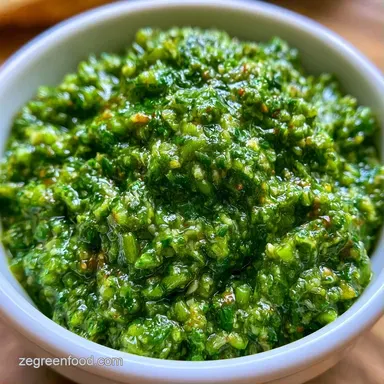
Nut Free Garlic Scape Pesto: Zesty and Bold

- Time: 10 min active + 0 min chilling
- Flavor/Texture Hook: Zesty, punchy, and velvety
- Perfect for: Quick weeknight pastas or a bold sandwich spread
- Easy Homemade Garlic Scape Pesto
- Why This Pesto Hits Different
- What Each Ingredient Does
- The Pesto Ingredient List
- Tools for the Job
- Making Your Garlic Scape Pesto
- Tips for Better Results
- Ways to Switch Ingredients
- Pesto Troubleshooting
- Adjusting the Batch Size
- Truths About Scape Pesto
- Storage and Freshness Tips
- Best Ways to Serve
- Recipe FAQs
- 📝 Recipe Card
The smell of a garden in late spring is something else, but the real prize is when those curly, green garlic scapes finally pop up. In many Italian farming traditions, these stalks are seen as a gift.
They aren't just "waste" from the garlic bulb; they're a seasonal delicacy that tastes like a mellow, greener version of garlic. I remember the first time I saw a neighbor with a bundle of these, and I had no idea what they were until I tasted one raw.
It's a bright, punchy flavor that makes traditional basil pesto feel a bit quiet by comparison. This Garlic Scape Pesto captures that fleeting window of spring. It's the kind of condiment that makes a boring piece of toast feel like a meal.
You can expect a sauce that is vivid green and deeply savory. Since we're skipping the traditional pine nuts, it's a great Nut Free Scape Pesto that doesn't sacrifice the richness you want in a classic sauce.
Easy Homemade Garlic Scape Pesto
Whether you grow your own or find them at a farmer's market, the goal is to keep that fresh, "just picked" zing. I've found that the balance between the sharp scapes and the salty Parmesan creates a contrast that is hard to beat. It's a bright, rich experience that works across so many different dishes.
If you're used to traditional pesto, this one will feel a bit more daring. It's bolder and has a slight peppery edge. But once you try it on a warm piece of sourdough, you'll probably never go back to the basic version.
Why This Pesto Hits Different
Seed Base: Using sunflower or pumpkin seeds provides the necessary fats for a smooth emulsion without the overpowering piney taste of nuts.
Acid Balance: The lemon juice prevents the garlic from tasting too "heavy" and keeps the green color vibrant.
| Method | Time | Texture | Best For |
|---|---|---|---|
| Food Processor | 10 mins | Smooth & Uniform | Quick meals, spreading |
| Mortar & Pestle | 25 mins | Chunky & Rustic | Artisanal toast, pasta |
What Each Ingredient Does
| Ingredient | What It Does | Best Swap |
|---|---|---|
| Garlic Scapes | Provides the main savory, garlic onion base | Green onions (milder) |
| Sunflower Seeds | Adds creaminess and structure | Pumpkin seeds (earthier) |
| Parmesan | Adds salty, umami depth | Pecorino Romano (saltier) |
| Olive Oil | Creates the smooth, pourable emulsion | Avocado oil (neutral) |
The Pesto Ingredient List
- 2 cups (100g) garlic scapes, trimmed and roughly chopped Why this? These are the curly stems, not the bulbs
- 1/2 cup (15g) fresh flat leaf parsley, packed Why this? Adds a fresh, grassy note
- 1 tbsp (15ml) fresh lemon juice Why this? Brightens the flavor and preserves color
- 1/3 cup (50g) raw sunflower seeds or pumpkin seeds (pepitas) Why this? Keeps it nut free while adding richness
- 1/2 cup (50g) grated Parmesan cheese or Pecorino Romano Why this? Classic salty finish
- 1/2 cup (120ml) extra virgin olive oil Why this? high-quality oil adds fruitiness
- 1/2 tsp (3g) kosher salt Why this? Enhances all the other flavors
- 1/4 tsp (1g) freshly cracked black pepper Why this? Adds a subtle heat
Tools for the Job
You don't need a fancy kitchen to pull this off. A standard food processor is the way to go here. If you don't have one, a high powered blender works, but be careful not to over process it into a smoothie. I usually use a Cuisinart or a Ninja, but any brand that can pulse effectively will do.
You'll also want a sharp chef's knife for the initial chopping. Trying to throw whole scapes into a processor often leads to "stringy" pesto, which is a texture nightmare.
Making Your Garlic Scape Pesto
- Trim the woody ends off the garlic scapes and chop them into 1/2 inch pieces. Note: This prevents long fibers from wrapping around the blade.
- Place the chopped scapes, parsley, toasted seeds, and lemon juice into the food processor.
- Pulse in short, 2 second bursts until the mixture is coarsely chopped and forms a thick paste.
- Start the processor on low speed.
- Slowly stream in the olive oil in a steady drizzle until the sauce is fully incorporated and glossy.
- Add the Parmesan cheese, salt, and pepper.
- Pulse 3–5 more times until the mixture is and cohesive.
Chef's Note: For a deeper flavor, toast your sunflower seeds in a dry pan for 3 minutes until they smell nutty and turn golden. It makes a huge difference.
Tips for Better Results

If you want a more intense garlic flavor, use slightly less parsley. But if you're serving this to people who aren't "garlic obsessed," the parsley keeps it balanced. I also suggest adding the salt at the very end.
Salt draws out moisture, and if you add it too early, the greens can wilt and lose that bright, neon green look.
Another trick is to chill your olive oil for 10 minutes before using it. It doesn't change the chemistry much, but it helps the emulsion stay stable longer. According to Serious Eats, the way you incorporate the fat determines if your sauce stays together or splits into oil and solids.
Ways to Switch Ingredients
Since this is a Nut Free Scape Pesto, it's already safer for many people. But you can take it further. For a vegan version, swap the Parmesan for 1/2 cup of nutritional yeast and a pinch more salt. You can find a full vegan garlic scape pesto guide if you want to go completely plant based.
If you find the garlic scapes are too pungent, you can blanch them for 30 seconds in boiling water, then shock them in ice water. This removes the "bite" and makes the flavor softer.
| Original Ingredient | Substitute | Why It Works |
|---|---|---|
| Sunflower Seeds | Pumpkin Seeds | Similar fat content. Note: Adds a deeper, earthier taste |
| Parmesan | Nutritional Yeast | Savory and salty. Note: Makes it vegan but less sharp |
| Flat leaf Parsley | Fresh Basil | Classic pesto flavor. Note: Less "grassy" than parsley |
Pesto Troubleshooting
| Issue | Solution |
|---|---|
| Why Your Pesto Is Too Thin | This usually happens if you use too much olive oil or if the lemon juice was overly generous. It becomes a dressing rather than a spread. |
| Why Your Pesto Is Too Bitter | Bitterness comes from over processing the greens or using old, rancid nuts/seeds. If you run the processor for too long, the blades heat up the oil and "cook" the parsley. |
| Why Your Pesto Separated | Oil separation happens when the fat isn't emulsified properly. This is why streaming the oil slowly is so important. |
Adjusting the Batch Size
If you're just making a small amount for yourself, you can halve this recipe easily. I recommend using a smaller food processor bowl if you have one; otherwise, the blades might just push the ingredients around without actually chopping them.
Reduce the processing time by about 20% so you don't over blend the small volume.
For larger batches, don't just quadruple everything. I've found that salt and pepper don't scale linearly. Start with 1.5x the salt and pepper for a double batch, then taste and adjust. Also, work in batches if your processor is small. Overloading the bowl leads to uneven chunks and a weird, lumpy consistency.
Truths About Scape Pesto
Some people think you have to cook garlic scapes before putting them in a sauce. That's not true. Raw scapes have a crisp, bright flavor that is lost when they're boiled. As long as you chop them finely, they blend right into the sauce.
Another myth is that you need a mortar and pestle for "real" pesto. While the texture is different, a food processor is more than capable of creating a great emulsion. The only thing you lose is the slight airiness that comes from hand grinding.
Storage and Freshness Tips
Keep your pesto in an airtight jar in the refrigerator for up to 5 days. To prevent that brown skin from forming on top, pour a thin layer of olive oil over the surface before sealing the lid. This creates a barrier that keeps the air out.
For longer storage, freeze the pesto in ice cube trays. Once frozen, pop the cubes into a freezer bag. They stay good for 3 months. This is a great way to get a "free scape pesto" experience in the middle of winter using the harvest you saved from June.
To avoid waste, don't toss the woody ends of the scapes. Throw them into your veggie scrap bag in the freezer. When you have enough, simmer them with onion skins and carrot tops to make a light, aromatic vegetable broth.
Best Ways to Serve
The most obvious choice is pasta. Toss this with some warm linguine and a splash of pasta water for a simple vegan pesto pasta vibe. The heat from the pasta wakes up the garlic aroma.
But don't stop at noodles. I love using it as a base for grilled chicken or salmon. Spread a thick layer on the fish before searing it in a pan. The cheese in the pesto browns and creates a salty crust that is incredible.
You can also use it as a dip for raw crudité or a spread for a turkey sandwich. If you want a gourmet touch, swirl a spoonful into a bowl of warm tomato soup. The contrast between the creamy, garlicy pesto and the acidic tomato is a winner.
Recipe FAQs
How to cut garlic scapes for pesto?
Trim the woody ends and chop into 1/2-inch pieces. This specific size ensures the food processor blades can effectively process the fibers without leaving large chunks.
Do you need to remove the green parts of the garlic scape?
No, keep the green parts. The curly green stalks are the primary ingredient and provide the signature flavor of the pesto.
How to reduce the harshness of raw garlic in the pesto?
Balance the flavor with parsley. Using fresh flat-leaf parsley keeps the garlic profile from becoming overwhelming for those who aren't garlic-obsessed.
Can I use garlic scapes as a direct substitute for green onions?
No, they have a much more potent garlic profile. While both are alliums, scapes are significantly more pungent; you might enjoy using a similar flavor-balancing approach in our quick salad.
Is it true that adding salt early keeps the pesto bright green?
No, this is a common misconception. Salt draws out moisture, which can cause the greens to wilt and lose their vibrant neon color if added too early in the process.
What is the best way to use garlic scapes?
Blend them into a pesto or stir-fry them. Their mild garlic flavor and crisp texture make them ideal for raw emulsions or quick, high-heat cooking.
How to keep the pesto from turning brown in the fridge?
Pour a thin layer of olive oil over the surface. This creates a barrier that keeps air out, preventing oxidation and keeping the pesto fresh for up to 5 days.
Garlic Scape Pesto in 10 Minutes