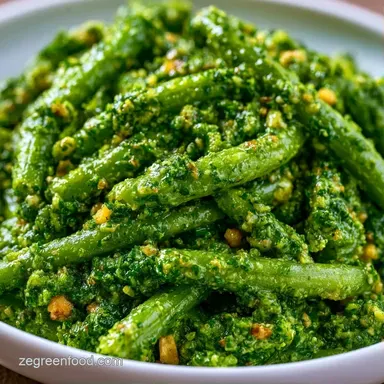
Nutrient-Packed Green Bean Pesto
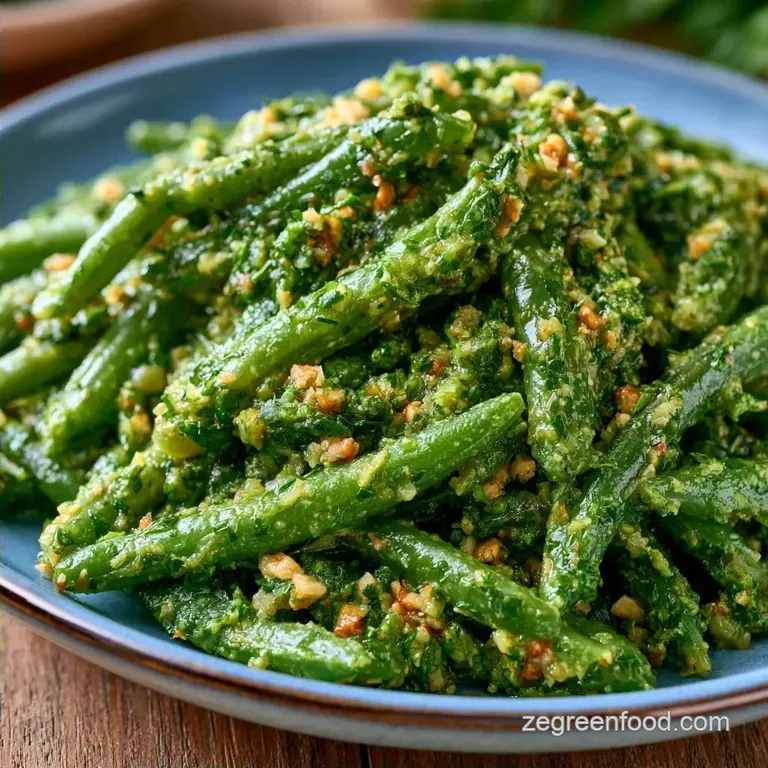
- Time: 10 minutes prep + 5 minutes cooking
- Taste Profile: Nutty and zesty with a vibrant green hue
- Perfect for: Easy weeknight meals or a nutritious meal prep sauce
The crisp snap of a fresh green bean is one of those sounds that instantly evokes spring. I remember one Tuesday when I was craving a fresh pasta dish, but the basil in my refrigerator had devolved into a sad, dark slurry.
Looking at a bag of trimmed beans, I had a sudden epiphany: why not use them as the base for a sauce?
It felt like a strange experiment at first, but the result was a revelation. Instead of the heavy, herbal intensity of a traditional pesto, I created something lighter and more garden forward. This Green Bean Pesto has a gentle sweetness and a vivid color that remains bright even after spending a day in the fridge.
The sauce is rich from the Parmesan and walnuts, but kept balanced by a bright hit of lemon. Since it doesn't dominate the other flavors on the plate, it is a fantastic way to incorporate more vegetables into a meal without it tasting like a health food project.
The One Thing That Changes Everything
- Rapid Blanching: A quick dip in boiling water locks in the bright green color. This prevents the sauce from turning an unappetizing olive brown.
- Walnut Base: Using walnuts instead of pine nuts adds a deeper, earthier tone. This complements the grassy notes of the beans.
- Lemon Acid: The juice cuts through the fat of the olive oil and cheese. It brightens the whole profile so it doesn't feel too heavy.
| Method | Time | Texture | Best For |
|---|---|---|---|
| Fast (This Recipe) | 15 mins | Smooth and rich | Weeknight meals |
| Classic Pesto | 30 mins | Coarse and oily | Traditional pasta |
This method focuses on speed and color. By using a food processor, we get a consistent blend in seconds, whereas the classic mortar and pestle method takes significantly more effort for a similar result.
Recipe Specs
This recipe is designed for a family style yield. It produces a generous amount of sauce that works as a main component or a condiment. The flavor map here is all about contrast: the richness of the Parmesan hits first, followed by the zest of the lemon, and finishing with the earthy, nutty crunch of the walnuts.
Since this is a plant forward dish, it's a great way to introduce more vegetables to picky eaters. The beans blend right in, creating a savory experience that feels like a treat rather than a side dish.
Gathering Your Essentials
Before you start, make sure your green beans are fresh and snap easily. If they feel bendy or rubbery, they won't provide that same bright, clean taste. The walnuts should be raw for the most neutral flavor, though toasted walnuts work if you want a smokier vibe.
The Parmesan is where the salt and umami come from. I always suggest grating your own cheese from a block. Pre shredded cheese is coated in potato starch to prevent clumping, which can make this Green Bean Pesto feel a bit grainy.
- Green Beans
- Provide the body and the vibrant color.
- Walnuts
- Add creaminess and a rich, fatty base.
- Garlic
- Adds a sharp, pungent kick.
- Parmesan
- Brings the salty, savory depth.
- Olive Oil
- Binds everything together into a sauce.
- Lemon Juice
- Brightens the flavor and keeps the color fresh.
Equipment Needed
You don't need a professional setup, but a few specific tools make this much easier. A food processor is the star here, as it handles the beans and nuts far better than a standard blender. A blender often turns the sauce into a thin soup, while a processor keeps a bit of that desirable texture.
You'll also need a medium pot for boiling the beans and a large bowl for the ice bath. A fine mesh colander is helpful for draining the beans quickly so you can plunge them into the cold water without any delay.
Step-by-step Instructions
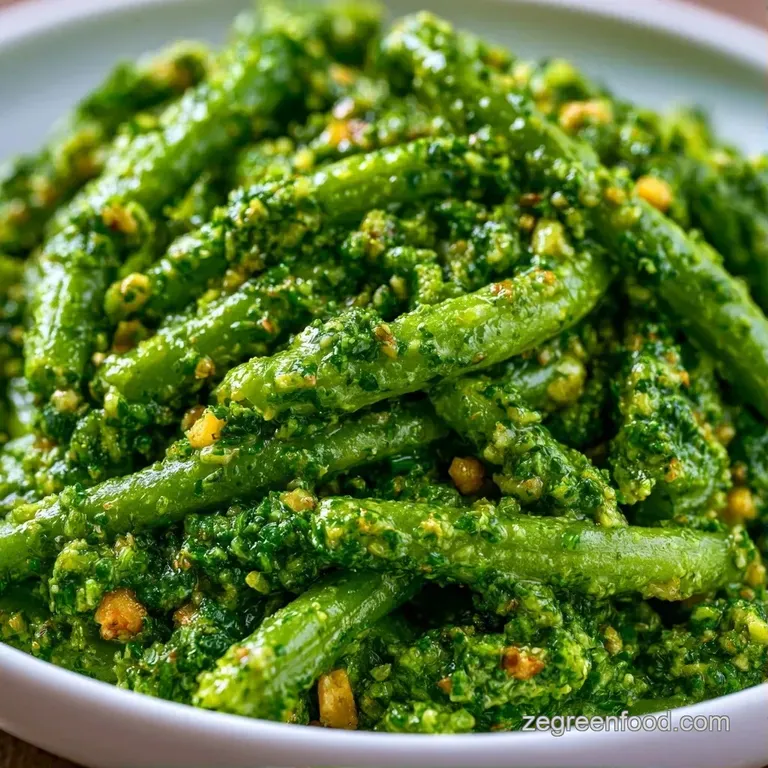
Phase 1: The Rapid Blanch
- Bring a medium pot of salted water to a rolling boil.
- Add the trimmed green beans and cook for 2-3 minutes until they are bright green and tender crisp. Note: Avoid overcooking to preserve the snap of the sauce.
- Drain the beans through a colander and plunge them immediately into ice water for 60 seconds.
- Remove the beans and pat them dry with a clean kitchen towel. Note: Eliminating excess moisture prevents the sauce from becoming runny.
Phase 2: The Pulse and Blend
- Combine the dried green beans, walnuts, and peeled garlic cloves in the food processor.
- Pulse 5-7 times until the ingredients are coarsely chopped.
- Maintain a chunky consistency at this stage to give the final sauce more character.
Phase 3: Emulsifying the Sauce
- Set the processor to low and gradually stream in the olive oil.
- Add the grated Parmesan, lemon juice, salt, and pepper.
- Blend for an additional 20-30 seconds until the sauce is velvety and well combined.
How to Fix Common Problems
It's rare for a sauce like this to go completely wrong, but since green beans vary in water content, you might run into a few snags. The most common issue is the consistency. If you used a blender instead of a processor, it might feel more like a puree than a pesto.
Another thing to watch for is the "grassy" taste. Some green beans are more bitter than others. If the flavor feels too raw or vegetal, a tiny bit more salt or lemon juice usually fixes the balance.
Fixing a Thick Sauce
If the sauce feels too heavy or won't pour, you just need a bit more liquid. Add warm water one tablespoon at a time while the processor is running. This thins the sauce without adding more fat.
Fixing a Grassy Taste
When the beans are too dominant, the sauce tastes like a salad. Adding a pinch more salt or an extra squeeze of lemon neutralizes that bitterness.
| Problem | Fix |
|---|---|
| Sauce is too thick | Add 1 tbsp warm water and blend |
| Flavor is too grassy | Increase lemon juice or salt |
| Color is dull | Shorten blanching time next time |
| Sauce is too oily | Add a tablespoon of grated Parmesan |
If you find your sauce is too oily, it's usually because the oil was added too quickly. Adding more cheese helps absorb the excess fat and brings back the creamy texture.
What to Serve This With
This Green Bean Pesto is incredibly versatile. For a hearty main, toss it with some hot penne or fusilli. The ridges in the pasta hold onto the sauce, making every bite rich. You can also try it with gnocchi for something more indulgent.
If you want a lighter lunch, use it as a dressing for a green bean scape salad. The acidity of the pesto pairs well with raw vegetables and a few cherry tomatoes.
For a lean protein pairing, smear a spoonful over grilled chicken breast or baked salmon. The nuttiness of the walnuts works beautifully with the char of a grill. You can even use it as a dip for raw carrots and cucumbers for a healthy snack.
Storage & Reheating
To maintain a bright hue, keep your Green Bean Pesto in a glass container. Seal the surface with a small amount of olive oil before closing the lid; this creates a barrier that blocks oxygen and prevents the sauce from browning.
Fridge Storage Store the pesto in the refrigerator for 4-5 days. Stir well before serving. If the oil has hardened, allow it to soften at room temperature for 10 minutes.
Freezer Storage This sauce freezes beautifully. Pour it into ice cube trays and freeze until solid, then move the cubes into a freezer safe bag. They will remain good for 3 months.
Reheating Skip the microwave, as excessive heat can ruin the fresh taste and dull the color. Instead, thaw the sauce in the fridge overnight or stir it directly into steaming pasta to warm it gently.
Zero Waste Tip Save the trimmed green bean ends. Collect them in a freezer bag alongside other vegetable remnants (like onion skins or carrot tops) to brew a homemade stock later.
Mix It Up
Depending on what's in your pantry, you can tweak this recipe to fit your diet. If you want to make a vegan version, swap the Parmesan for two tablespoons of nutritional yeast and a pinch of extra salt. This maintains the cheesy, umami flavor without the dairy.
For those with nut allergies, sunflower seeds are a great replacement for walnuts. They provide a similar creaminess and a mild flavor that doesn't clash with the beans.
If you're looking for another twist on greens, this Gotham green pesto sauce is another great option to try. For a zesty kick, add a half teaspoon of red pepper flakes during the final blend.
| Original Ingredient | Substitute | Why It Works |
|---|---|---|
| Walnuts (1/4 cup) | Sunflower Seeds (1/4 cup) | Similar fat content. Note: Milder flavor than walnuts |
| Parmesan (1/2 cup) | Nutritional Yeast (3 tbsp) | Adds savory, cheesy taste. Note: Best for vegan diets |
| Olive Oil (1/3 cup) | Avocado Oil (1/3 cup) | Neutral flavor and healthy fats. Note: Less "grassy" than olive oil |
When substituting ingredients, keep in mind that the salt levels may change. If you use nutritional yeast instead of Parmesan, you'll likely need an extra pinch of salt to keep the flavors popping.
Adjusting the Batch Size
To make a smaller portion for one or two, simply scale the ingredients. For a half size batch, use 1/4 lb of beans and 2 tablespoons of walnuts. Because there's less volume, shorten the blending time by roughly 5 seconds to prevent over processing the sauce.
If you need a much larger quantity for a crowd, exercise caution with the salt and garlic. I suggest beginning with 1.5x the original amounts, tasting the sauce, and adjusting upward from there.
While liquids like olive oil can be increased proportionally (1:1), too much garlic in large quantities can easily overpower the dish.
To ensure a consistent texture when making more, process the ingredients in two separate batches. Overfilling the food processor bowl often results in uneven mixing, leaving you with some chunky walnut pieces and other areas that are too thin.
- For a brighter taste
- add 1 tsp extra lemon juice.
- For a thicker sauce
- blend for 10 seconds less.
- For a creamier feel
- add 1 tbsp Greek yogurt.
This Green Bean Pesto proves that the most rewarding recipes often stem from kitchen experimentation. It's a nutritious, fresh option that simplifies your meal prep. Whether used as a pasta sauce or a dip, it offers a vibrant, garden fresh quality that classic pestos sometimes lack.
Trust me, once you've tasted this version, you'll likely keep green beans stocked in your freezer just for this.
Recipe FAQs
Does pesto go with green beans?
Yes, it's a vibrant pairing. The nutty walnuts and salty Parmesan complement the natural snap of the beans.
How to make this without cheese?
Omit the Parmesan cheese. Replace it with extra walnuts for texture or a pinch more salt, similar to a vegan pesto approach.
Which beans are best for pesto?
Fresh, trimmed green beans are ideal. Their bright color and crisp texture provide the best base for the sauce.
What's the secret to restaurant style beans?
Blanch the beans for 2 3 minutes. Immediately plunge them into an ice bath for 60 seconds to lock in the vivid green color.
Is it true that pesto must always contain basil?
No, this is a common misconception. Pesto refers to the technique of pounding ingredients into a paste, meaning green beans work perfectly as a base.
Can I use a substitute for this sauce?
Yes, a walnut garlic paste works. Blend the olive oil, garlic, and walnuts together if you don't have fresh green beans on hand.
Are there additions that make it better?
Add a splash more lemon juice. This brightens the fats from the olive oil and walnuts for a more balanced, zesty taste.
Green Bean Pesto Sauce