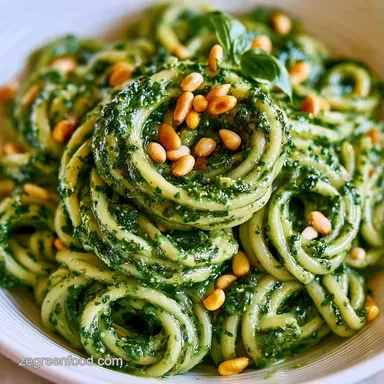
Creamy Pasta Pesto Vegan in 25 Minutes
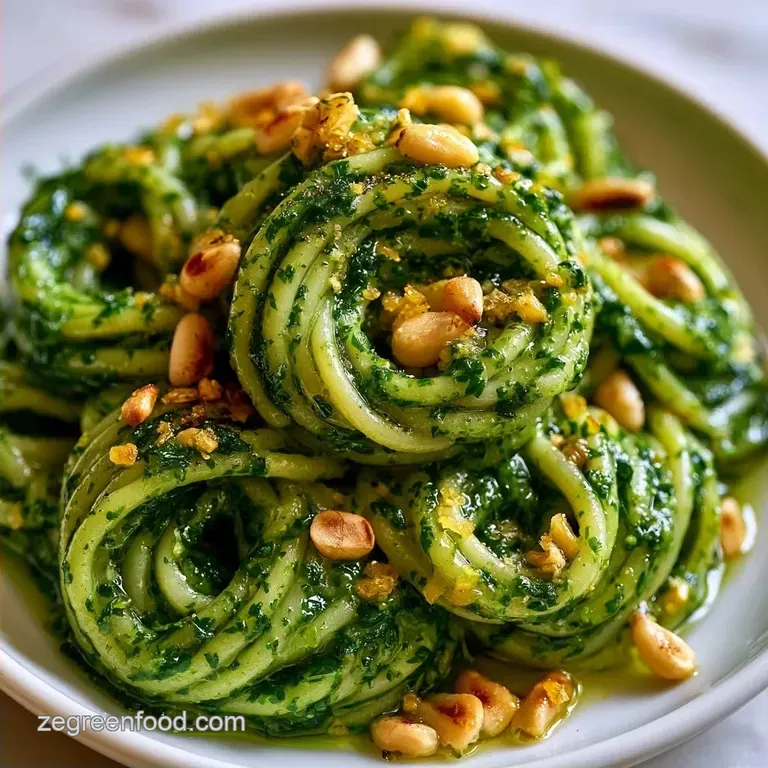
- Preparation: 10 min | Cooking: 15 min
- Taste Profile: Nutty, bright, and glossy
- Perfect for: Fast weeknight dinner or meal prep
- Quick and Easy Pasta Pesto Vegan
- Recipe Specs
- The Best Ingredient Mix
- Essential Gear for Blending
- Ingredients & Substitutes
- Tossing it All Together
- Fixing Common Sauce Issues
- New Twists to Try
- Adjusting the Portion Size
- Common Kitchen Misconceptions
- Keeping it Fresh
- Perfect Side Pairings
- Recipe FAQs
- 📝 Recipe Card
There's nothing quite like the aroma of fresh basil hitting a heated pan. When I first attempted a plant based version, I simply blended the ingredients raw and mixed them with cold pasta. The result was disappointing flat, greasy, and the sauce refused to stick to the noodles.
The solution was straightforward. I began toasting the nuts and reserving a splash of the pasta cooking water. This transformed the sauce from a thin oil into a velvety glaze that clings perfectly to every strand.
The final dish is indulgent without being overly filling. This vegan pesto method focuses on building depth, combining the smokiness of toasted nuts with a bright, zesty lemon touch.
Quick and Easy Pasta Pesto Vegan
Nut Toasting: Browning pine nuts or walnuts creates a deep, savory base that replaces the punch of aged cheese.
Starch Binding: Using reserved pasta water helps the oil and basil emulsify, which means the sauce coats the noodles instead of pooling at the bottom.
Recipe Specs
| Goal | Change |
|---|---|
| Want more zest? | Mix in 1 tsp lemon zest |
| Need more kick? | Stir in 1/2 tsp red pepper flakes |
| Nut-free option? | Substitute with toasted sunflower seeds |
The Best Ingredient Mix
| Component | Purpose | Substitute Notes |
|---|---|---|
| Fresh Basil | Main flavor | Spinach: Milder taste, less aromatic |
| Pine Nuts | Richness | Walnuts: Earthier, more budget friendly |
| Olive Oil | Emulsifier | Avocado Oil: Neutral flavor, high smoke point |
| Lemon Juice | Brightness | Apple Cider Vinegar: Sharper, less citrusy |
Essential Gear for Blending
A food processor or high speed blender is ideal for this. If you prefer a traditional approach, a mortar and pestle works, though it requires more elbow grease. Using a wide skillet for the final toss is also helpful, giving you plenty of room to move the pasta around without it spilling.
Ingredients & Substitutes
- 2 cups fresh basil leaves (50g) Why this? Provides the core aromatic profile.
- Substitute: Baby spinach
- 1/2 cup extra virgin olive oil (120ml) Why this? high quality oil adds a peppery finish.
- Substitute: Light olive oil
- 1/3 cup pine nuts or walnuts (50g) Why this? Adds necessary fats and depth.
- Substitute: Toasted almonds
- 2 cloves fresh garlic (10g) Why this? Sharp contrast to the sweet basil.
- Substitute: Garlic powder (1/2 tsp)
- 1 tbsp lemon juice (15ml) Why this? Cuts through the oil.
- Substitute: Lime juice
- 1/2 tsp sea salt (3g)
- Substitute: Kosher salt
- 1/4 tsp black pepper (1g)
- 1 lb dry pasta (450g)
- Substitute: Chickpea pasta for extra protein
- 1/2 cup reserved pasta water (120ml)
- 1 cup cherry tomatoes or baby spinach (150g)
- Substitute: Frozen peas
Tossing it All Together
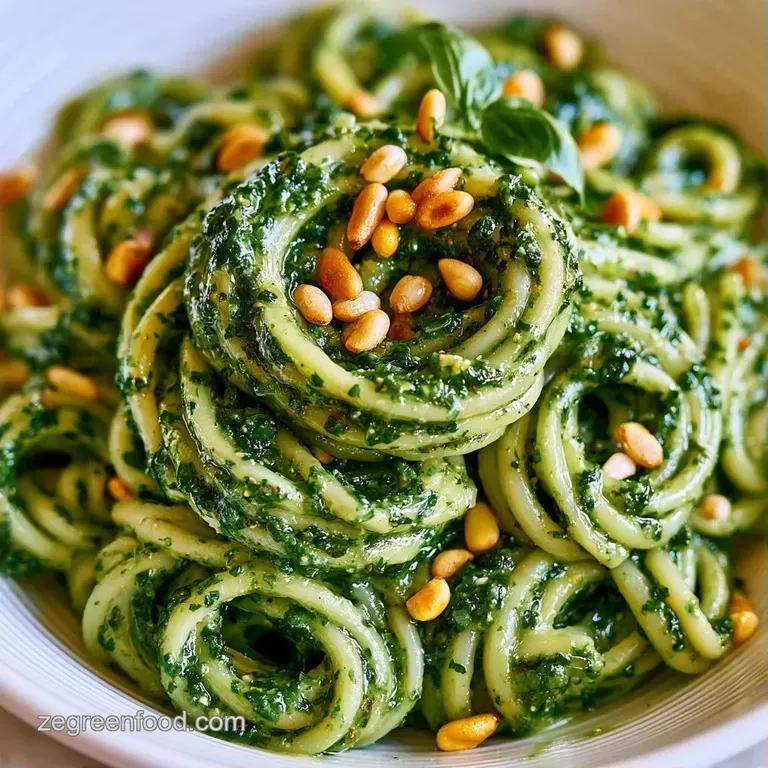
Perfect Vegan Pasta Pesto relies on precise timing. The goal is to mix the sauce with the noodles while they are still steaming hot.
Phase 1: The Prep
- Toast the nuts in a dry skillet over medium heat. Stir them continuously for 3-5 minutes until they are fragrant and light golden, then move them to a plate immediately.
- Bring a large pot of salted water to a boil. Cook the pasta until al dente (usually 1-2 minutes less than the package suggests).
- Halve the cherry tomatoes or rinse your spinach.
Phase 2: Blending the Pesto
- Pulse the toasted nuts and garlic in a food processor until they reach a coarse crumb consistency.
- Add salt and basil leaves. Pulse several times until the leaves are finely chopped without turning into a paste.
- While the processor is running on low, slowly drizzle in the olive oil. Once smooth, stir in the black pepper and lemon juice.
Phase 3: The Final Toss
- Save 120ml of the pasta water before draining the noodles.
- Over low heat in a skillet, combine the cooked pasta, vegan pesto, reserved water, and vegetables.
- Toss for 2 minutes until the sauce creates a glossy glaze.
Fixing Common Sauce Issues
If your sauce feels off, it's usually a matter of ratios. Too much oil makes it greasy, while too little water makes it clump.
Grainy Texture Fix
This usually happens when the nuts aren't pulsed enough or the oil was added too fast. If it's grainy, just pulse it for another 30 seconds. If it's already in the pan, add an extra splash of pasta water and stir briskly over low heat.
Browning Basil Fix
Heat is the enemy of green basil. If you blend it for too long, the blades heat up and oxidize the leaves. Stop blending the second the oil is incorporated.
Strong Garlic Fix
Fresh garlic varies in potency. If the bite is too sharp, a squeeze of extra lemon juice or a pinch of sugar helps neutralize the sting.
| Problem | Root Cause | Solution |
|---|---|---|
| Sauce is too thick | Not enough pasta water | Add 1-2 tbsp water |
| Pesto is oily | Oil not emulsified | Stir in more pasta water over low heat |
| Bland flavor | Under salted | Add a pinch of sea salt at the end |
New Twists to Try
You can really play around with the base of this Pasta Pesto Vegan meal. For a different color and a slightly sweeter vibe, you can try making a Red Pesto sauce using sun dried tomatoes.
If you want a more velvety feel, fold in two tablespoons of nutritional yeast or a dollop of vegan ricotta. For those who love greens, adding steamed broccoli or sautéed kale makes the dish feel more like a full salad pasta hybrid.
Another great option is using different nuts. Cashews make it creamier, while pumpkin seeds give it a darker, earthier tone.
Adjusting the Portion Size
Scaling a Pasta Pesto Vegan recipe is simple, but don't just double everything blindly.
Cutting it down (Half Batch): Use a smaller skillet to prevent the sauce from evaporating too quickly. If you're using an egg based pasta substitute, beat one egg and use half of it. Reduce the total cook time for the sauce by about 20%.
Scaling up (Double or Triple): Be careful with the garlic and salt. Increase these to only 1.5x the original amount first, then taste. If you're doubling the pasta, you'll need a much larger pot of water to prevent the noodles from sticking.
Work in batches when blending the pesto so you don't overwork the motor of your food processor.
Common Kitchen Misconceptions
Some people think you need cashew cream to make a "creamy" vegan sauce. That's just not true. The starch in the pasta water creates a natural emulsion with the olive oil, giving you a rich mouthfeel without the extra calories.
Another myth is that you can't freeze pesto. You actually can, though the color might fade slightly. The trick is to freeze it in ice cube trays so you can pop out exactly what you need for a quick meal.
Keeping it Fresh
Keep any remaining Pasta Pesto Vegan in a sealed glass jar in the refrigerator for as long as 5 days. To stop the pesto from browning, drizzle a light layer of olive oil over the top to block out the air.
If you have surplus pesto, it will stay fresh in the freezer for 3 months. I enjoy prepping a large quantity and freezing it, similar to the approach for Garlic Scape Pesto.
Zero Waste Tip: Save your basil stems instead of tossing them. You can add them to a simmering pot of vegetable stock or freeze them in oil to use as a savory base for future sautéed vegetables.
Perfect Side Pairings
This dish is quite rich, so you want sides that offer a crisp or acidic contrast. A simple arugula salad with a lemon balsamic dressing works well. The bitterness of the greens cuts through the fat of the pine nuts.
Grilled zucchini or roasted asparagus also complement the herby notes. If you're feeding a crowd, a slice of toasted sourdough rubbed with a raw garlic clove is a great way to scoop up any remaining sauce on the plate.
Ultimately, this Pasta Pesto Vegan meal is all about that balance of fresh herbs and nutty depth. It's a reliable, fast dinner that feels way more fancy than it actually is.
Recipe FAQs
How do I make vegan pesto from scratch?
Pulse toasted nuts and garlic, add basil, then drizzle in olive oil while blending. Stir in lemon juice and pepper at the end for a bright finish.
Does pesto inevitably turn brown without cooking?
No, this is a common misconception. Oxidation causes the color change, but adding lemon juice helps preserve the vibrant green hue.
How long is homemade pesto good for?
Store it in a sealed jar in the cooler. It typically remains fresh for about five to seven days.
What is the secret to getting the sauce to stick to the pasta?
Use reserved pasta water when tossing the noodles in a skillet over low heat. This creates a glossy emulsion that clings to the pasta instead of pooling.
Which nuts are best for a healthier pesto?
Use walnuts instead of pine nuts for an earthier taste and better value. If you enjoy working with aromatic alliums like these, you might like our grilled garlic scapes.
How to blend pesto with just basil, garlic, and olive oil?
Process the garlic and basil first, then slowly stream in the oil. The resulting sauce will be thinner and less rich without the added nuts.
Why is toasting the nuts necessary?
Toasting pine nuts or walnuts in a dry skillet for 3-5 minutes develops a savory depth. This helps the vegan version mimic the richness of traditional aged cheese.
Pasta Pesto Vegan