Spicy Korean Tofu Rice Bowl
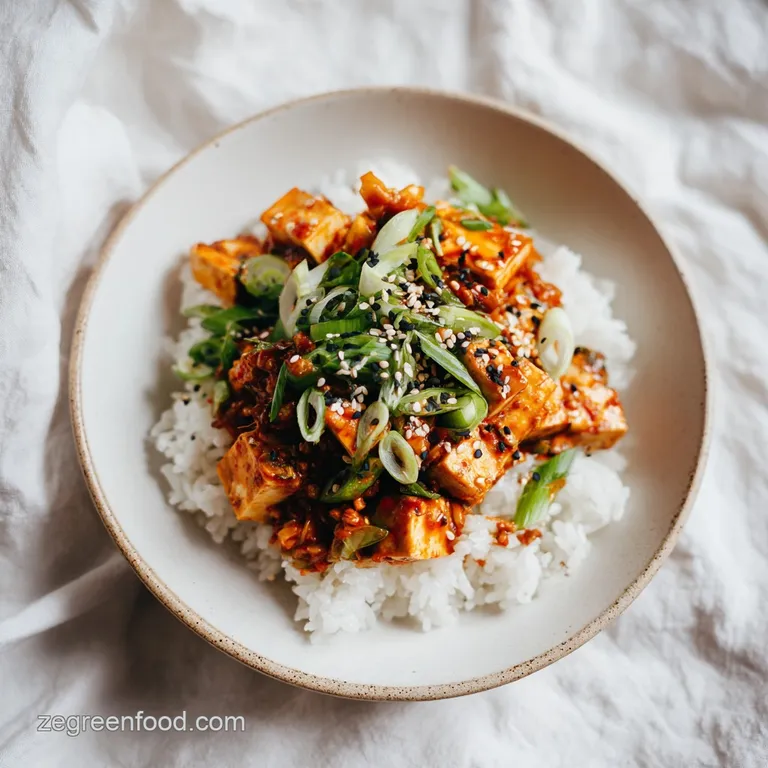
- Time: Active 20 mins, Passive 20 mins, Total 40 mins
- Flavor/Texture Hook: Shatter crisp exterior with a velvety, spicy sweet gochujang finish
- Perfect for: High protein meal prep and busy weeknight recovery meals
Make This Epic Korean Tofu Rice Bowl
The first time I tried to make a tofu bowl at home, it was a total disaster. I remember the sound of the tofu sticking to the pan - a dull, wet thud instead of a crisp sizzle - and the final result was a plate of bland, spongy cubes that left me reaching for a protein bar an hour later.
I realized then that tofu isn't the problem, it's the preparation. When you finally hear that rhythmic "clink clink" of a perfectly seared tofu cube hitting the bowl, you know you’ve leveled up your kitchen game.
This Korean Tofu Rice Bowl is the result of months of tweaking ratios to find that sweet spot between a shattering crust and a sauce that actually clings. We aren't just making dinner here, we're building a fuel source that tastes like a restaurant quality cheat meal.
The aroma of toasted sesame oil and microplaned garlic hitting the hot pan is enough to wake up anyone in the house.
If you are looking for a meal that supports an active lifestyle without tasting like cardboard, you've found it. We are going to use gochujang - that deep, funky Korean chili paste - to provide a complex heat that soy sauce alone can't touch.
Get your rice cooker started, because we are about to change how you look at plant based protein forever.
Key Performance Specs
| Method | Cook Time | Texture | Best For |
|---|---|---|---|
| Stovetop | 15 minutes | Maximum crunch and charred edges | Quick weeknight fuel |
| oven-roasted | 25 minutes | Even browning, less active effort | Large batch meal prep |
| Air Fryer | 12 minutes | Ultra crispy, uses 50% less oil | Single servings |
This dish is designed to be efficient. While the tofu presses, you prep the veggies. While the tofu sears, you whisk the sauce. It is a streamlined workflow that ensures you aren't standing over the stove for an hour when you'd rather be hitting the gym or relaxing.
The Essential Ingredients
The Physics of the Crunch: Cornstarch creates a microscopic, uneven surface area that traps air, resulting in a shatter crisp shell when it hits hot oil. This barrier also prevents the interior moisture from steaming the crust from the inside out.
- 16 oz extra firm tofu: The backbone of our protein count. Why this? Firmness ensures it holds its shape during the over high heat sear.
- 3 tbsp cornstarch: The secret to the texture. Why this? It absorbs surface moisture better than flour for a crispier finish.
- 3 tbsp gochujang: Fermented chili paste. Why this? Provides depth, heat, and enough sugar to caramelize perfectly.
- 1 tbsp low sodium tamari: For that hit of umami. Why this? Adds salt without the metallic tang of some soy sauces.
- 1 tbsp maple syrup: The balancer. Why this? Cuts the heat of the gochujang and creates a glossy glaze.
- 2 cloves garlic: Microplaned for maximum surface area.
- 1 tsp fresh ginger: Adds a bright, zingy top note.
- 2 cups cooked jasmine rice: Our complex carb base.
- 1 large Persian cucumber: For the essential cooling crunch.
- 1 large carrot: Julienned for texture.
| Original Ingredient | Substitute | Why It Works |
|---|---|---|
| Gochujang | Sriracha + Miso | Sriracha provides heat while miso adds the necessary fermented funk. |
| Tamari | Soy Sauce | Almost identical flavor profile. Note: Soy sauce contains gluten. |
| Maple Syrup | Honey | Similar viscosity and sweetness. Adds a slightly floral note to the glaze. |
| Jasmine Rice | Brown Rice | Increases fiber content. Note: Requires longer cook time and has nuttier flavor. |
If you are looking for a variation that is even faster, our Spicy Tofu Rice recipe uses a slightly different garlic sesame profile that is just as addictive. Both recipes rely on the same fundamental searing techniques to ensure your protein isn't soggy.
Necessary Kitchen Gear
You don't need a professional kitchen to pull this off, but the right pan makes a massive difference. I highly recommend a heavy bottomed cast iron skillet or a high-quality carbon steel pan.
These materials hold heat much better than thin aluminum, which means the pan won't drop in temperature when you add the cold tofu. If the pan stays hot, you get a sear; if it cools down, you get a braise.
A microplane is also a game changer here. Instead of mincing garlic and ginger into chunks that might burn, microplaning them turns them into a paste. This paste integrates into the gochujang glaze seamlessly, coating every single millimeter of the tofu with flavor.
If you're serious about your meal prep, a set of glass airtight containers will keep the components fresh and the cucumber salad snappy for days.
step-by-step Cooking Guide
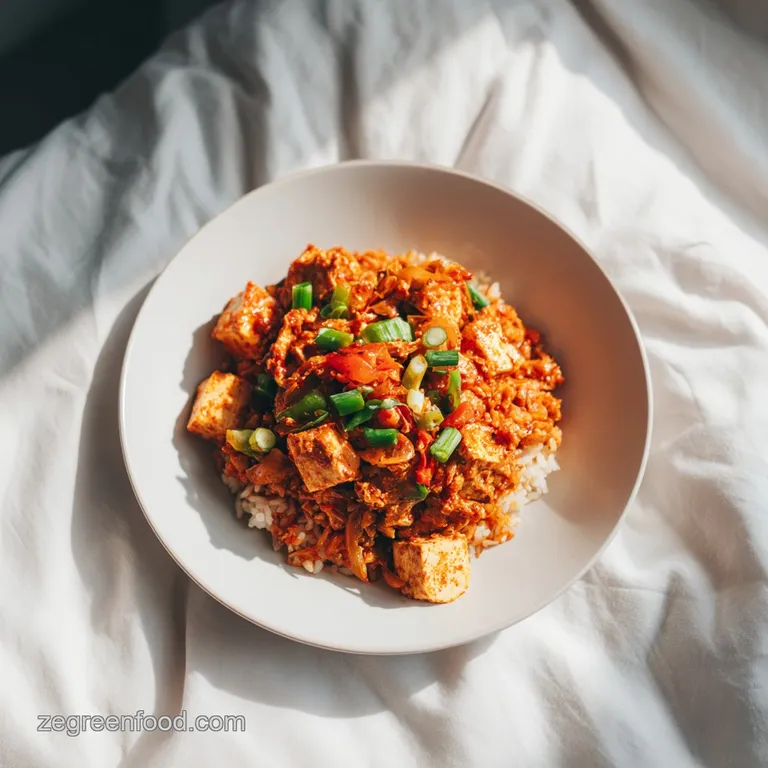
- Press the tofu. Wrap the 16 oz extra firm tofu in a clean towel and place a heavy skillet on top for 15 minutes. Note: Removing excess water is the only way to achieve a professional grade crunch.
- Cube and coat. Cut the pressed tofu into 2 cm cubes and toss them in a bowl with 3 tbsp cornstarch and 1/2 tsp sea salt until every side is chalky and dry.
- Whisk the glaze. In a small jar, combine 3 tbsp gochujang, 1 tbsp tamari, 1 tbsp maple syrup, 1 tbsp rice vinegar, 2 cloves microplaned garlic, 1 tsp ginger, and 1 tsp toasted sesame oil.
- Pickle the veggies. Toss the sliced cucumber and julienned carrots with 1/2 tsp sugar and 1/2 tsp salt until they begin to release moisture and soften.
- Heat the pan. Add 2 tbsp neutral oil to your skillet over medium high heat until the oil shimmers and barely wisps smoke.
- Sear the protein. Add the tofu cubes in a single layer. Let them sit undisturbed for 3-4 minutes until the bottom is golden brown and releases easily.
- Flip and repeat. Turn the cubes and cook for another 8-10 minutes, rotating occasionally, until the exterior sounds hollow when tapped.
- Glaze the cubes. Turn the heat to low and pour the gochujang mixture over the tofu. Toss rapidly for 60 seconds until the sauce thickens into a sticky, dark red lacquer.
- Build the bowl. Divide 2 cups jasmine rice into four bowls. Top with the glazed tofu and a generous portion of the quick pickled vegetables.
- Add the finish. Garnish with 1 tbsp kimchi, 1 tsp toasted sesame seeds, and 1 scallion until the bowl looks vibrant and professional.
Chef's Tip: If you want an even deeper flavor, let the tofu cubes "air dry" on a wire rack for 10 minutes after coating them in cornstarch but before frying. This allows the starch to fully hydrate and form a more durable skin.
For those who prefer a more vegetable forward approach, you can actually use the same glazing technique found in our Crispy Tofu Stir recipe to incorporate more bell peppers and snap peas directly into the pan.
Troubleshooting Your Results
Why Your Tofu Sticks
If you try to flip the tofu and it feels glued to the pan, do not force it. This usually happens because the pan wasn't hot enough or the Maillard reaction hasn't completed yet. When the crust is properly formed, the tofu will naturally release from the surface. Give it another minute and try again.
The Glaze is Burnt
Gochujang and maple syrup both contain high amounts of sugar. If your pan is screaming hot when you add the sauce, it will turn from a glaze to charcoal in seconds. Always kill the heat or drop it to the lowest setting before adding the liquid components.
The residual heat of the pan is more than enough to thicken the sauce.
| Problem | Root Cause | Solution |
|---|---|---|
| Soggy Tofu | Insufficient pressing or overcrowding the pan | Press for at least 15 mins and cook in batches to allow steam to escape. |
| Bland Interior | Cubes are too large | Cut tofu into smaller 1.5-2 cm cubes to increase the surface to volume ratio. |
| Grainy Sauce | Garlic/Ginger not finely enough processed | Use a microplane to ensure the aromatics melt into the sauce. |
Common Mistakes Checklist:
- ✓ Skipping the pressing step (leads to "wet" tofu)
- ✓ Using "silken" or "soft" tofu (it will disintegrate in the pan)
- ✓ Adding the sauce to a pan that is too hot (burns the sugars)
- ✓ Not shaking off excess cornstarch (creates a gummy coating)
- ✓ Forgetting to salt the cucumbers (they won't soften or pick up flavor)
Creative Recipe Variations
If you are looking to bulk this up for a heavy training week, you can easily double the recipe. When scaling up, work in two separate pans for the tofu. If you crowd too many cubes into one skillet, they will steam each other, and you'll lose that signature crunch we worked so hard for.
For a budget friendly swap, you can replace the jasmine rice with whatever grain you have in the pantry. Quinoa or even farro work surprisingly well, though they change the vibe from traditional Korean to more of a modern "power bowl." If you're out of fresh ginger, half a teaspoon of ground ginger in the sauce will get you 80% of the way there.
If you love the flavor profile but want something a bit more refreshing for summer, try adapting the toppings based on our Greek Salad with recipe logic keeping the protein but swapping the rice for a massive pile of greens and a lighter dressing.
Storage and Reheating
This Korean Tofu Rice Bowl is a meal prep superstar. You can store the glazed tofu and rice together in an airtight container for up to 4 days. However, keep the pickled cucumbers and kimchi in a separate small container or baggie.
If you store them with the rice, the moisture will migrate, making the rice mushy and the tofu soggy.
To reheat, I strongly suggest using an air fryer or a toaster oven at 180°C for 5 minutes. This will reactivate the sugars in the glaze and crisp up the cornstarch coating again. A microwave works in a pinch, but you will lose the "shatter" factor.
For the zero waste crowd: don't throw away the liquid left over from the pickled cucumbers! It's essentially a seasoned rice vinegar that tastes incredible drizzled over a simple side salad the next day.
Best Serving Suggestions
This bowl is a complete meal on its own, balancing protein, healthy fats, and complex carbohydrates. However, if you're feeding a crowd or just want to add more volume, a side of steamed bok choy or charred broccoli is the perfect partner.
The bitterness of dark leafy greens cuts through the sweetness of the gochujang glaze beautifully.
- High Protein Boost: Add a soft boiled "jammy" egg on top for an extra 6 grams of protein and a velvety yolk.
- Low Carb Version: Swap the jasmine rice for cauliflower rice or shredded cabbage sautéed with a splash of sesame oil.
- Added Crunch: Top with crushed roasted peanuts or fried shallots right before serving.
Searing Does Not Seal Juices
One of the biggest myths in the kitchen is that searing meat or tofu "seals in the juices." In reality, searing is all about the Maillard reaction a chemical reaction between amino acids and reducing sugars that gives browned food its distinctive flavor.
Moisture is actually lost during the searing process, but the trade off is a massive boost in savory complexity.
Tofu Doesn't Need Salt
Many people think that because tofu is often served with salty sauces, you don't need to season the tofu itself. This is a mistake. Adding a pinch of salt to the cornstarch coating ensures the flavor is built from the inside out, rather than just sitting on the surface.
Without that base layer of seasoning, the interior of the cube will always taste flat.
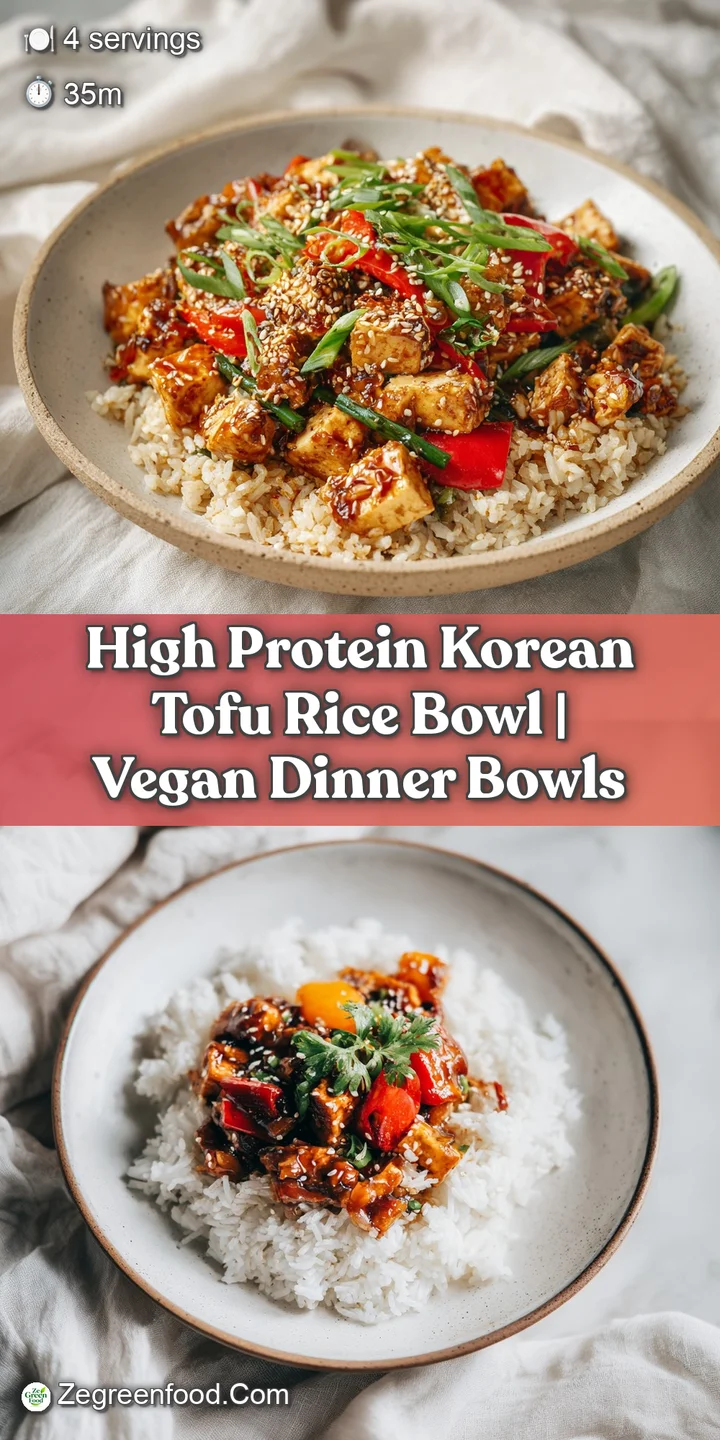
High in Sodium (⚠️)
980 mg mg of sodium per serving (43% % of daily value)
The American Heart Association recommends limiting sodium intake to about 2,300mg per day for overall health.
Sodium Reduction Tips for Gochujang Tofu Bowls
-
Reduce Added Salt-25%
Eliminate the 1/2 tsp of salt added to the tofu and the 1/2 tsp of salt for pickling the vegetables. This directly reduces the sodium content. You can increase other flavors to compensate.
-
Low-Sodium Tamari-20%
Ensure you are using low-sodium tamari. Standard soy sauce can be very high in sodium; using the reduced sodium version will make a significant difference.
-
Dilute Gochujang-15%
Gochujang is a significant source of sodium. Try using half the amount and adding a pinch of red pepper flakes or a dash of your favorite hot sauce for heat with significantly less sodium.
-
Unsalted Cooking-10%
Make sure the jasmine rice is cooked without added salt. Sodium can easily creep in during the cooking process for grains.
-
Skip Pickling-5%
Omit the quick pickling of the cucumber and carrot. Enjoy them fresh to eliminate the added salt used in the pickling process.
-
Spice it Up!
Enhance flavor with sodium free herbs and spices like garlic powder, onion powder, black pepper, or smoked paprika. Experiment to find your favorite combination!
Recipe FAQs
Can I substitute extra firm tofu with silken tofu for this bowl?
No, you must use extra firm tofu. Silken tofu has too high a water content and lacks the necessary protein structure to hold up during the searing process.
Is it true that searing tofu locks in all moisture?
No, this is a common misconception. Searing initiates the Maillard reaction, which creates flavor; moisture is actually lost, but the flavor complexity gained is essential for this dish.
How do I ensure the cornstarch coating creates the maximum crunch?
Toss the tofu cubes lightly and shake off all excess starch. You want a thin, dusty coat, not a thick clump, as excess starch steams instead of searing.
How to keep the glazed tofu from burning when adding the sauce?
Turn the heat to low or remove the pan from the burner completely before adding the glaze. The sugars in the gochujang and maple syrup caramelize extremely fast with residual heat.
Can I make this entirely ahead of time, including the cucumber?
Yes, but store the pickled vegetables separately. Keep the cucumbers and carrots separate from the warm rice and tofu to prevent moisture migration, which causes sogginess.
What is the best way to reheat the leftover tofu for lunch the next day?
Use an air fryer or toaster oven at 180°C for 5 minutes. Microwaving softens the crust, but dry heat effectively reactivates the crisp exterior.
How to substitute the gochujang if I want a different flavor profile but still need a crisp exterior?
Substitute with a blend of sriracha and white miso paste for funk and heat. If you enjoy learning techniques for maximizing crispness, see how the same dry-coating principle is applied in our Crispy Baked Tofu recipe.
Spicy Korean Tofu Bowl
Ingredients:
Instructions:
Nutrition Facts:
| Calories | 376 kcal |
|---|---|
| Protein | 14.9 g |
| Fat | 14.4 g |
| Carbs | 46.9 g |
| Fiber | 2.8 g |
| Sugar | 5.5 g |
| Sodium | 980 mg |
